Table of Contents
Acne scars come in different types. Knowing which you’ve got matters because treatments that work for one type can make another worse.
Most people have more than one type. Figure out what you’re dealing with before you spend money on fixing it.
Types of Acne Scars
Ice pick scars look like deep narrow holes punched into your skin. Sharp edges, steep sides. Most common on cheeks. Sometimes called depressed fibrotic scarring if you want to sound medical about it.
Boxcar scars are wider with defined edges, like mini craters. Similar to chicken pox scars. Usually show up on temples and cheeks.
Rolling scars create that wave pattern across your skin. They’re caused by damaged tissue underneath, not just surface damage, which means surface treatments won’t touch them. You need subcision for these. Forehead and cheeks get hit the most.
Hypertrophic scars are raised red bumps where the damage was. They fade over time. Keloid scars look similar but keep growing (which is annoying). These can show up anywhere.
Choosing a Dermatologist
This is where people get ripped off.
Acne scar treatment is expensive. Each method has tradeoffs, and some treatments improve certain scars while making others look worse. You need someone who’ll match the right treatment to your specific scar type, not someone who’s trying to upsell their most expensive service.
Talk to three dermatologists before you commit to anything. If someone’s pushing you to sign up on the first visit or heavily promoting specific products, walk out. You’re being sold to.
Ask them to explain exactly which treatment they recommend for your scar type and why. Bring a notepad. You’ll probably get different recommendations from each doctor, which means you need to understand the reasoning yourself.
Request before/after photos of patients with your scar type. Ask if you can contact any previous patients (good doctors will offer this). Check online reviews. If multiple people mention being pressured or overcharged, that’s your answer.
Find out how long they’ve been practicing and whether they’ve done the specific treatment they’re suggesting. "I can do that" isn’t the same as "I’ve done that 200 times."
One more thing. Scars can come back even after successful treatment, especially as you age. They can also stay gone. Bodies are unpredictable. Set realistic expectations and don’t believe anyone promising permanent perfection.
Treatment Options
1. Subcision
They detach the top layer of skin from the deeper tissue, which lets blood pool underneath and push the scar up. Works for rolling scars and some shallow ones.
Around $1000 per session. You’ll need multiple sessions.
2. Punch Treatments
Three variations. All involve cutting.
Punch excision cuts out the scar and stretches surrounding skin to close it. No grafts needed.
Punch replacement cuts out the scar and patches in skin grafted from elsewhere (usually behind your ear).
Punch elevation cuts the base of the scar loose so it can float up to match the surrounding skin level. Similar concept to subcision.
These run $50 to $150 per scar treated. If you’ve got 20 scars, do the math.
3. Chemical Peels
Acid burns off your top layer of skin. New skin grows back smoother.
Only works for mild, shallow scarring. If your scars are deep, this won’t reach them. $600 to $800 per treatment.
4. Dermabrasion
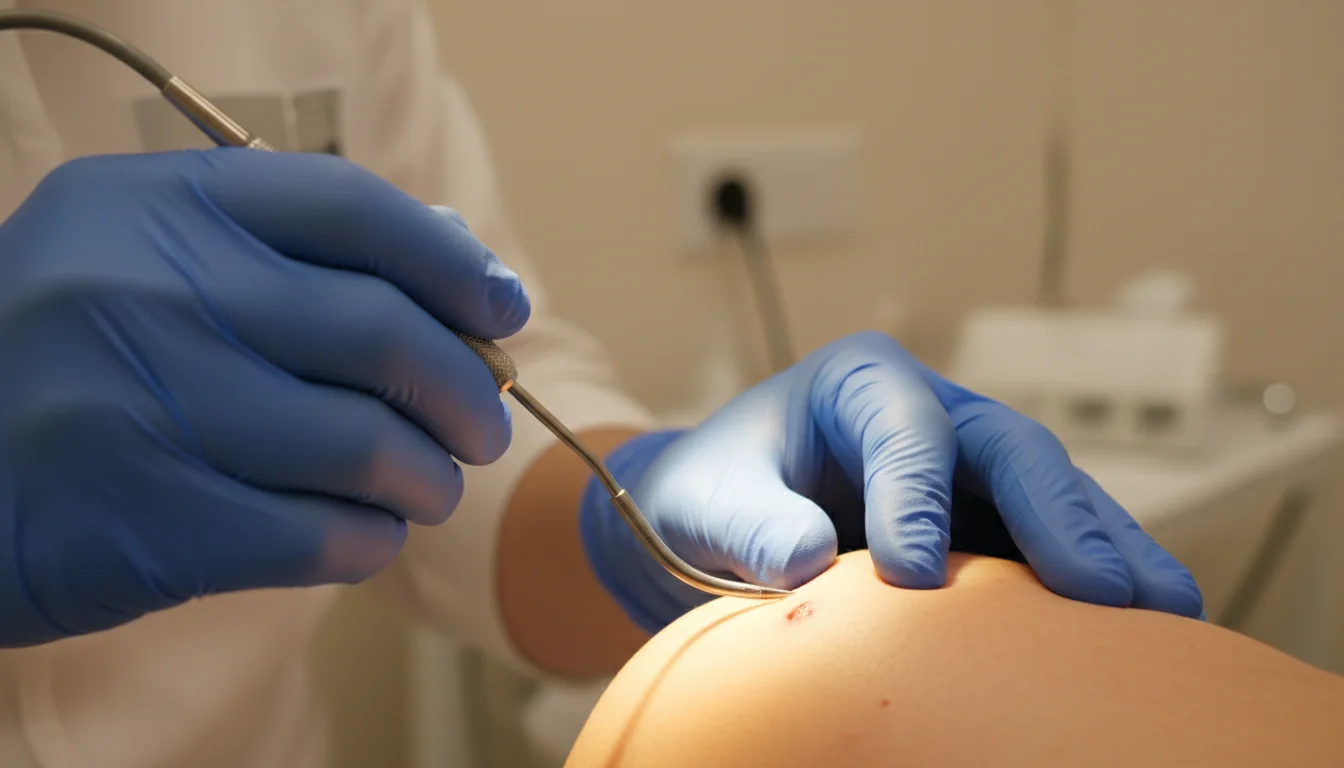
They numb your face and then literally sand your skin off with a rotating abrasive wheel. Yeah.
It’s painful. Recovery takes time. And here’s the kicker: scars often come back. Multiple people report temporary results at best.
$1200 to $2000 per session for something that might not last. Hard pass unless you’ve exhausted better options.
5. Laser Resurfacing
Same concept as dermabrasion but with lasers instead of a spinning wheel. Removes the top skin layer to smooth everything out.
Same problem as dermabrasion. Scars can return. $2500 per treatment.
If you’re considering this or dermabrasion, try subcision or punch treatments first.
6. Acne Scar Creams
The market’s flooded with creams claiming to erase scars. Most don’t work.
But. Vitamin E and cocoa butter creams won’t remove scars, but they keep skin soft and elastic, which can make shallow scars less noticeable over time. Cheap, no risk, modest results if you’re consistent.
Don’t waste money on miracle creams. If topical products actually erased scars, dermatologists wouldn’t be charging $2000 for dermabrasion.