Table of Contents
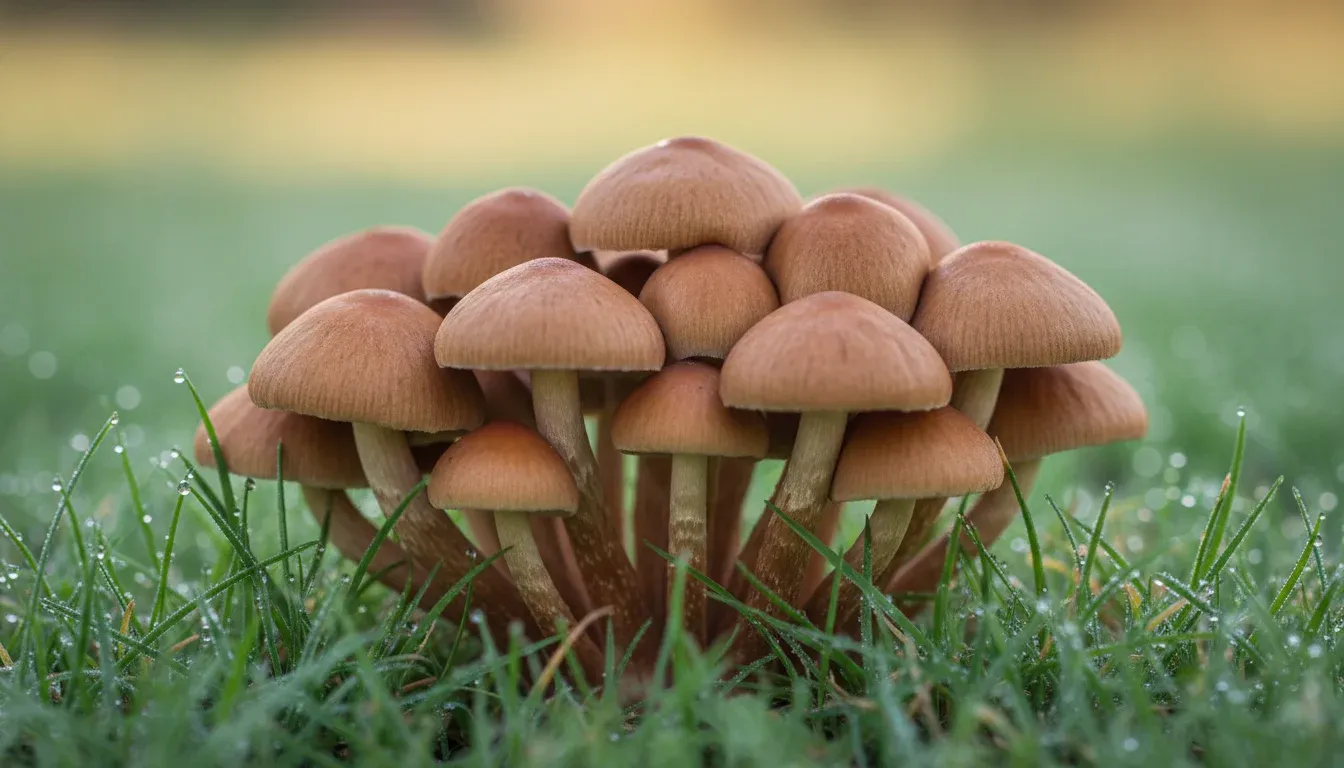
Mushrooms in your yard aren’t a disease. They’re a sign your soil is doing something right (too right, maybe). They pop up when conditions hit the fungal jackpot: moisture, shade, and decaying organic matter. The mushrooms you see are just the fruit. The real organism is a network of threads underground, breaking down wood chips, dead roots, or that tree stump you thought decomposed years ago.
Most yard mushrooms are harmless. Some are even beneficial for soil health. But if you’ve got a lawn full of fungi or kids and pets who might eat them, you’ll want them gone.
Here’s how to get rid of mushrooms in your yard – and actually keep them from coming back.
1. Remove Them by Hand
Pluck mushrooms as soon as they appear, before they release spores. Wear gloves (some species irritate skin) and drop them in a sealed bag for the trash. Don’t compost them unless you want a mushroom farm.
This won’t kill the underground network, but it stops reproduction. Do it consistently for a few weeks and you’ll starve the cycle.
2. Mow Before the Gills Open
If you’ve got a widespread mushroom problem, mow them down before the caps fully open and release spores. The gills are on the underside of the cap – if they’re still closed, you’re good.
Mowing won’t fix the root cause, but it’ll prevent millions of spores from launching into your yard and setting up new colonies.
3. Cut Off the Water Supply
Mushrooms need moisture. If you’re watering your lawn daily or running sprinklers for 30 minutes, you’re inviting them in. Scale back to deep, infrequent watering – once or twice a week, early morning so the grass dries by evening.
Check for leaky hoses, pooling water, or areas where runoff collects. Fix those and you’ll cut mushroom habitat by half.
4. Improve Drainage
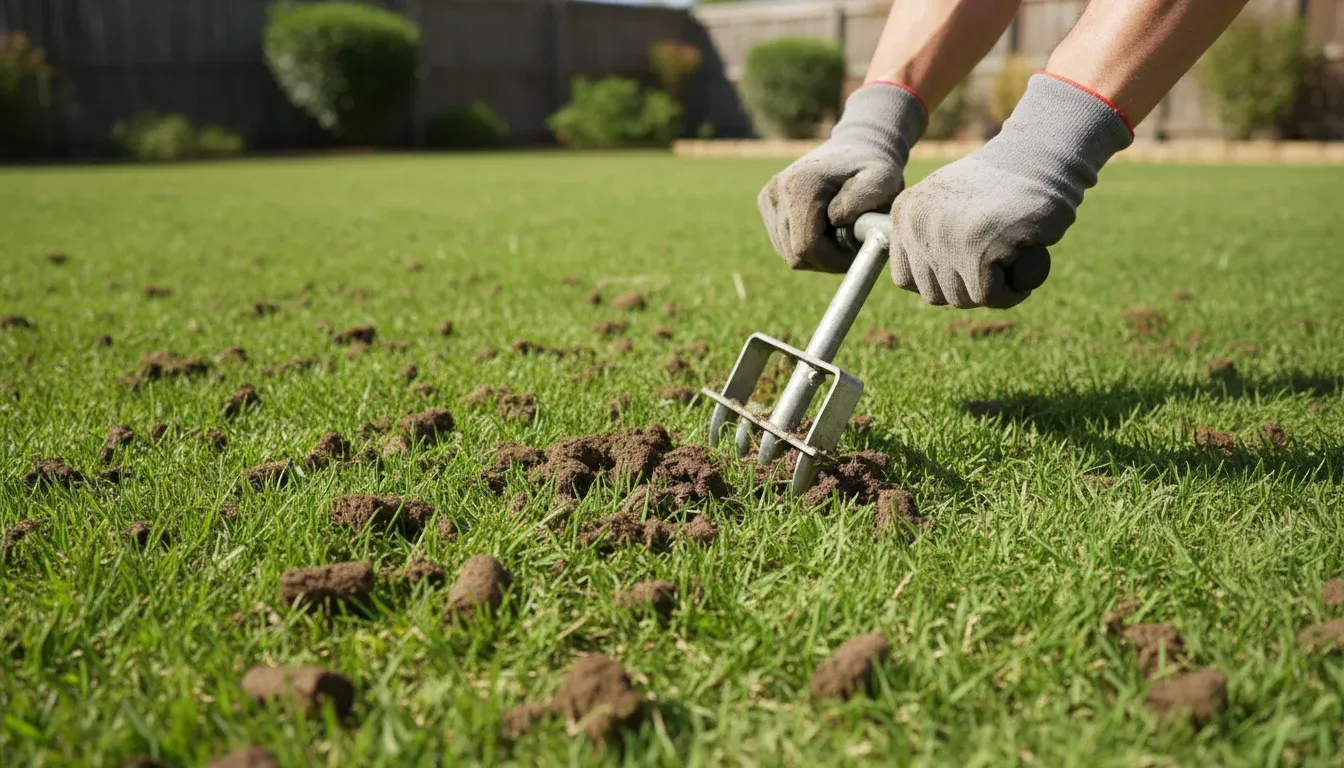
Low-lying areas and compacted soil hold water, which means mushroom heaven. Aerate your lawn with a core aerator (the kind that pulls plugs of soil, not those useless spike rollers). Do this in spring or fall when the grass is actively growing.
If you’ve got persistent wet spots, consider grading the area or installing a French drain. Mushrooms won’t thrive in soil that drains properly.
5. Remove Decaying Organic Matter
That’s the mushroom’s food source. Dig up old tree stumps, pull out buried wood chips, rake up thick layers of thatch, and clear decomposing mulch from garden beds. If you’ve recently had a tree removed, grind the stump and roots – don’t just cut it flush with the ground.
Pet waste, fallen fruit, and heavy leaf layers also feed fungal growth. Clean it up.
6. Dethatch Your Lawn
Thatch is the layer of dead grass stems and roots between the soil surface and green blades. A little is fine. More than half an inch feeds mushrooms and blocks water from reaching roots.
Rent a power dethatcher (also called a power rake) and run it over your lawn in early spring or fall. Rake up the debris and bag it. Your grass will look like hell for a week, then bounce back healthier.
7. Increase Sunlight
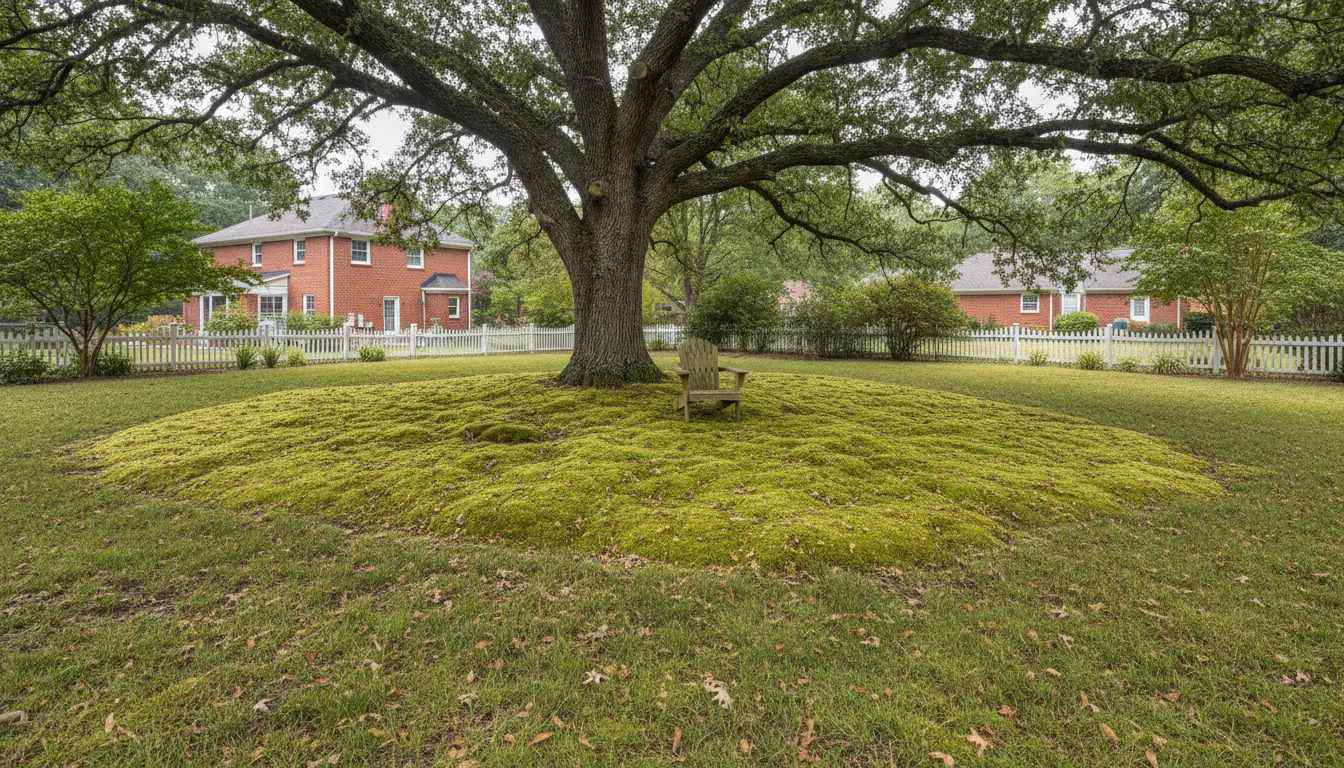
Mushrooms prefer shade. Trim back tree branches, prune overgrown shrubs, and thin out dense plantings to let more light hit the soil. Even an extra hour of direct sun per day can tip conditions out of the mushroom’s favor.
If you’ve got a heavily shaded yard with no way to fix it, you’re fighting biology. Focus on the other methods instead.
8. Apply a Vinegar Solution
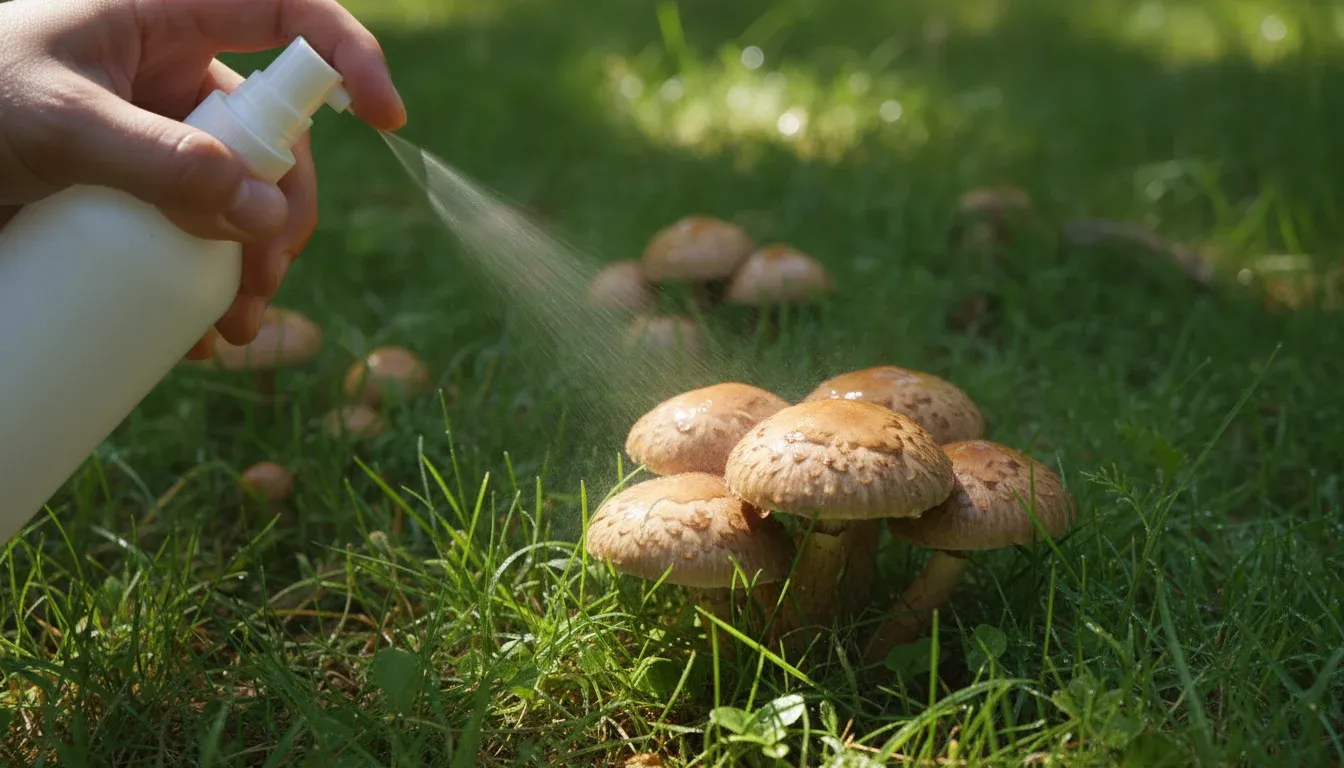
Mix one part white vinegar to four parts water in a spray bottle. Soak the mushrooms and the soil around them. The acidity will kill the mushroom and damage the mycelium (that underground network) in the top layer of soil.
This works for spot treatment, not whole-lawn coverage. You’ll kill grass if you spray it everywhere. Reapply after rain.
9. Use a Baking Soda Solution
Baking soda raises the soil’s pH, making it less hospitable for fungi. Mix two tablespoons of baking soda per gallon of water and pour it over mushroom-prone areas.
This is gentler on grass than vinegar, but it’s also slower and less aggressive. Use it for prevention after you’ve removed the mushrooms manually.
10. Try a Soapy Water Drench
Dish soap breaks down the waxy coating on mushroom caps and disrupts the mycelium. Mix two tablespoons of liquid dish soap into a gallon of water and pour it over the affected area.
This won’t sterilize the soil, but it’ll knock back the current crop and give you time to address the underlying moisture or organic matter problem.
11. Apply Nitrogen-Rich Fertilizer
Mushrooms thrive on carbon-heavy decaying matter. Flooding the soil with nitrogen (from lawn fertilizer) shifts the balance and speeds up decomposition of organic material, leaving less for the fungi to feed on.
Use a fast-release nitrogen fertilizer per package instructions. Don’t overdo it – too much nitrogen burns grass.
12. Aerate and Overseed
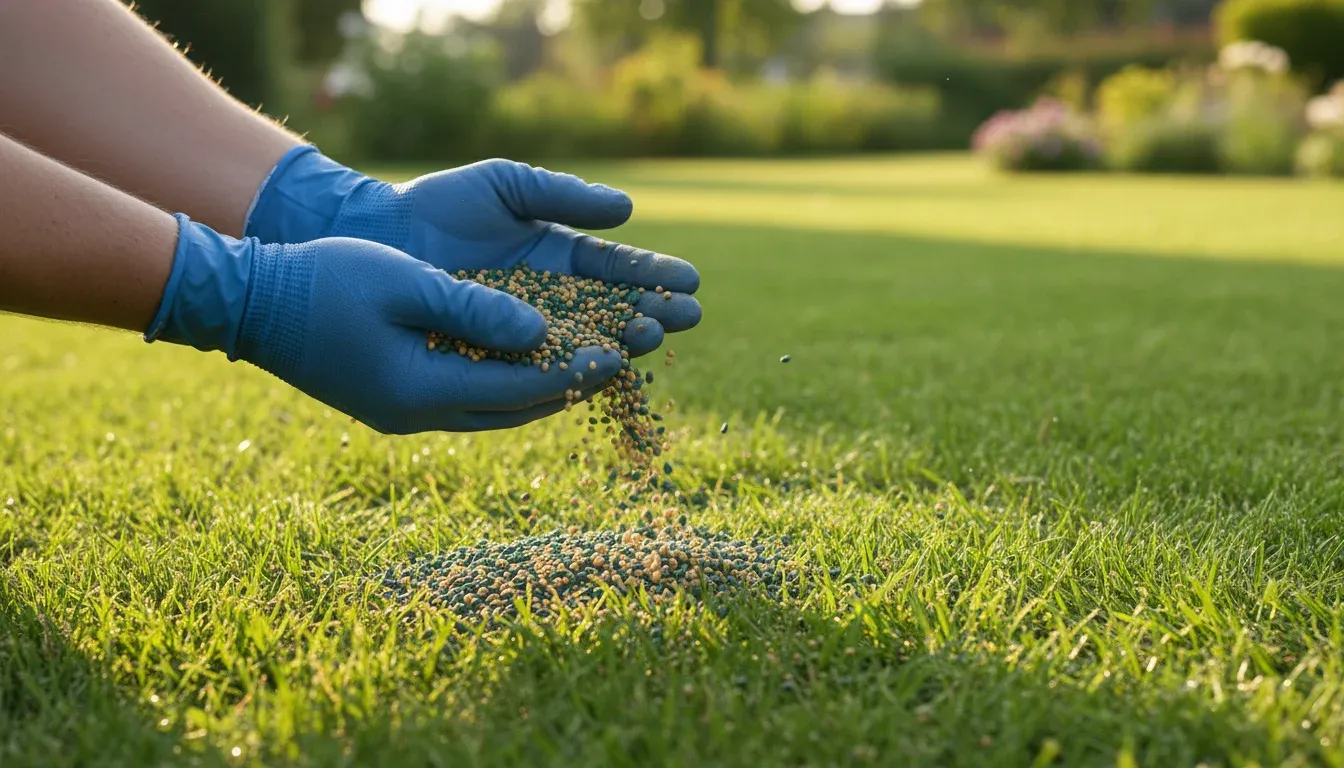
If your lawn is thin, compacted, or struggling, mushrooms will move in. Aerate to open up the soil, then overseed with a grass variety suited to your climate. Thick, healthy turf shades out mushrooms and competes for resources.
Do this in early fall for cool-season grasses, late spring for warm-season varieties.
13. Dig Out the Mycelium
For persistent mushroom clusters in a small area, dig down 12 inches and remove the soil entirely. You’re excavating the underground fungal network. Replace with fresh topsoil and reseed.
This is extreme and labor-intensive, but it’s the only way to physically remove the organism. Save it for spots where nothing else works.
14. Just Wait It Out
Mushrooms fruit when conditions align: usually after heavy rain, during cool weather, or in early fall. Most flushes last a week or two, then disappear on their own as the soil dries out or temperatures shift.
If the mushrooms aren’t a safety issue and don’t bother you aesthetically, leave them. They’re breaking down organic matter and feeding your soil. Once their food source is gone, so are they.
Mushrooms are a symptom, not the disease. Fix the moisture, remove the food source, and they’ll stop coming back. If you just keep plucking them without addressing the cause, you’ll be doing it every week until the mycelium runs out of fuel.
Most yard mushrooms disappear on their own within a season. The ones that don’t are telling you something about your soil conditions. Listen to them, then evict them.