Table of Contents
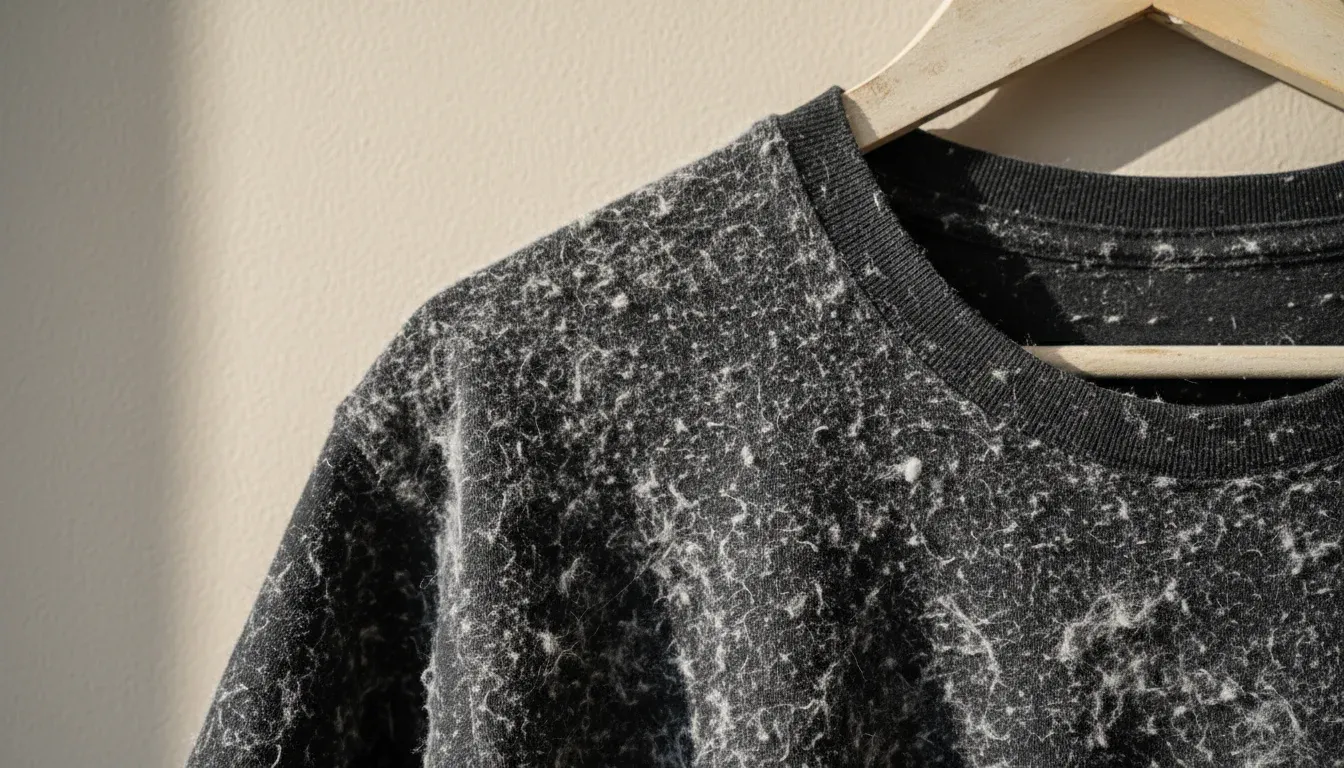
You’re about to walk out the door and notice your black shirt looks like it lost a fight with a towel. Lint happens, especially on dark fabrics, but it’s fixable in under a minute if you’ve got the right tool on hand.
Most lint comes from the dryer, but some fabrics (looking at you, fleece and velour) just attract fuzz like magnets. Here’s how to deal with it now and stop it later.
1. Lint Roller
The obvious answer because it actually works. Keep one in your closet, one in your car, and one at your desk if lint is a recurring problem. Roll in one direction (don’t go back and forth or you’ll just redistribute the fuzz), and use short, overlapping strokes.
The reusable sticky rollers work fine, but the tear-away sheet versions let you see exactly how much lint you’re removing, which is oddly satisfying.
2. Packing Tape or Duct Tape
Wrap a long piece around your hand, sticky side out, and press it onto the fabric. Peel off, rotate to a fresh section of tape, repeat. This is the go-to method when you don’t have a lint roller and need to look presentable in 30 seconds.
Duct tape works better than Scotch tape because it’s wider and stickier. Just don’t use it on delicate fabrics or you might pull fibers.
3. Damp Washcloth or Sponge
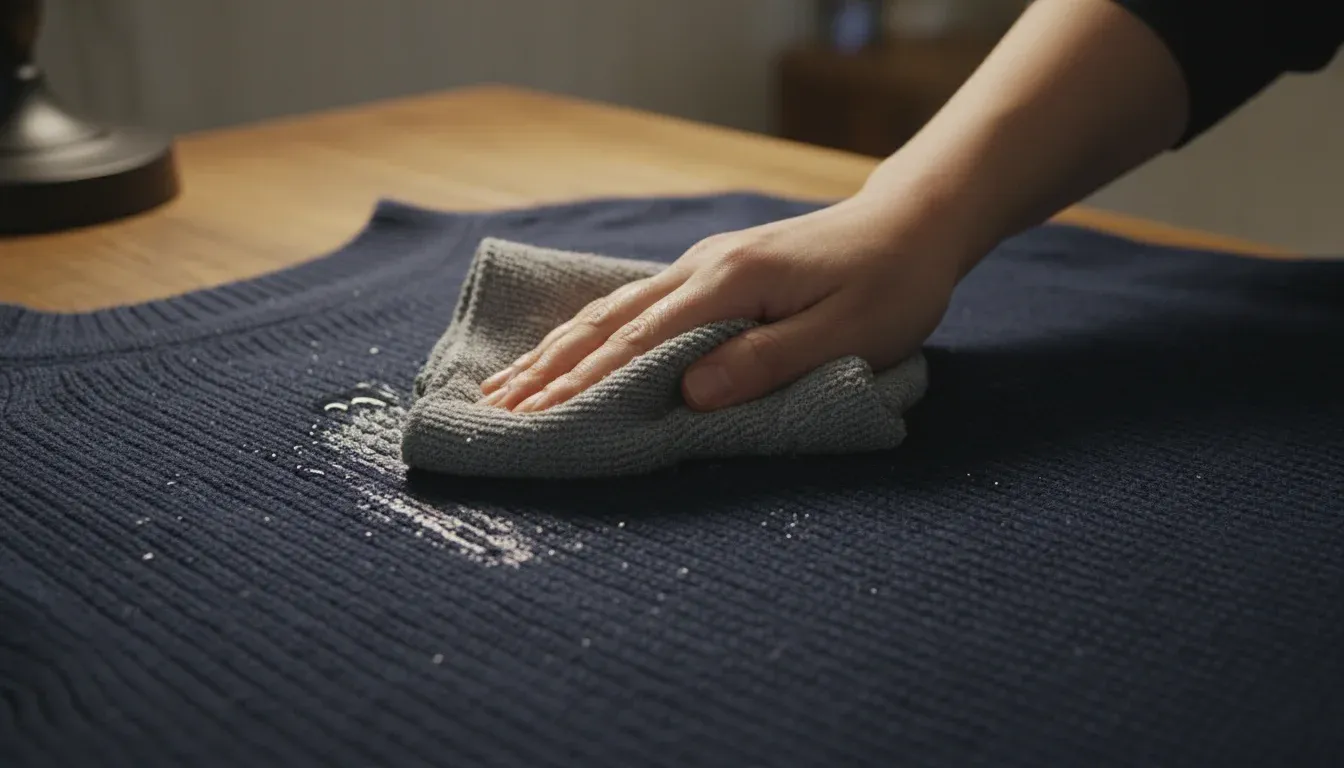
Lightly dampen a washcloth (not soaking wet, just damp enough to create friction) and wipe down the fabric in one direction. The moisture grabs the lint without leaving water marks if you keep the cloth barely damp.
This works particularly well on sweaters and knits where tape might snag the weave.
4. Rubber Glove
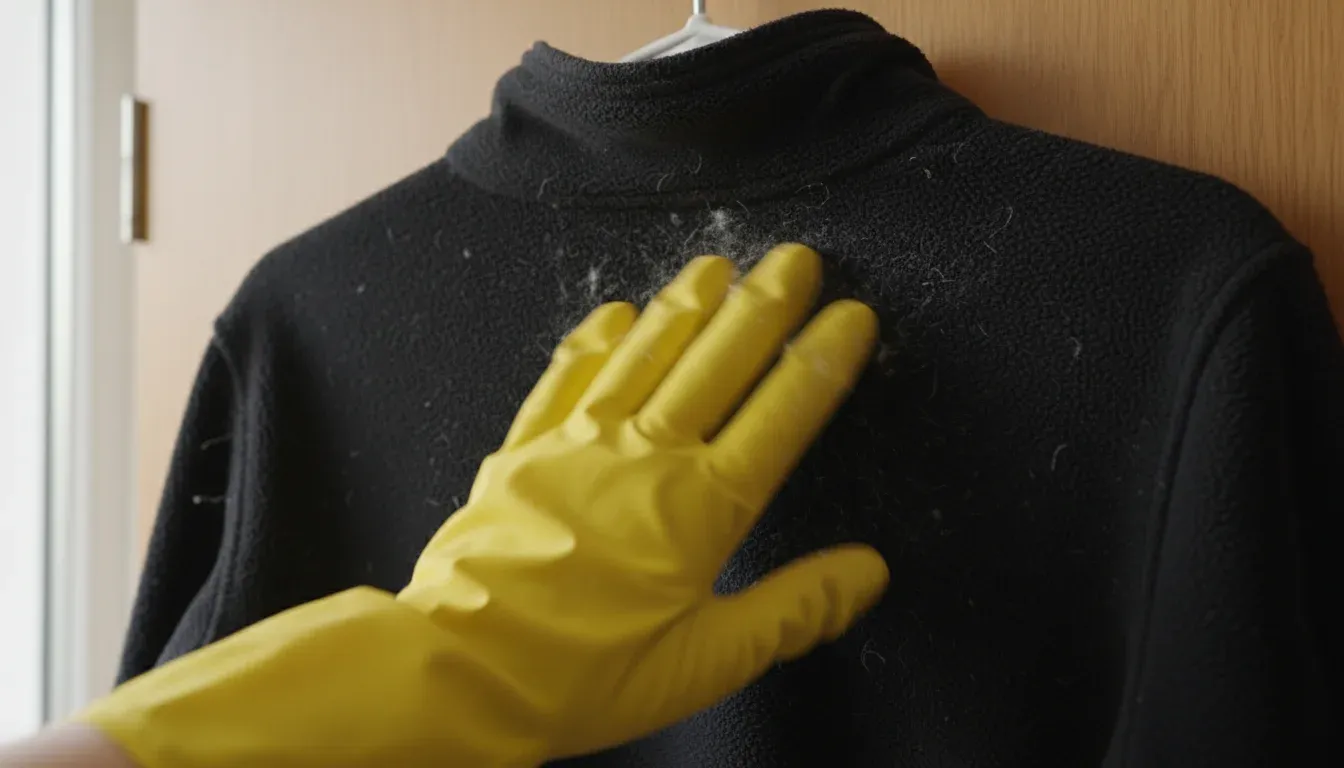
Put on a clean rubber dish glove and run your hand over the fabric. The friction between rubber and cloth lifts lint right off. You can also dampen the glove slightly for extra grip.
This method’s great for spot-cleaning because you’ve got precise control over pressure and direction.
5. Dryer Sheet (Dry)
Rub an unused dryer sheet over the fabric. The anti-static coating helps repel lint and attracts the existing fuzz to the sheet. This works best as a quick touch-up, not a deep lint removal session.
Used dryer sheets still have some coating left, so save one from your last load if you’re in a pinch.
6. Fabric Shaver or Lint Remover
For sweaters, fleece, and anything with stubborn pilling (those little fabric balls that form over time), a battery-powered fabric shaver is worth owning. It shaves off pills and embedded lint without damaging the fabric underneath.
Run it gently over the surface in small sections. Don’t press hard or you’ll create bare spots.
7. Velvet or Microfiber Cloth
Wipe down the garment with a dry velvet or microfiber cloth. Both fabrics have a texture that grabs lint effectively without leaving residue.
This is gentler than tape methods and works well on dress clothes or anything where you want to avoid potential adhesive residue.
8. Vinegar in the Wash
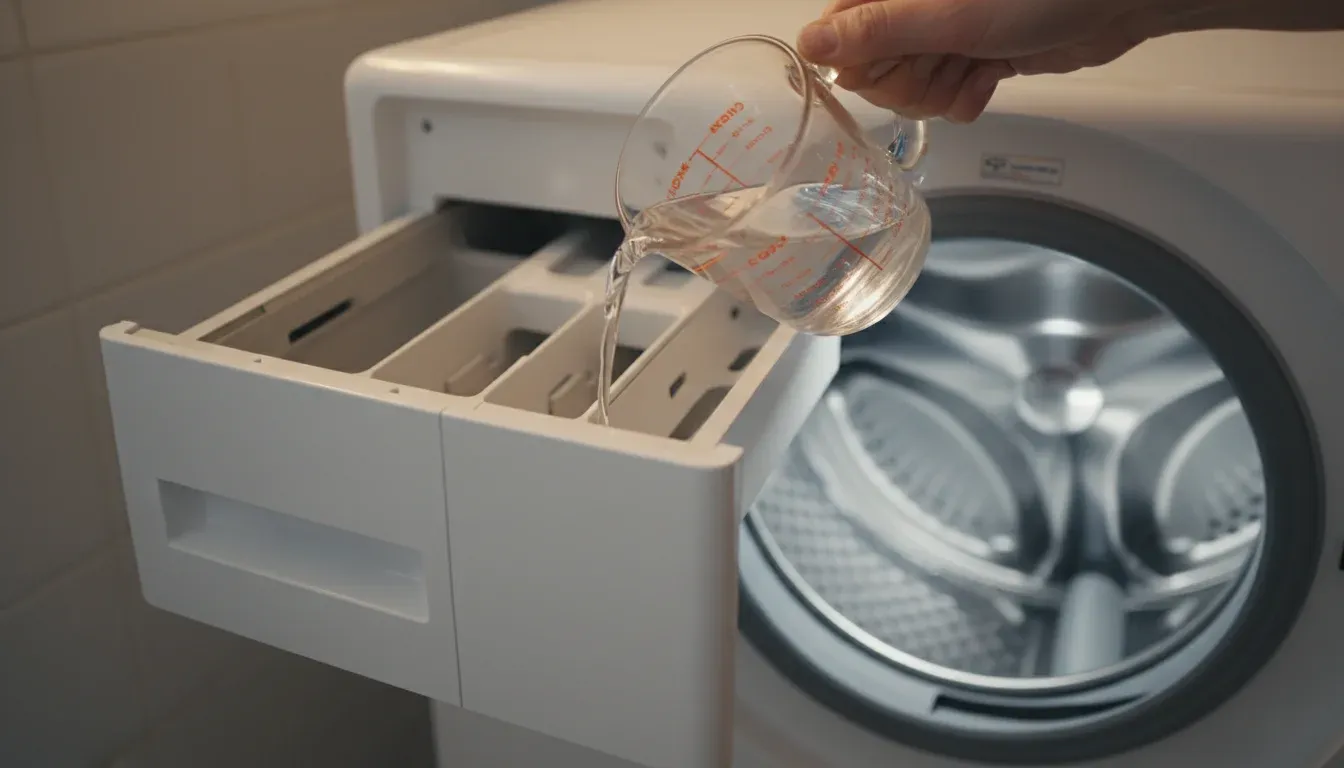
Add half a cup of white vinegar to the rinse cycle when washing lint-prone clothes. Vinegar softens fabric, reduces static, and helps loosen lint that’s clinging to fibers. Your clothes won’t smell like vinegar once they’re dry.
This is a preventive measure, not a quick fix, but it cuts down on how much lint ends up on your clothes in the first place.
9. Wash Lint Producers Separately
Towels, blankets, fleece, and anything fuzzy should be washed separately from your regular clothes. Lint sheds during the wash cycle, and once it transfers to other fabrics, you’re stuck dealing with it later.
If you must wash them together, at least turn lint-attracting items (like dark jeans or dress shirts) inside out to minimize how much fuzz sticks to the visible side.
10. Clean Your Dryer Lint Trap Every Single Load
The lint trap isn’t just a fire hazard when it’s full – a clogged filter recirculates lint back onto your clothes during the dry cycle. Pull the screen, scrape off the fuzz, and put it back before you start the dryer.
Once a month, wash the lint screen with warm soapy water to remove fabric softener residue that can clog the mesh and reduce airflow.
11. Air Dry Delicate or Lint-Prone Fabrics
Skip the dryer entirely for items that attract lint easily (dark dress shirts, wool sweaters, rayon). Hang them to dry or lay them flat. The dryer’s tumbling action is where most lint transfer happens, so removing that step eliminates the problem.
You’ll also extend the life of delicate fabrics, so it’s a double win.
12. Use Dryer Balls Instead of Dryer Sheets
Wool dryer balls reduce static without coating your clothes in fabric softener residue, which can actually attract more lint over time. They also help separate clothes during the drying cycle so lint doesn’t get pressed into fabric.
Toss in three or four balls per load for best results.
Lint’s annoying, but it’s fixable in under a minute with the right approach. Keep a lint roller or tape on hand for emergencies, and adjust your laundry routine to stop it from happening in the first place. Your dark clothes will thank you.