Table of Contents
Most people searching how to get rid of parasites are dealing with pinworms or giardia, not exotic tropical infections. The distinction matters because the treatment is completely different depending on which parasite you have – and because one of them (pinworms, the most common intestinal parasite in developed countries) has an effective OTC treatment that doesn’t require a doctor visit. The other major intestinal parasites need a stool test and a prescription. But here’s the thing most treatment guides skip: medication alone often fails because of reinfection. You clear the infection, then pick up eggs from a surface or household member and start over. Getting rid of parasites for good means treating the infection, breaking the reinfection cycle, and treating the whole household simultaneously.
1. Antiparasitic medication
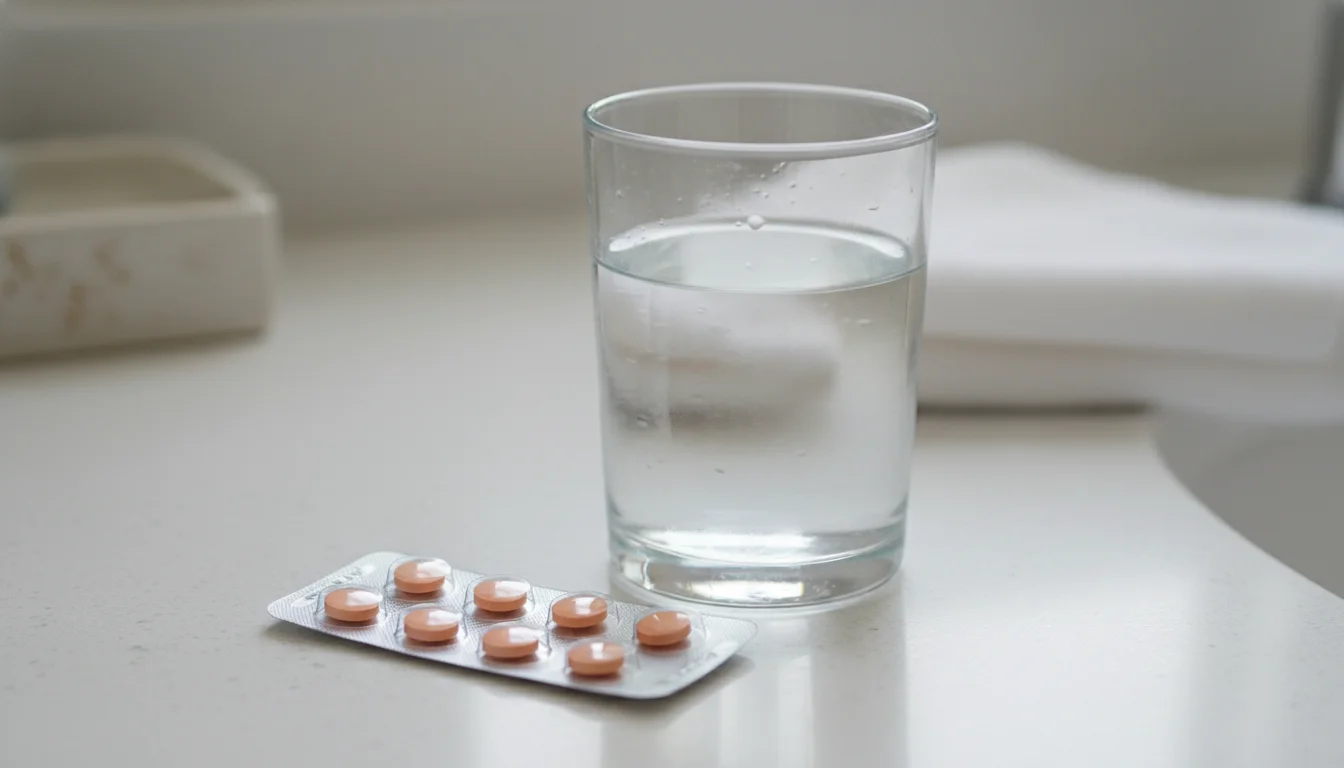
For pinworms, OTC pyrantel pamoate (sold as Pin-X or Reese’s Pinworm Medicine) is the first-line treatment and it’s available without a prescription. Take a single dose based on body weight, then repeat the exact same dose at exactly 2 weeks. The second dose is not optional – pinworm eggs hatch on a roughly 2-week cycle, and the first dose only kills worms that are currently alive. Any eggs that hatched after the first dose need to be caught by the second. Skip the repeat and you’ll likely see symptoms return.
All household members should take both doses on the same schedule, not just the person with symptoms (more on this in method 4).
For every other intestinal parasite – roundworm, hookworm, giardia, tapeworm, strongyloides – you need a confirmed diagnosis before treating. The medications differ by parasite type, and guessing wrong wastes time while the infection continues:
- Roundworm, hookworm, whipworm: mebendazole (Vermox, prescription) for 3 days, or albendazole as a single dose for some species
- Giardia: metronidazole (Flagyl) for 5-7 days, or tinidazole as a single dose
- Tapeworm: praziquantel (prescription, dose depends on species)
A GP or urgent care can order a stool test (ova and parasites test) – results usually take 2-3 days. Some parasites shed intermittently so a single negative test doesn’t rule out infection if symptoms persist; a second test 1-2 weeks later is sometimes needed.
Mebendazole causes temporary abdominal cramping as worms die – that’s the drug working, not a side effect to worry about. Metronidazole causes a strong metallic taste and cannot be combined with alcohol for the duration of the course plus 48 hours after the last dose.
2. Hygiene protocol to break reinfection
Medication kills the current infection. Hygiene breaks the reinfection cycle. With pinworms especially, medication alone often fails because eggs survive for up to 2-3 weeks on surfaces, fabric, and under fingernails – you can reinfect yourself before the treatment has fully cleared. This isn’t a sign the medication isn’t working; it’s a logistics problem.
The core protocol:
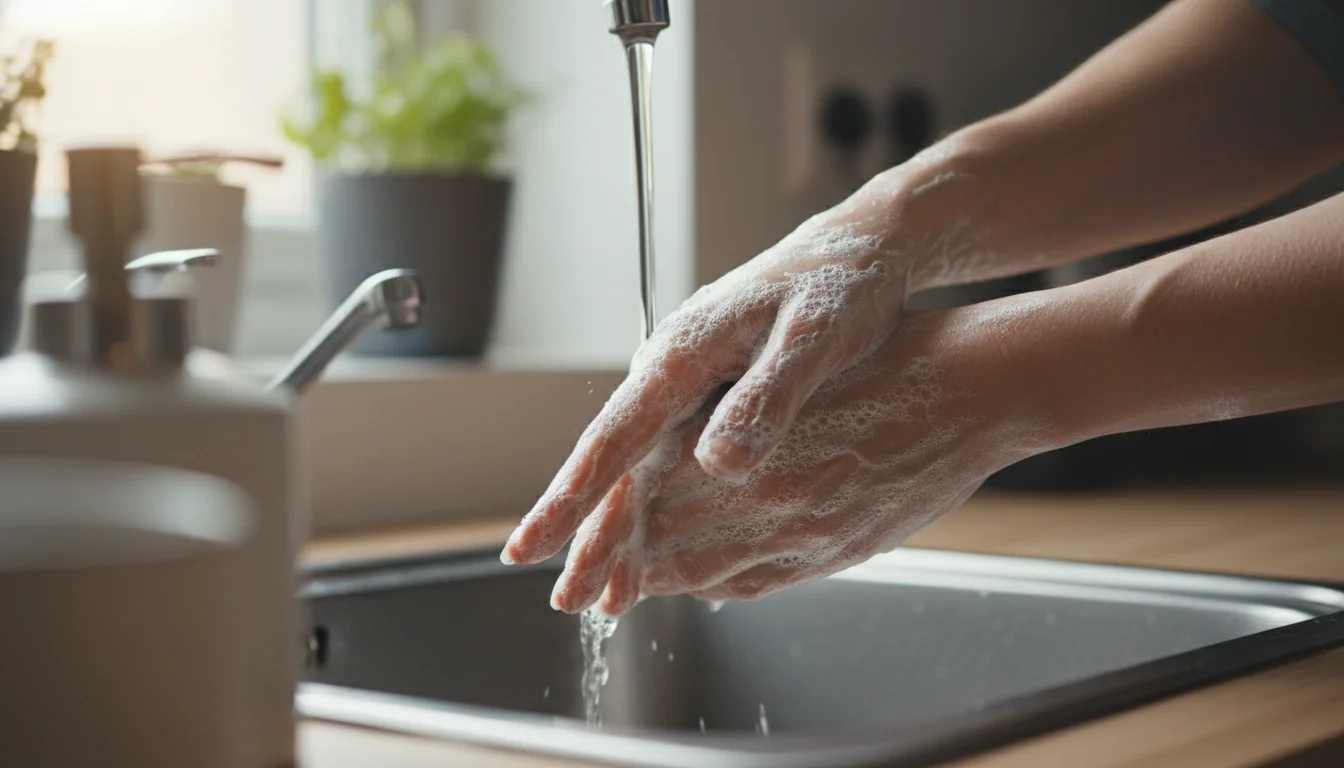
Handwashing: Soap, minimum 20 seconds, before every meal and after every toilet visit. This isn’t general hygiene advice – it’s the primary transmission break. Scrub under the fingernails with a nail brush each time, not just on the palms and back of the hand.
Fingernails: Keep them cut short – short enough that eggs can’t accumulate under the tip. Long nails are the most common vector for hand-to-mouth reinfection.
Morning shower: Female pinworms emerge at night to deposit eggs around the perianal area – this is what causes the intense nighttime itching. Showering first thing in the morning removes those eggs before you transfer them to surfaces, clothing, or by scratching.
At night: Wear close-fitting underwear to bed. It limits egg dispersal into the environment and creates a physical barrier against the reflex scratching that causes most autoinfection.
Avoid touching your face: Especially in the weeks following treatment. The hand-to-mouth route is how most pinworm reinfection happens.
For giardia and other fecal-oral parasites, the handwashing principle applies equally. Additional giardia-specific precaution: don’t drink untreated water from natural sources – giardia cysts survive in cold, clear mountain streams and are not removed by conventional filtration without boiling or chemical treatment.
3. Wash bedding and clothing in hot water
Pinworm eggs survive for weeks on fabric. On the same day you take the first medication dose, strip and wash all bedding, pajamas, and underwear used by the affected person. Hot water at minimum 60°C (140°F) with a full dryer cycle on high heat kills eggs at every life stage. Don’t just change the sheets – wash them. Freshly washed bedding that’s been sitting in a laundry basket for two days can reintroduce eggs.
What to wash: bed sheets, pillowcases, pajamas, underwear, towels, and any soft toys that the person sleeps with or handles frequently. For items that can’t be machine washed, sealing them in a plastic bag for 2-3 weeks is effective – eggs don’t survive without a host beyond that window.
Repeat the wash on the day of the second medication dose (2 weeks later) using the same protocol. This coordinates with the simultaneous household treatment in method 4 so everything is cleaned at the same time everyone takes their dose.
Don’t shake bedding before washing – shaking disperses eggs into the air where they can settle on other surfaces. Roll it up and go directly to the machine.
4. Treat all household members simultaneously
Treating only the symptomatic person almost always fails with pinworms. The parasite spreads through shared surfaces, toilet seats, doorknobs, and kitchen contact – and eggs are lightweight enough to become airborne when bedding is disturbed. In a household setting, silent transmission between family members is the norm. If one person has pinworms, others are almost certainly carrying them asymptomatically.
The protocol: everyone in the household takes pyrantel pamoate on the same day, regardless of symptoms. Repeat the whole-household dose at 2 weeks. Coordinate this with the bedding wash from method 3 – all on the same day, so the whole household starts clean together.
Exceptions and adjustments:
- Children under 2 years: consult a doctor before using pyrantel pamoate
- Pregnancy: pyrantel pamoate is generally considered low-risk in pregnancy but discuss with a doctor first
- If some household members have already been treated but others haven’t, don’t restart the clock on those who already took their doses – just make sure everyone completes the full 2-dose course on a synchronized schedule
For giardia, simultaneous household treatment is less standard unless other members are also symptomatic. Giardia typically doesn’t spread as readily within households as pinworms do, and it requires a stool test for diagnosis – don’t treat household contacts prophylactically unless a GP recommends it.
5. Antiparasitic foods (supportive, not curative)
Several foods have genuine (if weak) antiparasitic evidence and are worth using as adjuncts to medication. They are not a substitute for treatment. The cleanse supplement industry has latched onto this space with black walnut hull, wormwood, and clove combinations – none of those have meaningful clinical evidence. These three do:
Pumpkin seeds: Contain cucurbitacin, a compound that paralyzes worm neuromuscular junctions. The traditional protocol is 50-75g (2-3 oz) of raw pumpkin seeds on an empty stomach, followed by a mild laxative 3 hours later to help expel the paralyzed worms. Small studies show modest benefit against roundworm and tapeworm. Safe alongside medication.
Raw garlic: Crushing and eating 2-3 cloves of raw garlic releases allicin, which has demonstrated antiparasitic activity against giardia and some helminths in lab settings. Cooking destroys most of the allicin. The evidence in humans is limited, but garlic has broad antimicrobial properties and zero downside beyond the smell.
Papaya seeds: Contain benzyl isothiocyanate and carpaine. A 2007 study found air-dried papaya seed extract mixed with honey cleared intestinal parasites in 76.7% of children versus 16.7% in the honey-only control group. The study had methodology limitations, but it’s one of the stronger small trials in this space.
Treat these as complements to the medication protocol, not replacements. If you’ve confirmed an infection, start medication first. Add dietary supports if you want an additional angle, but don’t delay diagnosis while experimenting with food-based approaches.
When to see a doctor
Home treatment is appropriate for suspected pinworm only. See a doctor if:
- You’re treating for pinworm but symptoms haven’t cleared after completing both doses and the 2-week hygiene protocol
- You have symptoms suggesting anything other than pinworm: watery or greasy diarrhea (giardia), blood in stool, unexplained weight loss, significant abdominal pain
- The affected person is under 2 years old or pregnant
- You’re immunocompromised – parasitic infections can behave differently and treatment needs medical supervision
- You or a household member has recently returned from travel to a region with higher parasite prevalence
Any persistent symptoms after treatment warrant a stool test (ova and parasites, sometimes called an O&P). Don’t assume a second round of OTC medication is the right move without confirming what you’re treating.
FAQ
How do you get rid of parasites naturally?
The most evidence-backed natural options: pumpkin seeds (50-75g raw, on empty stomach – cucurbitacin compound paralyzes worm muscles), raw crushed garlic (2-3 cloves daily, allicin has antiparasitic activity against giardia), and papaya seeds. A 2007 study found papaya seed extract cleared intestinal parasites in 76.7% of children vs 16.7% for the control group. All three are supportive measures, not primary treatments – they work best alongside confirmed antiparasitic medication. Cleanse supplements (black walnut, wormwood, clove combinations) have no meaningful clinical evidence and shouldn’t replace medical treatment.
What are the symptoms of having a parasite?
Depends on the type. Pinworms: intense perianal itching, especially at night; occasionally visible tiny white worms. Giardia: watery or greasy diarrhea, bloating, gas, nausea, fatigue – symptoms appear 1-3 weeks after exposure. Roundworm and hookworm: abdominal pain, nausea, weight loss; hookworm causes iron deficiency from blood loss. Important: many infections are asymptomatic. Household contacts of someone with pinworms are often carrying them without knowing – which is why treating everyone simultaneously is standard practice.
What can I drink to kill parasites?
Nothing you drink will reliably kill an established intestinal parasite infection on its own. Garlic water and pumpkin seed preparations have weak antiparasitic evidence as supportive measures during medication treatment. The effective route is antiparasitic medication: pyrantel pamoate OTC for pinworms, prescription mebendazole or metronidazole for other parasites. For giardia, hydration matters because diarrhea causes significant fluid loss – but water doesn’t kill the parasite. Staying hydrated keeps you functional while the medication works.
How long does it take to get rid of parasites?
Pinworms with pyrantel pamoate: worms die within 24-48 hours of the first dose, but full clearance including the repeat dose takes about 3 weeks. Helminths (roundworm, hookworm) with mebendazole: 3-day course, full clearance 1-2 weeks after. Giardia with metronidazole: symptoms typically improve within 3 days of starting the 5-7 day course. Reinfection is the most common reason treatment seems to take longer than expected – if symptoms recur after completing treatment, that’s usually a hygiene or household transmission problem, not treatment failure.