Table of Contents
Indigestion (dyspepsia) is the umbrella term for upper abdominal discomfort after eating – bloating, fullness, nausea, burning. Acid reflux is one type; not all indigestion is acid-driven. That distinction matters because some remedies (peppermint) help one and worsen the other. The methods below split into two groups: immediate relief for episodes already underway, and behavioral changes that reduce how often they happen.
1. Antacids
The fastest OTC option. Tums, Rolaids, Maalox, Mylanta – they all neutralize stomach acid on contact and start working within minutes. Chew or swallow with water as the label directs.
Not all antacids do the same job. Calcium carbonate versions (Tums) work fastest for acid. If gas and bloating are your main complaint, look for simethicone-combination products – Maalox Plus, Gas-X with Maalox, or plain Gas-X. Simethicone breaks up gas bubbles and works for a different mechanism than acid neutralization. Liquid antacids coat the esophagus more thoroughly than tablets; tablets are more portable.
They don’t prevent future episodes or fix anything structural. They put out the fire that’s already burning. If you’re reaching for them more than twice a week, that frequency warrants a longer-term approach. And don’t take antacids within 2 hours of other medications – they interfere with absorption of antibiotics, thyroid drugs, and iron supplements, among others.
2. H2 Blockers
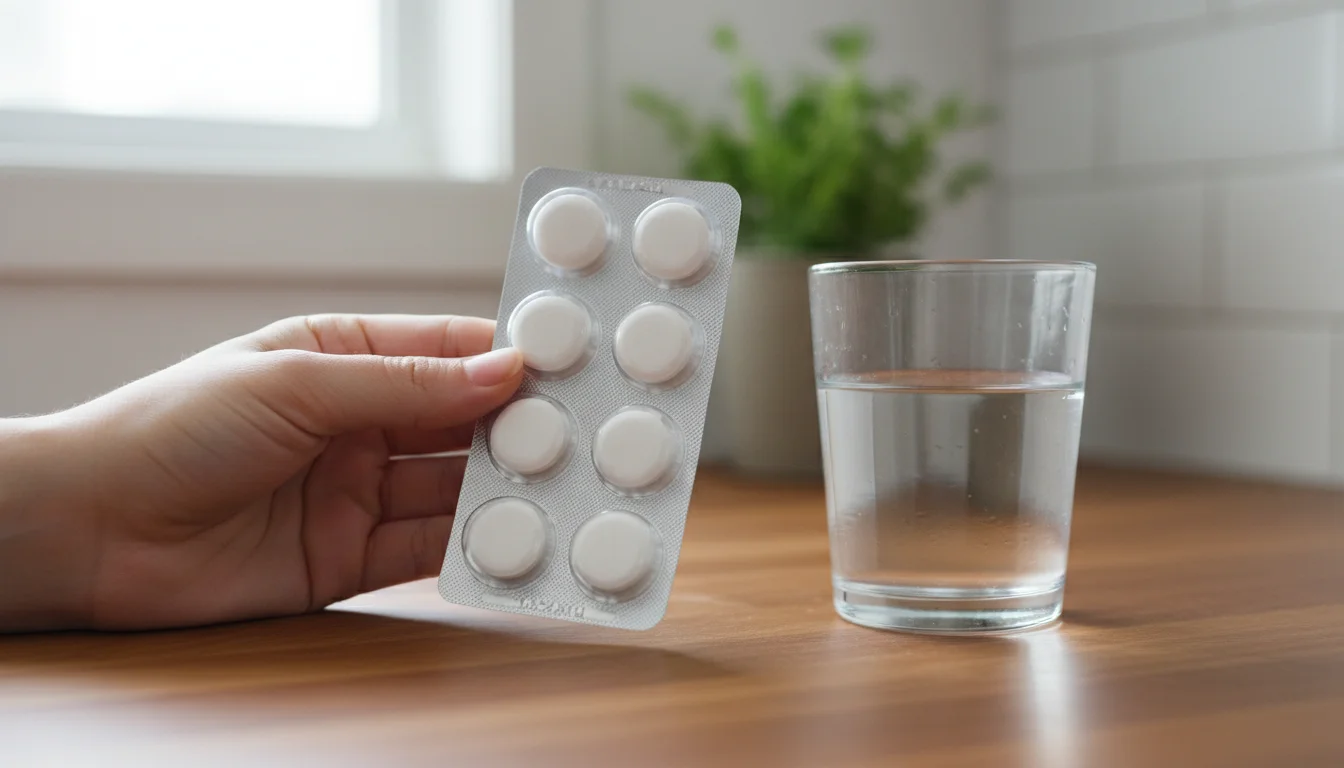
The step up from antacids. H2 blockers – famotidine (Pepcid), cimetidine (Tagamet) – reduce the amount of acid your stomach produces by blocking histamine receptors in the stomach lining. They don’t work as fast as antacids (onset is 1-2 hours rather than minutes), but they last 8-12 hours instead of 30-60 minutes.
That timing profile makes them useful in two specific ways: take one 30-60 minutes before a meal you know will trigger symptoms, and you blunt the acid response before it starts. Or take one before bed to cut overnight acid production, which matters because lying flat while sleeping lets acid pool against the lower esophageal sphincter.
Famotidine 20mg is available OTC. It’s the right starting point for people whose symptoms are frequent enough that antacids aren’t keeping up, but not so severe that they need daily PPI therapy. If antacids are your current approach and they’re not cutting it, H2 blockers are the obvious next step.
3. Don’t Lie Down After Eating
Gravity keeps stomach acid where it belongs. Lie down and acid pools against the lower esophageal sphincter, which is why indigestion reliably worsens after eating and lying on the couch or going to bed.
Stay upright for at least 3 hours after eating. Dinner at 7pm means no lying down before 10pm. This isn’t just about bedtime – post-lunch naps and reclining on the couch after dinner both count. Sitting upright, standing, and gentle walking all work. Slouching in a chair is better than lying flat but worse than proper upright posture.
For people whose indigestion is worst at night, elevating the head of the bed by 6-8 inches (15-20 cm) using a wedge pillow provides gravitational assistance even while asleep. Stacking regular pillows doesn’t work as well – they compress and shift overnight. A dedicated wedge pillow maintains the angle consistently.
This single habit eliminates nighttime indigestion for a lot of people without any cost or medication. The mechanism is entirely mechanical.
4. Eat Smaller Meals
A full stomach does two things that cause indigestion: it pushes acid upward against the lower esophageal sphincter, and it creates the stretched, uncomfortable fullness sensation itself. Smaller meals reduce both.
Aim for 4-5 meals of roughly 300-500 calories each rather than three large ones. Stop eating before you feel stuffed – that sense of being just slightly full, not full-full. Eating speed matters too: your brain takes about 20 minutes to register that you’re full. Eat fast and you overshoot the threshold before the signal arrives.
This is prevention, not treatment. It won’t help mid-episode, but people who switch from three large meals to smaller, more frequent eating often see a significant drop in how often indigestion happens.
5. Track and Eliminate Trigger Foods
Indigestion triggers vary between people, but the most common culprits are: fatty and fried foods, tomatoes and tomato products, citrus, chocolate, coffee, alcohol, onions, and mint. The only way to find your specific triggers is to track them. Write down what you eat and when symptoms start. The pattern typically becomes clear within 1-2 weeks.
Once you’ve identified your triggers, cut them – not "reduce" them. Remove them entirely for 2-3 weeks, see if symptoms improve, then reintroduce one at a time to establish your actual threshold. Partial reduction rarely works well enough to be worth the effort.
Eating speed and context also trigger indigestion for some people independently of what they eat. Eating while stressed, eating quickly, and eating while distracted (at a desk, watching TV) all reduce chewing thoroughness and digestive preparedness. If your indigestion seems to happen regardless of what you eat, it’s worth tracking the context alongside the food.
Note that mint is on the common trigger list. This matters for the peppermint method below: peppermint is useful for gas and bloating but specifically worsens acid-component indigestion, so if mint is already one of your triggers, skip that section entirely.
6. Ginger Tea
Ginger has legitimate anti-nausea and anti-inflammatory effects on the digestive tract – the gingerol compounds are doing real work, not placebo.
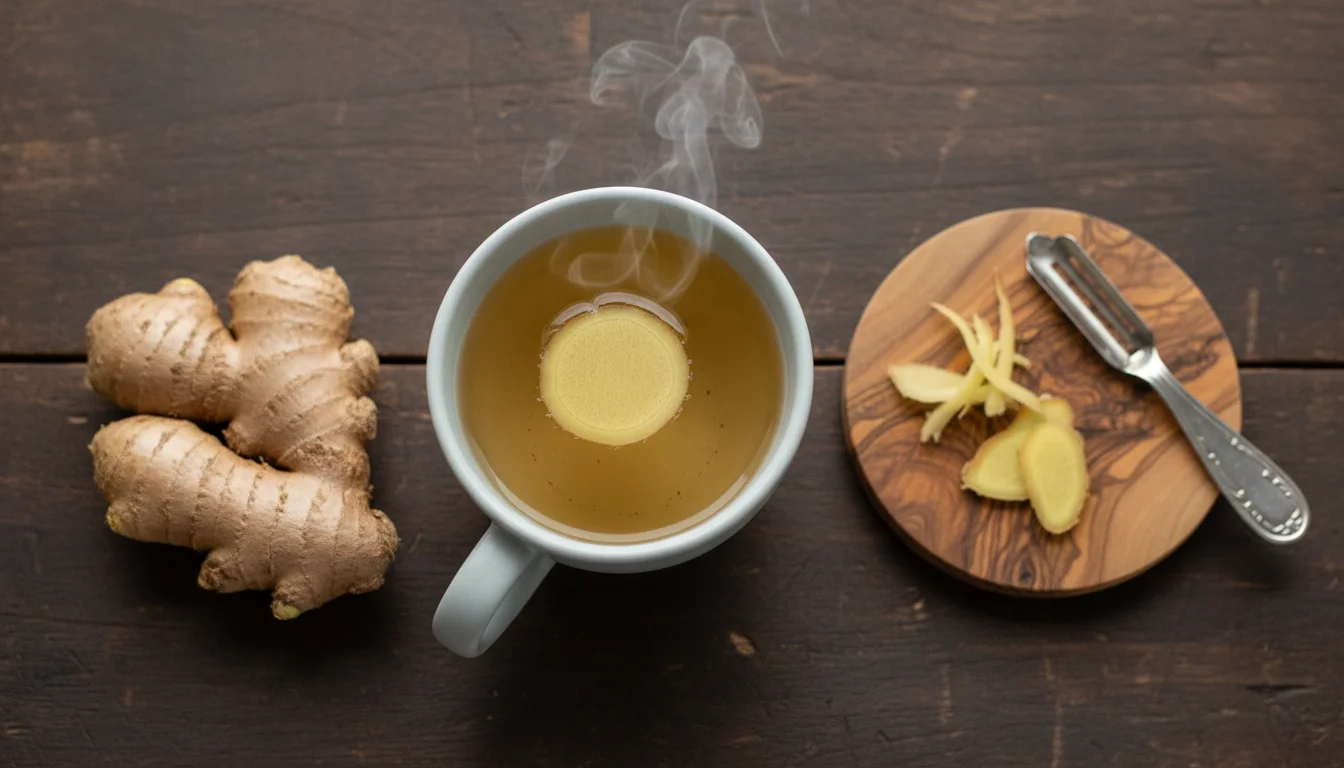
Slice a thumbnail-sized piece of fresh ginger and steep it in boiling water for 5 minutes. Sip slowly rather than drinking fast – the slower intake coats the stomach lining more effectively. Ginger ale doesn’t count unless it actually contains ginger. Check the ingredient list: if high fructose corn syrup appears before ginger, it’s sugar water with ginger flavoring.
Works best for the nausea and stomach discomfort components of indigestion rather than the acid component specifically.
7. Chamomile Tea
Chamomile reduces digestive inflammation and relaxes stomach muscles. It’s gentler than ginger and takes longer to work, but it’s particularly effective for stress-related indigestion – when the gut is reacting to anxiety or tension rather than a specific food.
Steep a chamomile tea bag for 5 minutes in hot water. Add honey if you want, but skip milk – dairy tends to worsen stomach discomfort. If your indigestion tends to flare up during stressful periods or before tense events rather than after specific meals, chamomile is worth trying over ginger.
8. Peppermint
Peppermint relaxes the muscles in your intestinal walls, which makes it useful for gas, bloating, and cramping – but this creates a specific problem for acid-component indigestion. Peppermint also relaxes the lower esophageal sphincter, which is the valve between your stomach and esophagus. For pure gas/bloating, that’s fine. For anyone whose indigestion involves acid reflux, peppermint can let acid creep up and make things worse.
If your indigestion is primarily gas and bloating with no acid or heartburn component: brew peppermint tea, or add 2-3 drops of food-grade peppermint oil to warm water. Drink between meals rather than during or immediately after eating. Don’t take it on a full stomach.
If acid or heartburn is part of your picture: skip this one and use simethicone (Gas-X) for the gas component instead.
9. Baking Soda Water
The emergency fallback when you don’t have antacids. Baking soda is sodium bicarbonate – the same active base that’s in many antacids – so it neutralizes stomach acid the same way.
Mix 1/2 teaspoon into 4 oz (120 ml) of water and drink it. It tastes bad. It works within minutes.
Don’t make this a regular thing. Baking soda is high in sodium, and repeated use disrupts your body’s acid-base balance. Maximum 3 doses in a 24-hour period. Anyone on a low-sodium diet should avoid it. If you’re using this more than occasionally, buy actual antacids – they’re inexpensive, have better safety profiles for repeated use, and taste less unpleasant.
When to See a Doctor
Most indigestion is manageable at home. Get medical attention if:
- Chest pain accompanies the indigestion – chest pain can be cardiac rather than digestive, and distinguishing them at home isn’t reliable
- Symptoms have persisted for more than 2 weeks without improving
- Indigestion with unexplained weight loss
- Difficulty swallowing (food sticking on the way down)
- Vomiting blood, or stools that are black and tarry
- You’re over 55 with new indigestion symptoms that didn’t exist before
- Symptoms are not responding to antacids or H2 blockers after consistent use
Persistent indigestion sometimes signals conditions including gastritis, peptic ulcer, or, rarely, stomach cancer – all of which need proper diagnosis and treatment that home remedies won’t address.
FAQ
How do you get rid of indigestion fast?
Antacids (Tums, Rolaids) neutralize acid within minutes and are the fastest option. Calcium carbonate versions work fastest. If gas is the main issue rather than acid, simethicone (Gas-X) breaks up gas bubbles and works quickly. For acid-driven symptoms that antacids don’t fully control, H2 blockers (famotidine 20mg/Pepcid) reduce acid production within 1-2 hours and last 8-12 hours. In a pinch with no antacids available: 1/2 teaspoon of baking soda in 4 oz (120 ml) of water works the same way. None of these cure anything – they treat the current episode.
How do you relieve trapped indigestion or gas?
Simethicone (Gas-X, or combination antacids containing simethicone) breaks up gas bubbles directly and is the most targeted OTC treatment. A short walk after eating helps gas move through faster. Peppermint tea relaxes the intestinal muscles that trap gas – useful for the gas component, but skip it if acid reflux is also present, since peppermint relaxes the sphincter that keeps acid down. Lying on your left side can help: stomach anatomy means right-side lying keeps food against the pyloric valve, while left-side lying allows easier gastric emptying.
Does drinking water help indigestion?
Small sips can help – they dilute stomach acid and support faster stomach emptying. Large amounts at once stretch the stomach and can worsen symptoms, so sip rather than chug. Carbonated water adds gas and typically makes indigestion worse; stick to still water. Room-temperature water is better tolerated than cold if nausea is part of the picture. Herbal teas (ginger, chamomile) count toward fluid intake and add their own active benefits – they’re a reasonable replacement for plain water when indigestion is active.
How long does indigestion last?
Indigestion from a meal usually resolves within 2-4 hours if you stay upright and don’t eat more. With antacids, symptoms often ease in 20-30 minutes. Indigestion that persists beyond a few hours, or that recurs more than twice a week, isn’t an occasional one-off and warrants H2 blockers or a doctor visit. Any indigestion lasting more than 2 weeks, or accompanied by weight loss, difficulty swallowing, or vomiting, needs medical evaluation. Occasional indigestion that clears after treatment and doesn’t recur is rarely a sign of anything serious – it’s usually just a reaction to a particular meal, eating too fast, or stress.