Table of Contents
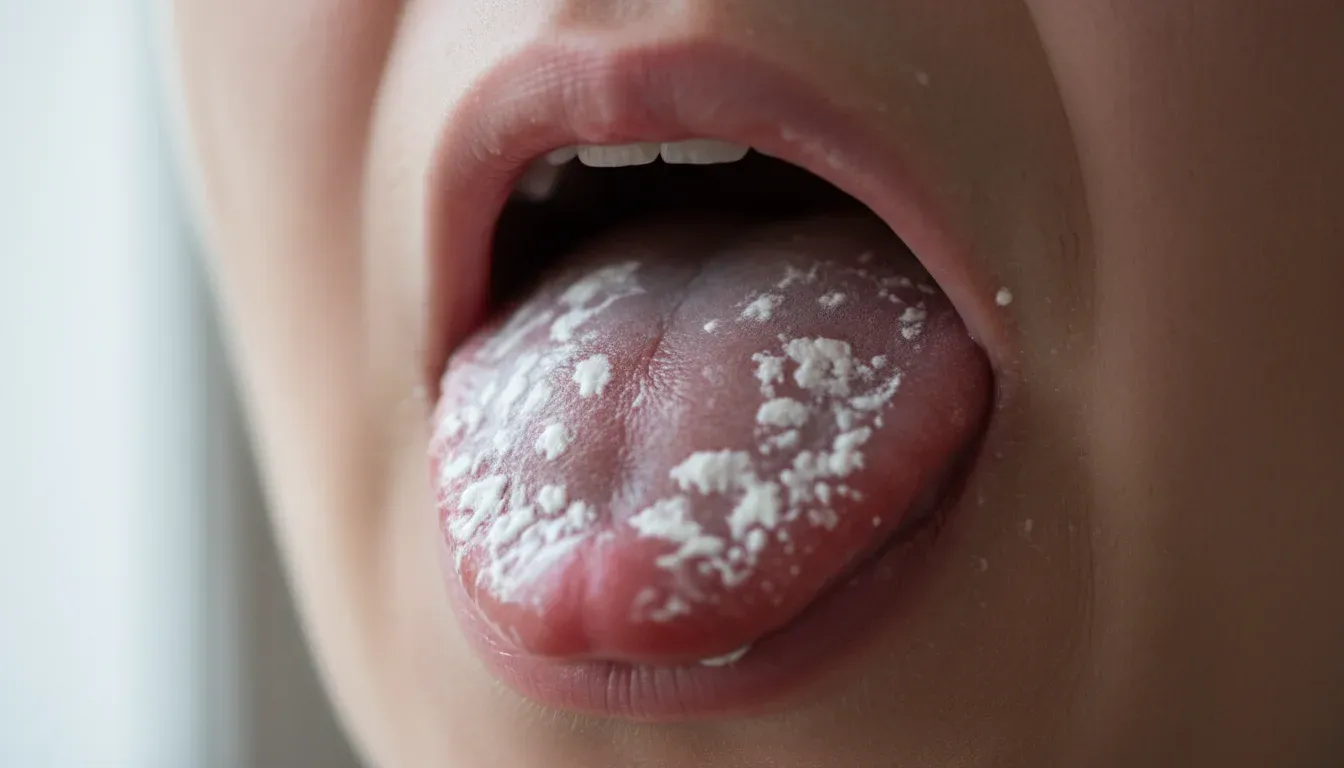
Oral thrush (those white patches and red sores in your mouth) is a Candida fungus overgrowth. It’s more common in babies, older adults, and anyone with a weakened immune system, but anyone can get it.
The sores hurt. Eating becomes annoying. And yeah, you probably need to see a doctor for antifungal medication if it’s bad. But while you’re dealing with it (or waiting for an appointment), here’s what helps.
1. Salt Water Rinses
Dissolve 1/2 teaspoon salt in 1 cup warm water. Swish for 30 seconds, spit it out. Do this after meals and before bed.
Salt doesn’t cure thrush, but it cleans the area and reduces discomfort. The white patches won’t vanish overnight, but your mouth will feel less raw.

2. Stop Irritating It
Hot foods, spicy foods, citrus, alcohol – they all make the sores burn more. Stick to soft, bland foods (yogurt, mashed potatoes, scrambled eggs) until it clears.
Also stop smoking if you smoke. Thrush loves dry mouths, and smoking dries you out.
3. Sterilize Anything That Touches Your Mouth
Toothbrush, retainer, dentures, baby bottles, pacifiers – they’re all reinfection risks. Boil what you can boil. Replace what you can’t.
For dentures, soak them in a denture-cleaning solution overnight. For toothbrushes, either replace them or soak in hydrogen peroxide for 15 minutes, then rinse thoroughly.
4. Keep Your Blood Sugar Stable
High blood sugar feeds yeast. If you’re diabetic or prediabetic, thrush will keep coming back until you get your glucose under control. Not fun advice, but it’s the truth.
5. Probiotics Might Help
Eat plain yogurt with live cultures or take a probiotic supplement. The good bacteria compete with Candida. This isn’t a cure, but some people notice fewer recurrences.
Look for products with Lactobacillus acidophilus specifically.
6. See a Doctor If It’s Not Improving
Over-the-counter stuff won’t cut it for most thrush cases. You’ll likely need prescription antifungal lozenges, tablets, or rinses (fluconazole, nystatin, clotrimazole).
Go sooner if you’re immunocompromised, if the thrush spreads down your throat, or if you can’t eat because of the pain.
Thrush isn’t dangerous for most people, but it’s persistent and uncomfortable. The faster you treat it properly, the faster it’s gone.