Table of Contents
You can’t spot-reduce fat. Anyone who tells you otherwise is selling something. Back fat comes off when your overall body fat percentage drops, and that means two things: building muscle in your back and shoulders to change how that area looks, and doing cardio to burn calories.
1. Resistance training for your back
Rows, pull-ups, lat pulldowns. These target the muscles under the fat, so when the fat does come off, you’ve got definition instead of just a smaller version of the same shape. Three times a week, 3-4 sets of 8-12 reps per exercise.
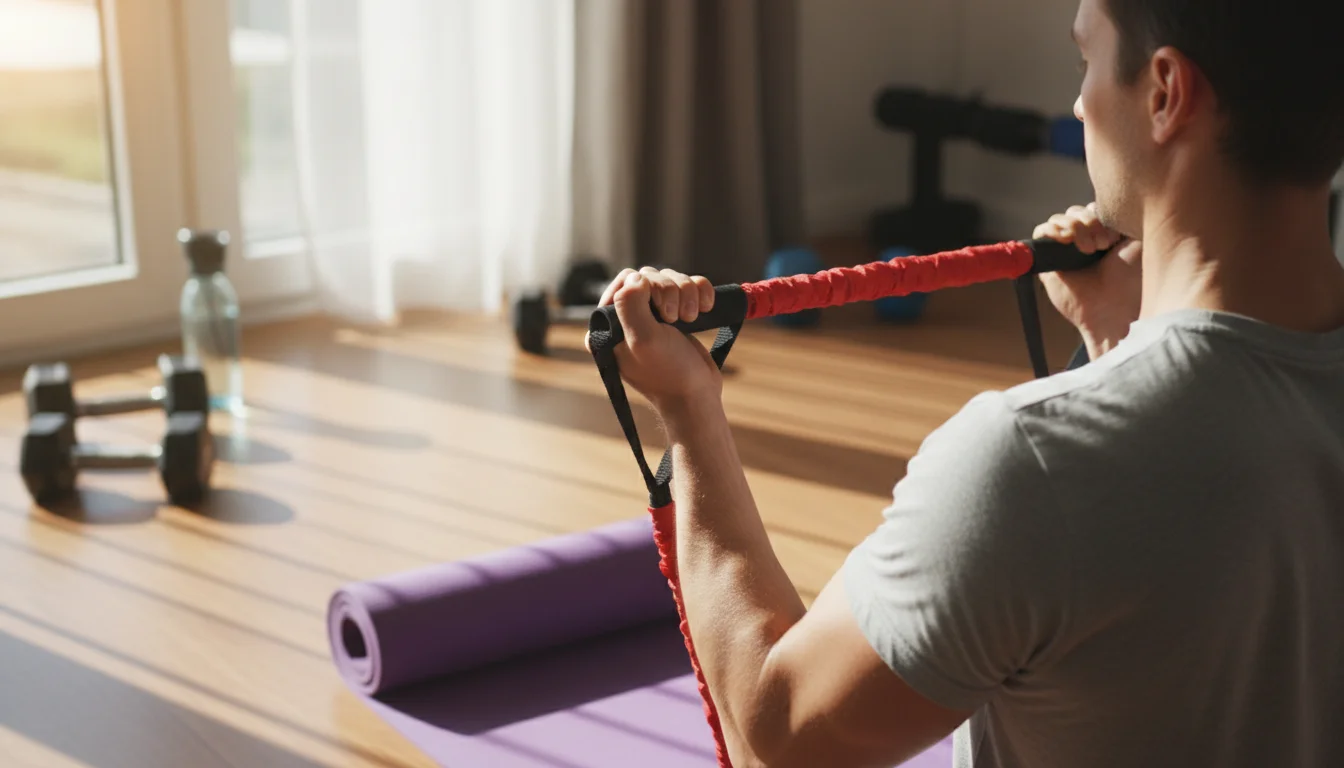
You don’t need a gym. Resistance bands work. So do bodyweight exercises if you can manage a pull-up bar.
2. Add cardio to burn calories
Running, swimming, cycling. Pick something you’ll actually do. Aim for 150 minutes a week minimum, but if you’re serious about seeing results, push it to 200-250. The math is simple: you need a calorie deficit, and cardio creates one.
Swimming is especially good here because it works your back muscles while burning calories. Two birds, one stone.
3. Fix your posture
Slouching makes back fat look worse than it is. Pull your shoulders back, engage your core, stand up straight. This doesn’t burn fat, but it changes how you carry what you’ve got.
Strengthening your core helps with this. Planks, dead bugs, bird dogs. Do them consistently and your posture improves without thinking about it.
4. Drop your body fat percentage through diet
You can’t out-exercise a bad diet. Track your calories for two weeks and see where you’re actually at. Most people underestimate by 20-30%. Cut 500 calories a day and you’ll lose a pound a week. Cut more and you’ll lose faster, but don’t go below 1200-1500 unless you want to feel like garbage.
Protein helps. It preserves muscle while you’re in a deficit and keeps you full longer. Aim for 0.8-1g per pound of body weight.
5. Be patient
Back fat is stubborn. It’s one of the last places fat comes off for most people, especially women. You’ll see results in your face and stomach first. That’s normal. Keep going.
Realistically, you’re looking at 2-3 months minimum before you see noticeable change, longer if you’ve got a lot to lose. Take progress photos every two weeks because day-to-day you won’t notice the difference.