Table of Contents
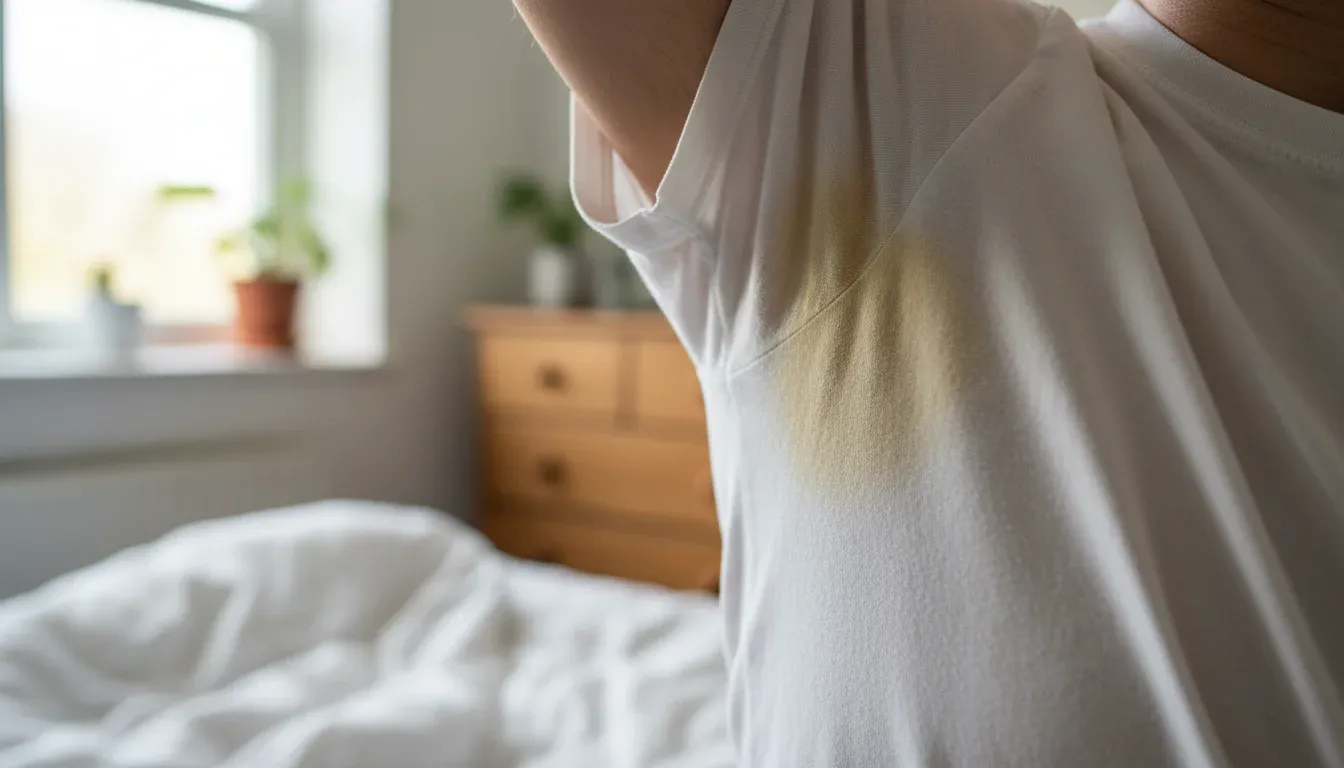
Armpit odor isn’t about sweating more. It’s about bacteria breaking down sweat, and most people get the timing and product choices completely wrong. Here’s what actually stops the smell.
1. Apply Antiperspirant at Night
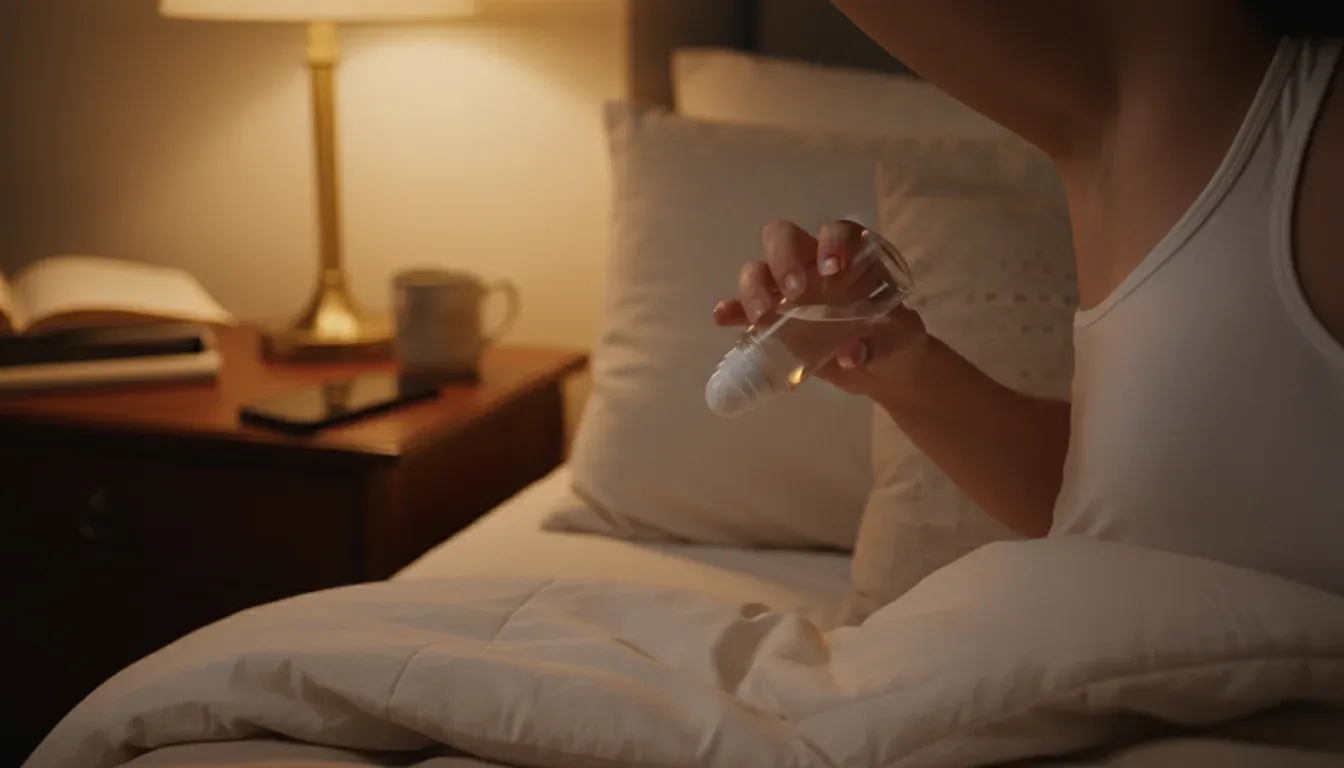
Your sweat glands are least active when you sleep. Applying antiperspirant at night lets the aluminum compounds properly block the ducts before you start sweating the next day. Morning application is mostly cosmetic – you’re already sweating by the time it goes on.
Shower, dry completely, apply before bed. Don’t reapply in the morning unless you need the fragrance boost.
2. Dry Your Skin Before Anything Goes On
Wet skin dilutes antiperspirant and deodorant, making them basically useless. After your shower, wait 5-10 minutes or use a hair dryer on cool to make sure your armpits are bone dry.
If you’re in a rush and can’t wait, at least towel-dry aggressively. Damp skin = wasted product.
3. Use Clinical-Strength Antiperspirant
Drugstore versions have around 15-19% aluminum. Clinical-strength goes up to 20-25%. That difference matters if regular products aren’t working.
Try Certain Dri or Secret Clinical Strength. If you get irritation, switch to every other night until your skin adjusts.
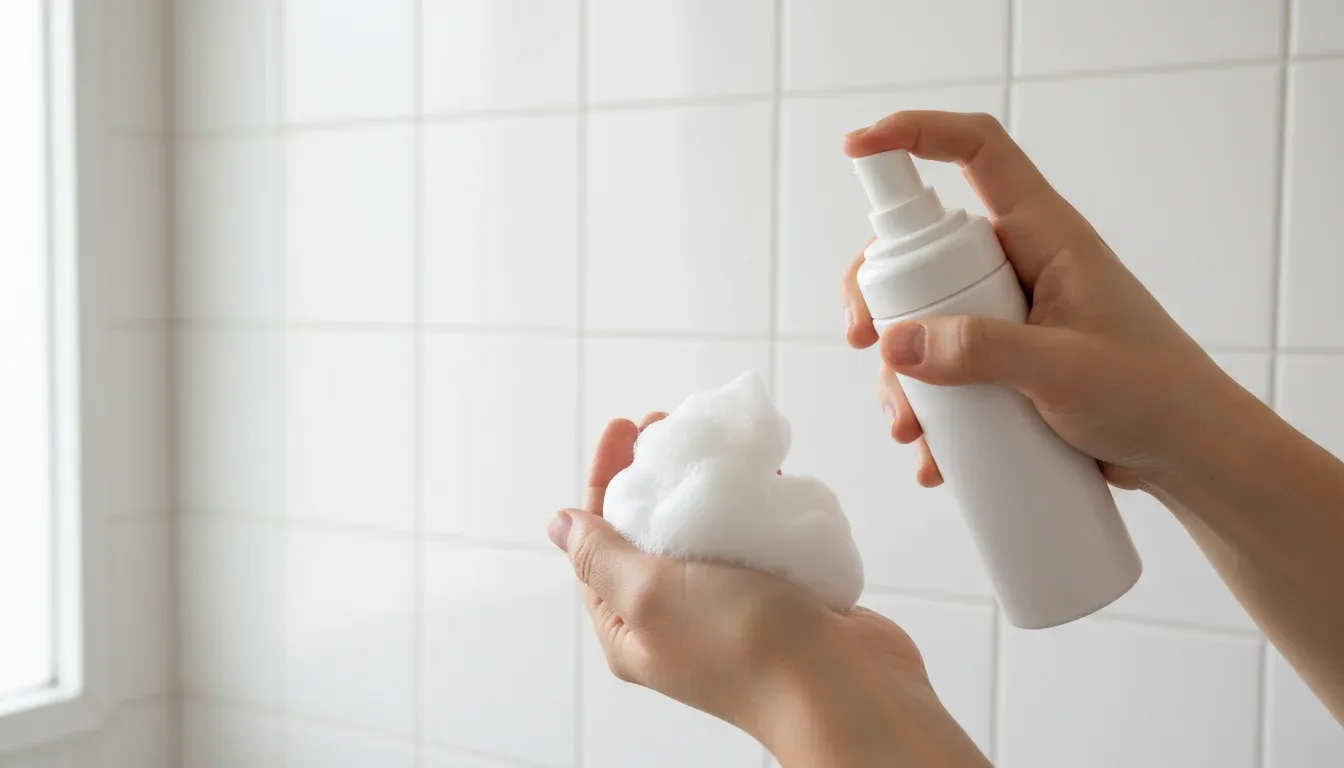
4. Wash With Benzoyl Peroxide Body Wash
The same ingredient that treats acne kills odor-causing bacteria. Use a 5-10% benzoyl peroxide wash (like PanOxyl) on your armpits in the shower 2-3 times per week.
Warning: it can bleach towels and clothing. Rinse thoroughly and use white towels if you’re paranoid.
5. Exfoliate With Glycolic or Salicylic Acid
Dead skin cells trap bacteria. Chemical exfoliants (glycolic acid pads or salicylic acid spray) clear them out and lower your skin’s pH, making it harder for bacteria to thrive.
Use 2-3 times per week after showering. Let dry before applying deodorant.
6. Wear Natural or Technical Fabrics
Cotton, linen, and merino wool wick moisture and resist odor buildup. Polyester and rayon trap sweat and smell horrible by noon.
If you’re stuck with synthetics, look for athletic fabrics marketed as "moisture-wicking" or "antimicrobial." They’re polyester with actual odor treatment.
7. Change Your Shirt Midday
If you sweat through your shirt by lunch, bacteria are breeding in the fabric against your skin. Keeping that shirt on all day guarantees odor gets worse.
Pack a spare shirt. Wipe your armpits with a wet paper towel or body wipe, dry completely, reapply deodorant, change. Takes 2 minutes.
8. Cut Back on Sulfur-Heavy Foods
Garlic, onions, cruciferous vegetables (broccoli, cabbage, cauliflower), and red meat all produce sulfur compounds that come out in your sweat. You don’t have to eliminate them, but if you eat a ton and smell like it, cutting back helps.
Alcohol and caffeine also increase sweating. If you’re pounding coffee all morning, that’s part of the problem.
9. Shave or Trim Armpit Hair
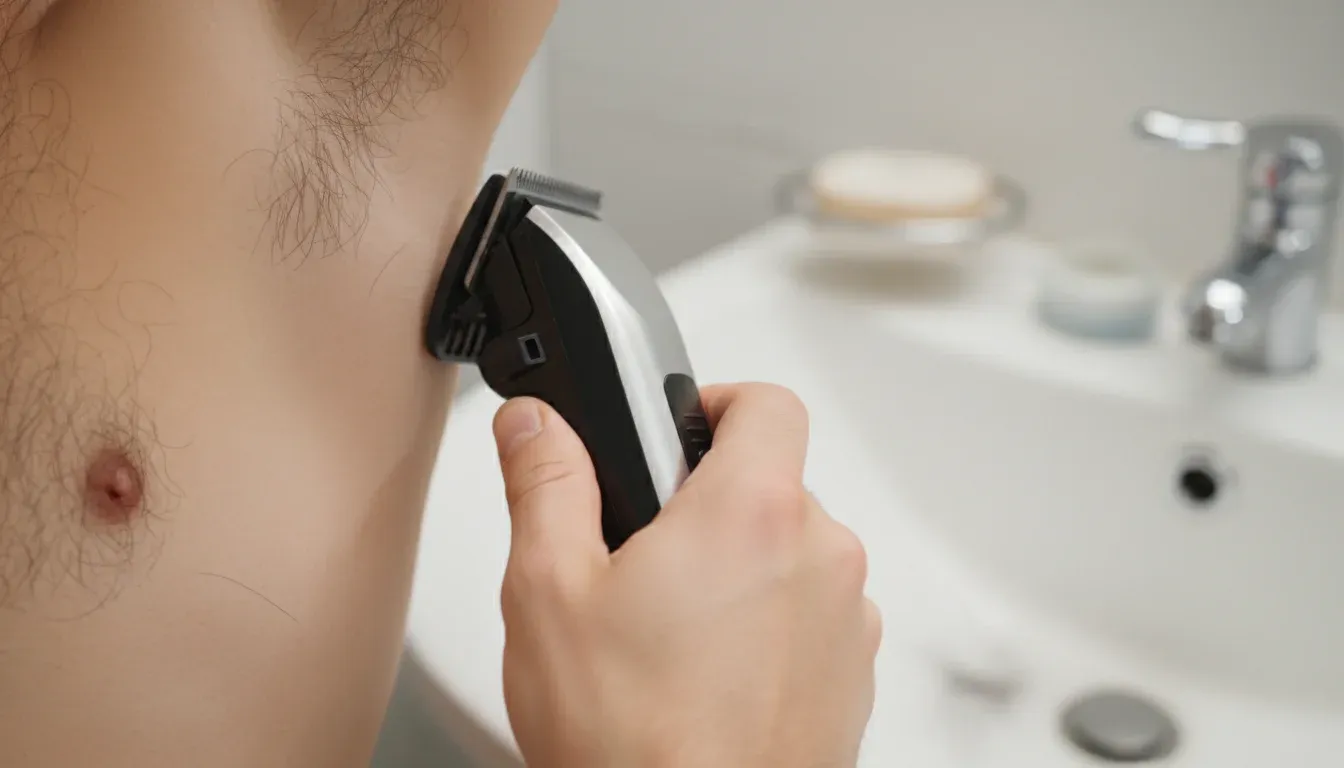
Hair traps moisture and gives bacteria more surface area to colonize. Shaving or trimming significantly reduces odor for most people.
If you don’t want to shave, at least trim it short with clippers. The difference between full bush and 1/4 inch is huge.
10. Use Antimicrobial Deodorant, Not Just Fragrance
Most deodorants are just scent covering up smell. Look for ones with antimicrobial ingredients: triclosan, alcohol, witch hazel, or tea tree oil. These kill bacteria instead of masking them.
If you’re using antiperspirant already, you might not need deodorant on top. Test skipping it – blocking sweat often eliminates odor entirely.
11. Wash Your Bras and Shirts More Often
Bras and undershirts sit against your armpits all day. If you’re rewearing them multiple times before washing, bacteria are already living in the fabric.
Wash after every wear if you sweat. If you can’t wash daily, at least air them out completely between wears instead of tossing them back in the drawer.
You’re not trying to smell like a perfume counter. You’re trying to not smell at all. Most of the methods above work within a few days – if you’ve done all this for two weeks and still have serious odor, talk to a doctor about hyperhidrosis or other underlying causes.