Table of Contents
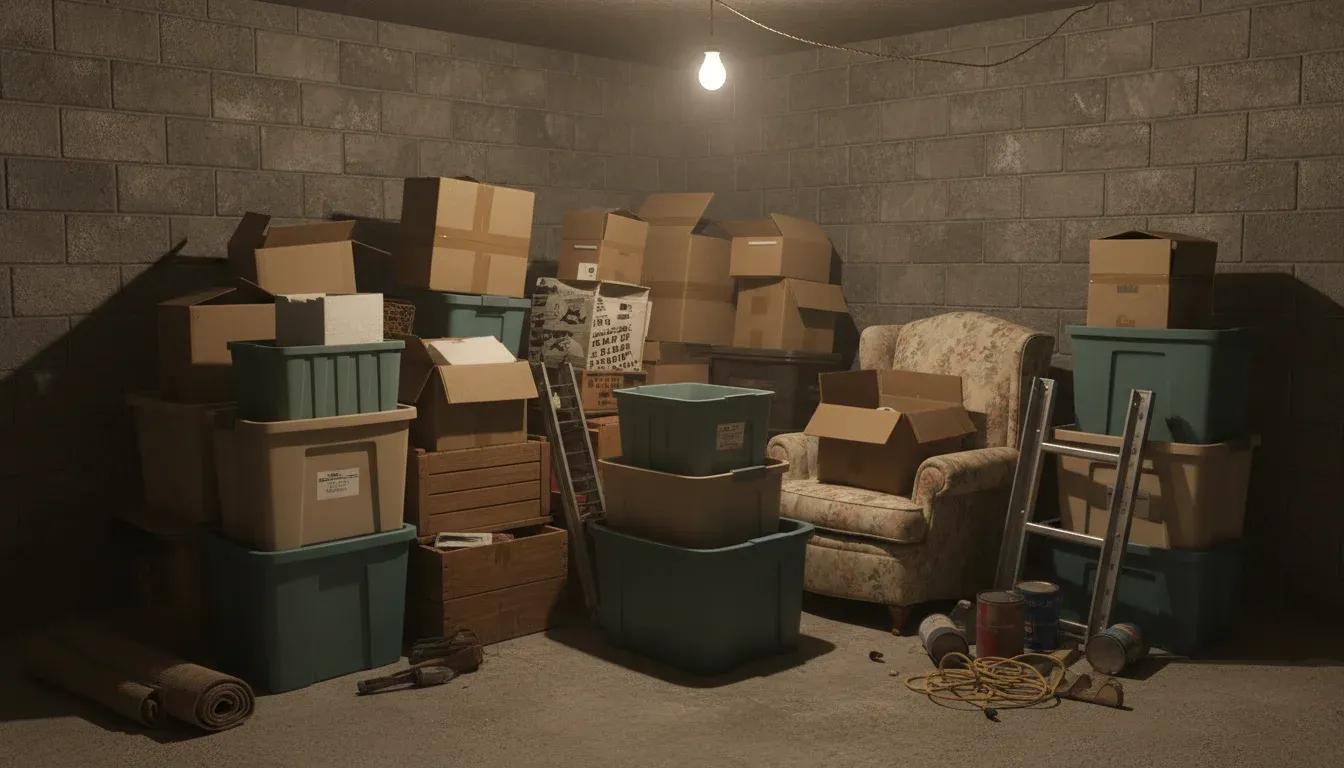
Basements become the final resting place for items we can’t quite throw away but don’t actually use. Over time, this accumulation creates overwhelming clutter that makes the space unusable and attracts pests, moisture damage, and mold. Professional organizers agree that certain categories of items consistently cause the most problems in basement storage.
The key to a clean basement isn’t better organization—it’s ruthless elimination of things that don’t serve a purpose. Here’s what the pros say you should remove immediately.
1. Donate Old Books
Books seem like keepers, but basement storage destroys them. Paper absorbs moisture, pages warp, bindings crack, and mold spores colonize the pages. By the time you retrieve those "saved" books, they’re often ruined.
Gather books you haven’t opened in the past two years. Be honest about rereading intentions—if you haven’t touched a book since you stored it, you won’t read it again. Libraries, thrift stores, and literacy programs accept book donations and put them to immediate use.
Textbooks and reference materials age particularly poorly. Information becomes outdated, and the internet provides faster access to current facts. Unless a book has genuine sentimental value or is a rare collector’s item, let it go.
For books you must keep, store them on main living levels where temperature and humidity remain stable. Bookshelves in living rooms, offices, or bedrooms protect your collection far better than basement boxes.
2. Replace Cardboard Boxes
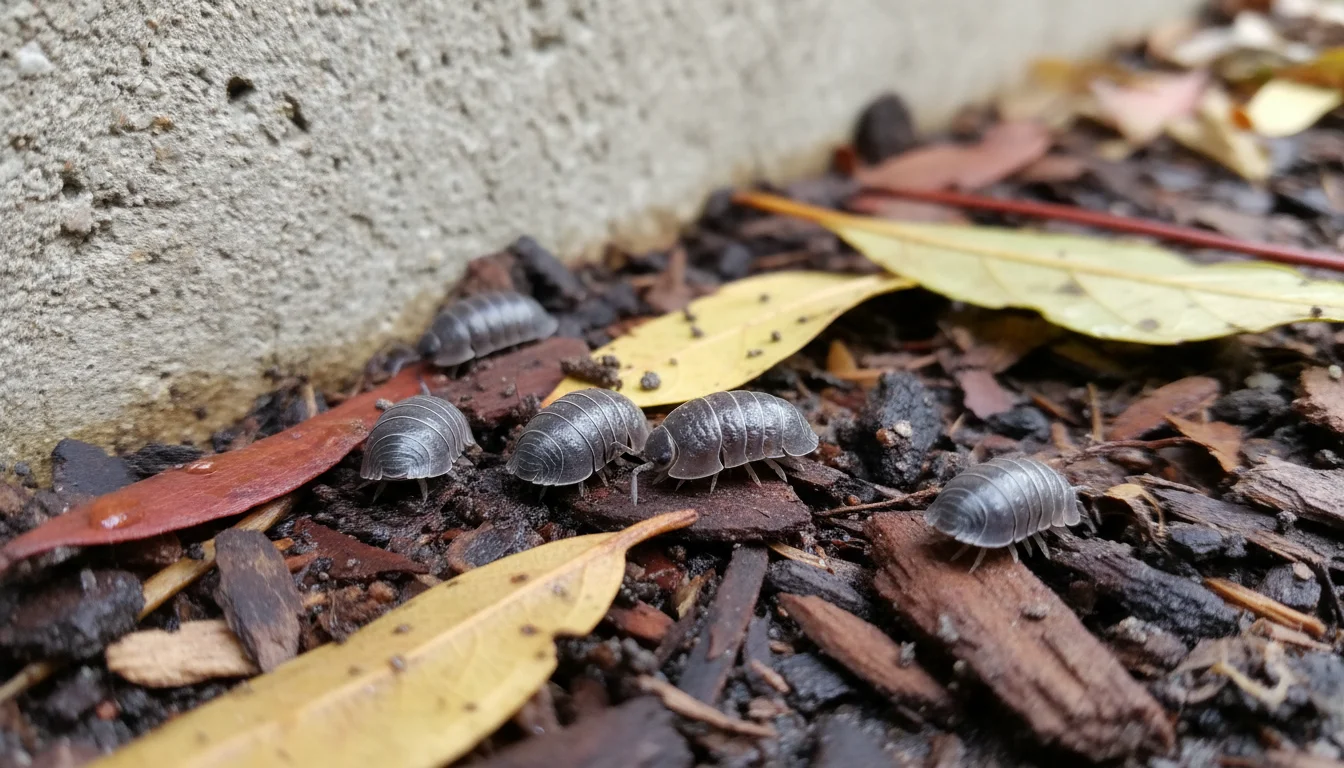
Cardboard seems practical for storage, but it’s the worst choice for basements. Moisture weakens the material, mold grows on paper fibers, and the glue attracts pests like silverfish and rodents. Within months, cardboard boxes become damp, smelly hazards.
Replace all cardboard with plastic storage bins. Clear bins let you see contents without opening them. Stackable designs maximize vertical space. Lids seal out moisture and pests, protecting whatever’s inside.
Don’t keep cardboard boxes for "future moves." By the time you move again, those basement boxes will be moldy and weakened. Purchase new, clean boxes when moving day arrives—they’re inexpensive and far more reliable.
For items currently in cardboard, sort through them as you transfer to plastic. Most people discover they don’t need half of what they’ve stored. Declutter as you upgrade your storage containers.
3. Donate Unused Furniture
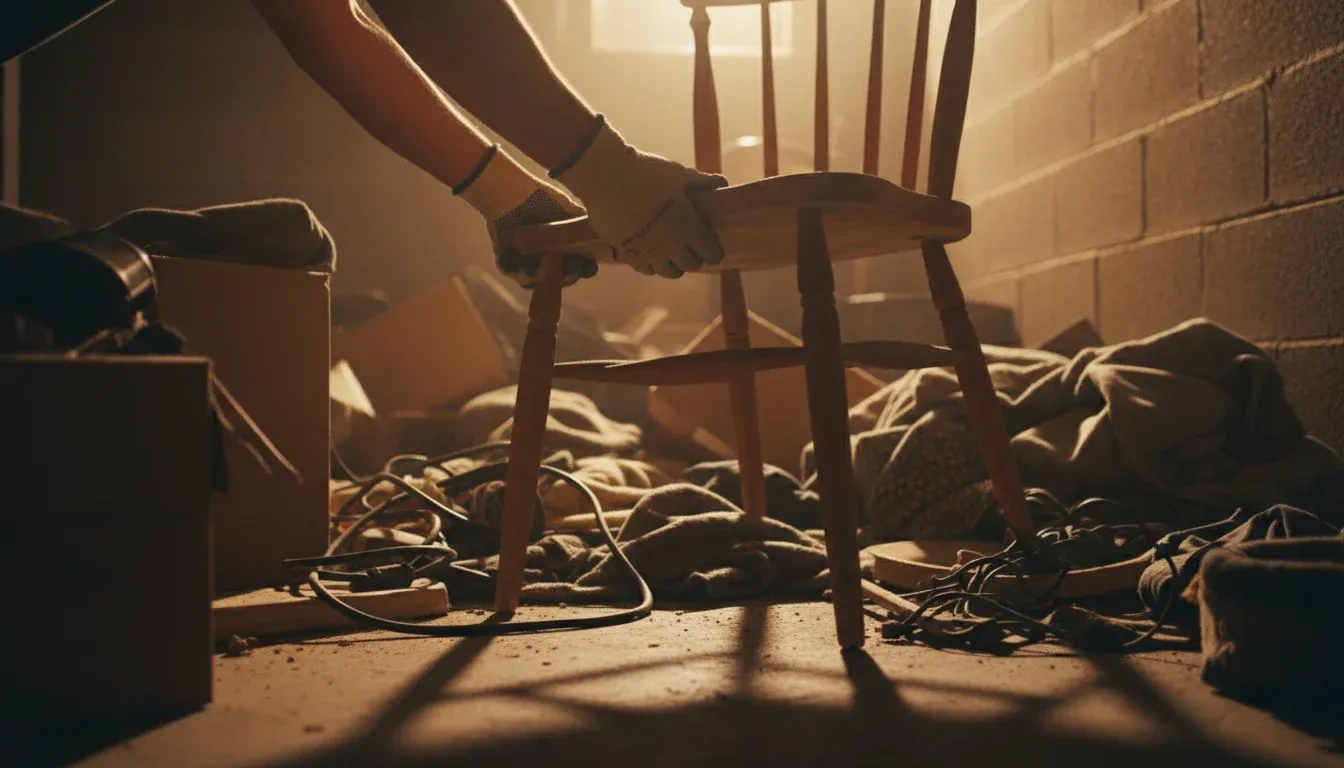
That extra dining set, the old sofa, the dresser you planned to refinish—if it’s been in the basement for years, you’re not using it. Furniture takes massive amounts of space and often deteriorates in basement conditions.
Be realistic about furniture projects. Refinishing sounds satisfying, but most basement furniture stays unfinished for years. If you haven’t started the project within six months of storing the piece, donate it to someone who will use it now.
Charities often offer pickup services for furniture donations, eliminating the transportation hassle. Facebook Marketplace and similar platforms connect you with local buyers who will haul items away themselves.
Consider the cost of storage versus replacement. Keeping furniture you don’t use "just in case" costs square footage in your home. In most cases, buying a replacement later costs less than the lost utility of a cluttered basement.
4. Clear Out Children’s Items
Kids outgrow clothes, toys, and equipment rapidly. Basements become graveyards of childhood memories—outgrown clothing, abandoned toys, baby gear, and sports equipment that no longer fits.
Sentimentality makes these items hard to part with, but your children don’t want most of it. Keep a few truly special pieces and release the rest. A small memory box preserves the nostalgia without consuming an entire basement.
Cribs, car seats, and baby gear have expiration dates and safety standards that change. Old equipment may no longer be safe or legal to use. Donate current items to families who need them now rather than storing obsolete gear.
Sports equipment particularly depreciates. Children outgrow sizes, switch interests, and equipment technology improves. That soccer cleat collection from three seasons ago helps no one in a basement box.
5. Digitize Children’s Artwork and Papers
School papers, drawings, report cards, and craft projects accumulate overwhelming volume. Parents save everything, creating unsustainable paper collections that fill boxes and drawers.
Digitization solves the storage problem. Scan or photograph the best pieces, then recycle the originals. Digital files take no physical space, won’t deteriorate, and are easier to share with grandparents or future adult children.
Be selective about what you digitize. Not every spelling test deserves preservation. Choose pieces that show personality, progress, or genuine artistic effort. A curated digital collection means more than boxes of forgotten worksheets.
For three-dimensional crafts, photograph them from multiple angles, then let them go. The memory persists in digital form without the storage burden. Your child won’t want that papier-mâché volcano in twenty years anyway.
6. Donate Abandoned Hobby Supplies
Everyone has tried hobbies they didn’t pursue—sewing machines, art supplies, musical instruments, exercise equipment, craft kits. These items represent failed aspirations rather than future projects.
The "someday" justification rarely materializes. If your sewing machine, treadmill, or pottery wheel hasn’t seen use in the past year, you won’t suddenly develop the habit. Admit the hobby didn’t stick and move on.
These items often have significant value to active practitioners. Donating quality equipment helps someone else pursue their passion. Selling through online marketplaces recovers some of your initial investment.
Be particularly ruthless with hobby supplies that require significant space. Exercise equipment, large instruments, and bulky craft machines consume basement real estate better used for items you actually touch.
Basement decluttering requires honest assessment of what you actually use versus what you theoretically might need someday. The six categories above—books, cardboard boxes, furniture, children’s items, paperwork, and hobby supplies—represent the bulk of unnecessary basement storage. Remove them systematically, and you’ll reclaim significant space while eliminating pest attractants and moisture hazards. A clean basement serves your home better than a storage graveyard ever could.