Table of Contents
Chiggers turn your yard into an itchy nightmare. These microscopic mites hide in tall grass, under shrubs, and anywhere moisture lingers. Their bites cause welts that itch for weeks. Your yard should be a place to relax, not a breeding ground for pests that leave you scratching constantly.
Getting rid of chiggers requires targeting their habitat and cutting off their food sources. They thrive in overgrown, shady, damp areas where they can wait for a warm-blooded host. By modifying your lawn care routine and applying targeted treatments, you eliminate the conditions chiggers need to survive. Here’s how to reclaim your yard.
1. Mow Your Lawn Weekly and Keep Grass Under 3 Inches
Chiggers live close to the ground in tall grass where humidity stays high. Keeping grass short exposes them to direct sunlight and dry air, which kills them. Mow at least once a week during warm months when chiggers are active.
Set your mower blade to 2-3 inches. Shorter grass heats up faster in sunlight and holds less moisture. Pay extra attention to edges near wooded areas and fence lines where chiggers congregate. Bag the clippings instead of mulching them back – this removes chigger eggs and larvae from your yard entirely.
2. Trim Shrubs and Clear Dense Vegetation
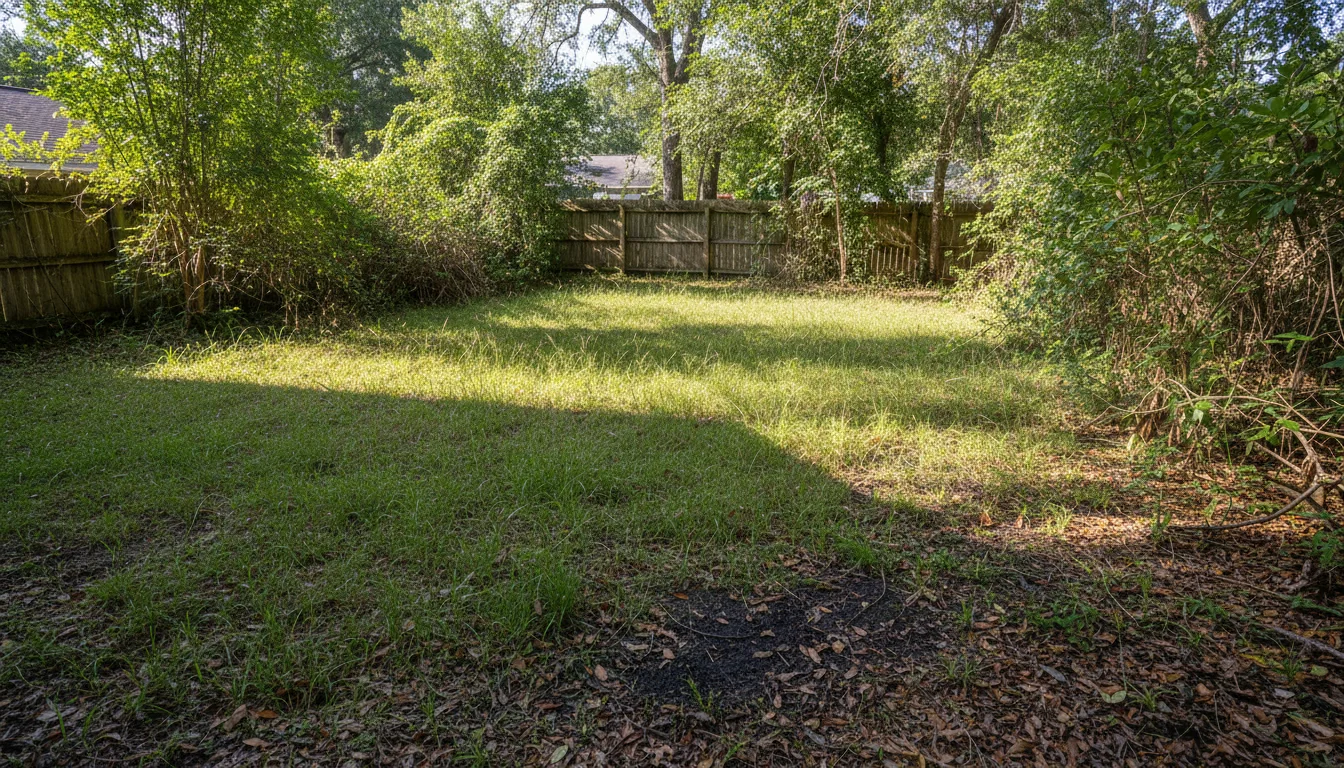
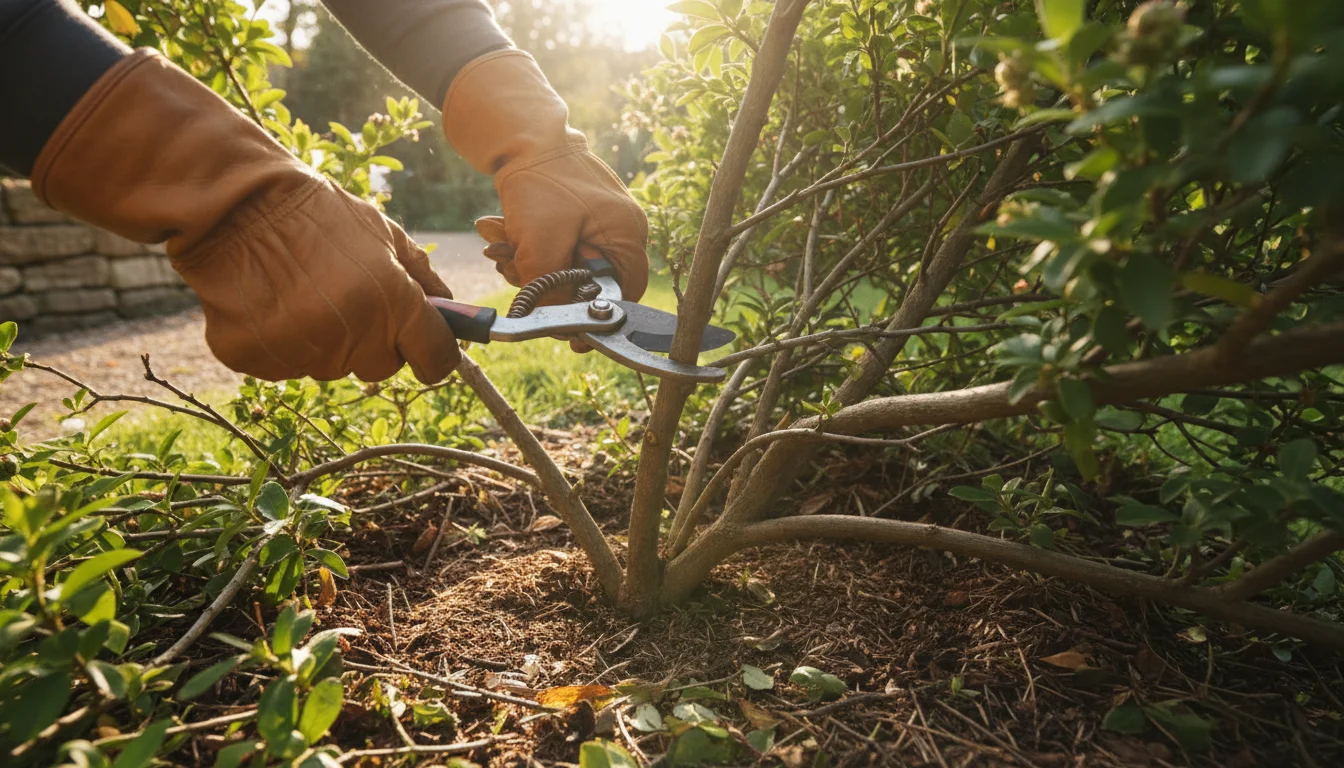
Chiggers thrive in shaded, humid spots under bushes and in overgrown flower beds. Thick vegetation blocks airflow and traps moisture, creating perfect chigger habitat. Trim shrubs back from ground level and thin out dense growth.
Remove lower branches from bushes to increase air circulation underneath. Clear out overgrown ground cover plants and space remaining plants at least 12 inches apart. This lets sunlight reach the soil and dries out chigger hiding spots. Focus on areas near patios, playgrounds, and pathways where people spend time.
3. Remove Yard Debris and Leaf Litter
Piles of leaves, fallen branches, grass clippings, and other organic matter give chiggers protected places to hide. These materials stay damp underneath and provide the humidity chiggers need. Clear all debris from your yard regularly.
Rake up leaves weekly during fall. Remove fallen branches, dead plants, and wood piles. Don’t let grass clippings accumulate in thick layers. If you compost, keep bins at least 30 feet from high-traffic areas since decomposing material attracts chiggers. A clean yard with minimal ground cover forces chiggers into the open where they can’t survive.
4. Fix Drainage Issues and Eliminate Standing Water
Chiggers need moisture to survive and reproduce. Poor drainage creates damp soil conditions that support large chigger populations. Walk your yard after rain and identify areas where water pools or soil stays soggy.
Fix low spots by adding soil to create gentle slopes that direct water away from your lawn. Install French drains or dry creek beds in problem areas. Clean gutters and extend downspouts to dump water at least 6 feet from your house. Reduce watering frequency – most lawns only need 1 inch of water per week. Water early in the morning so grass dries completely by nightfall.
5. Apply Diatomaceous Earth to Infested Areas
Food-grade diatomaceous earth kills chiggers by cutting through their exoskeletons and dehydrating them. This natural powder works without toxic chemicals and remains effective for weeks if it stays dry.
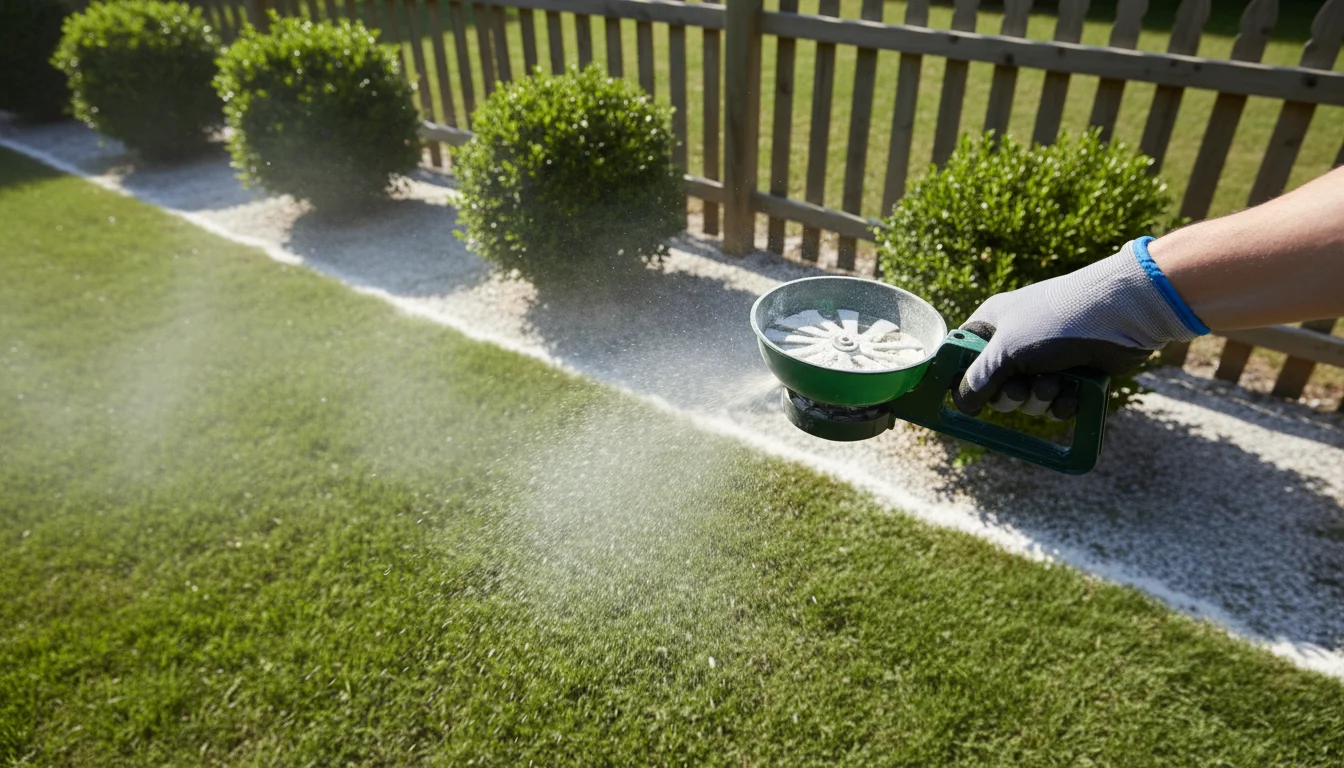
Sprinkle a thin layer of diatomaceous earth across your entire lawn using a spreader, or apply it heavily to known chigger hotspots like areas under bushes, along fence lines, and in flower beds. Wear a dust mask during application since the fine particles irritate lungs. Reapply after rain or heavy watering. You’ll see dead chiggers within 48 hours.
6. Treat Perimeter Zones with Sulfur Powder
Sulfur creates a barrier that chiggers won’t cross and kills them on contact. This old-school treatment works especially well around yard boundaries where chiggers migrate in from surrounding areas.
Use garden sulfur powder, not the type for soil acidification. Apply a 3-foot-wide band of sulfur around your entire yard perimeter, paying extra attention to areas bordering woods or tall grass. Also treat a 3-foot circle around trees, bushes, and other landscaping features. Sulfur lasts 2-3 weeks before needing reapplication. The smell is strong but fades within days.
7. Spray Neem Oil Solution on Shrubs and Ground Cover
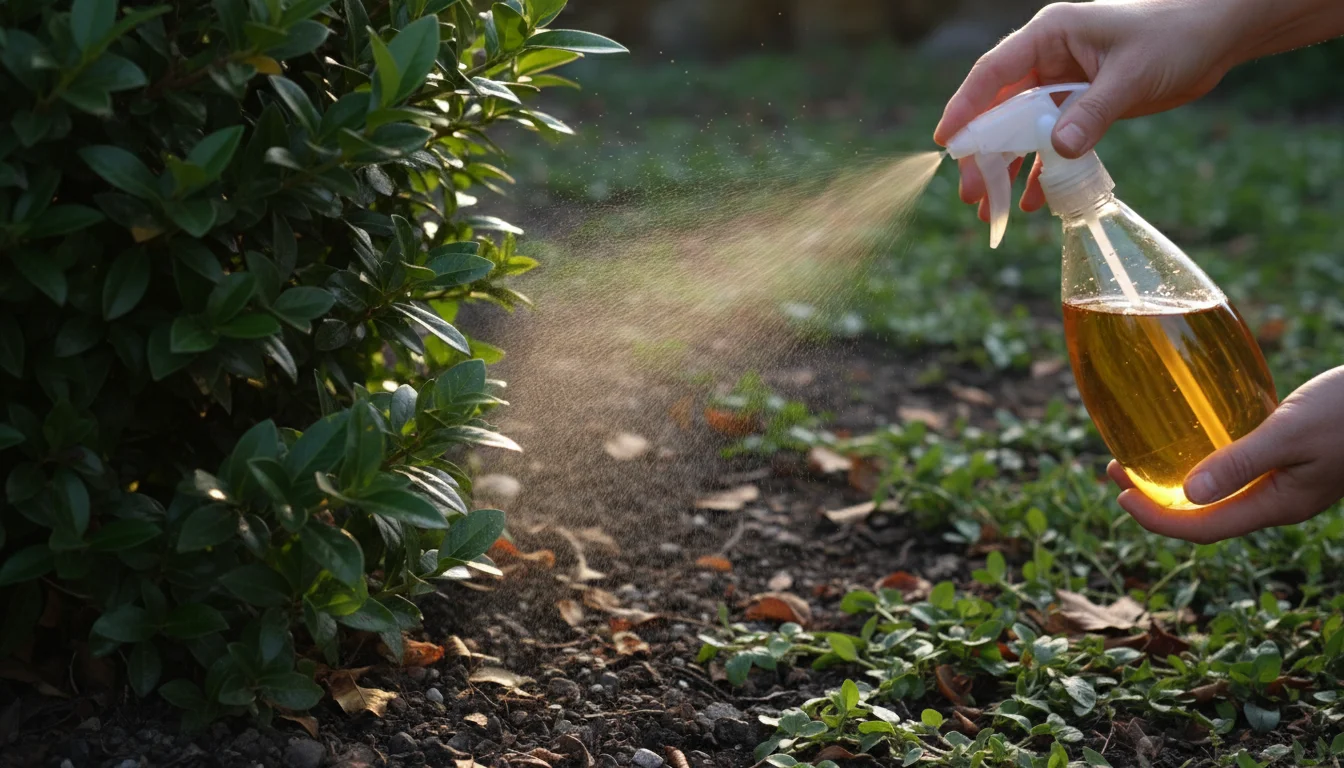
Neem oil disrupts chigger life cycles and repels adults looking for places to lay eggs. Mix 2 tablespoons of cold-pressed neem oil with 1 gallon of water and add a few drops of dish soap to help it stick.
Spray this mixture on the underside of shrub leaves, around the base of plants, and on ground-level vegetation where chiggers hide. Apply in early morning or evening to avoid burning plants in direct sunlight. Repeat every 7-10 days throughout chigger season. Neem oil also controls other garden pests while being safe for beneficial insects like bees.
8. Apply Essential Oil Repellent to Lawn Edges
Clove, rosemary, peppermint, and cinnamon oils create a scent barrier that repels chiggers from entering your yard. These concentrated plant oils interfere with chiggers’ ability to locate hosts and make treated areas smell hostile to them.
Mix 15 drops each of clove, rosemary, peppermint, and cinnamon essential oils with 2 cups of water and 1 tablespoon of witch hazel or vodka (helps oils dissolve). Spray this blend along yard boundaries, fence lines, and transition zones between your lawn and wooded areas. Reapply every 3-5 days or after rain. The strong scent fades to your nose within hours but remains effective against chiggers for days.
9. Create Mulch Barrier Zones
A wide strip of wood chip mulch blocks chiggers from traveling between infested areas and your main lawn. Chiggers avoid crossing dry, hot surfaces with no vegetation.
Install a 3-foot-wide band of cedar or hardwood mulch between wooded areas and your lawn. Also create mulch borders around garden beds, along fence lines, and between your lawn and any tall grass. Choose light-colored mulch since it reflects heat and stays drier. Replenish mulch when it decomposes below 2 inches deep.
10. Redesign Problem Zones with Gravel and Rocks
Shady, perpetually damp areas under trees or along north-facing fence lines won’t support healthy grass no matter what you do. Turn these chigger magnets into hardscaped zones that can’t harbor pests.
Replace grass and mulch in these spots with a 3-inch layer of pea gravel, river rocks, or crushed stone. Add decorative boulders and drought-tolerant plants that need minimal water. Gravel drains instantly, heats up in any available sun, and provides zero habitat for chiggers. This permanent solution eliminates repeated treatments in areas where lawn care methods fail.
11. Encourage Natural Predators
Birds, ground beetles, spiders, and ants all feed on chiggers. Making your yard hospitable to these predators reduces chigger populations naturally without chemicals.
Install bird feeders and birdbaths to attract insect-eating species like robins, wrens, and bluebirds. Leave some areas of bare soil for ground beetles to burrow. Avoid broad-spectrum insecticides that kill beneficial insects along with pests. Plant native flowers to support spider populations. A balanced ecosystem keeps chiggers in check year-round.
12. Install Fencing to Exclude Wild Animals
Deer, rabbits, raccoons, and other animals carry chiggers into your yard on their fur. Where they rest and travel, chigger populations explode. Physical barriers keep these host animals out and break the chigger migration cycle.
Install 4-foot-tall welded wire or chain link fencing around your property perimeter. Bury the bottom edge 6 inches underground to prevent burrowing. For deer, upgrade to 8-foot-tall fencing or add angled extensions to standard height fences. Close gaps under gates with gravel or pavers. Blocking animal traffic cuts chigger introduction rates by 70% or more in suburban areas that border woods or fields.
13. Use Visual Deterrents to Repel Wildlife
When fencing isn’t practical, visual scare tactics keep animals from settling in your yard. Deer, in particular, avoid areas that feel exposed or threatening.
Hang reflective tape, old CDs, or aluminum pie pans from tree branches and fence posts where they’ll spin in the wind. Install motion-activated sprinklers near areas where animals enter your property. Place realistic predator decoys like plastic owls or coyote silhouettes in high-traffic spots, moving them weekly so animals don’t get used to them. These methods work best when combined with habitat modification – animals that can’t find food, water, or cover in your yard won’t stay long enough to drop off their chiggers.
14. Get Free-Range Chickens or Guinea Fowl
Chickens and guinea fowl devour chiggers by the hundreds while foraging through grass and ground cover. They’re living pest control that works every day without reapplication.
Guinea fowl are more effective than chickens since they range farther and eat more insects. Four to six birds can manage a quarter-acre yard. They’ll scratch through leaf litter, peck under bushes, and patrol fence lines where chiggers congregate. Chickens work too but stick closer to their coop. Both need predator-proof housing and access to fresh water. The trade-off: some scratched-up flower beds and bird droppings on patios. But if you’ve got the space and local ordinances allow it, poultry eliminates chiggers while giving you fresh eggs.
15. Apply Permethrin to Clothing Before Yard Work
When you’re working in areas that might still harbor chiggers, treat your clothing with permethrin to create a protective barrier. This synthetic insecticide bonds to fabric and kills chiggers on contact.
Buy permethrin spray designed for clothing (not skin application). Spray pants, socks, shoes, and long-sleeve shirts until damp, then let them dry completely. Treated clothing remains effective through 6 washes or 6 weeks. Tuck pants into socks and shirts into pants to eliminate gaps where chiggers can crawl under your clothes.
16. Wear Protective Clothing in High-Risk Areas
Even after treatment, some chigger pockets may remain in brush piles, unmowed edges, or wooded borders. Physical barriers prevent bites when you’re working in these spots.
Wear long pants, long sleeves, and closed-toe shoes anytime you’re in areas with vegetation. Choose light-colored clothing so you can spot chiggers crawling on you. Tuck everything in – pants into socks, shirts into pants. Apply an insect repellent containing DEET or picaridin to exposed skin and clothing edges. This layered approach stops chiggers before they reach your skin.
17. Shower Within Two Hours of Yard Exposure
Chiggers don’t bite immediately – they crawl around looking for thin skin near tight clothing. A hot shower with soap washes them off before they attach.
Strip off your clothes in the garage or laundry room to avoid spreading chiggers inside your house. Shower using hot water and scrub vigorously with a washcloth, paying attention to areas where clothing was tight – waistbands, sock lines, bra bands, and underwear elastic. Wash your hair since chiggers can hide in it. This simple step prevents 90% of bites.
Consistent lawn maintenance eliminates the habitat chiggers need. Keep grass short, reduce moisture, and apply targeted treatments to problem areas. Your yard will become inhospitable to these pests within 2-3 weeks of starting these practices. Regular maintenance keeps them from coming back.