Table of Contents
None of these will cure your cold. The virus runs its course regardless – that’s the honest answer. What supplements and medicines can do is reduce specific symptoms, make recovery more comfortable, and in a few cases (zinc, notably) shorten the duration. The key is matching the product to the symptom rather than taking everything at once and hoping something sticks. Check current dosage guidance and warnings before taking any medicine, especially if you’re on other medications or have pre-existing conditions.
Use Petroleum Jelly with Menthol
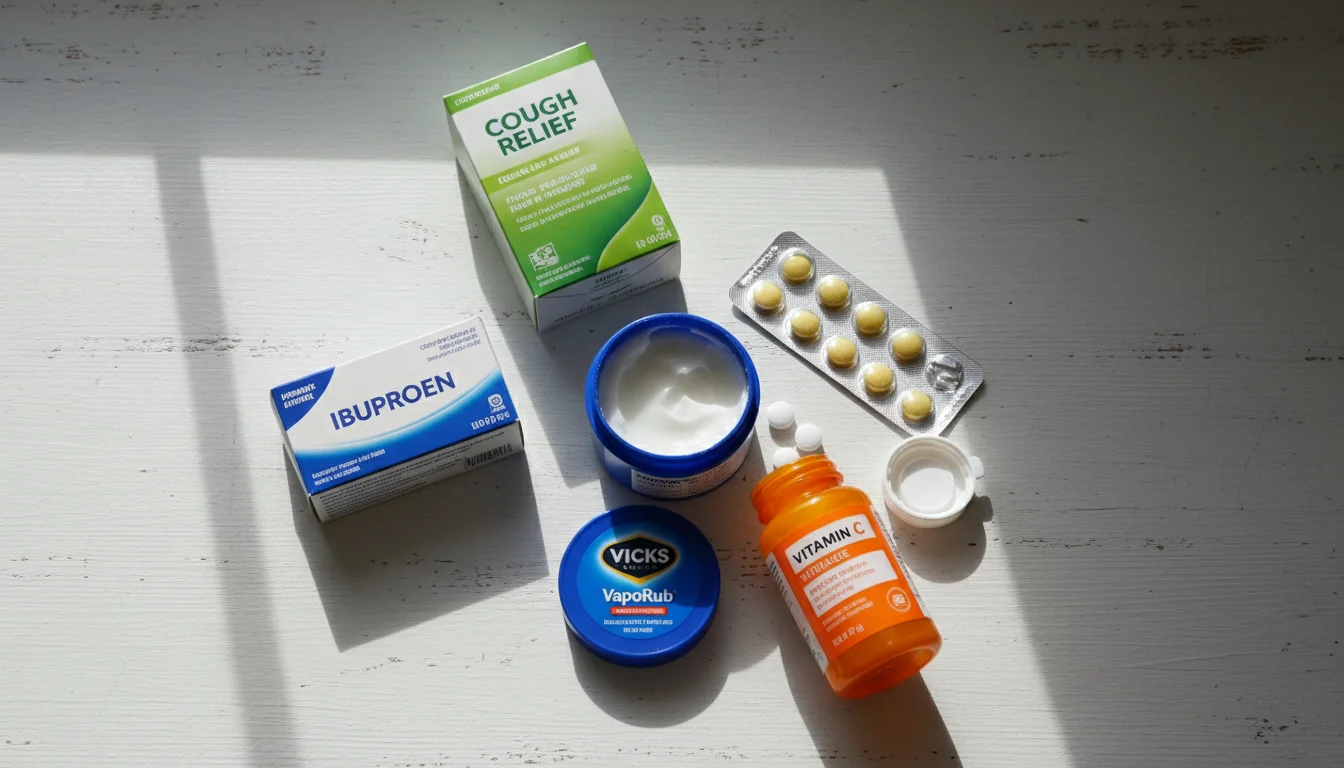
Menthol activates cold receptors in your nasal passages and airway, creating the sensation of easier breathing even when nothing structurally has changed. Rub mentholated petroleum jelly (Vicks VapoRub is the standard) on your chest and under your nose before bed. The vapors work while you sleep.
It won’t reduce congestion, fight the virus, or shorten the cold. It just makes the clogged feeling less miserable overnight, which is worth something when you’re trying to sleep. Safe for adults; follow age guidance on the label for children.
Painkillers
Ibuprofen and acetaminophen are the practical tools for cold symptoms beyond congestion. Body aches, headache, sore throat, fever – painkillers address all of these directly.
Take one as soon as symptoms hit rather than waiting for things to escalate. Follow the label dosage. Don’t take both simultaneously without specific reason to do so, and don’t take acetaminophen alongside combination cold medicines that already contain it – accidental acetaminophen overdose is genuinely dangerous. Ibuprofen has the edge for anti-inflammatory action (throat swelling, body aches). Acetaminophen is the safer choice for people with stomach sensitivity.
Use Cough Medicines
Two types, two different jobs. Know which one you need.
Dextromethorphan is a cough suppressant – it tells your brain to stop triggering the cough reflex. Use it for a dry, unproductive cough that’s keeping you awake or making your throat raw. Guaifenesin is an expectorant – it loosens mucus in your airways so you can cough it up more effectively. Use it for a chesty cough where you feel congested but can’t clear it. Many combination products contain both, which makes sense for a cold where you’ve got both types happening at different points.
Take Garlic Supplement
Garlic’s antimicrobial activity is well-documented in the lab but less clear-cut in human trials for colds specifically. Some studies show modest reduction in cold duration and severity with allicin-based supplements; others show no effect. The evidence isn’t strong enough to call it proven, but it’s not nothing either.
Take it in standardized capsule form if you’re going to try it – the allicin concentration in raw garlic varies enormously and fresh garlic breath is a separate problem. Start at symptom onset. If you’re taking blood thinners, check with your doctor first since garlic has anticoagulant properties.
Vitamin C
The evidence on vitamin C for cold treatment is consistently underwhelming: it doesn’t prevent colds and taking it after symptoms start doesn’t shorten them meaningfully in most people. The modest exception is people under significant physical stress (marathon runners, soldiers in subarctic conditions) who do see some prevention benefit.
The reason it’s included: regular daily supplementation does appear to very slightly reduce cold duration for most people – we’re talking hours, not days. If you’re already taking a daily vitamin C supplement for other reasons, keep taking it through the cold. If you’re not, starting at symptom onset probably won’t make much difference. 500-1000 mg daily. More than that doesn’t add benefit and may cause digestive issues.
Take Zinc
Zinc is the supplement with the most legitimate claim to shortening cold duration. Multiple trials show that zinc lozenges started within 24 hours of symptom onset reduce cold duration by 1-2 days in adults. The proposed mechanism involves zinc ions interfering with rhinovirus replication in the nasal mucosa.
Suck on zinc lozenges – don’t swallow them whole, because the local contact with oral and nasal tissue is part of the mechanism. They taste metallic and unpleasant; that’s unavoidable. Follow dosage instructions (typically one lozenge every 2-3 hours while awake). The timing matters: start within 24 hours of the first symptom or the benefit decreases significantly. Don’t use zinc nasal sprays – they’ve been associated with permanent anosmia (loss of smell).
Take Echinacea
Echinacea is one of the most studied herbal remedies for colds, and the evidence is genuinely mixed. Some trials show modest reduction in duration or severity when taken at the start of symptoms; others show no difference from placebo. The inconsistency may reflect differences in echinacea species, preparation, and dose across studies.
If you’re going to try it, start at the first sign of symptoms. Products combining Echinacea purpurea with standardized extracts are better-studied than general "echinacea blend" products. Don’t continue beyond 10 days. People with autoimmune conditions or who take immunosuppressant medications should consult a doctor first.