Table of Contents
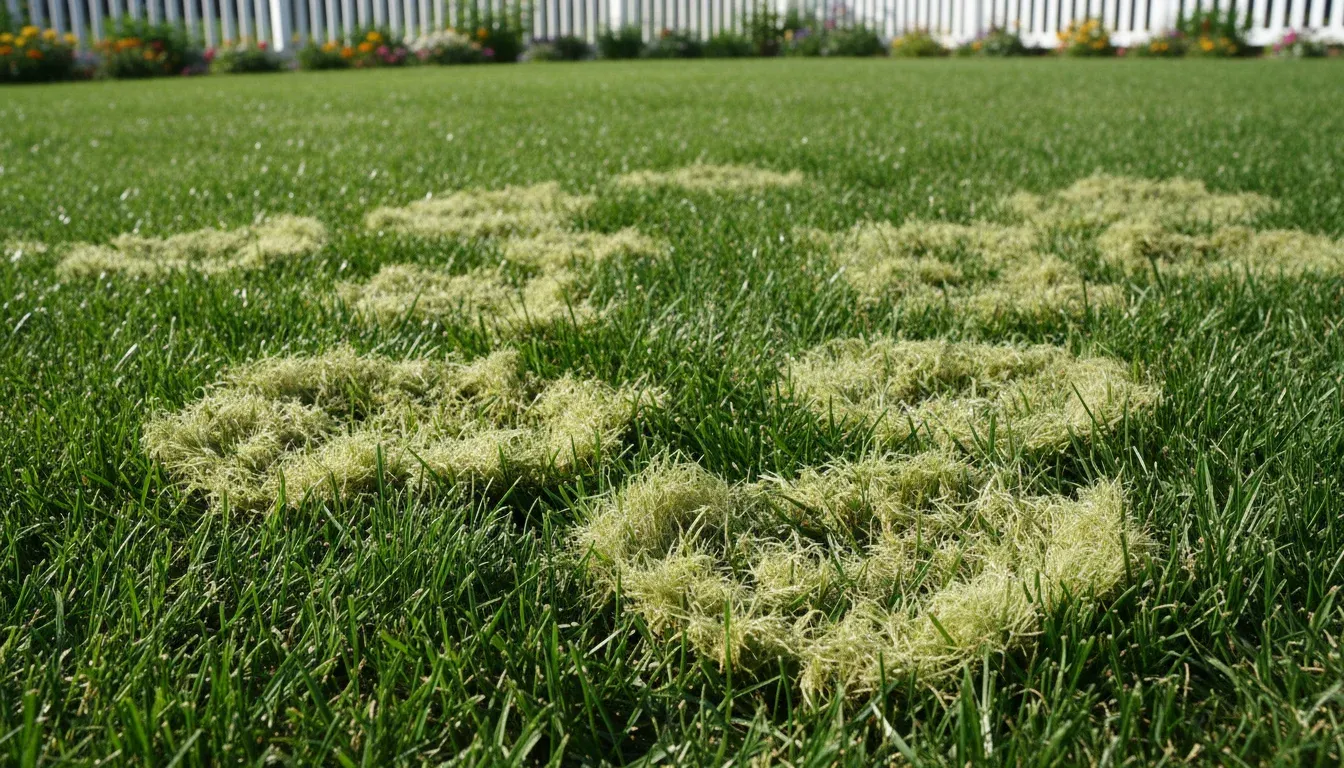
Crabgrass is that low-growing invader that laughs at your mowing schedule and spreads faster than you can say "weed control". It thrives in bare spots, loves heat, and drops thousands of seeds before dying off in fall. But it’s not invincible.
The trick is hitting it at the right time with the right method. Miss the window and you’re stuck waiting until next season. Here’s what actually works.
1. Pre-Emergent Herbicide in Early Spring
This is your best defense. Pre-emergent herbicides create a chemical barrier in the soil that stops crabgrass seeds from germinating. Apply when soil temperatures hit 55°F for three consecutive days (usually when forsythia blooms in your area). Timing is everything – too early and it breaks down before seeds sprout, too late and you’ve already got seedlings.
Products with prodiamine or dithiopyr work well. Follow the spreader settings on the bag, water it in within 24 hours, and don’t disturb the soil for a month. You won’t see results because the grass you’re stopping never appears. That’s the point.
2. Hand Pulling Young Plants
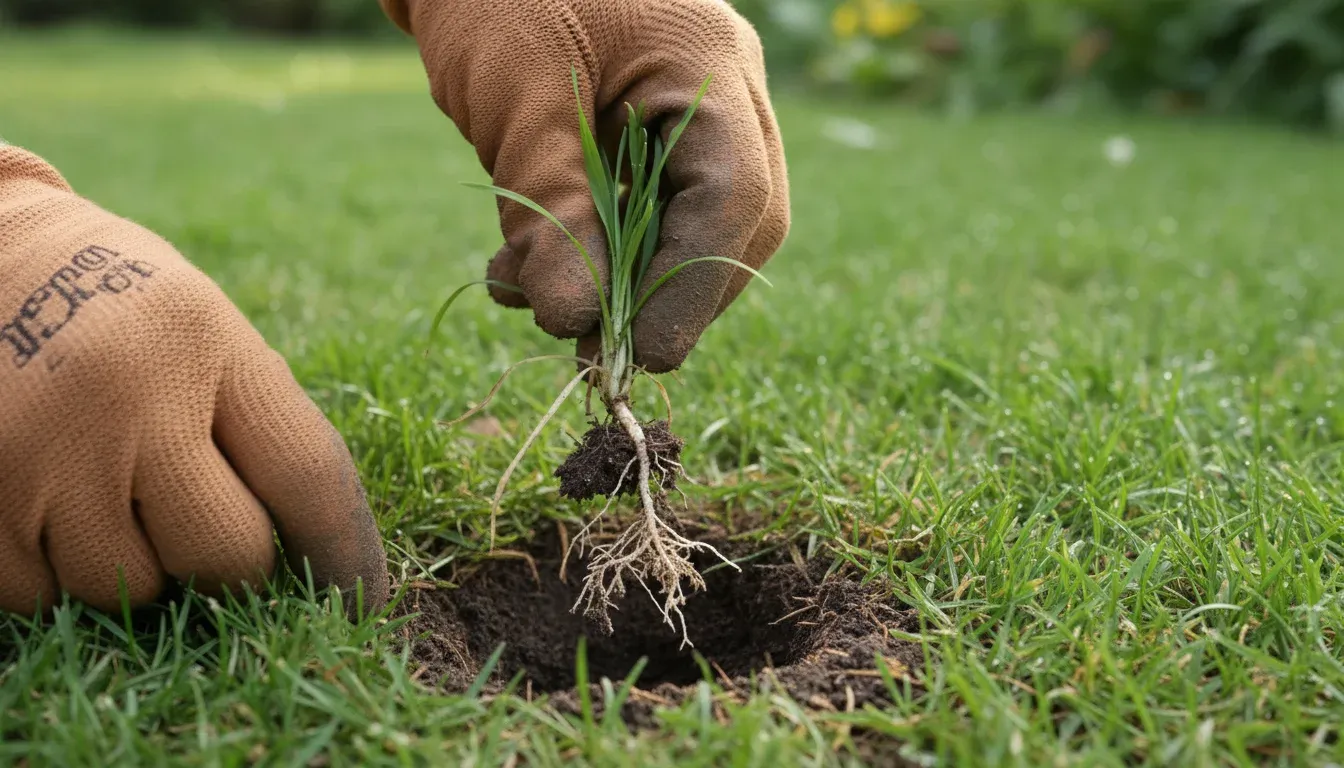
Sounds tedious, but if you’ve only got a few patches, just pull them. The key is catching them young – before they develop that massive root system and start spreading horizontally. Water the area first so the roots come out easier.
Grab at the base, pull straight up with a slight wiggle, and get the whole root. Toss it in the trash, not your compost pile (those seeds will survive). If the soil’s compacted where you pulled, loosen it and overseed so grass fills in before new crabgrass does.
3. Post-Emergent Herbicide for Established Growth
Once crabgrass is already growing, you need a post-emergent herbicide. These work best on young crabgrass (2-3 tillers) but can handle larger plants with repeat applications. Look for products with quinclorac – it kills crabgrass without torching your lawn.
Apply on a calm day when temps are between 60-85°F. Water stress helps, so hit it during a dry spell but before the grass is completely toast. You’ll need 7-10 days to see yellowing, then another week for it to die completely. Most lawns need two applications spaced 7-14 days apart.
4. Vinegar Treatment for Small Infestations
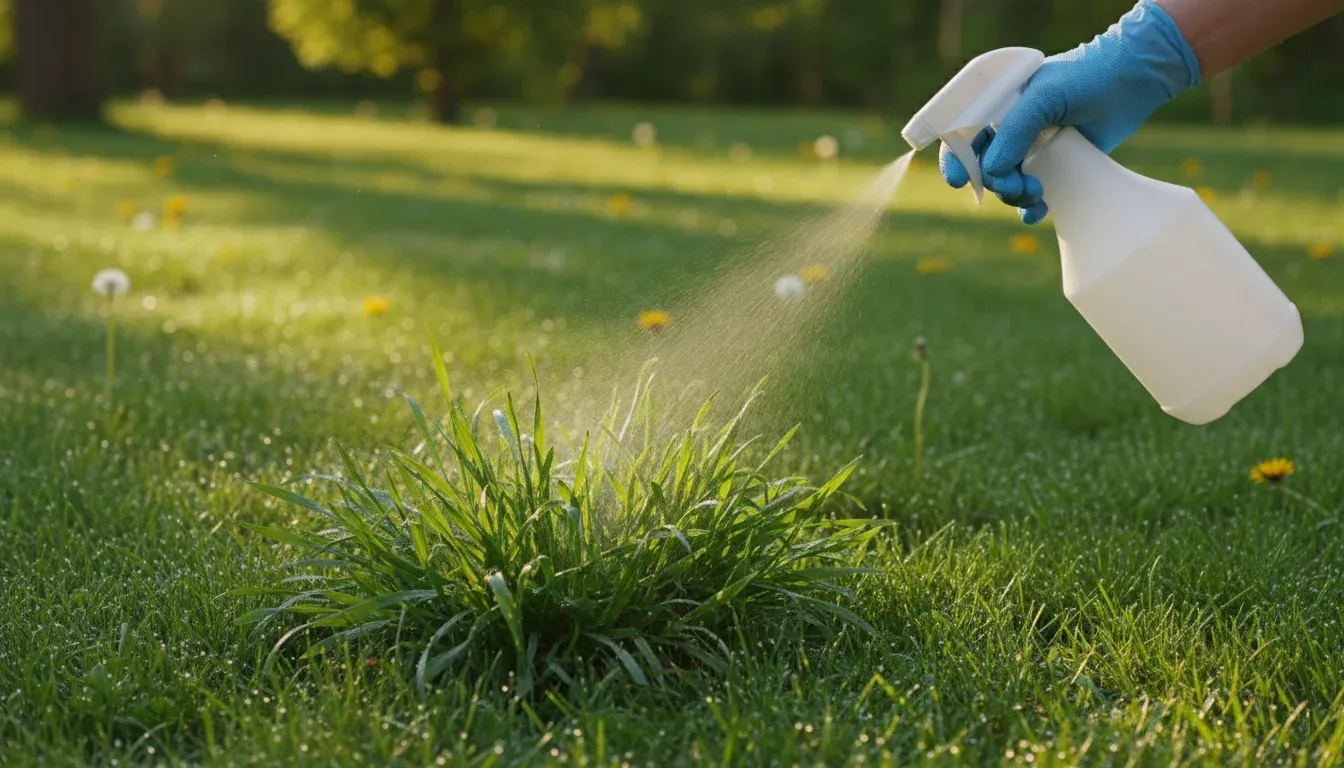
Horticultural vinegar (20% acetic acid, not the 5% kitchen stuff) burns crabgrass on contact. It’s non-selective though, so it’ll also fry any grass it touches. Use this for isolated patches or along edges where collateral damage doesn’t matter.
Spray directly on crabgrass leaves on a sunny day. The plant will brown within hours. Hit it again a week later to catch any regrowth. The roots often survive so this is more of a knockdown than a kill, but repeated applications wear it down.
5. Solarization for Large Infested Areas
If you’ve got a section of lawn that’s more crabgrass than grass, kill everything and start over. Cover the area with clear plastic sheeting, bury the edges, and let the sun cook it for 4-6 weeks in mid-summer. Soil temps under the plastic will hit 140°F, killing seeds and roots.
After solarization, rake out the dead material, add compost, and reseed in early fall. It’s a scorched-earth approach but sometimes that’s what it takes.
6. Mow Lawn High to Shade Soil
Set your mower to 3-4 inches and keep it there all season. Taller grass shades the soil surface, blocking the sunlight crabgrass seeds need to germinate. Most crabgrass seeds won’t even try to sprout when grass blades cast consistent shade on the ground.
Scalping your lawn in spring is basically rolling out the welcome mat for crabgrass. The exposed soil heats up faster, gets more light, and creates perfect germination conditions. Raise the deck, let your grass grow tall, and you’ll suppress seedlings before they even start.
7. Water Deeply Once Per Week
Deep, infrequent watering builds strong turf while starving out crabgrass. Give your lawn 1-1.5 inches of water once a week, enough to soak 6-8 inches into the soil. This forces grass roots to grow deep where they’re drought-resistant and competitive.
Shallow daily watering does the opposite – it keeps the top inch of soil moist, which is exactly where crabgrass thrives. Crabgrass has shallow roots and loves frequent moisture at the surface. Switch to weekly deep watering and you tilt the playing field toward your lawn.
8. Aerate Lawn to Reduce Compaction
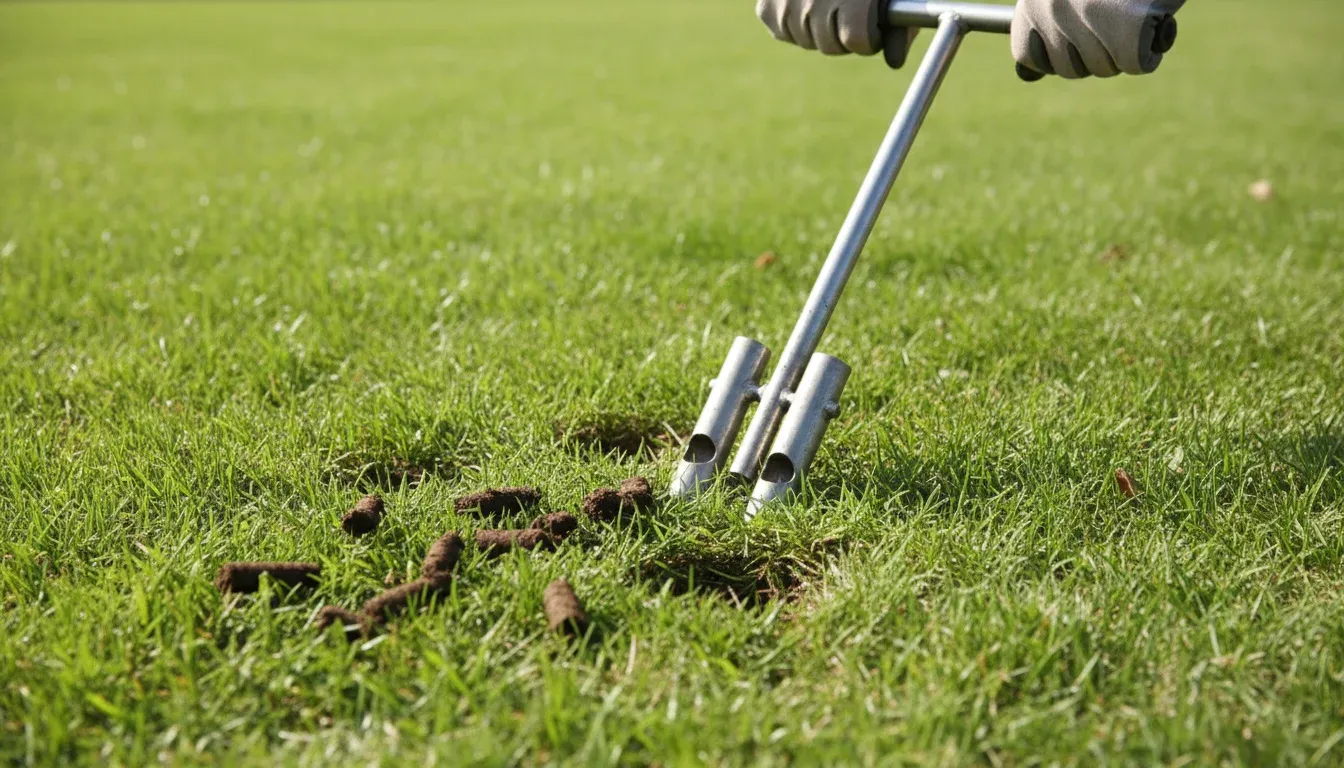
Compacted soil grows crabgrass better than grass. Core aeration pulls plugs of soil out of your lawn, breaking up compaction and letting air, water, and nutrients reach grass roots. Do this in fall when cool-season grasses are actively growing.
Rent a core aerator (the kind that pulls actual plugs, not those spike aerators that make compaction worse) and run it over your lawn in two perpendicular passes. The plugs will break down in a couple weeks. Aeration combined with overseeding in fall creates dense turf that crowds out crabgrass the following spring.
9. Overseed Bare Spots Immediately
Every bare spot is a future crabgrass patch. As soon as you notice thin or bare areas, scratch up the soil surface, spread grass seed, and cover with a thin layer of compost. Water lightly every day until it germinates, then switch to deep weekly watering.
Fall is the best time for overseeding cool-season lawns – the soil is still warm, there’s more moisture, and crabgrass isn’t actively competing. Get grass established in those bare spots before next spring and you’ll have far less crabgrass to fight.
10. Improve Soil Quality
Healthy soil grows thick grass; poor soil grows crabgrass. Test your soil to see what it needs – most lawns want a pH between 6.0-7.0 and balanced nutrients. Lime raises pH if it’s too acidic, sulfur lowers it if it’s too alkaline.
Add compost in fall to improve soil structure, increase microbial activity, and build organic matter. Compost helps clay soils drain better and sandy soils hold moisture. Better soil means stronger grass, and stronger grass outcompetes crabgrass without you doing anything.
11. Corn Gluten Meal as Organic Pre-Emergent
Corn gluten meal is a natural pre-emergent that inhibits root formation in germinating seeds. Apply it in early spring at 20 pounds per 1,000 square feet, about a month before crabgrass typically germinates in your area.
It’s less effective than synthetic pre-emergents (about 60% control vs. 90%) and adds nitrogen to the soil, so adjust your fertilizer plan. It won’t harm existing grass and won’t prevent you from overseeding in fall like some pre-emergents do.
12. Repeat Applications Through the Season
Crabgrass seeds germinate from spring through early summer, so one treatment rarely cuts it. If you used pre-emergent in spring, apply a second round 8-10 weeks later to catch the late-germinating seeds. If you’re spot-treating with post-emergent, expect to spray every 2-3 weeks as new plants emerge.
The goal isn’t perfection this year – it’s breaking the seed cycle so you have less to fight next year.
You won’t eliminate crabgrass overnight, but consistent pressure combined with a healthier lawn will shift the balance. Pick the methods that match your infestation level and stick with them through the season.