Table of Contents
That muffled, underwater feeling in your ears is annoying at best and distracting at worst. Most ear congestion comes from blocked eustachian tubes (the tiny passages that connect your middle ear to the back of your throat). When these get clogged with mucus or don’t equalize pressure properly, you get that plugged-up sensation. Here’s how to clear it.
1. Yawning to Open Eustachian Tubes
Your body already knows how to fix this. Yawning naturally opens the eustachian tubes and lets trapped air escape. The trick is forcing yourself to yawn on demand, which is harder than it sounds.
Try the fake-it-till-you-make-it approach. Open your mouth wide like you’re yawning, take a deep breath, and stretch your jaw. Even if it starts fake, you’ll often trigger a real yawn. Repeat this every few minutes until you feel (or hear) that satisfying pop.
Works best for pressure-related congestion, like after flying or driving through mountains. Less effective if you’ve got thick mucus blocking things.
2. Chewing Gum
Chewing activates your jaw muscles, which helps open and close the eustachian tubes repeatedly. Each chew creates a tiny pressure change that can gradually work things loose.
Any gum works, but go sugar-free if you’re going to be chewing for a while. The constant jaw motion is what matters, not the flavor. Keep chewing for at least 10-15 minutes. You’re not just passing time, you’re mechanically pumping those tubes.
Great for airplane pressure issues. Start chewing during descent and keep going until you land. Also useful during long car trips through changing elevations.
3. Valsalva Maneuver
This is the "plug your nose and blow" technique. Close your mouth, pinch your nostrils shut, and gently blow air through your nose. You should feel your ears pop.
Key word: gently. Blowing too hard can damage your eardrums or push infected mucus further into your ears. Use about the same pressure you’d use to blow out birthday candles, not like you’re inflating a tire.
Do it a few times if the first attempt doesn’t work, but space them out by a minute or two. If it’s painful or nothing happens after three tries, move on to something else.
4. Staying Hydrated to Thin Mucus
Thick mucus is harder to clear. Drinking more water thins it out, making it easier for your body to drain naturally. This isn’t a quick fix, but it supports everything else you’re doing.
Aim for at least eight glasses of water spread throughout the day. Hot liquids (tea, broth, even just hot water) work faster because the warmth helps loosen mucus while you drink.
Skip the dairy if your congestion is already bad. Milk doesn’t technically create more mucus, but it can make existing mucus feel thicker and stickier.

5. Steam Treatment with Hot Water and Towel
Steam loosens congestion in your sinuses and eustachian tubes. Fill a bowl with very hot water (not boiling, you’re not making pasta). Lean over it with a towel draped over your head to trap the steam. Breathe deeply through your nose for 5-10 minutes.
Add a few drops of eucalyptus or peppermint oil if you’ve got them. They open up airways and make the whole experience less boring. But plain steam works fine.
Do this 2-3 times a day when you’re congested. The heat and moisture work together to thin mucus and reduce swelling in the tubes.
6. Hot Compress on Ear
Direct heat on the affected ear can reduce pressure and improve drainage. Soak a washcloth in hot water (test it on your wrist first so you don’t burn your face). Wring it out and hold it against your ear for 30 seconds. Remove it for a minute, then repeat. Do this cycle 4-5 times.
The alternating hot-and-rest pattern increases blood flow to the area, which helps reduce inflammation and gets things moving. Don’t skip the rest periods. Constant heat just makes your skin uncomfortable without the therapeutic benefit.
Works well right before bed if congestion is keeping you up.
7. Saline Nasal Spray
Your nose and ears are connected, so clearing one helps the other. Saline spray moisturizes your nasal passages and loosens dried mucus that might be contributing to eustachian tube blockage.
Use it liberally. You can’t really overdo saline (it’s just salt water). Two sprays per nostril every few hours keeps things moist and moving. Tilt your head slightly toward the opposite side when you spray so the solution reaches deeper into your nasal cavity.
Better than medicated sprays for regular use because there’s no risk of rebound congestion. Buy the multi-use bottles, not the single-shot packets, unless you’re traveling.
8. Nasal Irrigation with Saline Rinse
This is the nuclear option for nasal congestion. A neti pot or squeeze bottle floods your sinuses with saline solution, physically flushing out mucus, allergens, and anything else clogging the works.
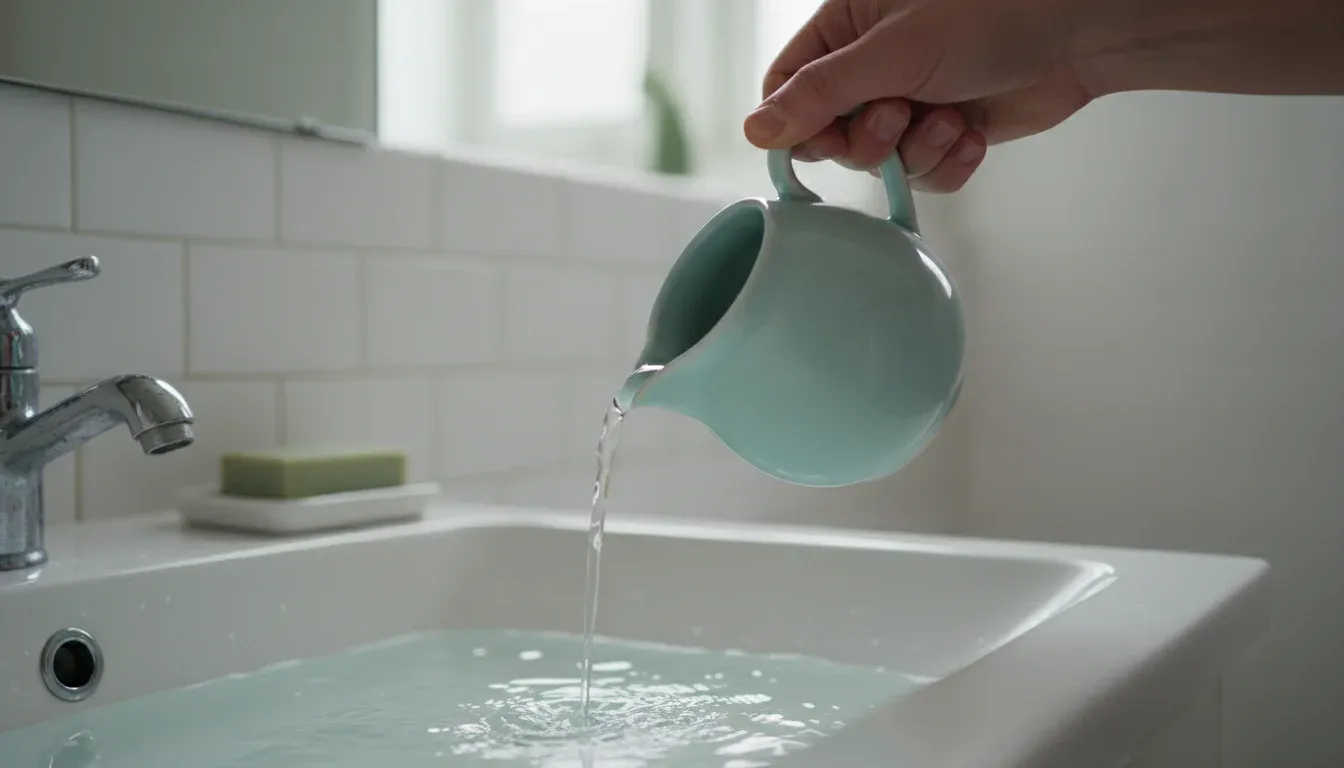
Use distilled, sterile, or previously boiled water. Never use straight tap water (rare but serious infection risk). Mix in the saline packet that comes with your device. Lean over the sink, tilt your head sideways, and pour the solution into your upper nostril. It’ll drain out the lower one, taking congestion with it.
Feels weird the first time. You’ll get used to it. Do one nostril, then the other. Blow your nose gently afterward (no aggressive honking, you just cleared everything out).
9. Nasal Decongestant Sprays
Oxymetazoline or phenylephrine sprays shrink swollen blood vessels in your nasal passages, which reduces congestion and can help open up your eustachian tubes. Two sprays per nostril, wait 5-10 minutes, and you should feel significant relief.
Only use these for 3 days maximum. Any longer and you’ll get rebound congestion (your nose becomes dependent on the spray and swells up worse when you stop). Set a reminder on your phone if you need to. These sprays work great but the rebound effect is real and miserable.
Best for acute congestion from colds or allergies, not chronic issues.
10. Oral Decongestant Tablets
Pseudoephedrine or phenylephrine pills work systemically to reduce congestion throughout your sinuses and eustachian tubes. They take 30-60 minutes to kick in but last 4-6 hours.
Take them with food if they upset your stomach. Pseudoephedrine can make you jittery or keep you awake, so avoid taking it late in the day. Some people don’t respond to phenylephrine at all (there’s ongoing debate about its effectiveness), so if one doesn’t work, try the other.
Check with a pharmacist if you’re on blood pressure medication or have heart issues. These drugs raise blood pressure slightly in most people.