Table of Contents
There are two types of ear infection and they need different approaches. Middle ear infections (otitis media) – the kind most people mean – are usually viral, often clear within 2-3 days, and don’t automatically need antibiotics. Outer ear infections (swimmer’s ear, otitis externa) are bacterial, they don’t resolve on their own, and keeping the ear dry is part of the actual treatment. Know which one you have. The methods below cover both, with notes on which applies where.
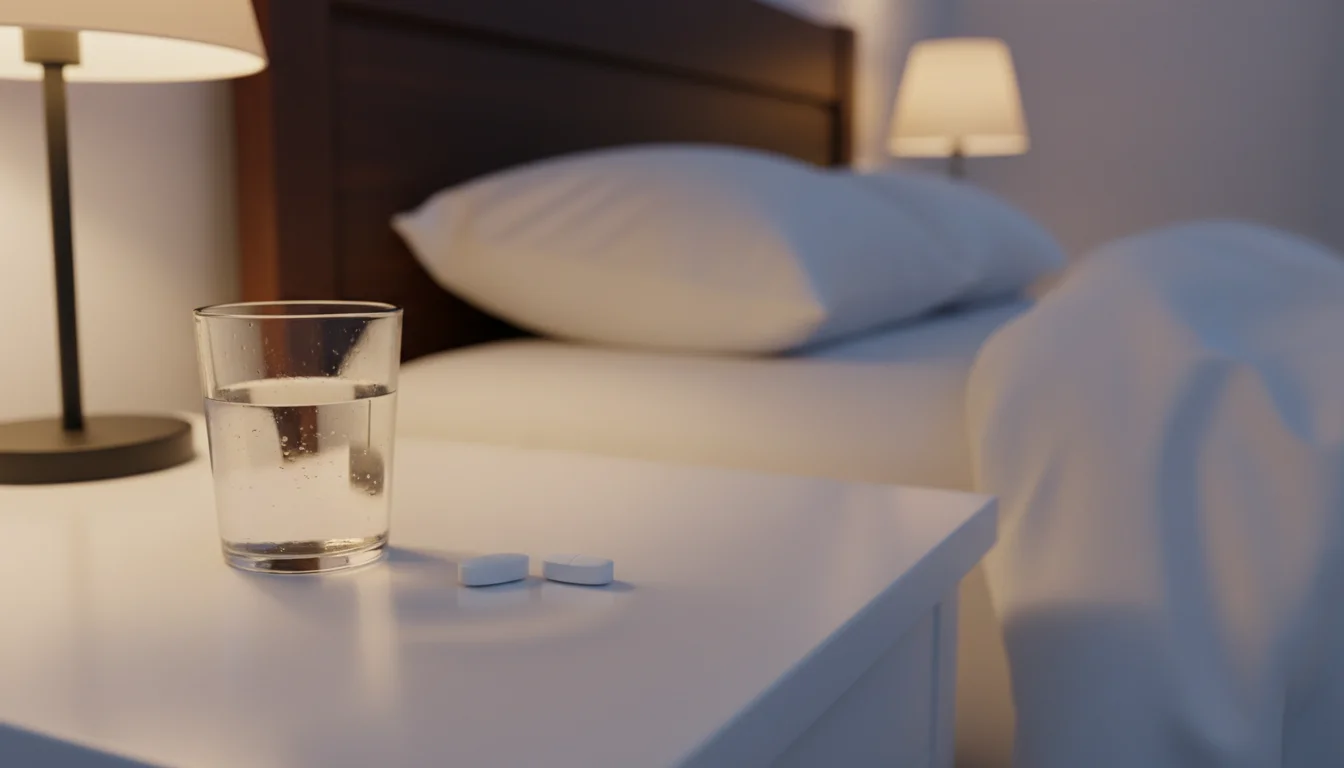
1. Over-the-Counter Pain Relief
Ibuprofen is the better choice for ear infections, not just acetaminophen. The reason: ibuprofen is an anti-inflammatory, and ear pain largely comes from inflammation and swelling around the middle ear. Acetaminophen handles pain but doesn’t reduce swelling. Both work, but ibuprofen does more of the relevant work.
Standard dosing: ibuprofen 400mg every 6-8 hours with food, or acetaminophen 500-1000mg every 4-6 hours. Follow label instructions; don’t exceed daily maximums. If stomach issues rule out ibuprofen, acetaminophen is the alternative – don’t skip pain management because it genuinely improves comfort while the infection runs its course.
Take it on a schedule rather than waiting for pain to spike. Maintaining a steady level is more effective than treating peaks after they arrive.
2. Watchful Waiting
Most people don’t know this exists as an official clinical recommendation, but it’s the standard approach for middle ear infections. The American Academy of Pediatrics guidelines recommend a 48-72 hour observation period for mild-to-moderate cases before prescribing antibiotics. Most ear infections clear within that window without any antibiotic treatment at all.
This isn’t neglect – it’s evidence-based. The majority of acute otitis media cases are viral, which antibiotics don’t touch anyway. Even bacterial ear infections frequently resolve without antibiotics, though antibiotics shorten the course by roughly a day when the infection is bacterial. Over-prescribing antibiotics for ear infections is a documented driver of antibiotic resistance in the bacteria that cause them.
Watchful waiting means: managing pain with ibuprofen or acetaminophen, monitoring for warning signs, and giving the immune system 48-72 hours to do its job.
When watchful waiting is NOT appropriate:
- Under 6 months old (any ear infection needs immediate medical evaluation)
- Fever above 102.2°F (39°C)
- Symptoms that are rapidly worsening rather than stable
- Ear discharge (fluid coming out of the ear)
- Balance problems, dizziness, or sudden hearing loss
- Stiff neck or severe headache alongside ear pain
If none of those apply: give it 48-72 hours. If symptoms aren’t improving at that point, or worsen at any time, see a doctor. The watchful waiting window has closed.
3. Hot Compress on Ear
Warm heat applied directly to the ear reduces pressure and eases pain by increasing local blood flow and relaxing the muscles around the ear. This doesn’t treat the infection but provides real symptomatic relief, especially for the pressure-type pain that ear infections cause.
Soak a washcloth in hot water, test the temperature on your wrist first, and wring it out well. Hold it against the affected ear for 30 seconds, then remove it for a minute. Repeat that cycle 4-5 times. The alternating heat-and-rest pattern is more effective than constant application – constant heat just makes the skin uncomfortable without the circulation benefit.
Works particularly well right before bed when the pain from lying down is most noticeable.
4. Keep Ear Dry
For outer ear infections (swimmer’s ear), this is treatment, not just precaution. The ear canal skin is already inflamed and compromised – water maintains the warm, moist environment that bacteria thrive in. Keeping the ear dry is part of clearing the infection.
During showering or bathing: place a cotton ball lightly coated in petroleum jelly at the opening of the ear canal to block water entry. Don’t press it in. Tilt your head to keep that side away from the spray when washing hair.
If water gets into the ear despite this: tip your head to the affected side and let it drain naturally. Don’t use a cotton swab to dry the canal – swabs push debris further in and scratch the canal skin. A hairdryer on the lowest heat setting, held 12 inches (30 cm) from the ear for about 30 seconds, provides gentle drying without the risk.
No swimming until the infection clears. Pool water and natural water both add bacterial load to an already compromised environment.
For middle ear infections: water can’t reach the middle ear through an intact eardrum. But if you suspect your eardrum may have perforated (ear discharge, sudden pain relief followed by fluid draining), treat it as you would an outer ear infection – no water in the ear until a doctor confirms the eardrum is intact.
5. Elevate Your Head While Sleeping
Ear pain often worsens significantly when lying flat. The reason: the eustachian tube – the channel connecting the middle ear to the back of the throat – drains more effectively when you’re upright. Lying flat increases fluid pressure in the middle ear and makes that drainage harder, which intensifies pain at night.
Elevating your head 6-8 inches (15-20 cm) keeps partial gravitational assistance for eustachian tube drainage even while you sleep. A foam wedge pillow works better than stacking regular pillows, which compress and shift overnight and leave you flat by morning.
Sleep with the infected ear uppermost rather than pressed against the pillow. This reduces direct pressure on the inflamed area and keeps the affected side in the better drainage position. If both ears are infected, focus on the more painful side.
6. Olive Oil Ear Drops
Put this one last because it’s the weakest entry on the list. Olive oil dropped into the ear canal has no clinical trial evidence for resolving ear infections. It may help if earwax buildup is adding to the pressure and discomfort – olive oil softens earwax reasonably well. But it doesn’t treat the infection itself.
If you want to try it: warm 2-3 drops of olive oil to body temperature (37°C / 98.6°F) by holding the bottle in your hands for a few minutes. Cold drops cause dizziness by creating a temperature differential in the vestibular system. Lie on your side, drop them into the affected ear, and stay still for 2-3 minutes before sitting up.
One hard rule: never use olive oil drops if there’s any possibility your eardrum is perforated. Signs of perforation include ear discharge, a moment of sharp pain followed by sudden pain relief with fluid draining out, or a history of eardrum perforation. Oil in the middle ear through a perforation can introduce bacteria and make the infection significantly worse.
When to See a Doctor for an Ear Infection
Home management is appropriate for mild-to-moderate ear infections in adults and children over 2. Get medical attention if:
- The patient is under 6 months old (any suspected ear infection)
- Fever above 102.2°F (39°C)
- Symptoms not improving after 72 hours of home treatment
- Ear discharge (fluid coming out of the ear canal)
- Sudden or significant hearing loss
- Balance problems, dizziness, or loss of coordination
- Stiff neck alongside ear pain
- Swelling, redness, or tenderness behind the ear
- Severe pain that isn’t controlled by ibuprofen or acetaminophen
Outer ear infections (swimmer’s ear) that don’t respond to strict dryness maintenance within 48 hours also need medical attention – they typically require prescription antibiotic eardrops rather than oral antibiotics.
FAQ
How do you get rid of an ear infection fast?
Ibuprofen is the fastest pain relief option (it reduces ear inflammation as well as pain, which acetaminophen doesn’t). A warm compress applied in 30-second intervals gives immediate pressure relief. For middle ear infections, the honest answer is that there’s no safe way to speed resolution beyond what your immune system is already doing – most clear in 2-3 days. Antibiotics shorten that by roughly a day when the infection is bacterial, but that requires a doctor visit to determine. Attempting to drain or flush the ear at home risks making it worse.
Can you flush out an ear infection?
No, and you shouldn’t try. Irrigating the ear canal during an active infection risks pushing debris further in, introducing bacteria, and causing pain. If the eardrum is perforated (which can happen with severe middle ear infections), water or irrigation fluid can enter the middle ear directly and worsen the infection considerably. For earwax buildup that’s adding to pressure, 2-3 drops of warm olive oil is a safer way to soften it. Save ear irrigation for healthy ears, not infected ones.
Will an ear infection go away on its own?
Middle ear infections: usually yes. The American Academy of Pediatrics recommends 48-72 hours of watchful waiting for mild-to-moderate cases before antibiotics, because most infections clear within that window on their own. Outer ear infections (swimmer’s ear) are different – they’re bacterial infections in the ear canal and don’t resolve without treatment (prescription antibiotic eardrops). Any ear infection in a child under 2, or one with worsening symptoms, high fever, or discharge, needs medical evaluation rather than waiting.
How do you drain an ear infection?
You don’t drain it at home. Middle ear infections involve fluid trapped behind the eardrum – it can only leave through the eustachian tube as the infection resolves, or via a medical procedure (myringotomy) in cases that don’t clear. Elevating your head while sleeping and using a warm compress both support natural drainage through the eustachian tube. Attempting to physically drain or poke the ear risks perforating the eardrum. If fluid hasn’t cleared after several weeks following infection resolution, that’s worth discussing with a doctor.