Table of Contents
Commercial pesticides work, but they come with baggage. They kill beneficial insects along with pests, leave residues on vegetables, and create health concerns for pets and children playing in the garden. Organic gardeners have long sought alternatives that actually work without the collateral damage.
Mushroom-based pest spray is one of the most effective natural solutions few people know about. Certain mushrooms contain compounds that repel or kill common garden pests while remaining harmless to beneficial insects, humans, and pets. The spray leaves a residue and scent that confuses pests and deters feeding.
Here’s how to make and use mushroom pest repellent spray in your garden.
1. Make the Basic Mushroom Spray
The foundation of this pest control method is a simple blend of mushrooms and water. The process is straightforward and uses ingredients you likely already have.
Chop 200 grams of fresh mushrooms into small pieces. Any edible mushroom variety works—button mushrooms from the grocery store, oyster mushrooms, or wild foraged varieties. The compounds that repel pests are present in most fungi.
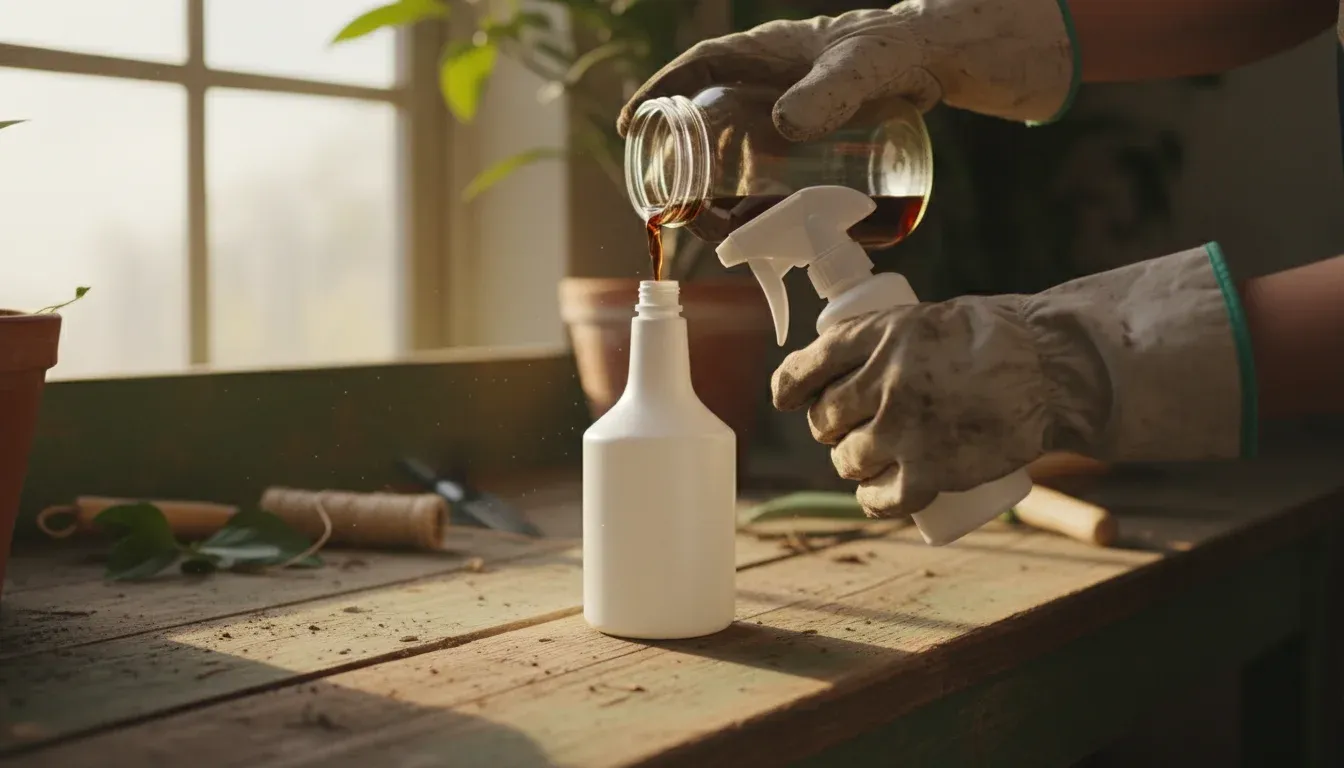
Place the chopped mushrooms in a blender with one liter of water. Blend until the mixture is smooth and fully integrated. The water will take on a brownish color as it absorbs the mushroom compounds.
Strain the blended mixture through a fine sieve or cheesecloth. Remove all solid particles that could clog your spray bottle. The resulting liquid is your base pest repellent spray.
Pour the strained liquid into a clean spray bottle. Store unused portions in the refrigerator for up to one week. The spray loses potency over time, so make fresh batches regularly during growing season.
2. Boost Effectiveness with Essential Oils
While the basic mushroom spray works on its own, adding essential oils targets specific pests and increases overall effectiveness. Different oils work against different insects.
For slugs and snails—the bane of lettuce and hosta growers—add 10 to 15 drops of peppermint oil to your mushroom base. The strong mint scent repels these slimy pests without harming plants. Garlic extract works similarly; add two crushed garlic cloves to the blender with your mushrooms.
Rosemary oil deters a broad range of chewing insects including cabbage worms and beetles. Add 10 drops per liter of spray. The herbaceous scent masks the smell of your plants, making them harder for pests to locate.
For aphids, caterpillars, and greenfly, neem oil is the gold standard. Add one teaspoon of neem oil per liter of mushroom spray. Neem disrupts feeding and reproduction in soft-bodied insects while the mushroom compounds provide residual protection.
Always shake the spray bottle well before use. Essential oils can separate from the water base, and thorough mixing ensures even distribution across your plants.
3. Apply for Maximum Coverage
Application technique matters as much as the spray itself. Proper coverage ensures pests contact the repellent while protecting all plant surfaces.
Spray in the early morning or late evening. Avoid applying during midday heat when sunlight can cause rapid evaporation and potential leaf burn. Calm days are best—wind blows spray away from target plants.
Cover all foliage thoroughly, including the undersides of leaves where many pests hide and feed. Spray stems and the soil surface around plant bases. Pests travel along stems and emerge from soil; treating these areas creates a complete barrier.
For severe infestations, spray every three to four days. This schedule maintains the repellent residue that confuses and deters pests. For maintenance and prevention, weekly application is usually sufficient.
Reapply after rain. Water washes away the spray residue, leaving plants unprotected. Check your garden after rainfall and treat any areas where the spray has been diluted or washed away.
4. Understand What Mushroom Spray Controls
This natural repellent works against a broad spectrum of common garden pests. Understanding its range helps you set realistic expectations and supplement with other methods when necessary.
Mushroom spray excels at repelling slugs, snails, aphids, caterpillars, and greenfly—the most common vegetable garden pests. The combination of mushroom compounds and essential oils creates a multi-layered defense these pests find unacceptable.
The spray also deters many beetle species including Colorado potato beetles, cucumber beetles, and bean beetles. These chewing insects avoid treated plants, reducing damage to leaves and fruit.
Spider mites and whiteflies show mixed responses to mushroom spray. While the spray reduces populations, severe infestations may require supplemental treatments like insecticidal soap or neem oil applications.
Beneficial insects like ladybugs, lacewings, and pollinating bees are not harmed by mushroom spray. This selectivity preserves your garden’s natural pest control while targeting problem species.
5. Integrate with Other Organic Practices
Mushroom spray works best as part of a comprehensive organic pest management strategy. Combining methods provides protection that no single approach can achieve alone.
Practice good garden hygiene. Remove plant debris promptly, as dead leaves and stems harbor pest populations. Keep the garden free of weeds that serve as alternative hosts for pests.
Encourage beneficial insects by planting flowers that attract them. Dill, fennel, yarrow, and cosmos draw predatory insects that eat pests. A diverse garden with abundant flowers supports natural pest control.
Use physical barriers alongside sprays. Row covers prevent flying insects from reaching plants. Copper tape around raised beds deters slugs and snails. These barriers work with mushroom spray for complete protection.
Rotate crops annually. Moving plant families to different garden areas disrupts pest life cycles. Many garden pests overwinter in soil near their host plants; rotation prevents buildup of pest populations.
Mushroom pest spray represents the best of organic gardening—effective pest control using simple, natural ingredients. Start with the basic mushroom and water blend, adding essential oils based on your specific pest problems. Apply thoroughly in early morning or evening, covering all plant surfaces including leaf undersides. Reapply every three to four days during active infestations, or weekly for prevention. Combined with good garden practices and beneficial insect support, mushroom spray keeps your garden productive without synthetic chemicals.