Table of Contents
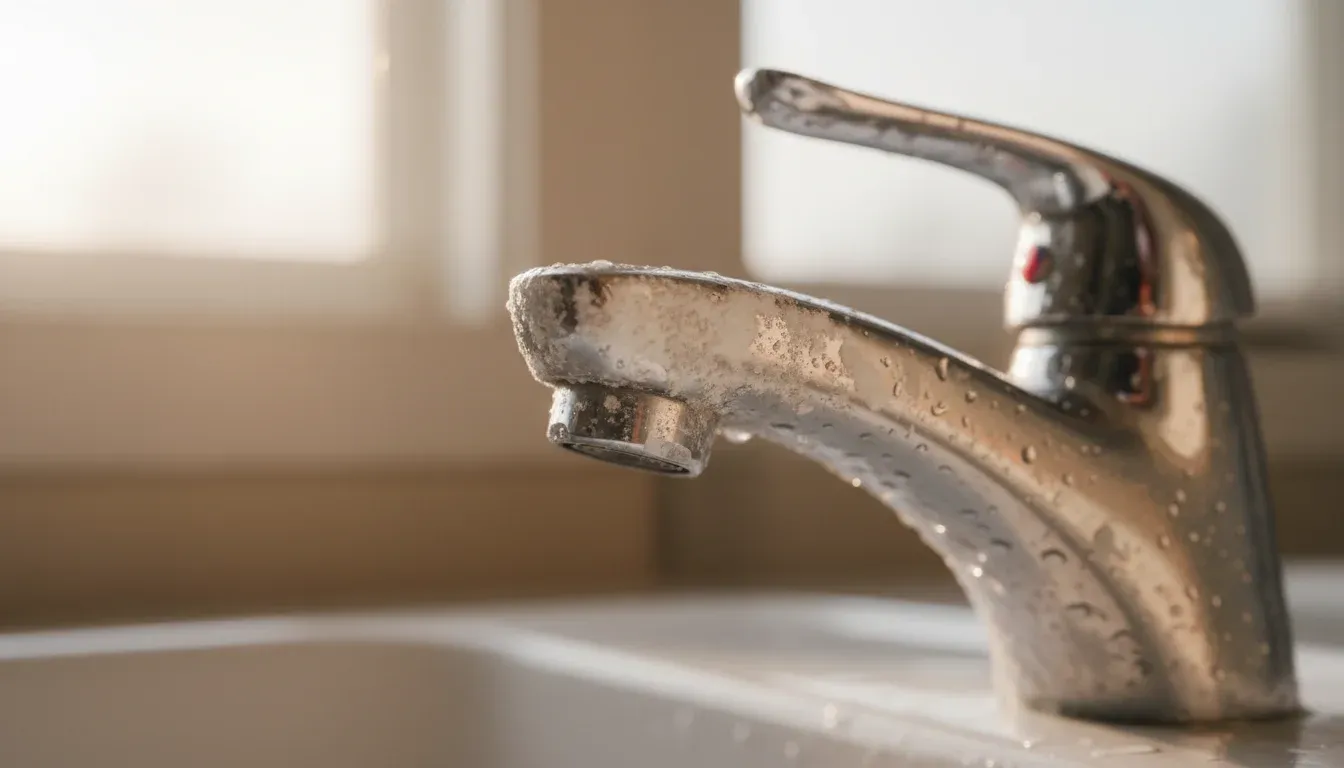
Hard water is a silent household nuisance that shows up as chalky white residue on your faucets, spots on freshly washed glassware, and reduced water flow from mineral-clogged showerheads. The culprit is high mineral content—primarily calcium and magnesium—that leaves behind stubborn limescale deposits. If left untreated, hard water can shorten appliance lifespans, increase energy bills, and leave surfaces looking perpetually dirty. The good news? You do not need to live with it. Whether you want quick fixes for existing buildup or long-term solutions to prevent it, this guide covers practical remedies ranging from pantry staples to professional-grade treatments.
1. White Vinegar Soak for Fixtures
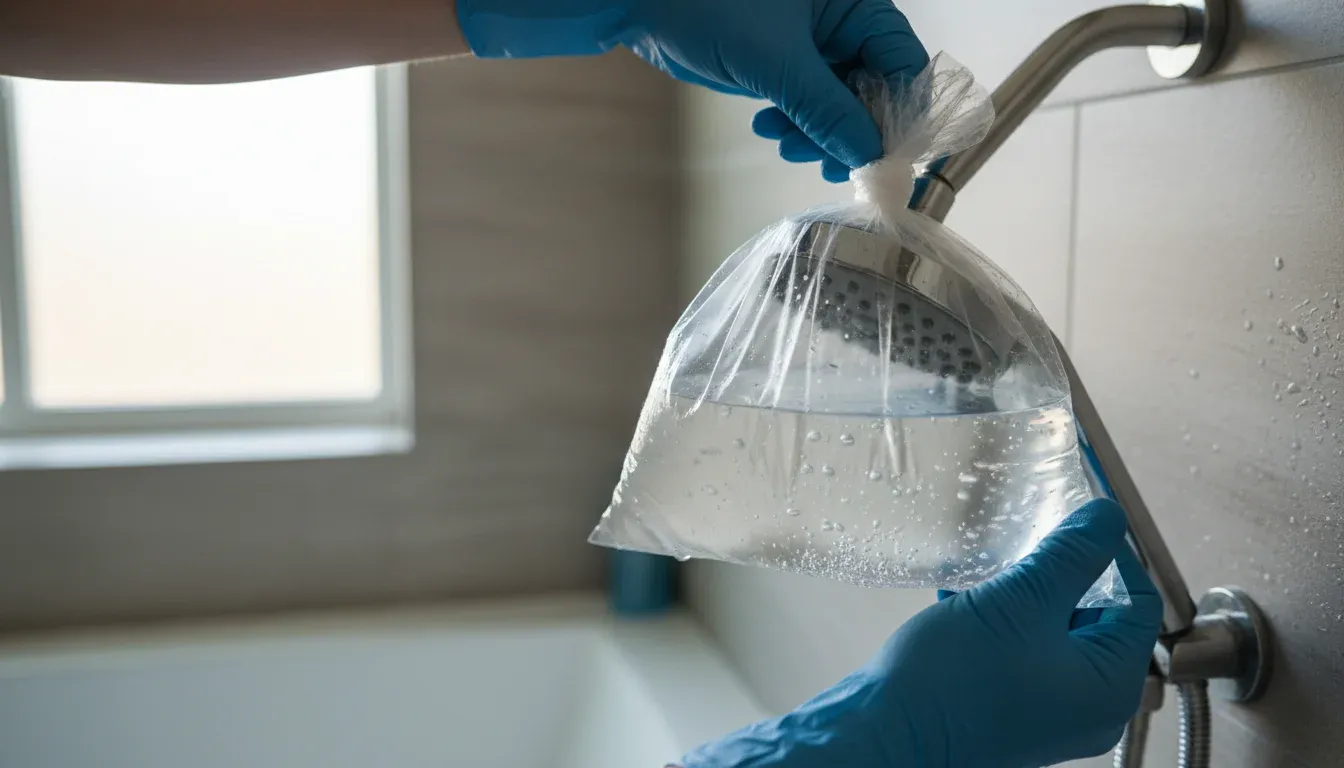
White distilled vinegar is the gold standard for dissolving calcium deposits due to its acetic acid content. For showerheads and faucet aerators, mix equal parts white vinegar and warm water in a plastic bag. Secure the bag over the fixture with a rubber band, ensuring the affected areas are fully submerged. Leave for 30 minutes to 2 hours depending on buildup severity. Remove the bag, scrub gently with an old toothbrush, and run water to flush. For stubborn deposits on tap bases or handles, soak paper towels in full-strength vinegar and wrap them around the affected areas for 1 hour before scrubbing. This method costs pennies and works on chrome, stainless steel, and porcelain without scratching.
2. Baking Soda Paste for Scrubbing
When you need abrasion without harsh chemicals, baking soda provides gentle scouring power that lifts mineral deposits without damaging surfaces. Mix 3 parts baking soda to 1 part water to form a thick paste. Apply to stained areas like sink basins, toilet bowls, or tile grout. Let it sit for 15 minutes, then scrub with a non-scratch sponge or nylon brush. For extra power on glass shower doors, combine this paste with the vinegar method—spray vinegar first, then sprinkle baking soda directly onto the damp surface for a fizzing reaction that breaks down scale. Rinse thoroughly and dry with a microfiber cloth to prevent new spots from forming as water evaporates.
3. Citric Acid Solution for Heavy Buildup
For limescale that laughs at vinegar, citric acid offers stronger chelating power. Found in powdered form at grocery stores or online, mix 2 tablespoons of citric acid powder with 1 cup of hot water until dissolved. This solution works exceptionally well for kettles, coffee makers, and humidifiers. Fill the appliance halfway with the solution, let it sit for 20 minutes, then scrub and rinse. For dishwashers, place 1/4 cup of citric acid powder in the detergent dispenser and run an empty hot cycle. The acidity dissolves mineral bonds more aggressively than vinegar while leaving a pleasant citrus scent rather than a sour one.
4. Denture Tablets for Small Parts and Nooks
Here is a method most articles miss: effervescent denture cleaning tablets excel at reaching tiny crevices where brushes cannot. Drop 2-3 tablets into a bowl of warm water and submerge small items like sink aerators, shower hose connectors, or the mesh filter from your washing machine inlet hose. The bubbling action lifts mineral deposits from threads and internal channels. Soak for 30 minutes, then rinse and reinstall. This works surprisingly well on glassware with etching from hard water—fill the glass with tablet solution and let it fizz away the cloudy film.
5. Commercial Descaling Products
When DIY solutions fall short, targeted commercial products save time. Look for descalers containing hydrochloric or sulfamic acid for severe appliance limescale. Products like CLR or Lime-A-Way work on toilets, tiles, and glass, but always test on a small area first and wear gloves. For washing machines and dishwashers, use appliance-specific cleaners like Affresh or Dishwasher Magic monthly. These contain surfactants that cling to vertical surfaces and break down biofilm along with minerals. Follow label directions precisely—overuse can damage rubber seals or etch certain metals.
6. Install a Water Softener System
The only permanent solution to hard water is removing the minerals before they enter your plumbing. Ion-exchange water softeners replace calcium and magnesium ions with sodium or potassium ions through resin beads. For a household of four, a 32,000-grain capacity unit typically suffices. Installation requires plumbing knowledge—either DIY if you are handy or professional installation averaging $1,000-$2,500. Salt-free conditioners are an alternative for those monitoring sodium intake; they crystallize minerals so they cannot adhere to surfaces, though they do not technically soften water. Expect to pay $300-$1,000 for these units, with maintenance limited to occasional cartridge changes.
7. Dishwasher Rinse Aid and Filter Maintenance
To eliminate spots on dishes and glassware immediately, fill your dishwasher’s rinse aid reservoir with a commercial rinse aid like Jet-Dry or white vinegar as a budget alternative. Rinse aid changes how water droplets form and evaporate, preventing mineral spots from crystallizing on surfaces. Simultaneously, clean your dishwasher’s filter monthly—hard water minerals trap food particles, creating a gritty residue that redeposits on clean dishes. Remove the bottom rack, twist out the cylindrical filter, and scrub it with hot soapy water using a bottle brush to clear all mesh holes.
Hard water frustration is entirely solvable with the right approach. Start with vinegar and baking soda for immediate relief on fixtures and surfaces. Progress to citric acid or commercial descalers for appliances with significant scale. For lasting peace of mind, invest in a water softener or conditioner appropriate for your home size and water hardness level. Consistent maintenance—monthly dishwasher cleanings, occasional descaling of the kettle, and prompt wiping of wet surfaces—keeps mineral buildup from returning. Your fixtures will shine, your appliances will run efficiently, and your glassware will come out of the dishwasher spotless.