Table of Contents
That burning feeling behind your breastbone after a meal is stomach acid pushing up through the lower esophageal sphincter (LES) into your esophagus. It’s not dangerous once in a while, but it’s miserable. If you’re trying to figure out how to get rid of heartburn, the approach depends on timing: kill the burn right now, or stop it from happening again. These 8 methods cover both, starting with immediate relief and working toward prevention.
1. Antacids
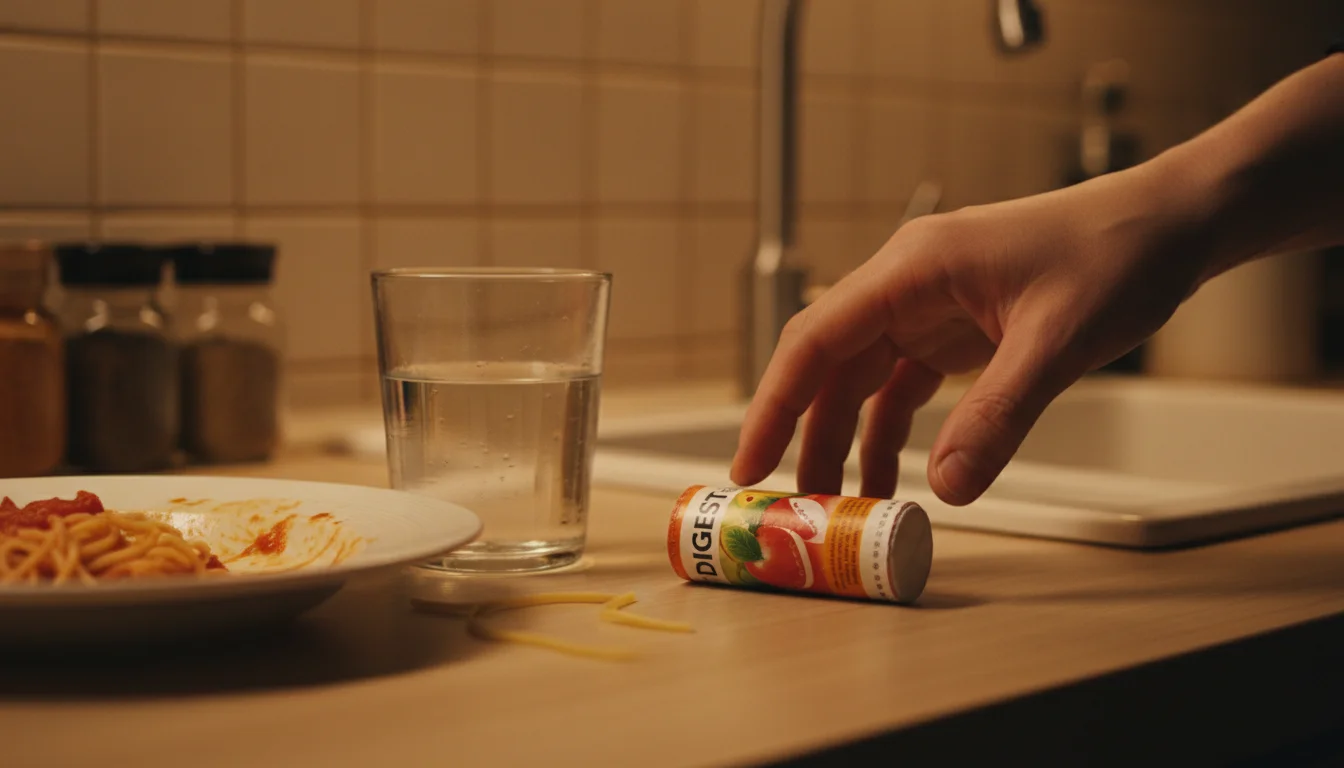
Over-the-counter antacids (Tums, Rolaids, Maalox, Mylanta) neutralize stomach acid on contact and work within minutes. Chew or swallow the tablet with water as directed on the label. Calcium carbonate versions (Tums) work fastest. Liquid antacids coat the esophagus more effectively than tablets, but tablets are easier to carry around.
They don’t prevent future episodes or heal esophageal damage. They put out the fire that’s already burning. If you’re reaching for them more than twice a week, you need a longer-term approach. And don’t take them within 2 hours of other medications since they interfere with absorption of antibiotics, thyroid drugs, and more.
2. Baking Soda Water
No antacids in the house? This works the same way. Mix 1/2 teaspoon of baking soda into 4 oz (120 ml) of water and drink it. Tastes terrible. Works within minutes.
Don’t make this a habit. Baking soda is high in sodium and disrupts your body’s pH balance with regular use. Limit yourself to three doses in a day, max. For repeat heartburn, get actual antacids or move down this list.
3. Proton Pump Inhibitors
PPIs (Prilosec, Nexium, Prevacid) block the enzyme that pumps acid into your stomach, reducing production by 90-95%. They don’t provide instant relief. They take 1-4 days to reach full effect. But once working, they suppress acid for up to 24 hours per dose.
Take one pill in the morning, 30 minutes before breakfast. That timing is not optional since PPIs activate when your stomach starts producing acid. OTC versions are designed for 14-day courses. Generic store brands contain the same active ingredients for less money. If heartburn returns after the course ends, see a doctor rather than running another cycle solo.
You can take antacids alongside a PPI during those first few days while you wait for it to kick in.
4. Track and Eliminate Trigger Foods
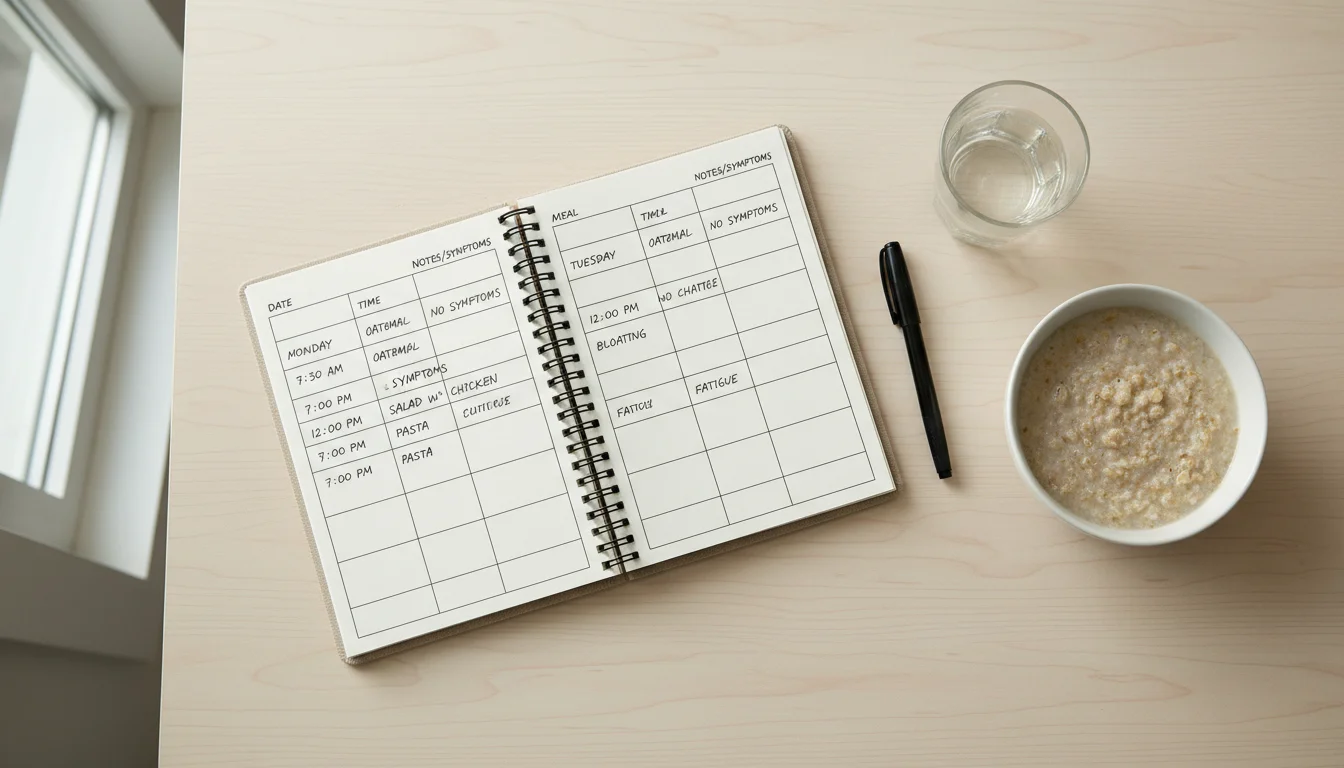
Heartburn triggers vary wildly between people, but the usual suspects are tomatoes, citrus, chocolate, coffee, alcohol, fried foods, onions, and mint. The only way to know your specific triggers is to track them. Write down what you eat and when the burn starts. The pattern usually shows up within a week or two.
Once you’ve identified the culprits, cut them. Not "reduce" them. Cut them and see if the heartburn stops. You can reintroduce one at a time later to find the threshold.
5. Eat Smaller Meals
A full stomach pushes acid upward against the LES. Smaller, more frequent meals keep stomach volume and pressure lower. Aim for 4-5 meals of roughly 300-500 calories each instead of three big ones. Stop eating before you feel stuffed.
Eating speed matters too. Your brain takes about 20 minutes to register fullness. Eat fast and you overshoot before the signal arrives. This is a long game, not a quick fix. It won’t help mid-episode but reduces how often episodes happen.
6. Don’t Lie Down After Eating
Gravity keeps stomach acid in your stomach. Lie down and acid pools against the LES. Stay upright for at least 3 hours after eating. Dinner at 7 means no bed before 10.
This one habit eliminates nighttime heartburn for a lot of people. No pills, no cost, just timing. And it applies beyond bedtime. Post-lunch naps and reclining on the couch after dinner count too.
7. Elevate Your Head While Sleeping
Raise the head of your bed 6-8 inches (15-20 cm) with a wedge pillow. This keeps gravity working in your favor even while you sleep. A proper foam wedge is better than stacking regular pillows since stacked pillows slip during the night and you end up flat anyway.
Left-side sleeping also helps. The anatomy of the stomach means acid is less likely to reach the esophagus when you’re on your left side. Pair the wedge with a left-side position for the best nighttime results.

8. Wear Loose Clothing
Tight waistbands, belts, and shapewear compress the abdomen and push stomach contents upward. If you get heartburn after meals, loosen your belt a notch or switch to elastic waistbands.
This alone won’t solve the problem, but it removes one source of upward pressure. Especially relevant after a big meal when stomach volume is already high.
What Causes Heartburn
The lower esophageal sphincter is supposed to stay shut except when you swallow. When it relaxes inappropriately or weakens, stomach acid escapes into the esophagus and you feel that burn. Common triggers: spicy, fatty, or acidic foods, caffeine, alcohol, and smoking. Obesity and pregnancy both increase abdominal pressure, which pushes acid upward. A hiatal hernia can make the problem structural. Heartburn that happens occasionally is normal. Heartburn that happens twice a week or more is called GERD and needs medical attention.
Prevention
Most prevention is just the lifestyle methods above done consistently. Maintain a healthy weight, avoid eating within 3 hours of bed, identify and dodge your trigger foods, limit alcohol and caffeine. If you smoke, that’s one more reason to quit since nicotine relaxes the LES. Combine several of these habits and most people can keep heartburn from recurring without medication.
When to Call a Professional
See a doctor if heartburn hits more than twice a week (that’s likely GERD, not occasional heartburn). Also get checked if you have difficulty swallowing, persistent nausea or vomiting, unexplained weight loss, or if OTC medications stop working after 2 weeks. And if you feel chest pain that could be cardiac rather than digestive, don’t gamble on it. Get it evaluated immediately.
Frequently Asked Questions
What can I drink to relieve heartburn?
Plain water can help by washing acid back down. Baking soda water (1/2 teaspoon in 4 oz) neutralizes acid directly. Some people find cold milk soothing, though dairy triggers heartburn for others. Avoid citrus juices, coffee, and carbonated drinks since they all make it worse.
Does drinking water help heartburn?
It helps mildly. Water dilutes stomach acid and pushes it back down into the stomach. It won’t stop a severe episode the way an antacid will, but sipping water is better than doing nothing. Some people find room temperature easier on the stomach than ice cold.
How to stop acid reflux at night while pregnant?
Pregnancy heartburn peaks in the third trimester when the uterus pushes up against the stomach. Sleep on your left side with a wedge pillow. Eat small meals and stop eating 3 hours before bed. Calcium-based antacids (Tums) are generally considered safe during pregnancy. Avoid sodium bicarbonate. Always check with your doctor before taking anything.
How to treat acid reflux in kids naturally?
Smaller, more frequent meals are the starting point. Keep kids upright for 30 minutes after eating. Avoid known triggers like citrus, tomato sauce, and fried foods. Elevate the head of the bed. If symptoms persist beyond a few weeks, see a pediatrician since chronic reflux in children can affect growth and esophageal development.