Table of Contents
Nothing is more frustrating than watching healthy plants become lunch for insects. Whether you’re tending a vegetable garden or keeping houseplants alive, bug damage can turn lush greenery into a hole-ridden mess within days. The key is acting fast before the infestation spreads.
You don’t need to identify every pest to save your plants. While some gardeners prefer targeted solutions for specific bugs, a simple universal approach works for most common plant-eating insects. Here’s how to stop the damage and protect your plants.
1. Use the 70% Isopropyl Alcohol Spray
This medicine cabinet hack is surprisingly effective against nearly any insect on your plants. Isopropyl alcohol (rubbing alcohol) kills bugs on contact by dissolving their exoskeletons and dehydrating them.
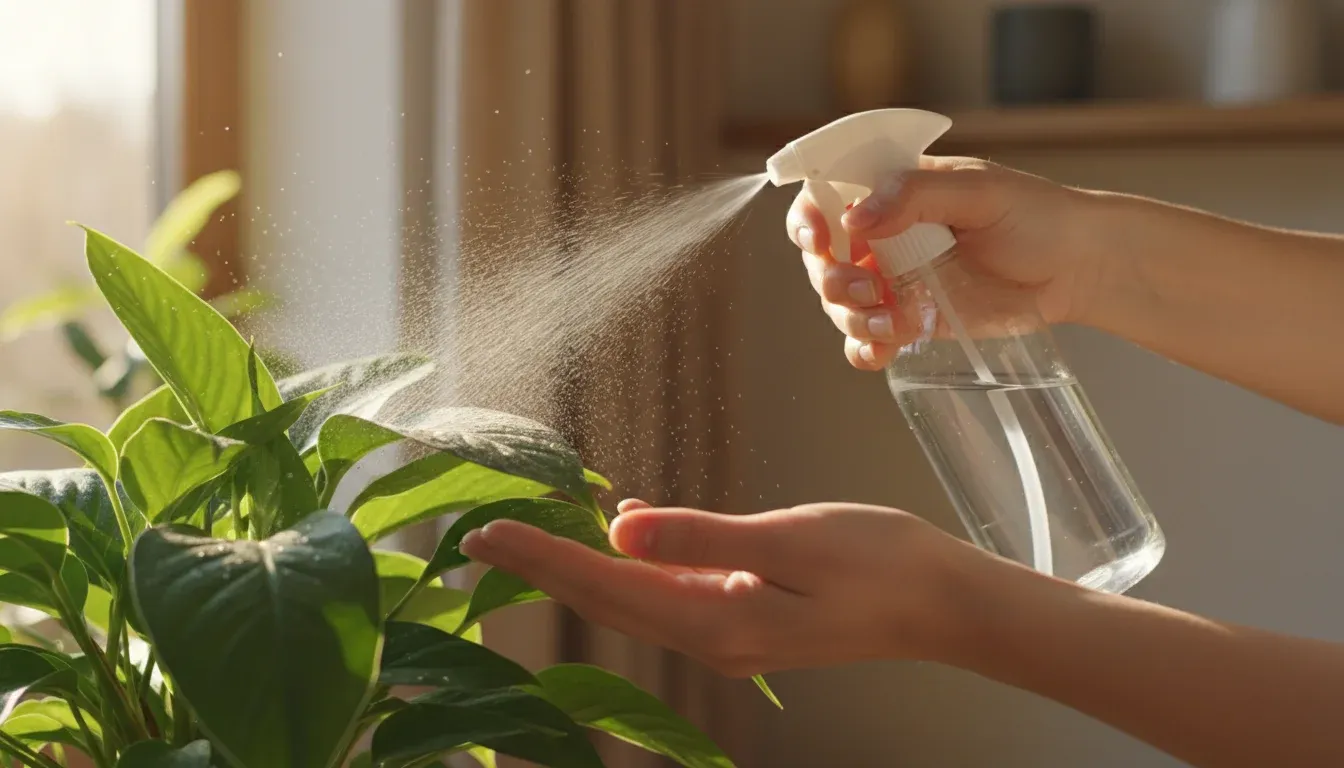
Fill a spray bottle with 70% isopropyl alcohol—the concentration found in most first aid kits. Spray it directly onto any visible insects on your plants. You’ll see results immediately as the bugs die within seconds of contact.
Let the alcohol sit for 4 to 5 minutes, then rinse your plant with fresh water. This final step is crucial because leaving alcohol on leaves too long can cause damage. Don’t skip it.
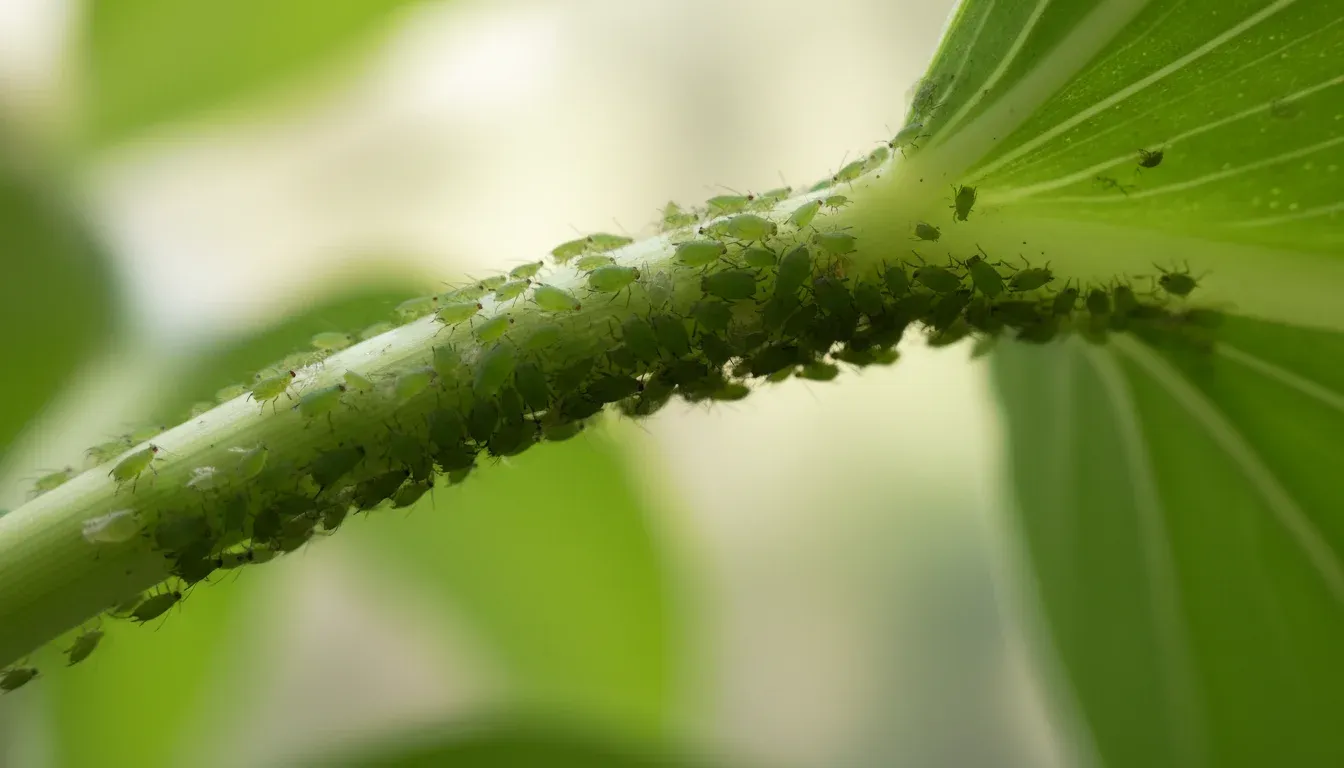
This method works on aphids, mealybugs, scale insects, spider mites, and any other crawling or flying pest. It’s safe for most plants but test on a small leaf first if you’re concerned about sensitivity.
2. Hand-Pick Larger Insects
For bigger pests like caterpillars, slugs, snails, and beetles, your hands are the best tool. These insects are large enough to see and grab, and manual removal gives you immediate control.
Check your plants in the early morning or evening when many pests are most active. Look under leaves, along stems, and in the soil surface where slugs and snails hide during the day. Drop captured insects into a bucket of soapy water to kill them.
Wear gloves if you’re squeamish, but hand-picking is the fastest way to handle sporadic infestations. It works especially well for tomato hornworms, Japanese beetles, and cabbage worms that are too large for sprays to reach effectively.
Make this a weekly habit during growing season. A five-minute inspection every few days prevents small populations from becoming overwhelming infestations.
3. Spray with Insecticidal Soap
Insecticidal soap is a gentle, effective option that kills soft-bodied insects without harming most plants. You can buy pre-made solutions or make your own by mixing one tablespoon of pure liquid castile soap with one quart of water.
Spray the solution directly onto affected areas, coating the insects thoroughly. The soap disrupts their cell membranes, causing them to dehydrate and die within hours. It works well on aphids, whiteflies, spider mites, and young scale insects.
Apply in the morning or evening when temperatures are cool. Soap sprays can burn leaves if applied during hot, sunny weather. Reapply every few days until you see no more pests.
Never use dish soap that contains degreasers or antibacterial agents—these can damage plant tissue. Stick to pure, natural soap products.
4. Apply Neem Oil
Neem oil is a botanical insecticide derived from the neem tree. It works differently than contact killers by disrupting insect feeding and growth patterns. Many pests stop eating treated plants within hours of application.
Mix neem oil according to package directions—usually one to two tablespoons per gallon of water with a few drops of dish soap as an emulsifier. Spray it on all plant surfaces, including the undersides of leaves where bugs hide.
Neem oil works as both a treatment and preventative. It repels many insects and prevents eggs from hatching, breaking the reproduction cycle. It’s particularly effective against aphids, whiteflies, and mealybugs.
Apply neem oil in the evening to avoid leaf burn. It has a strong smell that dissipates within a day, but some people find it unpleasant. The trade-off is a natural, long-lasting solution that doesn’t harm beneficial pollinators once dry.
5. Improve Plant Health and Environment
Healthy plants resist pests better than stressed ones. Start by ensuring your plants get appropriate light, water, and nutrients for their species. Overwatering is a common mistake that creates perfect conditions for fungus gnats and root pests.
Remove dead leaves and debris from around plants promptly. This eliminates hiding spots for pests and removes potential breeding grounds. Keep the area around your plants clean and tidy.
Increase air circulation around indoor plants by spacing them properly and using a small fan. Many pests, including spider mites and fungus gnats, thrive in stagnant, humid conditions.
For outdoor gardens, encourage beneficial insects like ladybugs and lacewings that eat pest insects. Plant flowers such as dill, fennel, and yarrow to attract these natural predators to your garden.
Protecting your plants from insects doesn’t require a chemistry degree or expensive products. Start with the isopropyl alcohol method for immediate results on any bug you see. For ongoing control, combine hand-picking for large pests with insecticidal soap or neem oil for smaller infestations. Keep your plants healthy and their environment clean, and you’ll spend more time enjoying your garden than fighting bugs.