Table of Contents
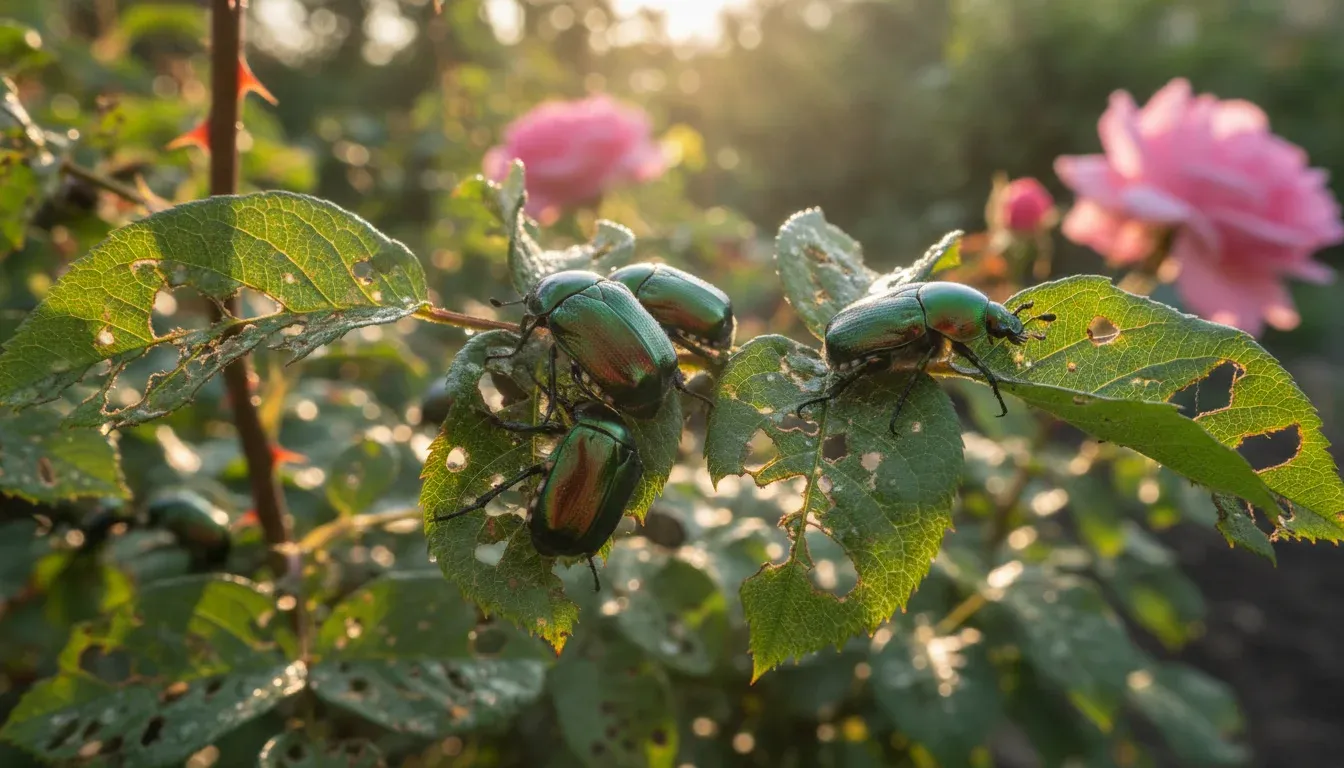
Japanese beetles are metallic green insects with copper-brown wings that devour plant tissue faster than most garden pests. A single beetle eats about 1.4 square inches of foliage daily, and they feed in groups that can strip a rose bush or grapevine to bare stems within days. These beetles target over 300 plant species, with particular appetite for roses, fruit trees, grapevines, and vegetable crops. This guide covers the most effective removal and prevention methods to protect your plants during the beetles’ active season from June through August.
1. Hand-Pick Beetles in Early Morning
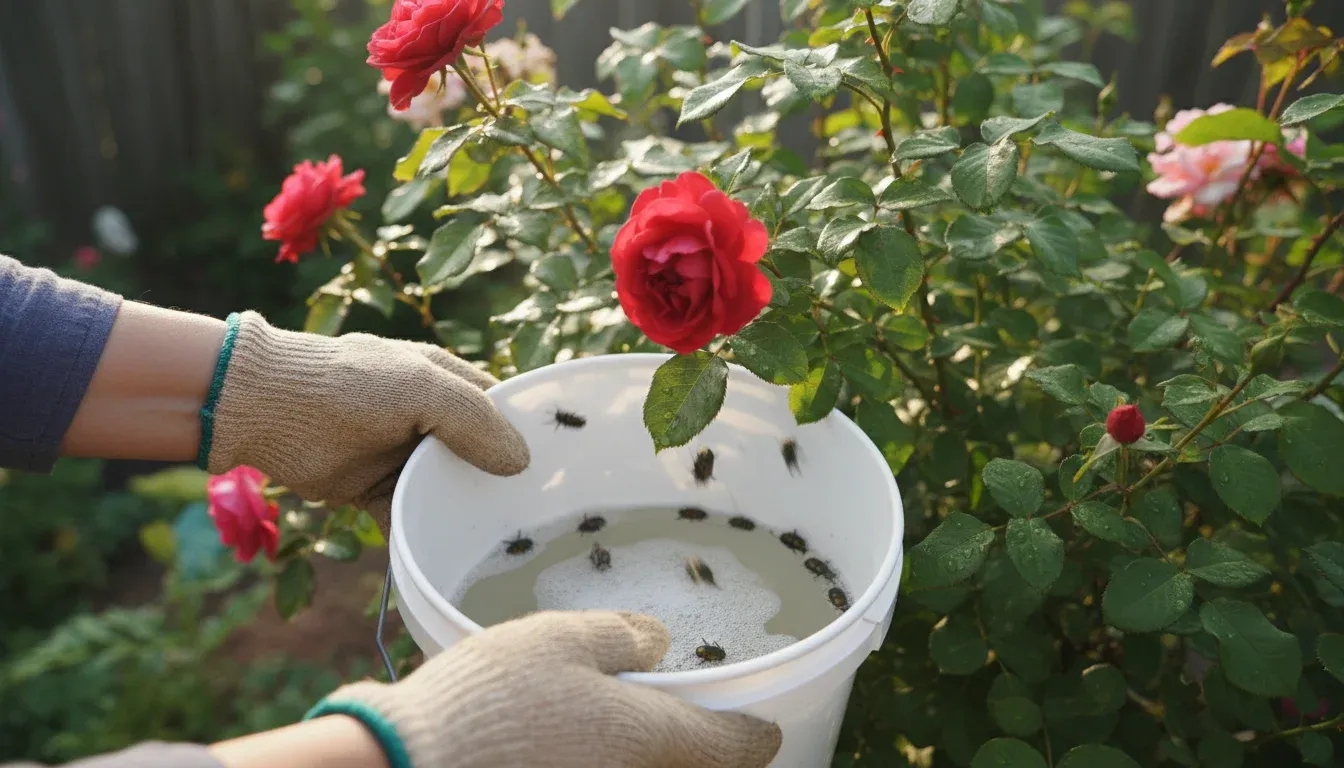
Japanese beetles move slowly in cool morning temperatures, making them easy to collect before they become active. Fill a bucket with soapy water and position it under infested plants. Tap branches or shake leaves to dislodge beetles directly into the bucket – the soap breaks surface tension and drowns them immediately. Focus on plants with visible feeding damage, checking both upper and lower leaf surfaces where beetles cluster. Perform this daily during peak beetle activity to prevent population growth before egg-laying begins.
2. Apply Neem Oil to Deter Feeding
Neem oil disrupts Japanese beetle feeding behavior and reproductive cycles without harming beneficial insects when applied correctly. Mix neem oil concentrate with water according to label instructions (typically 2 tablespoons per gallon) and spray all plant surfaces until dripping. Apply in early morning or evening to avoid leaf burn, coating both leaf tops and undersides where beetles feed. Reapply every 7-10 days or after rainfall. The azadirachtin compound in neem interferes with beetle molting and egg development, reducing next season’s population.
3. Install Japanese Beetle Traps Away From Plants
Beetle traps use floral and pheromone lures to attract adults, but placement determines whether they protect or worsen damage. Position traps at least 30 feet away from valuable plants – closer placement draws more beetles to the area than the trap captures. Empty traps every 2-3 days before captured beetles release aggregation pheromones that attract additional swarms. Traps work best for monitoring population levels or protecting small garden areas when positioned at property borders where beetles enter from neighboring yards.
4. Spray Spinosad on Active Infestations
Spinosad is a bacteria-derived insecticide that kills Japanese beetles through ingestion and contact while remaining low-toxicity to mammals and birds. Spray spinosad products (like Monterey Garden Insect Spray) directly on beetles and thoroughly coat foliage they’re feeding on. Apply in evening hours to minimize impact on bees, which are not active at dusk. Spinosad breaks down in sunlight within a few days, so reapply after rain or every 5-7 days during heavy infestations. This method works faster than neem oil when beetle numbers are high.
5. Treat Lawn with Beneficial Nematodes
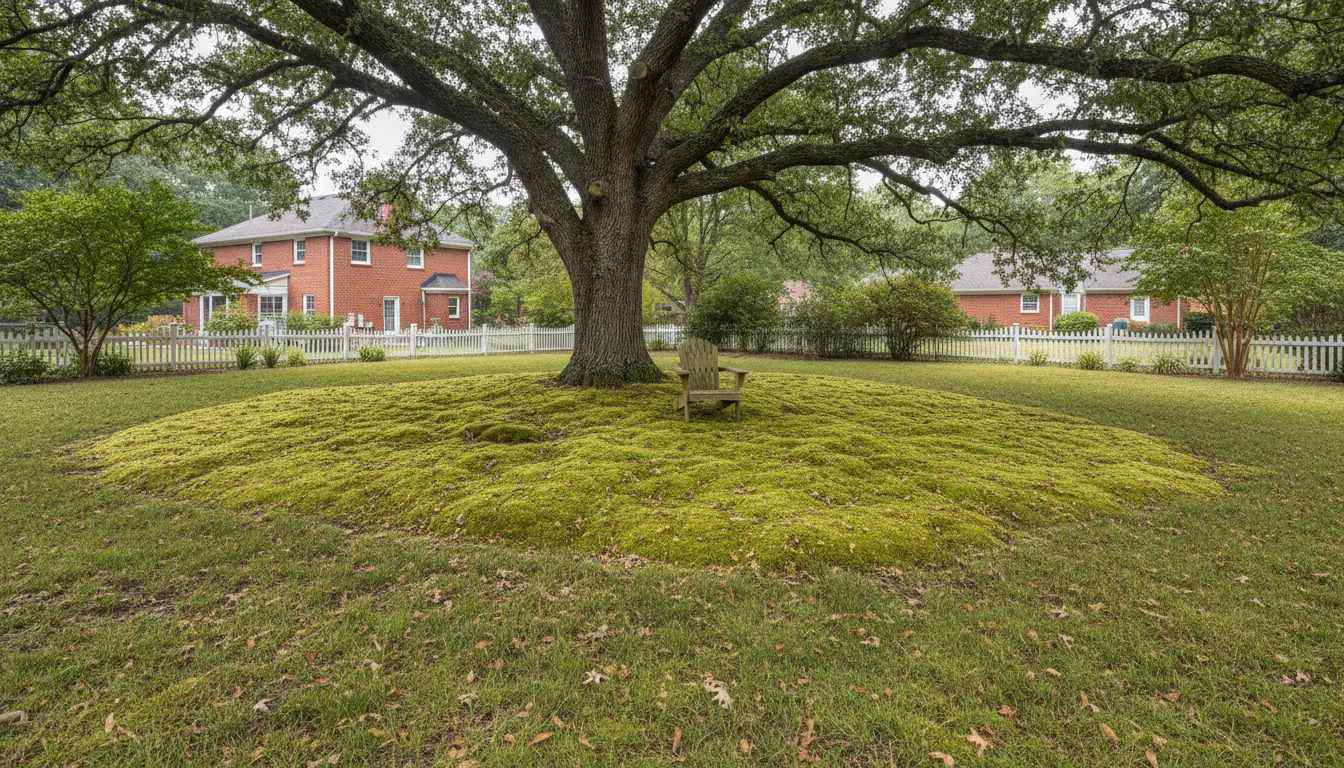
Japanese beetle larvae (grubs) live in soil and feed on grass roots from August through May, so treating lawns breaks the beetle lifecycle. Apply beneficial nematodes (Heterorhabditis bacteriophora species) to moist soil in late summer when grubs are small and vulnerable. Water the lawn before and after application to help nematodes migrate through soil. These microscopic worms parasitize grubs and multiply within the host, providing control that lasts multiple seasons. One application can reduce next year’s adult beetle population by 50-80%.
6. Use Pyrethrin Spray for Rapid Knockdown
Pyrethrin insecticides derived from chrysanthemum flowers kill Japanese beetles on contact and provide immediate relief for heavily damaged plants. Spray pyrethrin products directly on beetles in the evening when beneficial insects are less active. The compound breaks down within hours of sun exposure, leaving no residue but requiring reapplication if beetles return. This works best as an emergency measure for prize roses or fruit trees under severe attack, followed by longer-lasting treatments like neem oil or spinosad.
7. Cover Vulnerable Plants with Row Covers
Physical exclusion prevents beetle damage without chemicals, especially for vegetable crops and small ornamentals. Drape floating row cover or fine mesh netting over plants before beetles emerge in early June. Secure edges with soil, stakes, or clips to eliminate entry gaps. Remove covers from flowering vegetables during bloom periods for pollination, then replace after fruit set. This method provides complete protection for plants that don’t require constant pollinator access, such as leafy greens, herbs, and ornamental shrubs.
8. Apply Milky Spore Powder to Lawn
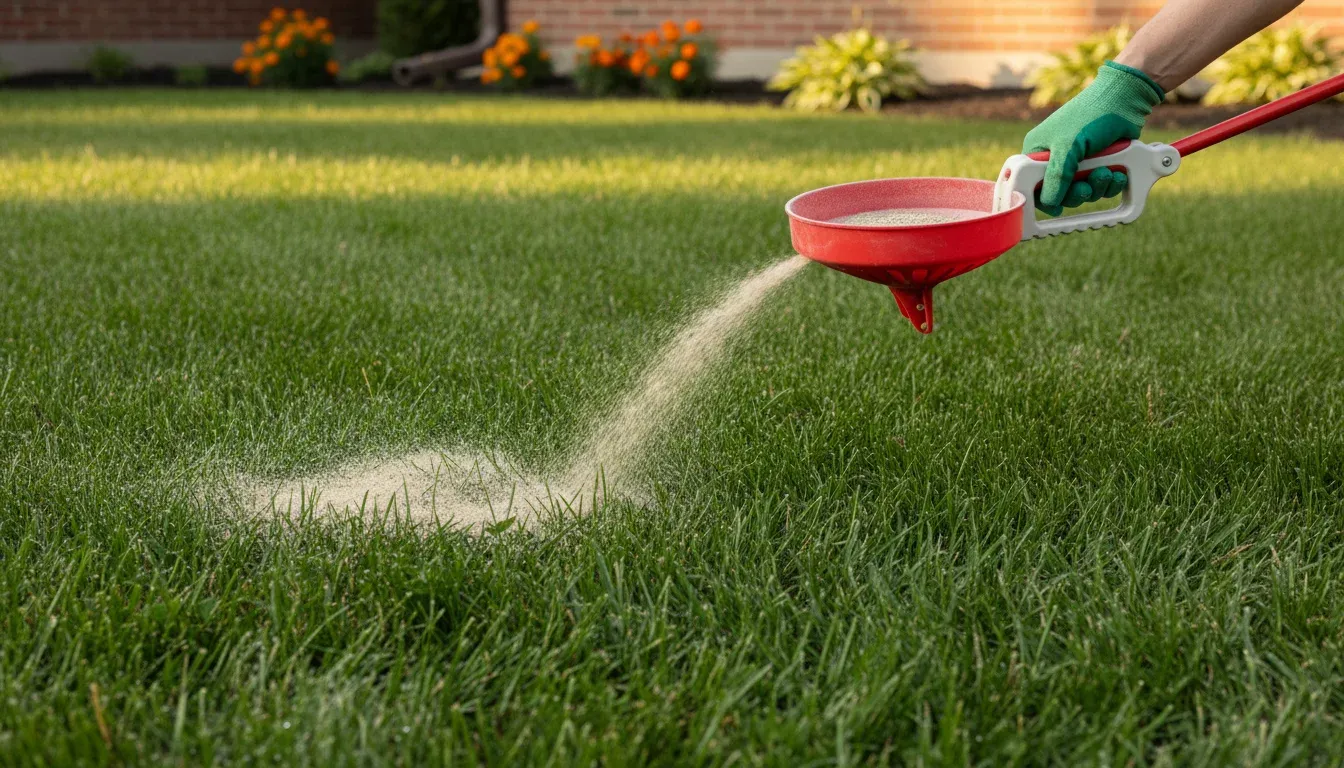
Milky spore (Paenibacillus popilliae) is a bacteria that specifically infects Japanese beetle grubs in lawn soil and persists for years. Apply powder to dry lawn in dots spaced 4 feet apart in a grid pattern, then water in according to package directions. The bacteria multiplies as it infects grubs, eventually spreading throughout the lawn. Milky spore takes 1-3 years to reach full effectiveness but provides long-term control of beetle larvae, reducing adult populations that emerge to feed on plants.
9. Plant Beetle-Resistant Species
Strategic plant selection reduces beetle damage without ongoing treatments. Substitute beetle favorites like roses and fruit trees with plants Japanese beetles avoid: boxwood, dogwood, redbud, holly, magnolia, forsythia, and most evergreens. Position susceptible plants farther from beetle entry points at property edges. Companion plant with garlic, chives, catnip, or tansy, which repel beetles through scent compounds. While this doesn’t eliminate beetles, it channels damage to less valuable plants while protecting prized specimens.
10. Apply Systemic Insecticide to High-Value Plants
Systemic insecticides like imidacloprid provide season-long protection for individual trees and shrubs that justify stronger treatment. Apply soil drench or granules around the plant’s drip line in spring before beetles emerge. The chemical moves through roots into leaves, killing beetles that feed on treated foliage. Use this method only for high-value ornamentals or fruit trees where other approaches have failed, as systemics affect pollinators visiting flowers. Avoid using on vegetables, herbs, or plants that bees frequently visit.
Controlling Japanese beetles requires multiple tactics timed to their lifecycle – adult removal during summer feeding season and larval control in lawn soil during fall and spring. Start with hand-picking and barriers for immediate relief, then implement nematodes or milky spore for long-term population reduction. The most effective strategy combines adult control on plants with grub treatment in soil, breaking the beetle’s annual cycle at both vulnerable stages.