Table of Contents
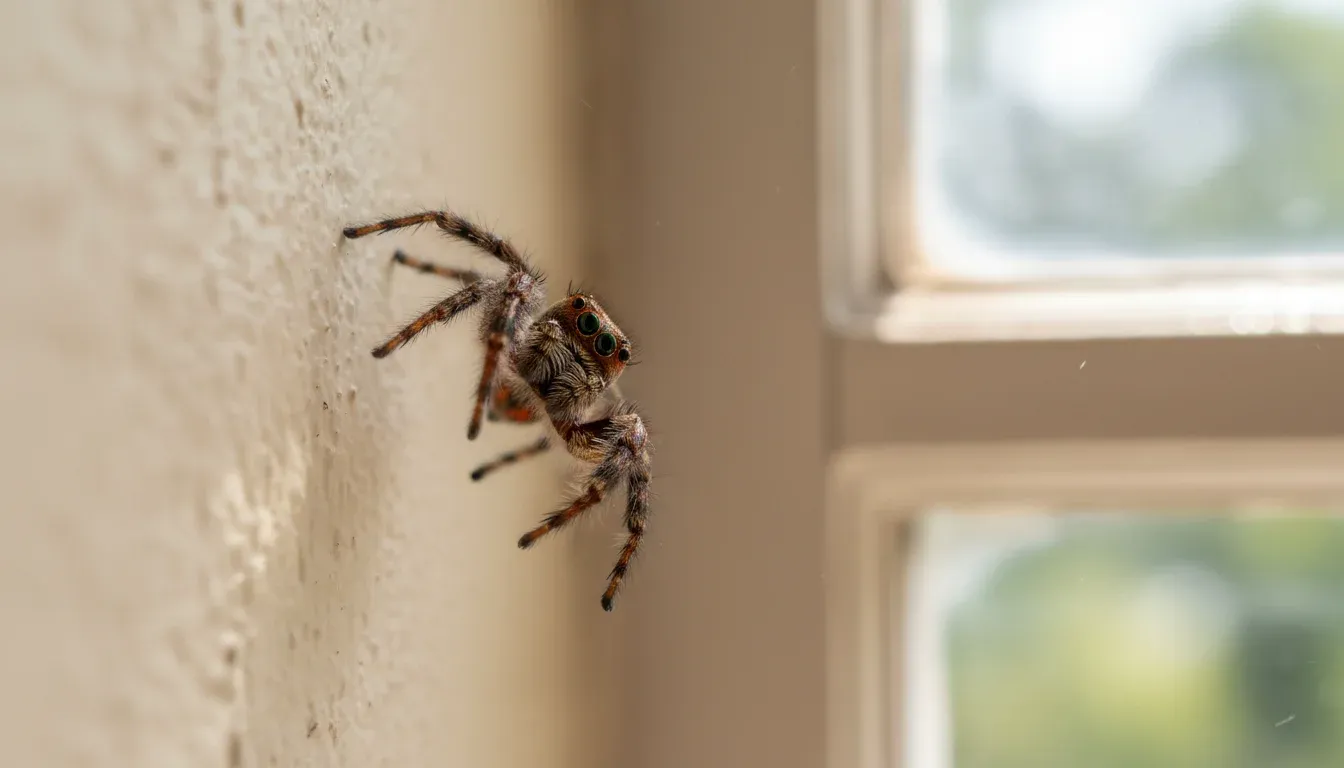
Jumping spiders are the tiny acrobats of the spider world. With their oversized front eyes, fuzzy bodies, and incredible leaping ability, they’re hard to miss—and surprisingly hard to dislike. Unlike most spiders that sit in webs waiting for prey, jumping spiders are active hunters that stalk and pounce on their meals. They can leap up to 50 times their body length, making them one of the most agile arachnids you’ll encounter.
But when they start showing up on your windowsills, in your bookshelves, or darting across your living room floor, you might want them to find a different hunting ground. The good news: jumping spiders are harmless to humans, don’t build messy webs, and actually eat other household pests. Here’s how to manage them without reaching for toxic chemicals.
1. Seal Entry Points with Caulk
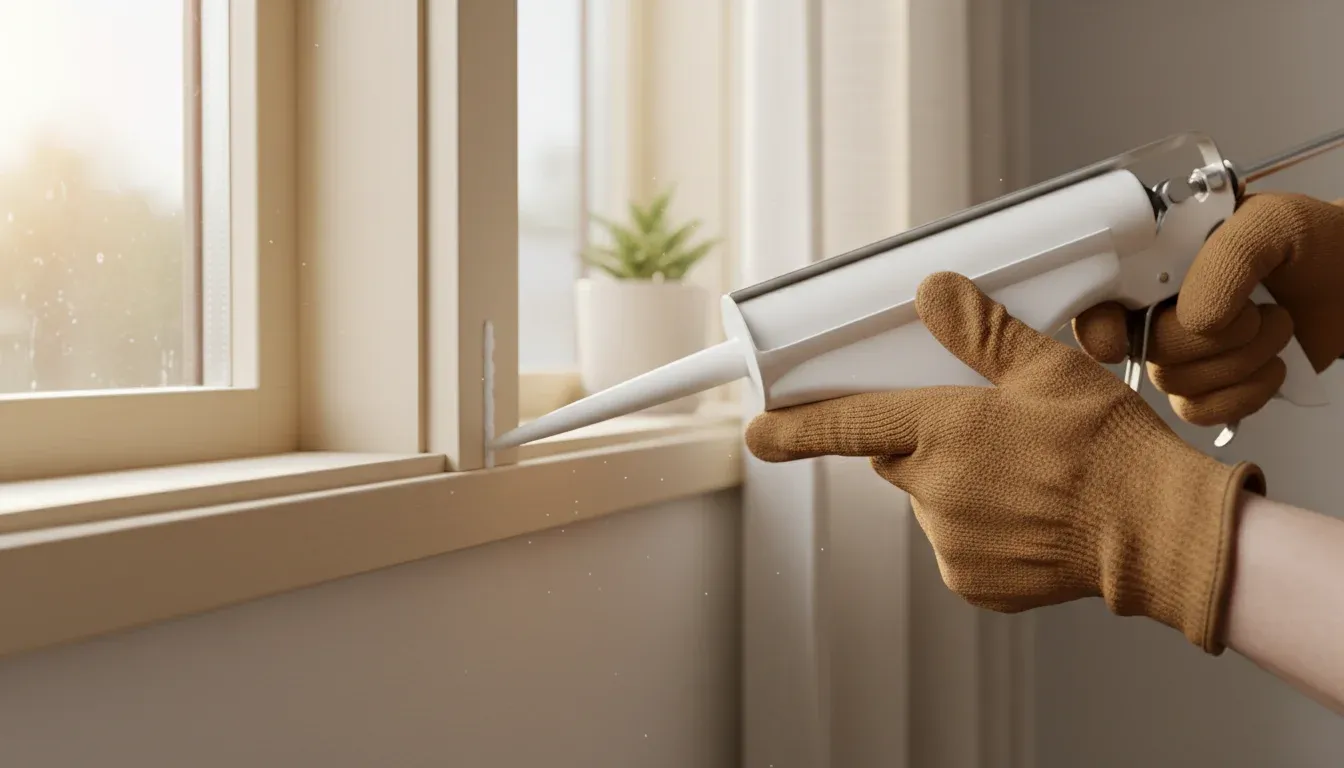
Jumping spiders are tiny—most are between 1/8 and 3/4 of an inch—and they can squeeze through gaps you’d never notice. Inspect your home’s exterior for cracks around windows, doors, utility penetrations, and foundation seams. Use silicone caulk to seal any opening larger than 1/16 inch.
Pay special attention to areas where different materials meet: where siding meets trim, where pipes enter walls, and around window frames. These transition zones are common entry points. A thorough caulking job in late summer, before spiders start seeking winter shelter, prevents most indoor invasions.
2. Repair Screens and Weatherstripping
Damaged window screens are an open door for jumping spiders. They hunt during the day and are attracted to sunny windows where prey insects gather. Check all screens for tears, holes, or loose frames. Repair small holes with screen patches or replace damaged screens entirely.
Replace worn weatherstripping on doors and windows. Foam or rubber seals compress over time, creating gaps spiders can exploit. New weatherstripping is inexpensive and takes only minutes to install. Check door sweeps too—these often wear down and leave a gap at the bottom.
3. Eliminate Food Sources
Jumping spiders hunt other insects. If you have a spider problem, you likely have a prey insect problem first. Look for the root cause: fruit flies around overripe produce, drain flies in bathroom sinks, or small moths attracted to lights.
Control these secondary pests and the spiders will move on or die off. Keep screens intact, eliminate standing water, store food in sealed containers, and use yellow bug lights outdoors to reduce insect attraction. Fewer bugs mean fewer spiders hunting them.
4. Keep Clutter to a Minimum
Jumping spiders love hiding spots. Cluttered attics, basements, and garages provide endless nooks for them to rest between hunting trips. Cardboard boxes, piles of clothing, storage bins, and stacks of paper all offer shelter.
Organize storage areas and use plastic bins with tight-fitting lids instead of cardboard boxes. Cardboard absorbs moisture and provides crevices spiders favor. Clear out unused items and vacuum storage areas regularly. The less clutter, the fewer places spiders have to hide.
5. Check Imported Items for Stowaways
Jumping spiders are excellent hitchhikers. They hide in firewood, potted plants, garden equipment, boxes from storage, and outdoor furniture brought inside for winter. Inspect these items carefully before bringing them into your home.
Shake out garden gloves, check under plant pots, and examine firewood before carrying it indoors. If you buy secondhand furniture or storage items, vacuum them thoroughly before placing them in your home. One pregnant female can start a noticeable population.
6. Use Sticky Traps in Strategic Locations
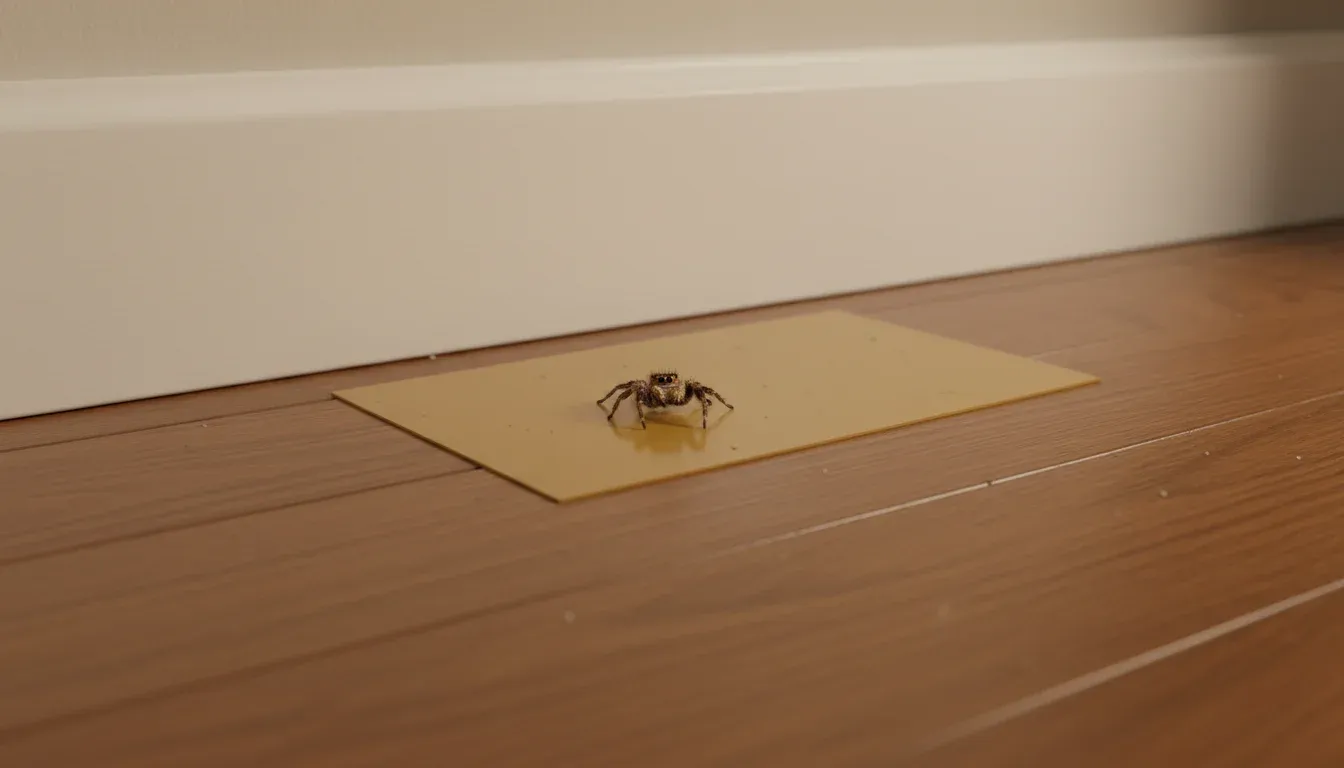
Place sticky insect traps along baseboards, in corners, and near entry points where you’ve seen spider activity. Jumping spiders walk on floors and walls and will get caught on these traps. The traps also catch the prey insects that attract spiders.
Check traps weekly and replace when full. They’re not pretty, but they’re effective and non-toxic. Position them out of reach of pets and children. Over time, traps will reduce both the spider population and their food supply.
7. Vacuum Regularly
A vacuum with a hose attachment is your best tool for removing jumping spiders you can see. The suction kills them instantly. Target window tracks, baseboards, ceiling corners, and other areas where spiders congregate.
Empty the vacuum canister or bag immediately after use, especially if you’ve sucked up spiders. If you leave them in the vacuum, some may survive and crawl back out. Dispose of the contents in a sealed bag outdoors.
8. Reduce Outdoor Lighting
Jumping spiders are drawn to the insects that swarm around outdoor lights. Switch to yellow bug lights or warm-colored LEDs that attract fewer insects. Position lights away from doors and windows when possible.
Motion-activated lights are ideal—they provide security illumination without constant insect attraction. The fewer bugs around your entry points, the less appealing your home is to hunting spiders.
Jumping spiders are beneficial predators that eat flies, mosquitoes, and other pests. If you can tolerate a few in your home, they’re actually helping control worse insects. But if their numbers are overwhelming or you’re simply spider-averse, focus on sealing entry points and eliminating their food sources.
Remember: jumping spiders rarely bite humans, and when they do, the bite is no worse than a mosquito sting. They’re not medically significant. Prevention through sealing and cleanliness is more effective than trying to eliminate them once they’re established. A spider-free home starts with a bug-free home—and that starts with good maintenance.