Table of Contents
Kudzu bugs are one of the more unpleasant invasive species to hit the Southeastern United States. Native to India and China, these small, shield-shaped insects—about the size of a ladybug—have made themselves at home in Alabama and surrounding states. They’re attracted to light-colored surfaces, reproduce quickly, and can travel long distances by hitching rides on vehicles.
The problem isn’t just their numbers. When crushed or disturbed, kudzu bugs release a foul odor and can stain surfaces. Some people experience allergic reactions from skin contact. Whether you’re dealing with them in your yard, on your house, or finding them inside, here’s how to get rid of kudzu bugs and keep them from coming back.
1. Vacuum with a Hand Vacuum
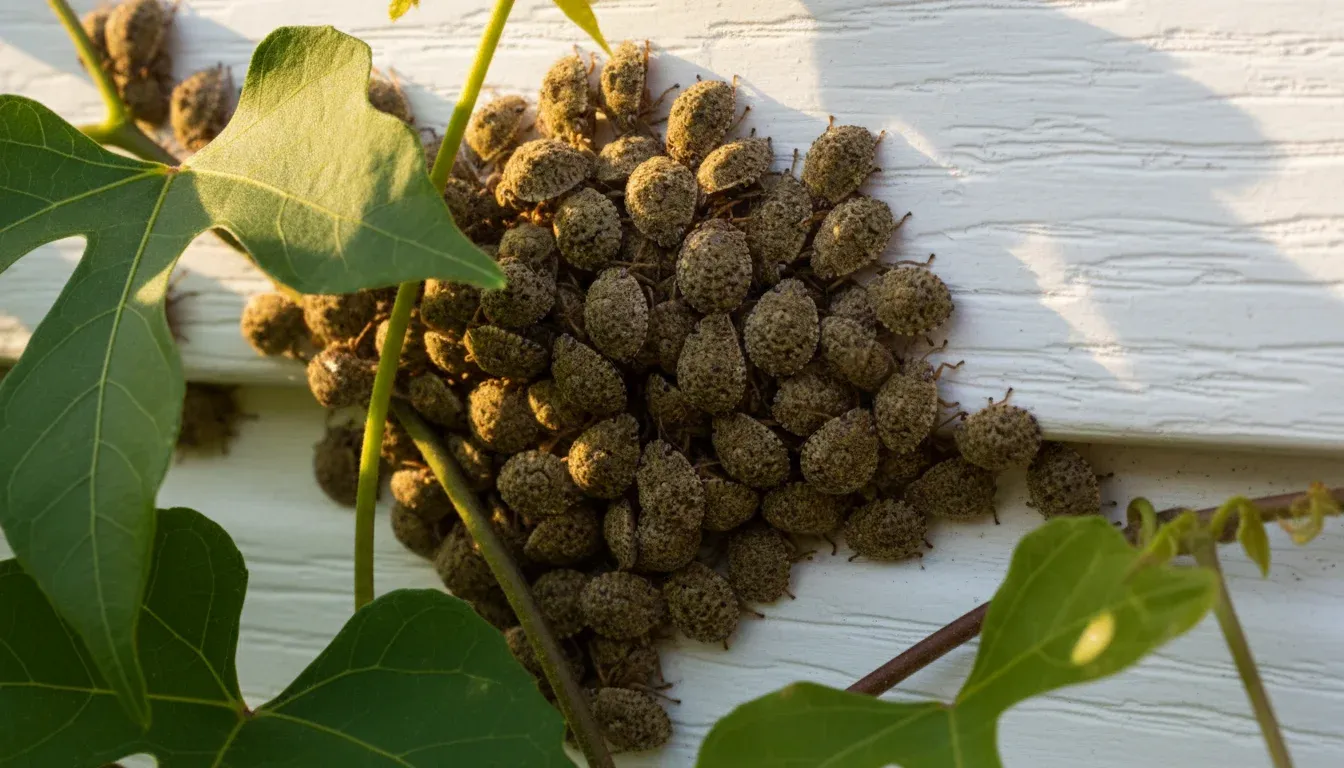
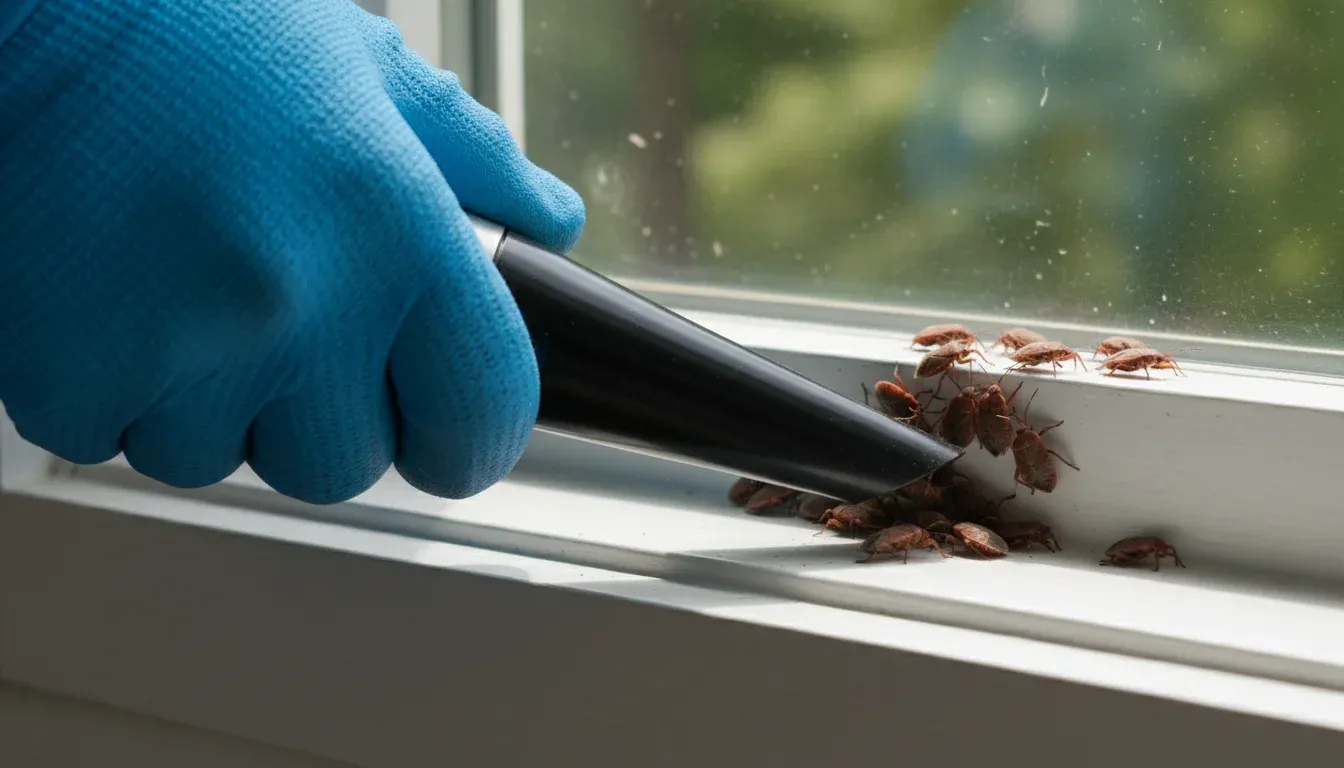
A hand vacuum or small shop vacuum is your best first-line defense against kudzu bugs. These insects tend to cluster on walls, windows, and light-colored surfaces, making them easy targets for suction removal.
The key is to avoid crushing them. When kudzu bugs are crushed, they release a strong, unpleasant odor similar to stink bugs and can leave yellowish stains on paint, siding, and fabric. Use the vacuum to collect them gently, then empty the canister or bag immediately into a sealed plastic bag and dispose of it outdoors.
For large clusters, work from the top down so falling bugs don’t land on already-cleaned surfaces. Empty the vacuum frequently—don’t let it sit full of bugs or the odor will permeate the machine.
2. Use Soapy Water
For bugs you’ve vacuumed up or captured, soapy water is an effective and inexpensive killing method. Fill a bucket with warm water and add a few squirts of dish soap. The soap breaks the surface tension and prevents the bugs from floating or climbing out.
Drop collected bugs directly into the bucket. They drown quickly without releasing their defensive odor. This method works well if you’re hand-picking bugs from plants or surfaces and need to dispose of them humanely without the smell.
Empty the bucket far from your house after you’re finished. Don’t dump soapy water near garden plants or storm drains—pour it on gravel or bare soil where it won’t cause problems.
3. Squash with Gloves (Use Caution)
If you’re dealing with just a few bugs and don’t have other tools handy, you can squash them—but wear gloves. Direct skin contact with kudzu bugs can cause allergic reactions in some people, ranging from mild irritation to more significant skin rashes.
Use a paper towel, tissue, or wear disposable gloves. Squash the bug and immediately dispose of the remains in a sealed bag. Clean the area afterward to remove any residue that might stain or attract more bugs.
This method is best for occasional individual bugs, not clusters. Crushing multiple bugs releases more odor and increases your exposure to potential allergens. Vacuuming is almost always the better choice when you have options.
4. Apply Residual Insecticides
For larger infestations or persistent problems, residual insecticides can provide longer-term control. These products leave a thin film that continues killing insects for days or weeks after application.
Look for insecticides labeled for use against stink bugs or nuisance pests. Products containing active ingredients like bifenthrin, lambda-cyhalothrin, or permethrin work well on kudzu bugs. Spray around windows, doors, eaves, and other areas where bugs congregate.
Always follow label directions exactly. Don’t spray on food crops, near water sources, or in areas where children and pets play. Apply on calm days to prevent drift, and wear protective clothing including gloves and eye protection.
5. Use Horticultural Spray
For kudzu bugs on plants, a homemade horticultural spray can help reduce populations without harsh chemicals. Mix a solution of soapy water with a small amount of vegetable oil—about one tablespoon of dish soap and one teaspoon of oil per gallon of water.
The soap helps the solution stick to the bugs and suffocates them, while the oil clogs their breathing pores. Spray directly onto bugs and infested plant surfaces. This works best on contact, so you’ll need to hit the bugs directly rather than just spraying plants preventively.
Test the spray on a small area of valuable plants first to ensure it doesn’t cause leaf burn. Don’t apply in direct sunlight or extreme heat, as this can damage foliage. Reapply after rain or every few days until the infestation subsides.
6. Seal Entry Points
Preventing kudzu bugs from entering your home is easier than removing them once they’re inside. These insects seek shelter as temperatures drop, squeezing through surprisingly small gaps to find warm spaces.
Inspect windows, doors, and exterior walls for cracks, gaps, and openings. Seal around utility penetrations, vents, and where siding meets trim. Use caulk for small cracks, weatherstripping for doors and windows, and foam sealant for larger gaps.
Don’t forget the roofline and attic vents. Kudzu bugs are strong flyers and will access upper levels of your home if given the opportunity. Install fine mesh screens over vents and chimney openings to block entry while maintaining ventilation.
7. Manage Kudzu Patches
Kudzu bugs get their name for good reason—they feed on kudzu vines and reproduce in kudzu patches. If you have kudzu growing on or near your property, you’re providing ideal habitat for these pests.
Remove or manage kudzu patches near your home. Cutting the vines back repeatedly will eventually kill the plant, though this requires persistence. For large infestations, herbicides containing glyphosate or triclopyr can be effective when applied correctly.
If the kudzu is on neighboring property, focus on sealing your home tightly and treating the perimeter with insecticides to create a barrier. You can’t control what’s on the other side of the fence, but you can make your property less appealing to bugs traveling from nearby patches.
Kudzu bugs are a nuisance, but they’re manageable with consistent effort. Focus on physical removal through vacuuming, seal your home to prevent indoor infestations, and address kudzu plants that support their populations. Chemical controls are available for persistent problems, but start with the simplest methods and escalate only if needed. With patience and persistence, you can keep these invasive pests under control and protect your home from their odor and staining.