Table of Contents
You’re going to see a lot of advice about using eggshells and coffee grounds. Ignore it. Those work about as well as wishing really hard. Here’s what actually gets lizards out of your house.
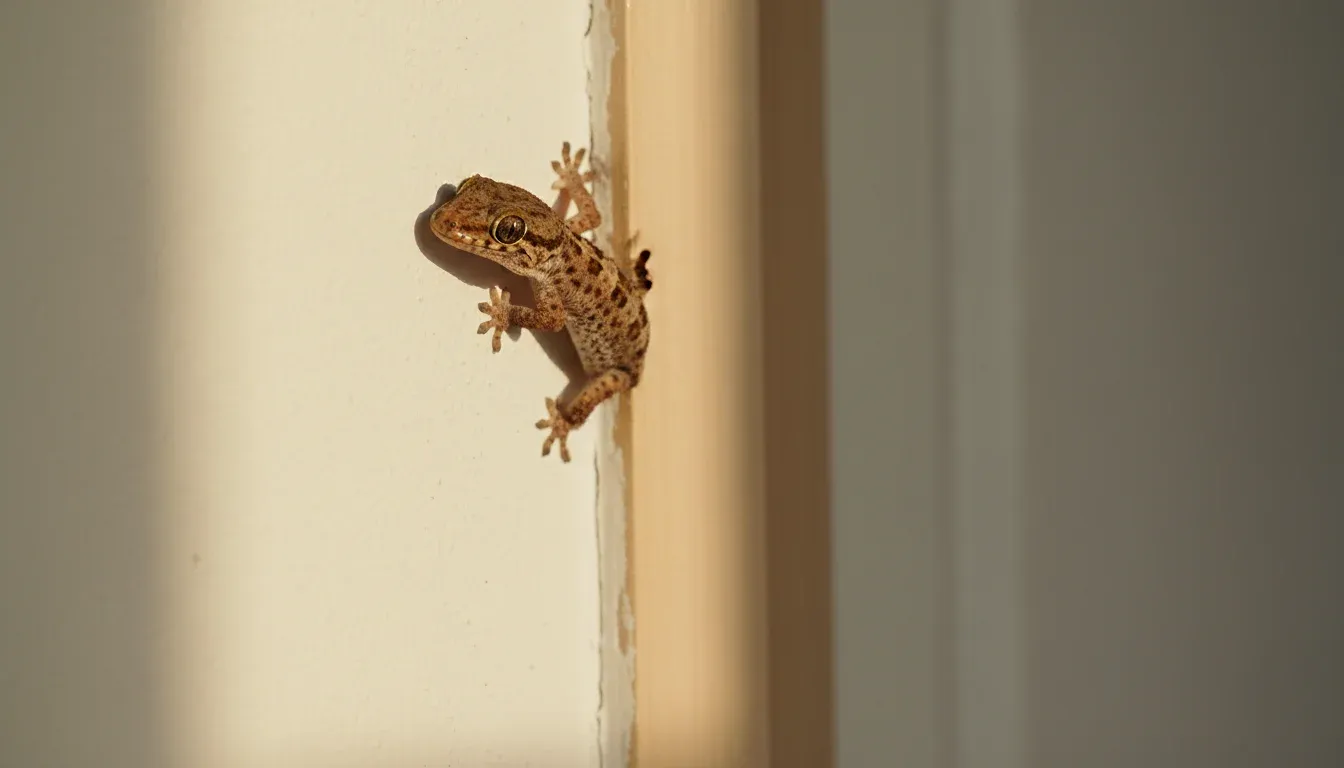
Most indoor lizards (geckos, anoles, skinks) aren’t there to mess with you. They’re hunting the bugs you haven’t noticed yet. Fix the bug problem and the lizard problem often fixes itself. But if you want them gone now, or you’ve got a persistent gecko that thinks your kitchen is home, these methods work.
1. Seal Their Entry Points
Find where they’re getting in. Window gaps, door sweeps that don’t actually sweep, AC vents without screens, gaps around pipes. Lizards can flatten themselves to about the width of a nickel, so if you can slide a pencil through it, they can get through it.
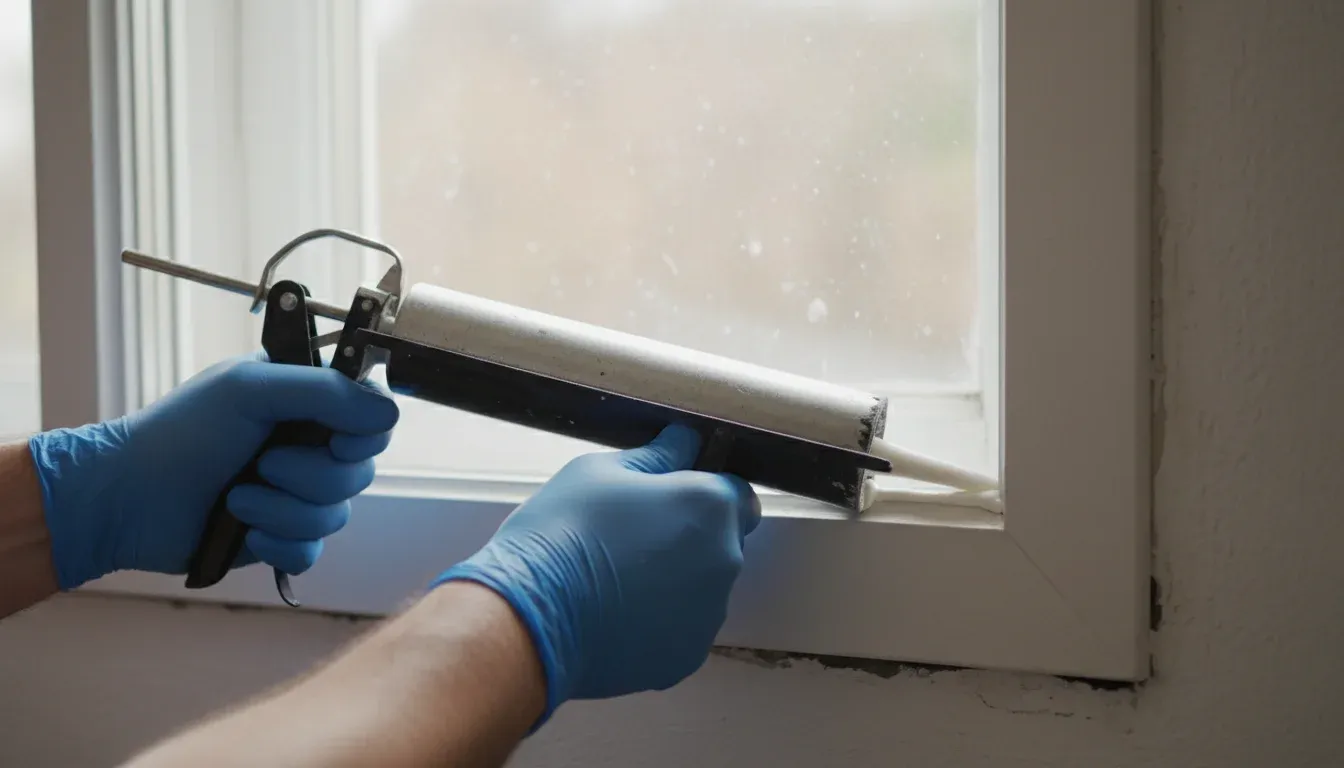
Weatherstripping for doors and windows. Caulk for cracks. Wire mesh (1/4 inch or smaller) for vents and larger openings. This won’t evict the ones already inside, but it stops reinforcements.
2. Plant Peppermint or Eucalyptus Near Entry Points
Lizards hate strong aromatic plants. Peppermint and eucalyptus both work. Plant them in pots near doors, windows, or foundation cracks where you’ve seen lizards enter.
The smell alone keeps them away. Peppermint spreads aggressively, so keep it contained unless you want it taking over your garden. Eucalyptus grows tall, so pick dwarf varieties for porch pots. Crush a few leaves occasionally to refresh the scent. Works as prevention, not eviction for lizards already inside.
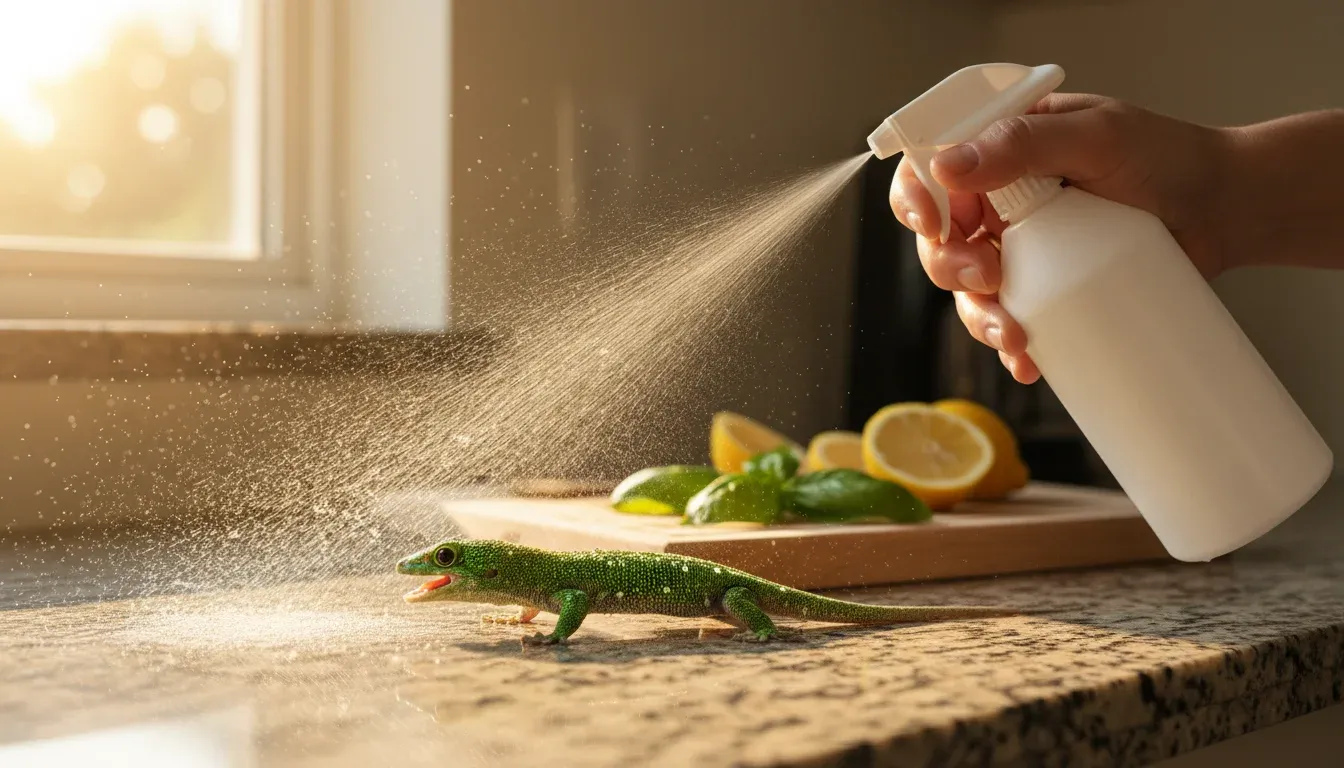
3. Cold Water Spray
Lizards are cold-blooded. A spray bottle of cold water makes them uncomfortable enough to leave. Not boiling, not ice water – just cold tap water.
Spray them when you see them. They’ll run. Keep doing it and they’ll relocate to somewhere that doesn’t involve getting randomly soaked. Works best combined with sealing entry points so they can’t just come back.
4. Remove Their Food Source
Lizards eat insects. If your house has moths, flies, mosquitoes, spiders, or roaches, you’re running a lizard cafeteria.
Turn off unnecessary lights at night (bugs congregate around lights, lizards follow). Fix window screens. Clean up crumbs and standing water that attract insects. Use door sweeps. Sometimes getting rid of lizards means getting rid of what they’re eating first.
5. Onion and Garlic Spray
Lizards hate the smell. Blend a few cloves of garlic and half an onion with water, strain it, put it in a spray bottle. Spray baseboards, windowsills, doorways – anywhere you’ve seen them.
Reapply every few days. Your house will smell like a kitchen for a bit, but it fades. This doesn’t kill them, it just makes your house less appealing than literally anywhere else.
6. Hot Sauce or Cayenne Pepper Spray
Mix 2 tablespoons of hot sauce (Tabasco, Sriracha, whatever’s spicy) or cayenne powder with a cup of water. Shake well and spray it around entry points, baseboards, and anywhere you’ve seen lizard traffic.
The capsaicin irritates their skin and mucous membranes without causing actual harm. They’ll avoid treated areas completely. Reapply after cleaning or rain if you’re treating outdoor entry points. Stronger than garlic spray but smells better (unless you hate hot sauce). Keep it away from pets and kids – it’ll burn their eyes too.
7. Reduce Hiding Spots
Lizards like clutter. Cardboard boxes stacked in corners, piles of magazines, stuff shoved under beds. Clear it out.
Move furniture away from walls occasionally. Store things in sealed plastic bins instead of open boxes. Keep firewood outside, not stacked indoors. The fewer hiding spots they have, the more exposed they feel, and the more likely they’ll leave.
8. Sticky Traps (Humanely)
Place sticky traps along walls where you’ve seen them. Check them every few hours. If you catch one, pour cooking oil on the trap to release it, then relocate it outside.
Don’t leave sticky traps unattended for days. That’s cruel and you’ll end up with a dead lizard stuck to cardboard, which defeats the purpose if you’re trying to avoid touching them.
9. Peacock Feathers
Sounds fake but it works. Lizards instinctively avoid peacock feathers because peacocks eat lizards.
Place a few feathers near entry points or areas where you see them. You can buy them online or from craft stores. Replace them every couple months when they get dusty or lose their visual punch.
10. Naphthalene Balls (Mothballs)
Lizards hate the smell. Place mothballs in corners, behind furniture, near windows. The fumes make your house unpleasant for them.
Ventilate well – mothballs aren’t great for humans either if you’re breathing concentrated fumes all day. Use them in storage areas, closets, or rooms you don’t spend much time in. Don’t put them where kids or pets can get to them.
Most lizards leave on their own once the bugs are gone and they can’t find a warm corner to hide in. The ones that don’t will respond to cold water and bad smells. Seal the entry points so you’re not doing this again next month.