Table of Contents
You’re probably reading this mid-attack, which means speed matters. Short version: if you have triptans, take one now (early use is the whole game). If you don’t, ibuprofen 400-600mg at the absolute first sign, a dark quiet room, and a cold pack on the back of your skull. The six methods below cover the full toolkit – from OTC to prescription, from the moment pain hits to riding it out. What works depends partly on your attack severity; mild migraines respond to OTC; moderate-to-severe ones often won’t.
1. OTC Pain Relief
Ibuprofen is the better OTC choice for migraine, not acetaminophen. The reason: ibuprofen is an anti-inflammatory NSAID, and migraine involves neurogenic inflammation. Aspirin (900mg) also works – the dose is higher than people expect, but that’s the clinically studied dose for migraine specifically. Acetaminophen handles pain but doesn’t address the inflammatory component; use it if ibuprofen upsets your stomach, not as the first choice.
Standard ibuprofen dose for migraine: 400-600mg with food or milk to reduce stomach irritation. Don’t take it on an empty stomach during an attack – nausea is already a problem and NSAID irritation on top of that makes it worse. Naproxen sodium (Aleve) is an alternative that stays active longer (8-12 hours vs 4-6 for ibuprofen), which can matter if you need to get through a work day.
The timing rule is non-negotiable: take it at the very first sign. Prodrome symptoms (yawning, neck stiffness, mood shift), the aura if you get one, the first flicker of head pain. Waiting until you’re already in full-pain mode substantially reduces effectiveness. The same medication that would have worked at onset often barely touches the pain an hour later.
Honest ceiling: OTC pain relief handles mild-to-moderate migraine attacks reasonably well. Severe attacks usually need triptans.
2. Triptans (Prescription Migraine Medication)
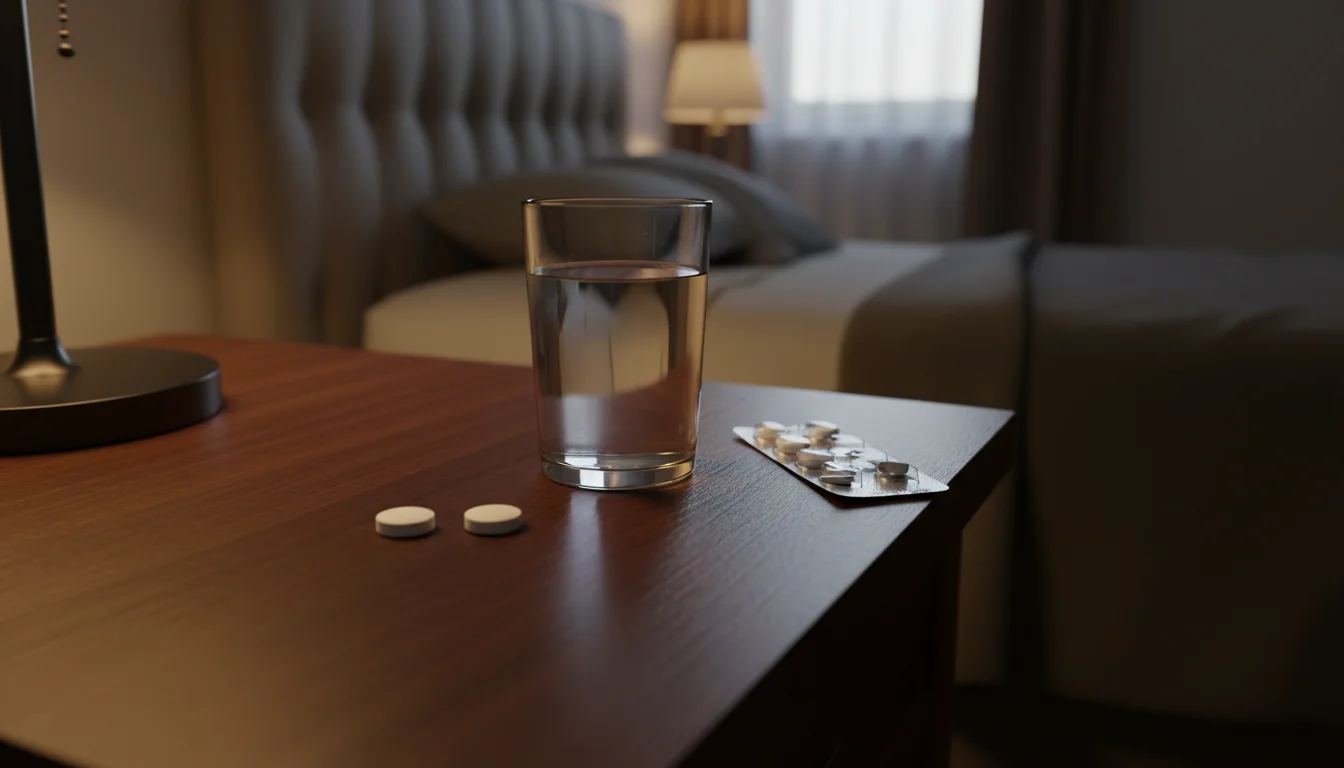
Triptans are the most effective acute migraine treatment available. They’re not general painkillers – they work by constricting blood vessels and blocking the specific pain pathways that drive migraine. That’s why they work when ibuprofen doesn’t. Sumatriptan (Imitrex) and rizatriptan (Maxalt) are the most commonly prescribed; sumatriptan 50mg is the typical starting dose, 100mg for incomplete response.
Timing matters enormously here too. Taking a triptan at the first sign of an attack – not once the pain is fully established – gives significantly better results. Response rates at 2 hours are around 30-40% for pain-free, and substantially higher for meaningful relief. People who wait until they’re in severe pain get worse outcomes from the same medication.
Formulations vary based on what you need. Tablets are the standard (30-60 minute onset). Sumatriptan nasal spray works in 15-20 minutes – useful when nausea makes swallowing difficult. Injectable sumatriptan is the fastest at 10-15 minutes, used for severe attacks when nothing else is tolerable.
If one triptan fails for you, it doesn’t mean they all will. There are 7 approved triptans with enough pharmacological variation that switching is worth trying. Talk to your doctor if your current one isn’t working.
One caution: using triptans (or any acute migraine medication) more than 10 days per month risks medication overuse headache, where the treatment starts causing the very thing it’s treating. If you’re reaching that frequency, that’s the signal to discuss preventive treatment with your doctor, not to keep pushing acute meds.
3. Dark, Quiet Room
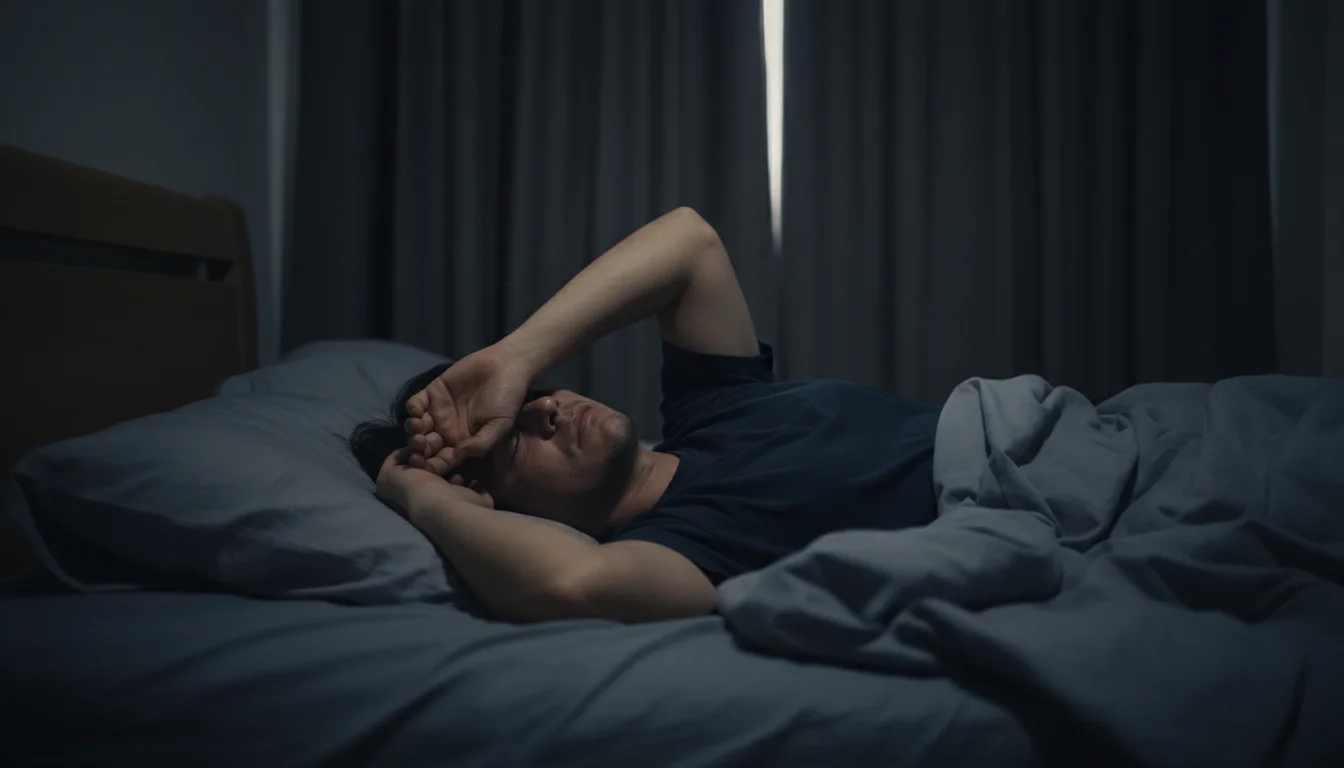
Photophobia and phonophobia – sensitivity to light and sound – aren’t just discomfort during a migraine. They’re active pain drivers. The trigeminal nerve pathway that generates migraine pain also processes light input, so bright light during an attack amplifies pain signals rather than just feeling unpleasant. Getting out of stimulating environments isn’t just comfort management; it’s reducing the neurological load.
Blackout curtains, a sleeping mask, earplugs. Lie still – movement and bending over both increase intracranial pressure. No screens: the combination of flickering, blue-spectrum light, and the effort to focus is particularly bad. If you want something to do, low-volume audio works better than anything visual.
Sleep can terminate a migraine for many people. The mechanism isn’t fully understood, but if you can fall asleep during an attack, it’s worth trying. Many people wake up with symptoms substantially reduced or gone.
A slightly cool room helps more than a warm one – lower temperature reduces vasodilation slightly, which works in the same direction as the treatment goal.
4. Caffeine at Onset
This one only works in a specific situation: you’re not a regular caffeine user, and you take it at the very first sign.
100-130mg of caffeine – roughly one strong coffee or two shots of espresso – taken at migraine onset can reduce pain intensity and improve how well OTC pain relievers work. Caffeine is a vasoconstrictor; migraine involves vasodilation of cerebral blood vessels. It also enhances analgesic absorption, which is why it’s included in Excedrin Migraine (acetaminophen 250mg + aspirin 250mg + caffeine 65mg) – that specific combination has clinical trial evidence outperforming either acetaminophen or aspirin alone.
The hard caveat: if you drink caffeine daily, this doesn’t apply to you. Daily caffeine users have built tolerance to the vasoconstriction effect. Worse, caffeine withdrawal – from missing your usual morning coffee – is one of the most common migraine triggers. If you’re a habitual coffee drinker and you’re getting migraines, your caffeine relationship may already be part of the problem.
Use caffeine at onset only. Not repeatedly throughout an attack, not as a daily habit you’re hoping will prevent migraines.
5. Cold Compress for Migraine Relief
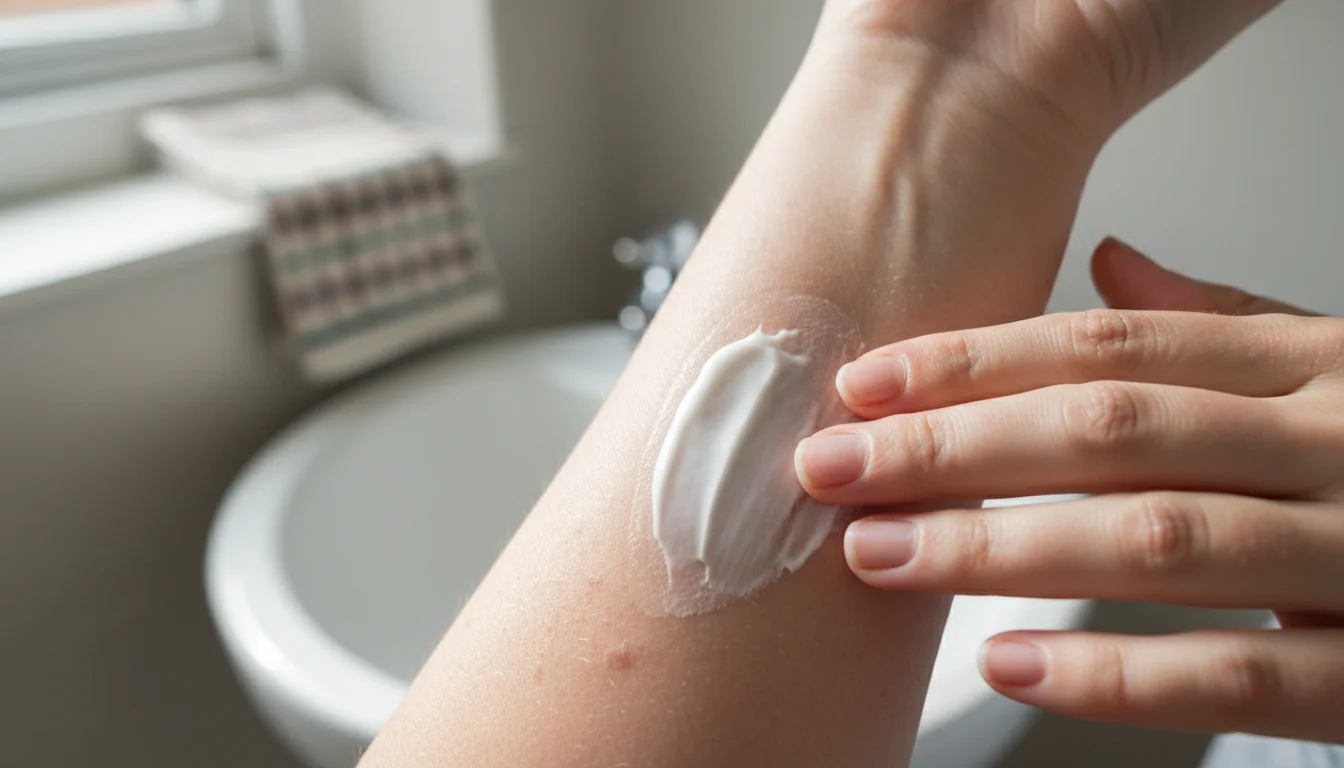
Apply an ice pack, gel pack, or cold wet cloth to the back of your neck or your temples for 15-20 minutes. This won’t stop the migraine, but it works for a meaningful subset of people – the cold provides counterstimulation that competes with pain signals (gate control mechanism), and some vasoconstrictive effect from the cold can reduce throbbing intensity.
Try the back of the neck first; for many people that’s more effective than the temples. Some find temples better. Try both in the first few minutes and keep whichever is helping. Wrap the ice pack in a thin cloth if direct contact becomes uncomfortable.
The evidence base is limited – studies are small – but it’s harmless and quick to try. Some people get substantial relief; others notice little. If it’s helping, keep it on. If after 5 minutes it’s doing nothing, move on.
6. Hydration
Dehydration is a confirmed migraine trigger and can worsen an ongoing attack, particularly in the early stages. This isn’t treatment for an established severe migraine – a glass of water won’t stop a full attack – but it matters in two specific scenarios: the migraine was triggered or partly triggered by dehydration, or you’re in the early prodrome phase and you caught it early enough.
Aim for 8 cups (2L) per day as a baseline, especially in hot weather or after exercise. If you already have a migraine, sip water slowly – gulping can worsen nausea. Small, frequent sips of plain water or an electrolyte drink are easier to keep down than large amounts at once. Sports drinks or coconut water add electrolytes if you’ve been sweating or vomiting, though plain water is fine for most attacks.
Don’t skip fluids because you feel sick. Dehydration on top of migraine makes everything worse, and it extends the recovery period after the main pain lifts. The post-migraine "postdrome" phase (tiredness, brain fog, residual dull ache) is often made longer by inadequate fluid intake during the attack.
If you’re vomiting and can’t keep water down, that’s the point where medical attention matters, both for anti-nausea treatment and for IV hydration if needed.
When to See a Doctor
Most migraine attacks are manageable at home. Get medical attention for any of the following:
- The worst headache of your life, coming on suddenly ("thunderclap headache") – this requires emergency evaluation to rule out subarachnoid hemorrhage
- Headache with fever and stiff neck – potential meningitis
- Headache after a head injury
- Headache with neurological symptoms: sudden vision loss, slurred speech, facial drooping, weakness on one side (these are stroke symptoms – call emergency services)
- Progressive headache that keeps getting worse over several days
- Using OTC pain relievers more than 10-15 days per month (medication overuse headache risk)
- Migraines that are increasing in frequency or not responding to your usual treatment
For recurring migraine, a doctor visit to discuss both acute and preventive treatment options is worth doing. Preventive medications (beta-blockers, topiramate, CGRP inhibitors) can significantly reduce attack frequency for people with frequent episodes.
FAQ
How do you get rid of a migraine fast?
Triptans are the fastest effective option if you have a prescription. Sumatriptan nasal spray works in 15-20 minutes; injectable sumatriptan in 10-15 minutes. For people without a triptan prescription: ibuprofen 400-600mg or aspirin 900mg at the absolute first sign of an attack, taken alongside a small coffee (100mg caffeine) if you’re not a habitual caffeine user. Get to a dark, quiet room immediately and apply a cold pack to the back of your neck. The window matters – all of these work substantially better if you act at the prodrome or very first pain, not once you’re in full attack.
What is the pressure point for migraines?
The LI4 point (in the webbing between your thumb and index finger) is the most commonly cited pressure point for headache relief in acupressure practice. Apply firm pressure with your opposite thumb for 4-5 minutes on each hand. The evidence is limited – small studies, inconsistent results – but it’s harmless and fast to try. The PC6 point (inner wrist, about 3 finger-widths up from the crease) is also used and may help with migraine-associated nausea. Don’t expect either to stop a severe attack, but they can take the edge off mild-to-moderate symptoms.
What are the triggers of migraine?
The most common documented triggers: hormonal changes (especially the estrogen drop before menstruation), sleep disruption (too much or too little), dehydration, skipped meals, alcohol (particularly red wine and beer), strong sensory stimuli (bright lights, strong smells), and caffeine withdrawal in people who drink it daily. Stress and stress let-down both trigger migraines – "weekend migraine" when you finally relax is a recognized pattern. Triggers are cumulative. One trigger alone may not set off an attack; two or three together often does. A headache diary kept for 1-2 months is the most practical way to identify your personal pattern.
How long will a migraine last?
Untreated migraines last 4-72 hours per clinical definition. Most attacks fall in the 4-24 hour window. With triptans taken early, many people reach pain-free status within 2 hours. Sleep often shortens attacks faster than waiting them out awake. A migraine lasting more than 72 hours (status migrainosus) needs medical attention – it won’t resolve at that point without intervention.