Table of Contents
Anxiety doesn’t punch out when you go to sleep. It shows up in your dreams instead – chasing, failing, losing things, watching disasters unfold. The nightmares feel real enough to spike your heart rate and wake you up at 3 AM, which makes the next night’s sleep worse, which makes the anxiety worse. It’s a loop. These ten approaches address it from different angles, some behavioral, some therapeutic, some technological.
1. Try Image Rehearsal Therapy
The most well-evidenced approach for recurring nightmares. While you’re awake, write out the nightmare in as much detail as you can remember, then rewrite the ending – change it to anything: neutral, absurd, peaceful, whatever feels right. It doesn’t need to be logical. Practice the new version for 10-15 minutes before bed each night.
Your brain can actually learn to redirect the dream when it starts. Studies on veterans and trauma survivors show consistent improvement. It sounds gimmicky but the research is solid. Start with the nightmare that bothers you most.

2. Address Sleep Disorders
Sleep apnea, restless legs, and other disorders fragment sleep architecture and push you into lighter, more anxiety-prone REM states. If you snore heavily, wake up gasping, or feel exhausted after 8 hours in bed, get a sleep study done. Treating the underlying disorder often clears up nightmares with no other intervention needed.
This matters for anxiety-related nightmares specifically because poor sleep architecture amplifies emotional processing during REM – which is exactly when nightmares occur. You can treat the symptoms all you want, but if your sleep is being broken every 20 minutes by apnea events, you’ll keep having vivid anxious dreams.
3. Consider Melatonin (With Caution)
Low-dose melatonin (0.5-1 mg) can help regulate sleep timing and reduce nightmare frequency for some people. But this cuts both ways: higher doses (3 mg and above) increase REM intensity and can make dreams more vivid and disturbing, not less.
If you try it, start at 0.5 mg taken 30-60 minutes before bed. Pay attention to whether your dreams become more or less intense. If they get worse, stop. This is one of those cases where the common dosing advice (most supplements are sold at 5-10 mg) is exactly wrong for nightmare sufferers.
4. Try Cognitive Behavioral Therapy for Insomnia (CBT-I)
CBT-I fixes the underlying sleep dysfunction that anxiety nightmares feed on. A therapist teaches you to dismantle the anxiety cycle around bedtime – the dreading, the mental rehearsing of what might go wrong in tonight’s sleep. You learn to associate your bed with actual rest rather than with anticipating bad dreams.
Most people see improvement in 4-8 sessions. It’s more effective than medication for chronic insomnia and it works on nightmare frequency because nightmares are part of the same disrupted-sleep system. Ask your GP for a referral or look for providers who specialize in behavioral sleep medicine.
5. Look Into EMDR for Trauma-Related Nightmares
If the nightmares trace back to specific traumatic events or PTSD, EMDR (Eye Movement Desensitization and Reprocessing) is worth serious consideration. A therapist guides you through recalling traumatic material while performing bilateral stimulation – typically eye movements or tapping. The mechanism isn’t fully understood but the effect is: the memory loses its emotional charge over time.
It’s well-researched and the evidence base is strong. Expect several months of weekly sessions. It’s not a quick fix, and it requires sitting with difficult material, but for nightmares rooted in trauma it often works where other approaches don’t.
6. Practice Lucid Dreaming Techniques
Lucid dreaming – becoming aware you’re dreaming while still asleep – gives you an escape route from nightmares. Once you know it’s a dream, you can change what’s happening or simply wake yourself up.
Build the skill by doing reality checks throughout the day: look at your hands, ask yourself if you’re dreaming, check whether text stays stable when you look away. Keep a dream journal to increase recall and awareness. Set an intention before sleep that you’ll recognize the dream state. Takes practice – most people need several weeks before it starts working – but it gives you genuine agency inside the nightmare itself.
7. Try Progressive Muscle Relaxation Before Bed
Anxiety stores physically. Tight shoulders, clenched jaw, chronic tension in your chest – all of it influences how your nervous system processes stress during sleep. Progressive muscle relaxation (PMR) works through it systematically: tense each muscle group for 5 seconds, release for 30 seconds, move up from feet to face. The whole sequence takes 15-20 minutes.
Done regularly before bed, PMR trains your body to associate the pre-sleep period with physical release rather than anxiety buildup. The effect accumulates over weeks. It’s boring and that’s partially the point.
8. Work with a Therapist on Nightmare-Specific Issues
General talk therapy helps when nightmares are driven by unresolved anxiety you’re not fully aware of. A therapist can surface patterns and triggers you’re not tracking. But for frequent, impactful nightmares, look for someone trained in Exposure, Relaxation, and Rescripting Therapy (ERRT) specifically – it combines nightmare rewriting, relaxation techniques, and graduated exposure to nightmare content in a structured protocol. More targeted than general anxiety work.
9. Explore Hypnosis for Recurring Themes
Clinical hypnosis (not stage performance) can reprogram how your brain responds to specific recurring nightmare patterns. A hypnotherapist puts you in a focused, relaxed state and introduces direct suggestions to change those patterns. It’s particularly well-suited to nightmares that follow a consistent script – the same scenario playing out repeatedly.
Usually takes 3-6 sessions to determine whether it’s working for you. Quality matters here: look for a licensed psychologist or therapist who offers hypnotherapy as part of their clinical practice, not a standalone "hypnotist."
10. Consider a Nightware Smartwatch
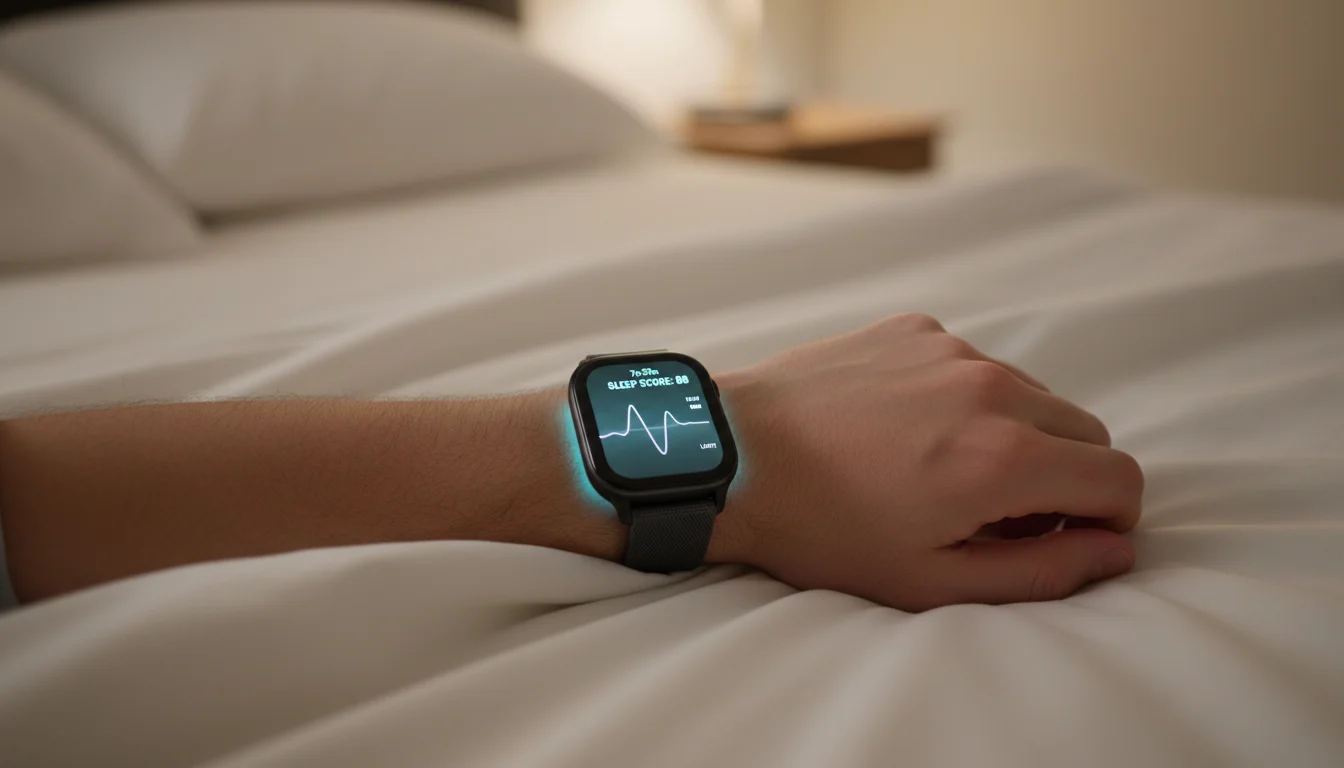
A FDA-cleared device that monitors heart rate and movement during sleep to detect nightmare signatures, then vibrates gently to disrupt the dream without fully waking you. The vibration shifts your sleep state enough to exit the nightmare, often without waking up at all.
Designed specifically for chronic nightmare sufferers and PTSD patients. Expensive and requires a prescription in some jurisdictions, but it’s effective for people whose nightmares are severe enough to significantly impair sleep quality. Worth knowing about as an option when behavioral methods haven’t been enough.