
Table of Contents
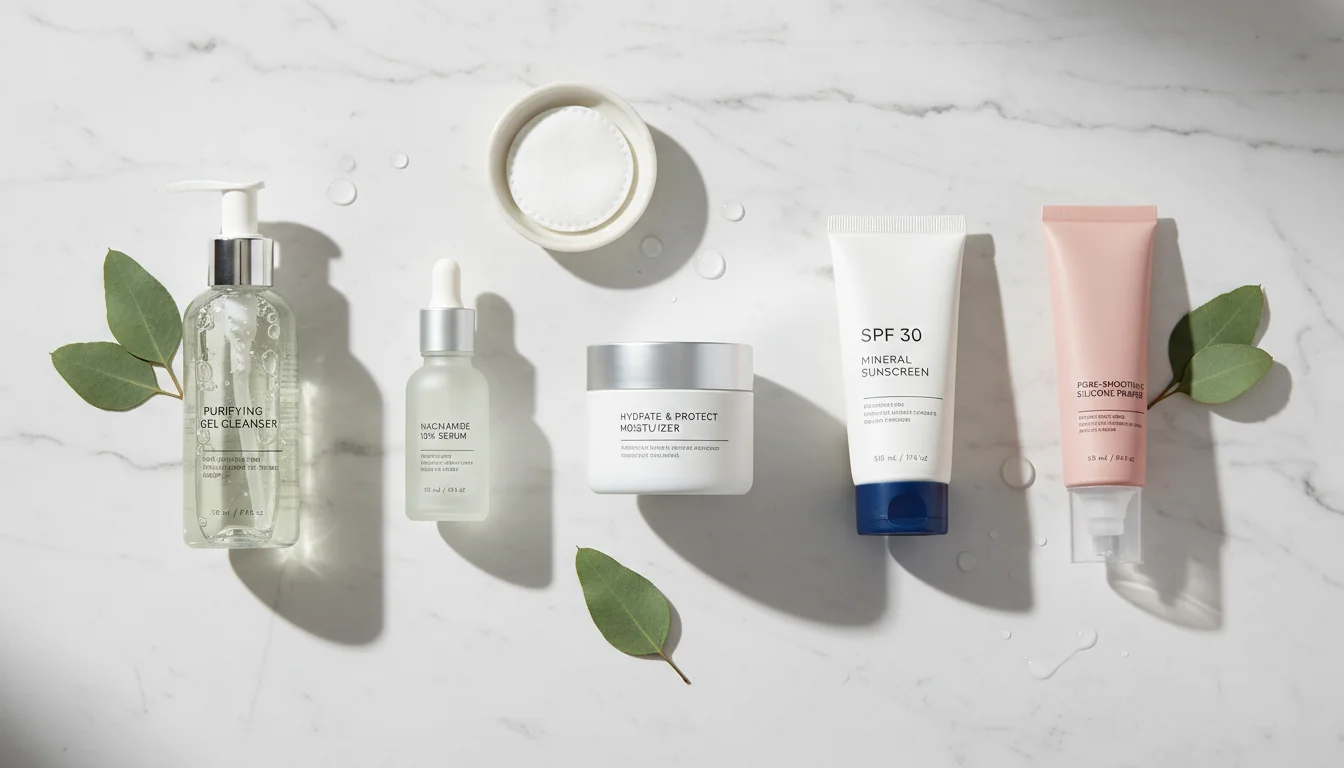
Pores can’t open and close like pores in a sauna brochure – they don’t have muscles. What they can do is look larger when they’re clogged with oil and dead skin, when the collagen around them degrades from sun exposure, or when oil production stretches them over time. The daily skincare methods here address all three causes. None of them work overnight, but done consistently for 8-12 weeks, the difference is real.
1. Gentle Face Washing
Your pores fill with oil, dead skin, and environmental debris throughout the day. Washing twice daily with a gentle cleanser removes that buildup before it has a chance to stretch things out.
Skip foaming cleansers. They strip the skin’s lipid barrier, which triggers compensatory oil production – the opposite of what you want. Use a gel or cream formula labeled gentle or for sensitive skin. Massage in circular motions for 30 seconds with clean fingers, focusing on the nose, forehead, and chin where pores are most visible. Rinse with lukewarm water. Hot water damages your barrier; cool water doesn’t emulsify oil effectively.
2. Oil-Free and Noncomedogenic Products
Every product you put on your face is either helping or making this worse. Moisturizers, sunscreens, and foundations formulated with heavy oils or comedogenic ingredients – coconut oil, cocoa butter, certain waxes – sit in pores and stretch them over time.
Check every product you use for "non-comedogenic" on the label. Better practice: look up specific products on ingredient comedogenicity databases before buying (INCIdecoder, CosDNA). Your skin does need moisture – dry skin overproduces oil to compensate – it just needs the right kind. Lightweight gel moisturizers and water-based formulas hydrate without clogging.
3. Broad Spectrum Sunscreen Daily
This one is more consequential than most people realize. UV radiation breaks down collagen in the dermis, causing the walls around pores to lose their firmness and sag outward. That collagen degradation is cumulative and mostly irreversible without professional treatment.
SPF 30 or higher, every day. UV rays come through clouds and windows. Mineral (physical) sunscreens containing zinc oxide or titanium dioxide are better for pore-prone skin than chemical filters – they sit on the surface rather than absorbing in, so they’re less likely to clog. Apply a nickel-sized amount after moisturizer, before anything else. This is the defensive measure that keeps the problem from getting worse while the other steps work on improvement.
4. Niacinamide Serum
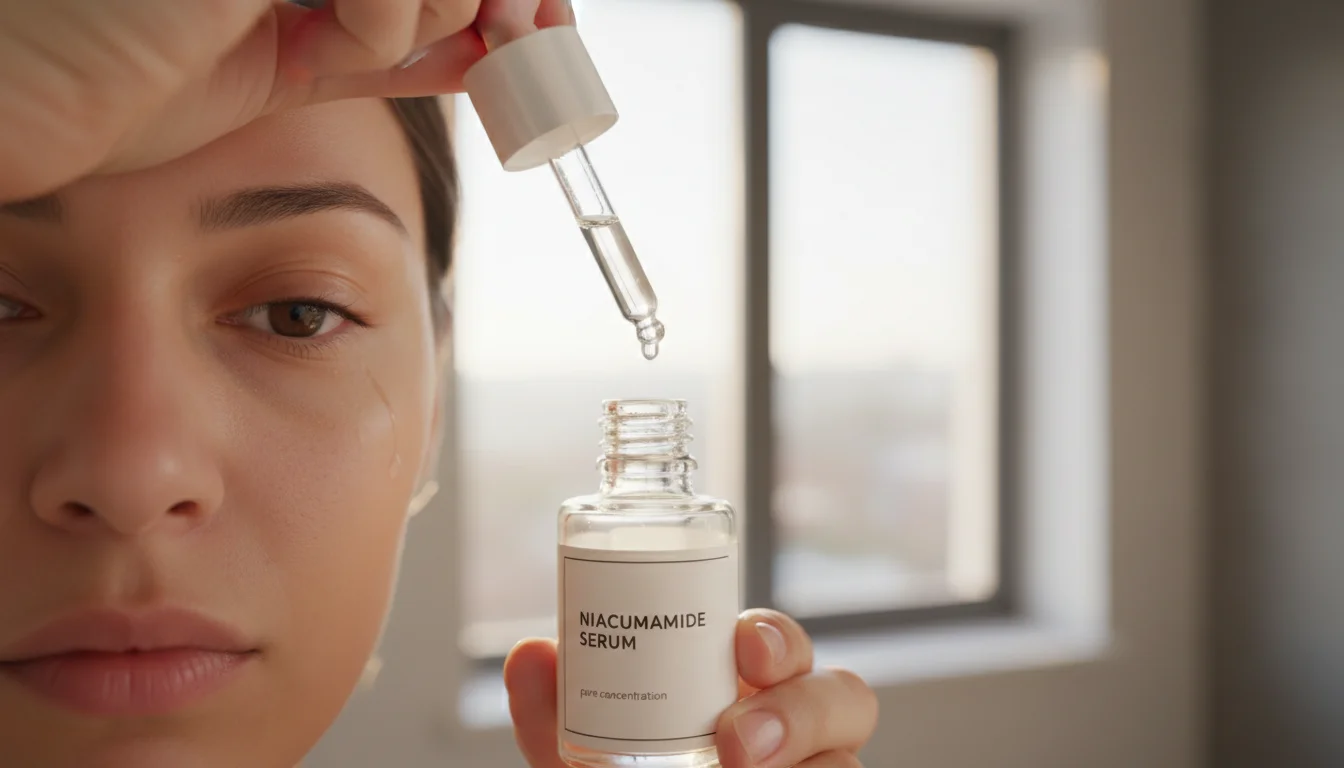
Niacinamide (vitamin B3) does two things relevant here: it regulates sebum production and it strengthens the skin barrier. Less oil means less pore-stretching; a stronger barrier means better skin texture overall. After 8-12 weeks of consistent use, pore appearance measurably improves.
Look for serums with 5-10% concentration. Apply a few drops to clean, dry skin after cleansing and before moisturizer, once or twice daily. It’s compatible with nearly everything – retinol, vitamin C, acids – so you don’t need to restructure your routine around it. The results are gradual. This is not a quick fix; it’s a long-term maintenance ingredient.
5. Retinol Serum or Moisturizer at Night
Retinol accelerates cell turnover and stimulates collagen synthesis, which tightens the walls around pores and reduces their visible diameter over time. Over-the-counter concentrations (0.25% to 1%) work, but the timeline is months, not weeks.
Start twice a week on clean, dry skin after washing, applying a pea-sized amount. Your skin needs adaptation time – expect peeling and sensitivity the first 4-6 weeks. Once tolerated, work up to every other night, then nightly. Never use retinol in the morning (it degrades in UV) and always apply sunscreen the next day without fail, because retinol significantly increases photosensitivity.
If 0.25% causes ongoing irritation, try an encapsulated retinol formula, which releases more slowly. Give any concentration at least 12 weeks before declaring it ineffective.
6. Pore Minimizing Primer
This is camouflage, not treatment – important to understand what you’re getting. Silicone-based primers (look for dimethicone, cyclopentasiloxane in the ingredients) physically fill in pores and create a smooth surface for makeup. The pores aren’t smaller; they’re just temporarily not visible.
Apply a thin layer after moisturizer and sunscreen, before foundation. Focus it on nose, forehead, and chin. Don’t overload it – too thick a layer creates a slippery base that makeup slides off throughout the day. This is your immediate visual improvement option for days when it matters, while the niacinamide and retinol work on actual long-term change.


Comments