Table of Contents
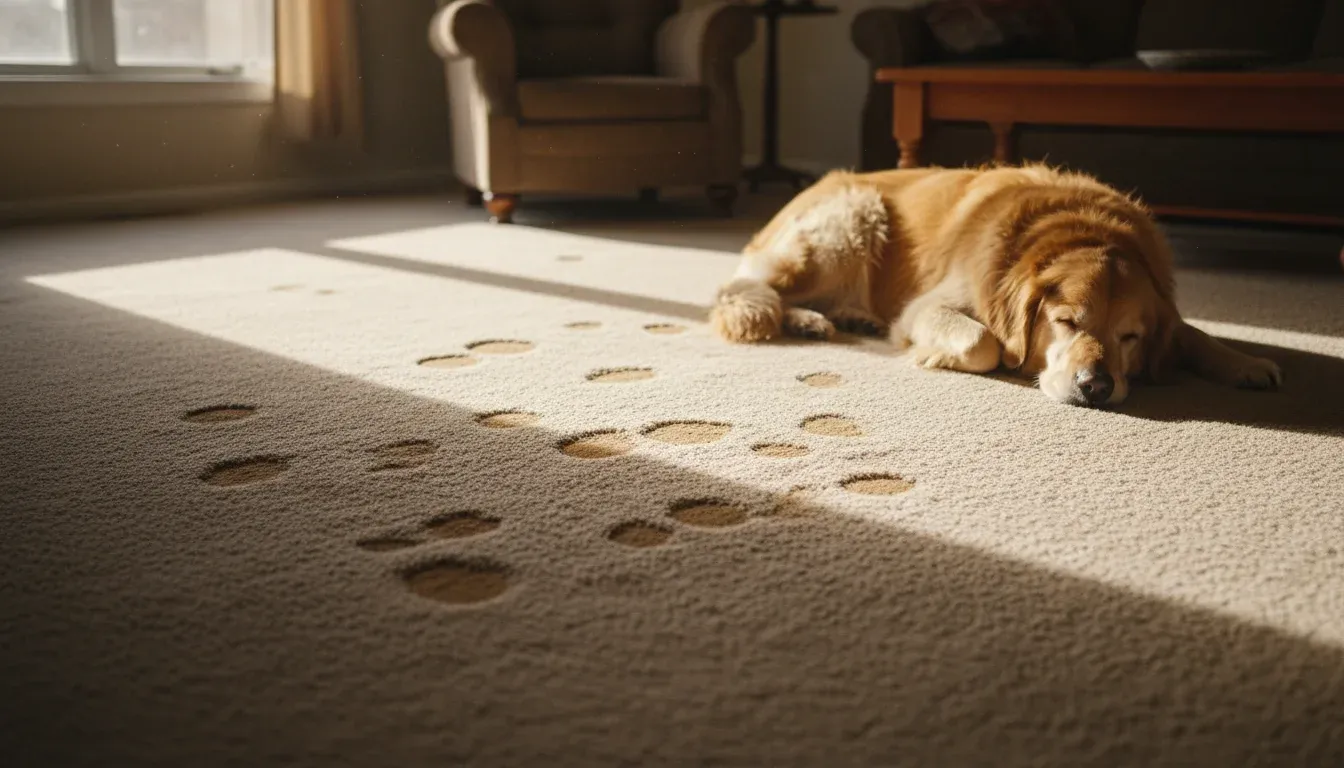
Pet smell isn’t just surface dirt. It seeps into carpet fibers, upholstery, even walls. That "pet house" odor visitors notice the second they walk in? It’s organic compounds from urine, dander, and oils that standard cleaning misses. You need methods that break down these compounds at their source, not just mask them with fragrance.
1. Enzymatic Cleaning Agents
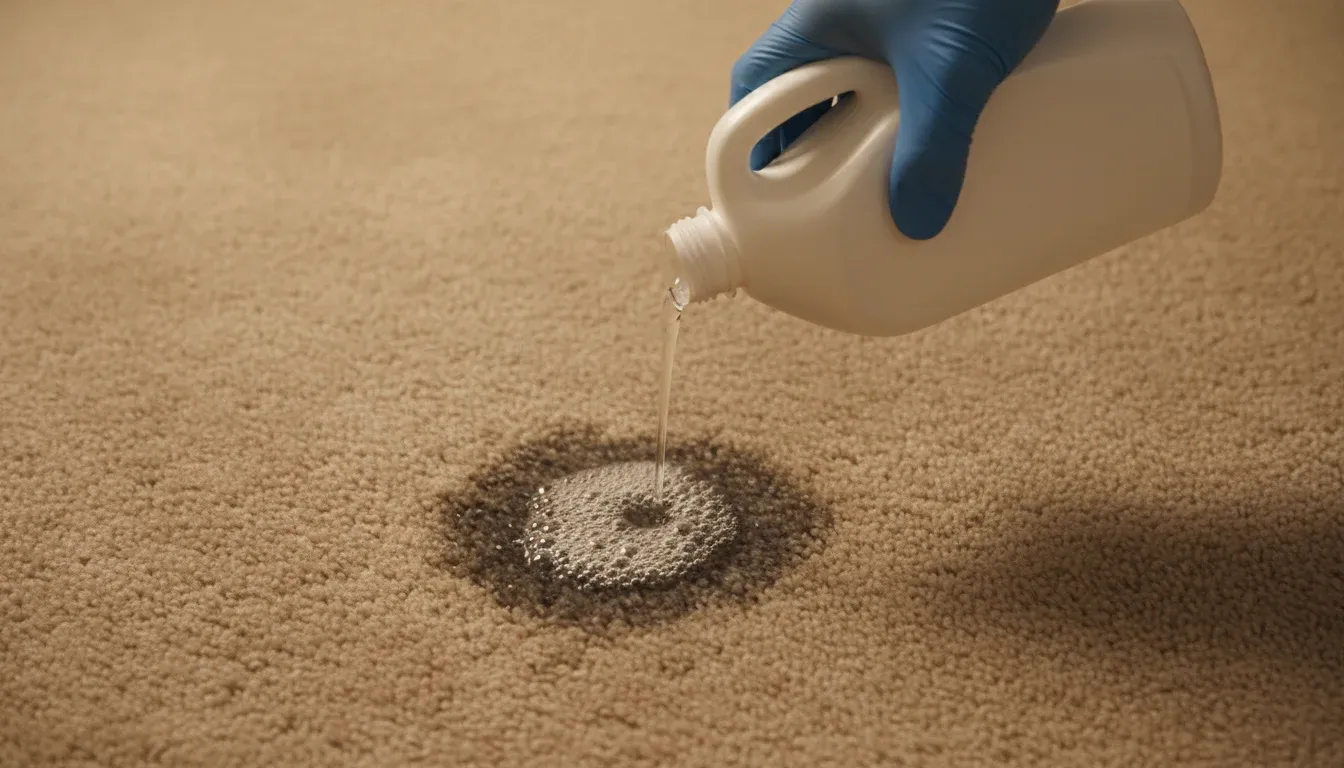
These are the gold standard. Enzymatic cleaners don’t mask smells, they break down the organic compounds in urine, feces, and biological matter at a molecular level. The cleaners contain beneficial bacteria that consume the odor-causing substances completely.
Saturate any accident areas thoroughly and let them air dry naturally without blotting. The enzymes need time to work. Most products take 24-48 hours to fully neutralize odors. They’re particularly effective on carpets, upholstery, and pet bedding where traditional cleaners fail. Follow product instructions exactly (concentration and dwell time matter).
2. Baking Soda Treatment
Baking soda absorbs odors trapped in fabrics. Sprinkle a thick layer over carpets and furniture, let it sit for at least 30 minutes (overnight for stubborn smells), then vacuum thoroughly. For really embedded odors, work the baking soda into carpet fibers with a brush before letting it sit.
Add half a cup to your washing machine when cleaning pet bedding or blankets. For spot treatment on hard surfaces, mix baking soda with just enough water to form a paste, apply it, let it dry completely, then vacuum or wipe clean.
3. Vinegar Cleaning Solution
White vinegar neutralizes the alkaline salts in dried pet urine. Mix equal parts white vinegar and water in a spray bottle. Use it on hard floors, walls, baseboards, and inside your washing machine (run an empty cycle with two cups of vinegar to kill odors from pet bedding).
For carpet accidents, blot immediately with paper towels first, then saturate the area with vinegar solution. The vinegar smell disappears as it dries, taking the pet odor with it. Don’t use this on natural stone like marble or granite (the acid etches the surface).
4. Steam Cleaning
Heat and moisture lift embedded dirt and bacteria that vacuuming can’t reach. Use a carpet cleaner with a pet-specific cleaning solution every 2-3 months on high-traffic areas and wherever your animals sleep.
For severe odor problems, rent a professional-grade machine or hire specialists. They have truck-mounted extraction systems that reach deeper into carpet padding where odors accumulate. If the padding itself is saturated with urine, you might need it replaced entirely (no amount of surface cleaning fixes that).
5. Air Purifiers and Ventilation
Pet dander and odor particles circulate constantly, settling on every surface. A HEPA filter air purifier captures these before they settle. Place units in rooms where pets spend the most time.
Open windows for 15-20 minutes daily to flush out stale air. Run exhaust fans after accidents. Change HVAC filters monthly instead of quarterly (this alone makes a noticeable difference in whole-home odor). Airflow matters more than most people realize.
6. Regular Grooming and Bathing
Your pet is the source. Bathe dogs every 4-6 weeks (more often for breeds with skin issues). Cats usually handle their own grooming, but brush them daily anyway to catch loose fur and dander before it spreads.
Wash everything your pet touches regularly. Collars, leashes, harnesses, toys, food bowls (bacteria buildup in bowls contributes more to house odor than you’d think). Hot water and detergent. Weekly minimum.
7. Blacklight Urine Detection
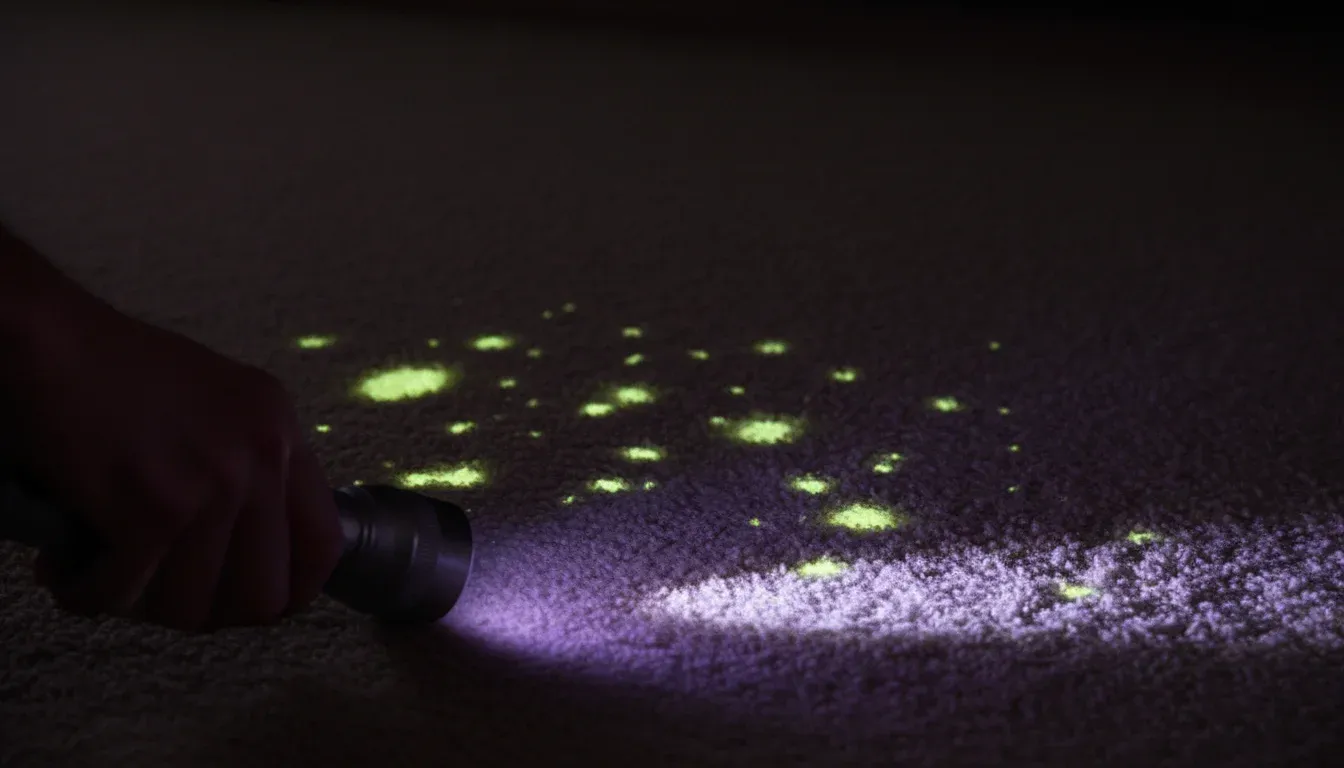
You can’t eliminate odors you can’t find. Dried urine is invisible but glows yellowish-green under UV blacklight. Darken the room completely and scan carpets, baseboards, furniture, walls.
Mark every glowing spot with masking tape, then treat each one with enzymatic cleaner. This method is essential when moving into a home previously occupied by pets, or when dealing with a cat that sprays. One missed spot will keep the whole room smelling.
8. Professional Carpet Cleaning
When home methods fail, professionals have commercial-strength odor neutralizers and equipment that extracts deeply from padding and subfloor. They can apply enzyme treatments to the subfloor itself if urine has soaked through.
For severe cases (multiple pets, long-term accidents), they’ll remove and replace carpet padding. Schedule professional cleaning once yearly minimum, twice yearly for multi-pet households. It’s not cheap, but neither is replacing all your carpeting.
Keep Your Home Fresh
Treat accidents within minutes (blot, then enzymatic cleaner). Deep clean carpets monthly with baking soda or vinegar. Run air purifiers constantly. Groom pets weekly. Check with a blacklight quarterly to catch hidden spots.
The smell comes back if you stop doing these things. But stay consistent and you can have pets without announcing it to everyone who walks through your door.