Table of Contents
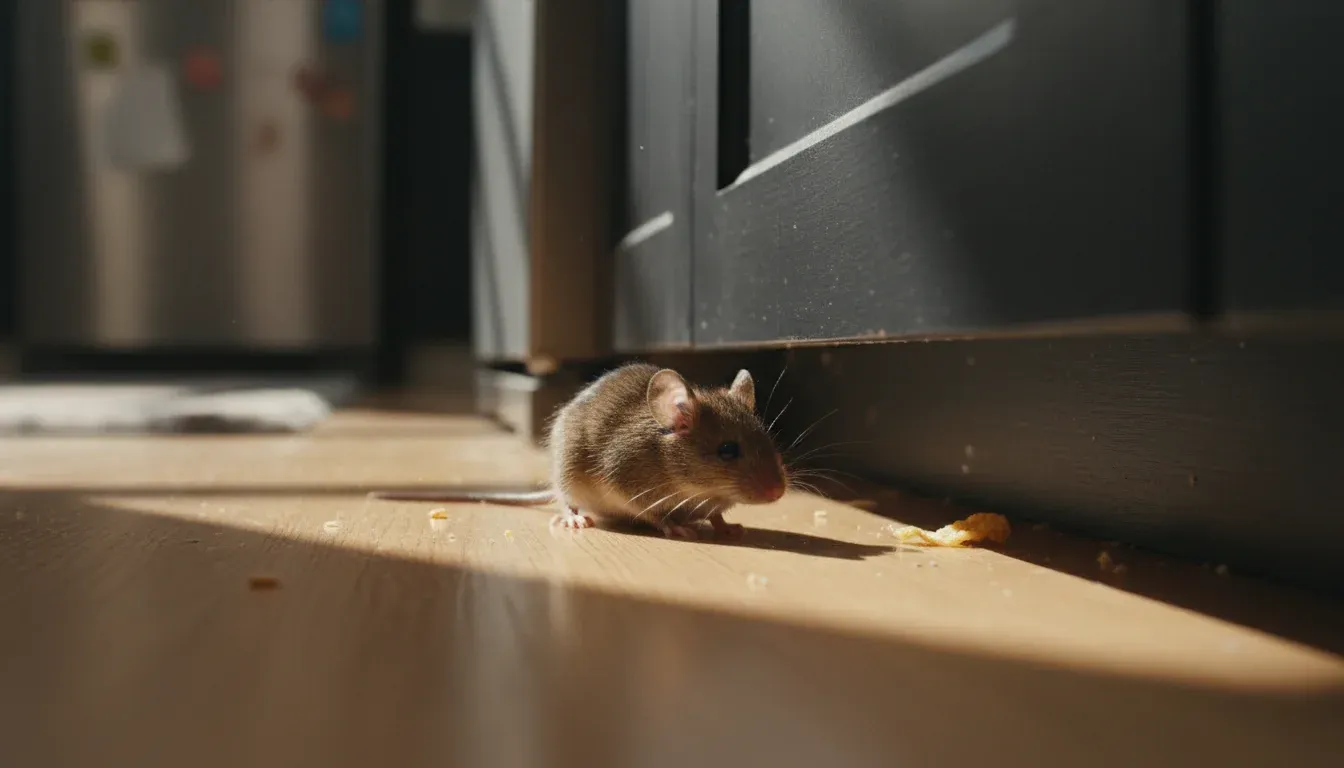
Rodents in your home aren’t just annoying—they’re destructive. Mice, rats, and chipmunks chew through wires, damage insulation, contaminate food, and create fire hazards. Twenty-one million homes in the United States deal with rodent infestations each winter. You’re not alone, but you also don’t have to resort to poisons or lethal traps to solve the problem.
Humane rodent control focuses on exclusion and deterrence rather than killing. The goal isn’t to eliminate wildlife—it’s to make your home unappealing and inaccessible to rodents so they move on voluntarily. Here’s how to do it effectively without poison, snap traps, or suffering.
1. Install One-Way Exclusion Doors
The most effective humane method for rodents already inside your home is the one-way exclusion door. These clever devices allow rodents to exit for food and water but prevent them from re-entering. It’s eviction without confrontation.
Professional pest control companies install these doors over the main entry points rodents use. The door swings outward freely but blocks return entry. Over several days, the resident rodents leave and can’t get back in. Once you’re certain the animals are out, seal the entry point permanently.
This method works because rodents have small territories they’ve memorized. When their usual entry stops working, they don’t typically seek new ways in—they simply relocate to easier accommodations. The Toronto Wildlife Centre confirms this approach is highly effective when combined with proper sealing of all access points.
One-way doors work best during seasons when rodents aren’t raising young. In spring and early summer, babies may be hidden inside while parents forage. Professional installers check for nests before installing exclusion devices.
2. Seal All Entry Points Completely
Prevention beats eviction. Rodents enter homes through surprisingly small gaps—mice can squeeze through holes the size of a dime. A thorough inspection and sealing effort keeps rodents out permanently.
Start with a systematic check of your home’s exterior. Examine areas where utility lines enter, gaps around doors and windows, spaces under garage doors, and openings around vents. Look for gaps in siding, cracks in foundations, and holes in soffits or fascia boards.
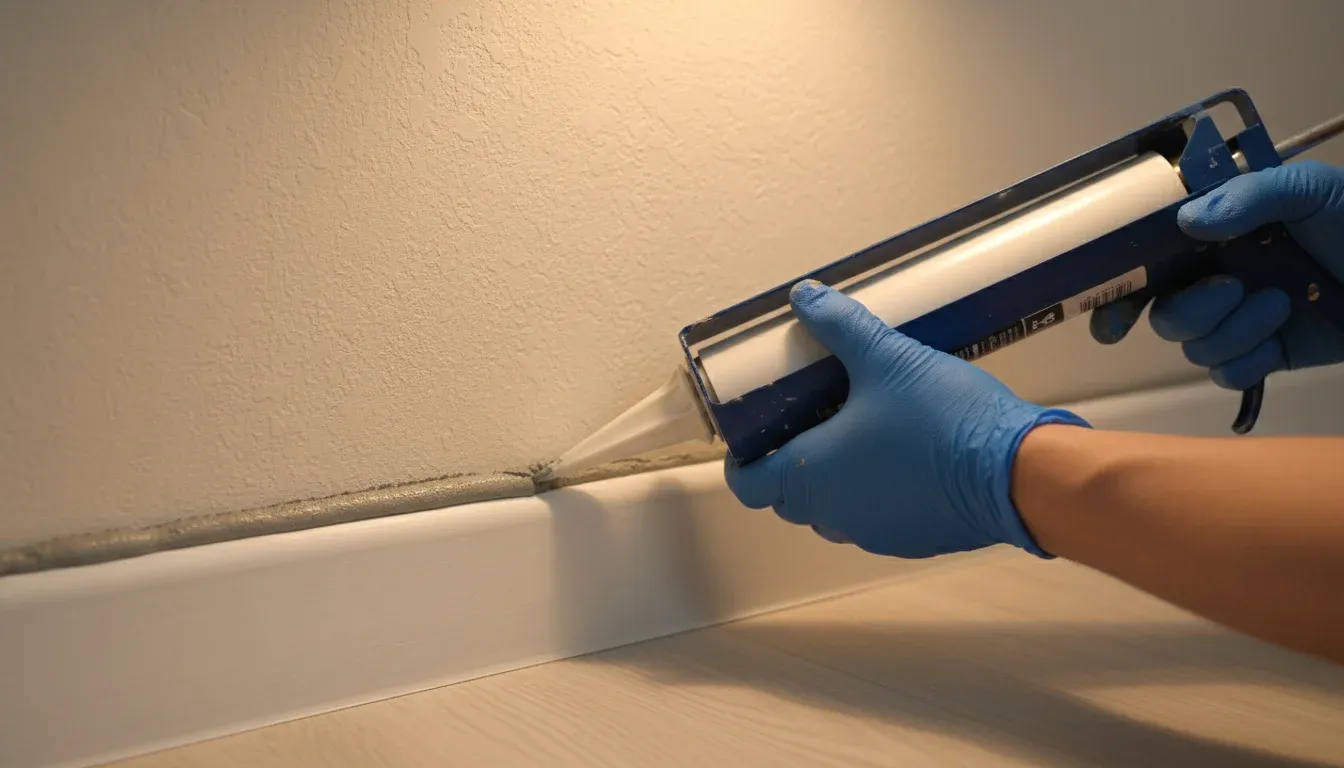
Seal openings using steel wool combined with caulk or expandable foam. Rodents can’t chew through steel wool, and the combination creates an impenetrable barrier. For larger gaps, use metal mesh or hardware cloth cut to size and secured with screws.
Don’t forget secondary structures. Sheds, decks, porches, and garages often have gaps that serve as rodent staging areas. If rodents establish themselves in these spaces, they’ll eventually find their way into your home. Seal these areas with the same thoroughness you apply to your house.
This step requires patience and attention to detail. A single missed gap renders all other efforts useless. But once completed properly, it provides permanent protection without ongoing maintenance.
3. Remove Food Sources and Attractants
Rodents enter homes for three reasons: shelter, warmth, and food. You can’t eliminate the first two, but removing food sources makes your property significantly less appealing than your neighbor’s.
Clean up fallen fruit and nuts from trees promptly. These natural food sources attract rodents from surrounding areas. Once they’re in your yard for fruit, they’ll explore your home for additional resources.
Keep bird feeding areas tidy. Spilled seed attracts rodents just as effectively as birds. Use feeders with catch trays, or sweep up spilled seed daily. Store unused birdseed in metal or heavy plastic containers with tight-fitting lids—not the paper bags they come in.
Secure garbage cans, compost piles, and green waste bins. Use containers with locking lids or bungee cords to keep rodents out. Position compost bins away from your home’s foundation. If you compost food scraps, use enclosed tumblers rather than open piles.
Inside, store all food in glass, metal, or thick plastic containers. This includes pet food, which rodents find just as appealing as human food. Don’t leave pet food out overnight—feed pets at set times and remove uneaten portions.
4. Apply Natural Deterrents
Certain scents repel rodents without harming them. These natural deterrents work best as supplements to exclusion efforts, adding another layer of protection around entry points and vulnerable areas.
Peppermint oil is the most popular rodent deterrent. Soak cotton balls in pure peppermint essential oil and place them near suspected entry points, in attics, crawl spaces, and areas where you’ve seen rodent activity. Replace the cotton balls every two weeks as the scent fades.
Cloves and clove oil provide similar deterrence. Whole cloves scattered in drawers or cabinets, or clove oil applied to cotton balls, create an environment rodents avoid. The strong scent overwhelms their sensitive noses without causing harm.
These deterrents have limitations. Rain and wind reduce their effectiveness outdoors. Indoors, they require regular refreshing. And determined rodents may push through mild deterrents if food or shelter is compelling enough. Use them as part of a comprehensive strategy, not as standalone solutions.
5. Enlist Professional Humane Pest Control
Sometimes DIY efforts aren’t enough. Professional humane pest control companies specialize in exclusion methods that remove rodents without killing them. They bring expertise, equipment, and guarantees that justify their higher cost.
Companies like Skedaddle and similar wildlife control services install one-way doors, identify and seal entry points you might miss, and provide lifetime guarantees against re-infestation. They understand rodent behavior and can spot signs of activity that homeowners overlook.
Professional services are particularly valuable for persistent infestations, complicated structures with multiple access points, or situations where rodents have established nests with young. The upfront cost is higher than buying traps, but the permanent solution often saves money over time.
Research local companies and read reviews before hiring. Ask specifically about their humane methods and guarantees. Reputable companies will explain their process clearly and provide written warranties.
6. Maintain Your Yard to Reduce Habitat
Your landscaping choices either invite rodents or discourage them. Simple yard management reduces the shelter and safety that encourage rodents to stay near your home.
Clear brush, leaf piles, and stacked materials near your home’s foundation. These provide cover that rodents use to approach your house unseen. Move firewood stacks at least 20 feet from your home and elevate them on racks.
Trim shrubs and tree branches away from your roof and walls. Rodents use these as highways to access upper entry points. A clear zone around your home’s perimeter eliminates the cover rodents prefer.
Keep grass short and remove dense ground cover near foundations. Consider replacing mulch with rock or gravel immediately adjacent to your home—rodents prefer burrowing in soft mulch over hard surfaces.
If you have outdoor structures like sheds or garages, keep them organized and free of clutter. Rodents love hiding spots, and a tidy space offers fewer opportunities for undetected habitation.
Humane rodent control requires more effort upfront than setting out poison or traps, but it provides lasting results without cruelty. Start with a thorough inspection and sealing of entry points. Remove food attractants from your property. Add natural deterrents around vulnerable areas. For established infestations, consider professional exclusion services with one-way doors. The goal isn’t to eliminate wildlife—it’s to establish boundaries that both you and the rodents can respect. Do it right, and you’ll solve the problem permanently while keeping your conscience clear.