Table of Contents
Home remedies for scars are not all equal. Some are backed by real evidence. Some are plausible but unproven. A few are actively counterproductive. This list covers all ten, starting with the one that actually delivers.
Silicone Gel Sheets
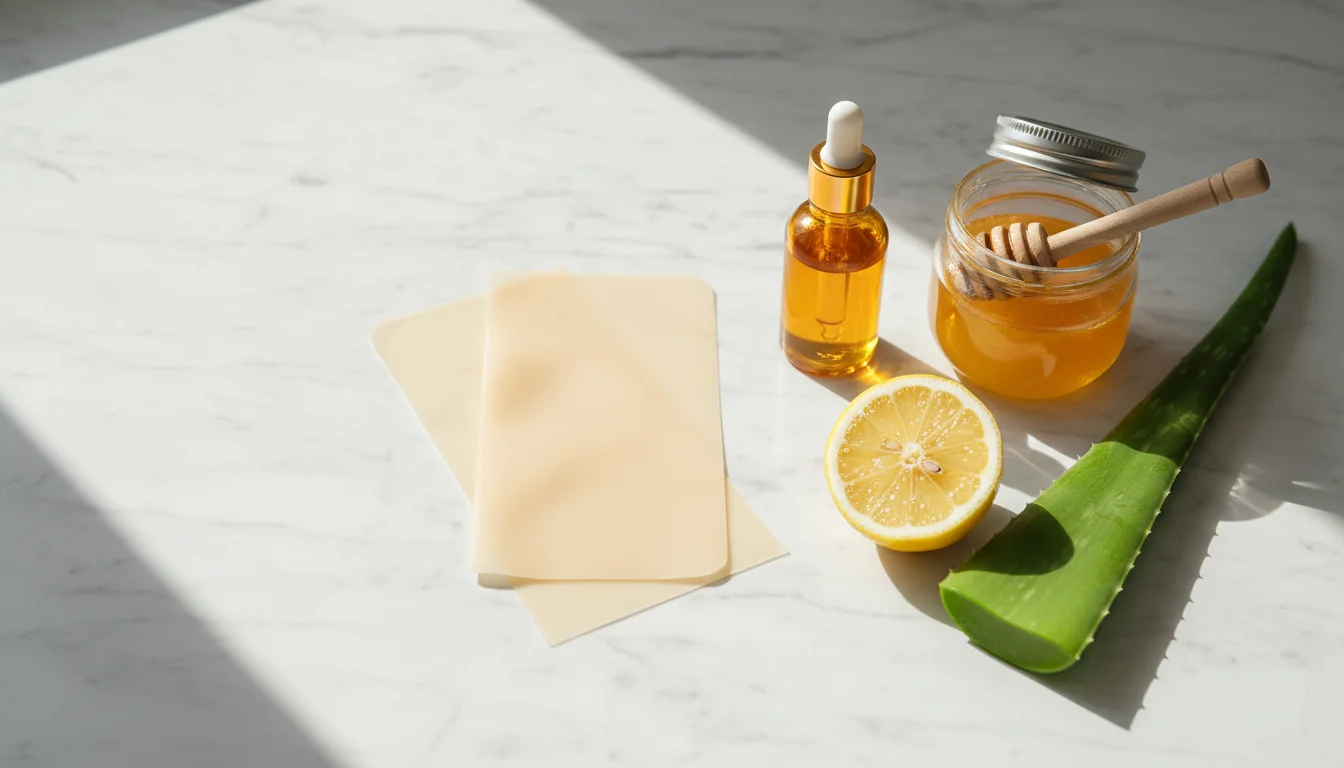
The gold standard for at-home treatment – the thing dermatologists actually recommend. Silicone sheets create a sealed, hydrated environment that slows down excessive collagen production, which is what makes raised scars thick and prominent. They work on both raised and flat discolored tissue, and they’re most effective on newer scars (under two years old).
Wear them 12-24 hours a day. They’re reusable for several weeks, so the upfront cost of $20-40 spreads out. Most people see visible improvement in 8-12 weeks. Start here before anything else on this list.
Aloe Vera
Backed by real (if modest) research. Aloe contains anti-inflammatory compounds and helps skin repair itself. It won’t do much for a scar that’s been established for years, but on fresh healing tissue it reduces irritation and supports recovery while the skin does its job.
Slice a fresh leaf and apply the gel directly twice a day. Store-bought works if it’s at least 95% aloe – many branded gels are mostly thickeners and fragrance, so check the label.
Vitamin E Oil
The controversial one. It’s been recommended for decades, but the evidence that it actually improves scars is thin. A meaningful percentage of people see no effect, and some develop contact dermatitis from it. The reputation has outlasted the research.
Still worth a short trial if you’re curious – pierce a capsule, massage the oil in once or twice daily. If you see redness or itching within a week, stop. Don’t invest months waiting for results that may not come.
Rosehip Oil
Better than vitamin E. Rosehip is rich in essential fatty acids and naturally occurring retinol precursors (vitamin A), which support cell turnover and help fade post-inflammatory pigmentation. It won’t fill in deep depressions, but for discoloration and surface texture improvement it’s genuinely effective with consistent use.
A few drops twice daily on clean skin. Give it 2-3 months before deciding. Particularly useful for the flat, red or brown marks left after acne or minor trauma.
Honey (Medical-Grade)
Pantry honey isn’t the right tool here – you need medical-grade or Manuka honey with a certified UMF rating of at least 10+. It has antibacterial and wound-healing properties that can reduce excessive scarring when applied during the active healing phase.
Apply a thin layer, cover with a clean bandage, leave overnight. The window is early: fresh wounds and new scars, not old established tissue. For recent injuries, it’s a solid addition to wound care.
Coconut Oil
Moisturizing, cheap, and it smells better than most scar products. It won’t rebuild skin tissue or fundamentally change scar structure. But it softens raised or rough scars through sustained hydration and makes them less uncomfortable.
Massage it in for 2-3 minutes twice a day. The physical massaging may help break down scar tissue through mechanical stimulation – so don’t just dot it on and walk away. Small circular movements over the scar does more than passive application.
Onion Extract Gel
Sold as Mederma and various generics. Onion extract has anti-inflammatory properties and is supposed to improve scar pigmentation and texture. The clinical research is genuinely mixed – some trials show improvement, others find it performs no better than petroleum jelly.
If you try it: 3-4 times daily for at least 8 weeks to have any real chance of seeing results. Expensive for uncertain outcome, but some people report noticeable improvement and it won’t cause harm.
Apple Cider Vinegar
Mildly acidic enough to exfoliate pigmentation, discourage fungal activity, and cut through surface buildup. For scar discoloration specifically, it can lighten hyperpigmented tissue over time with daily use.
Soak a cotton ball, apply directly, tape in place with medical tape if needed, leave for a few hours or overnight. Daily application. Results take weeks. If you see redness on the surrounding skin, dilute 50/50 with water. Stop if it burns.
Lemon Juice
Fresh-squeezed only (bottled has preservatives that irritate). The citric acid acts as a natural lightening agent. Dab directly on discoloration with a cotton ball, leave 30 minutes, rinse with cool water. Once a day.
Some tingling is normal. The photosensitivity issue is real – apply it and then sit in the sun and you’ll create new discoloration that’s worse than what you started with. Evening application is safer.
Over-the-Counter Scar Creams
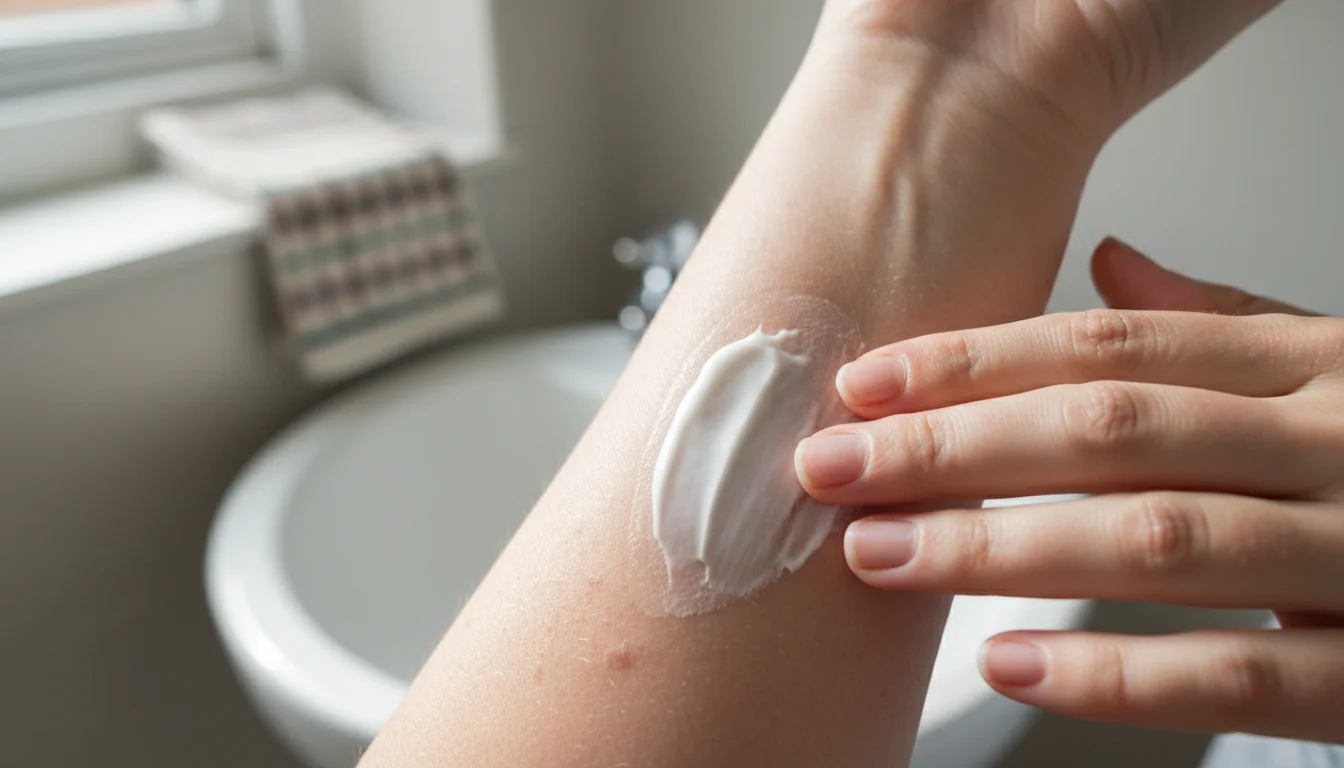
The market is crowded but a few ingredients are doing real work: hydroquinone (pigment lightening), retinol (cell turnover and texture), centella asiatica (wound healing and collagen regulation). Bio-Oil, ScarAway, Cicatricure all use different formulas at different concentrations.
Check reviews for your specific scar type before buying – what works for post-surgical marks may not work for acne hyperpigmentation. Commit to at least 3 months of daily use before writing one off. Most people quit after three weeks and blame the product.