Table of Contents
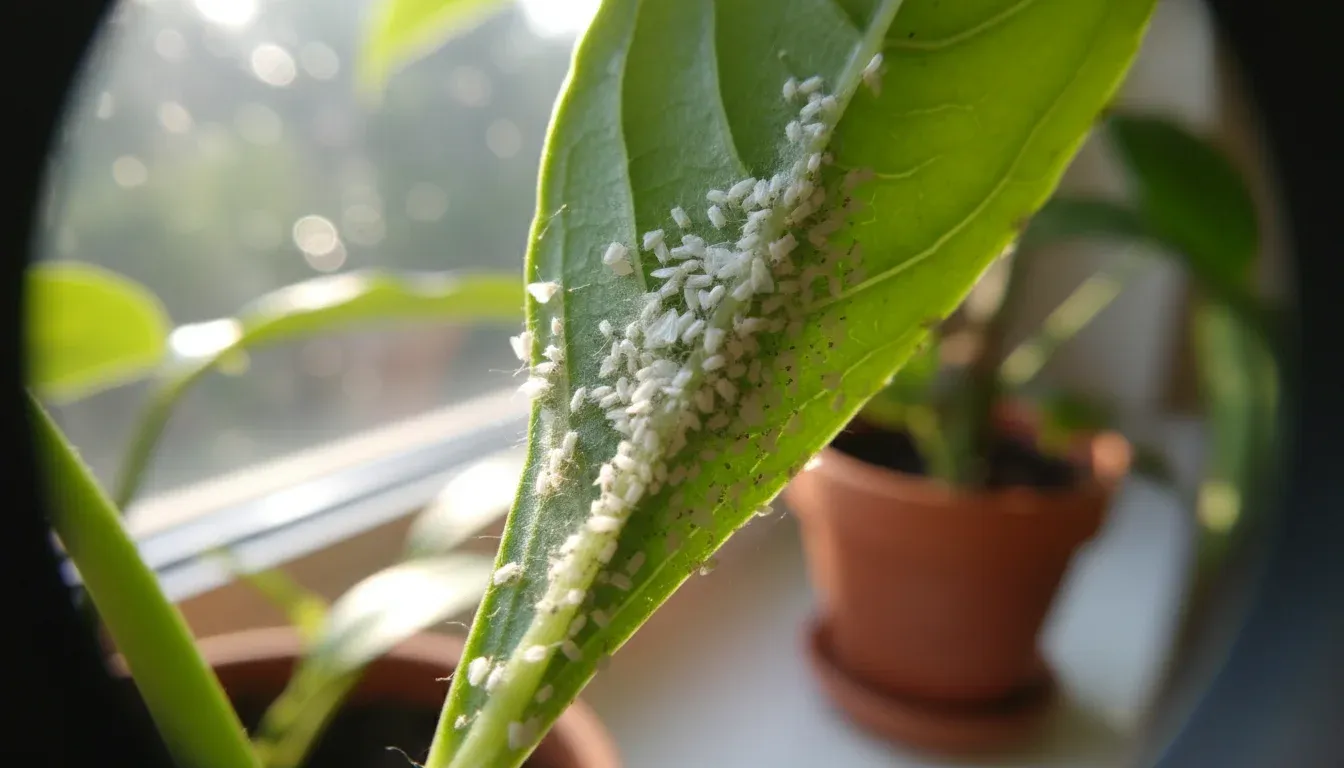
Whiteflies look harmless – tiny white specks barely visible to the eye – until you disturb an infested plant and they swarm upward in a cloud. By then, you’re already in trouble. These pests reproduce with terrifying speed, and a single female can lay 400 eggs in her lifetime. In warm conditions, whiteflies complete their entire life cycle in just 16 days.
Whiteflies aren’t actually flies. They’re related to aphids and mealybugs, and like their cousins, they feed on plant sap. They cluster on the undersides of leaves, sucking nutrients and weakening plants until leaves yellow, wilt, and drop. Severe infestations can kill plants entirely.
The key to winning against whiteflies is speed. You need to break their reproductive cycle before the next generation matures and lays more eggs. Here’s how to do it.
1. Blast Them with Water
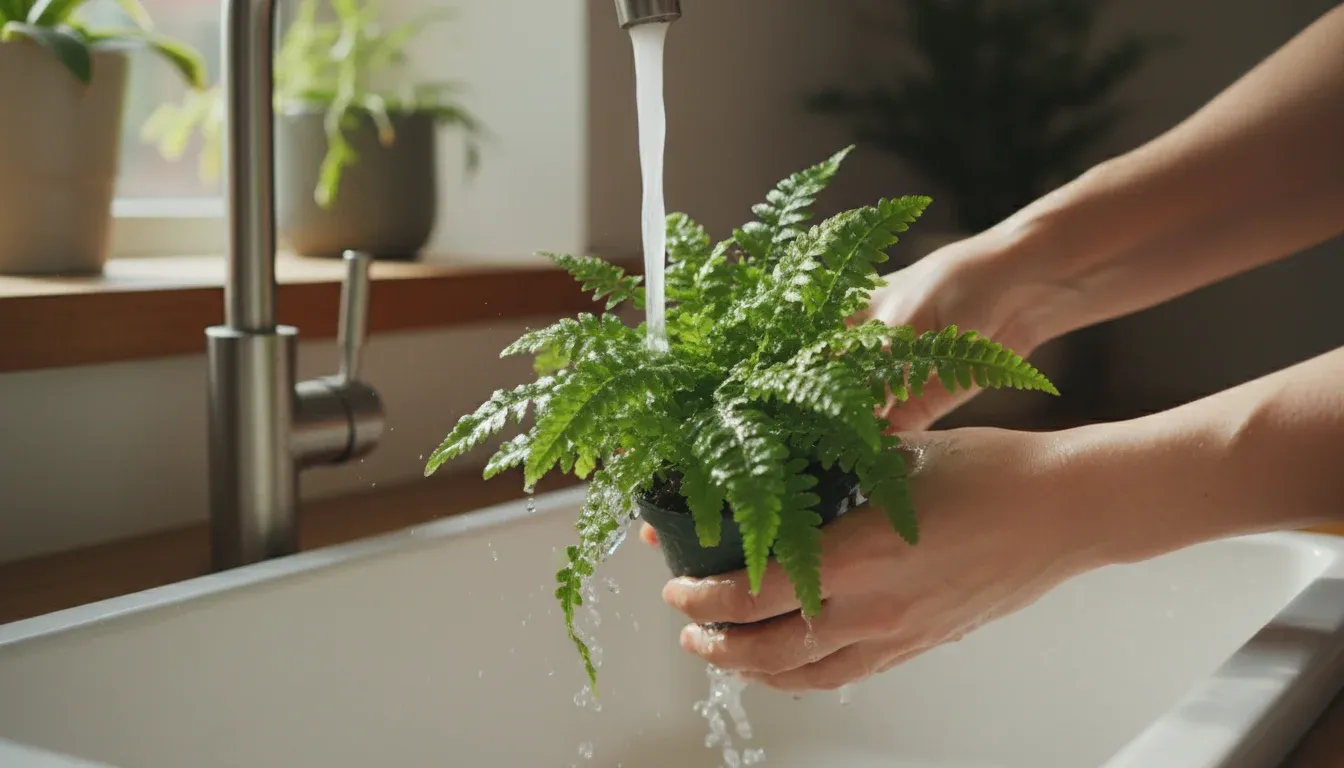
Start with brute force. Whiteflies are weak fliers, and a strong spray of water knocks them off plants and drowns many before they can return.
Take your plant outside or into a shower and spray all surfaces, focusing on the undersides of leaves where whiteflies congregate. The water dislodges adults and the immature nymphs that haven’t developed wings yet. Let the plant dry completely before moving it back.
Repeat every few days. For outdoor gardens, a strong morning spray disrupts feeding patterns and keeps populations down without chemicals.
2. Apply Neem Oil
Neem oil is a botanical insecticide that kills whiteflies in multiple ways. It disrupts their feeding, prevents larvae from developing properly, and acts as a repellent. Even better, it doesn’t harm beneficial insects once it dries.
Mix neem oil according to package directions – usually 1 to 2 tablespoons per 1 gallon (3.8 L) of water with a few drops of dish soap as an emulsifier. Spray it on all plant surfaces, especially the undersides of leaves where whiteflies hide and lay eggs.
Apply neem oil in the early morning or evening when temperatures are cool. Hot sun can cause the oil to burn leaves. Reapply every 7 to 10 days until you see no more whiteflies. The oil has a strong smell that fades within a day but repels whiteflies for longer.
Neem oil is safe for most plants, but test it on a small area first if you’re concerned. It’s particularly effective because it targets whiteflies at every life stage, not just adults.
3. Spray with Insecticidal Soap
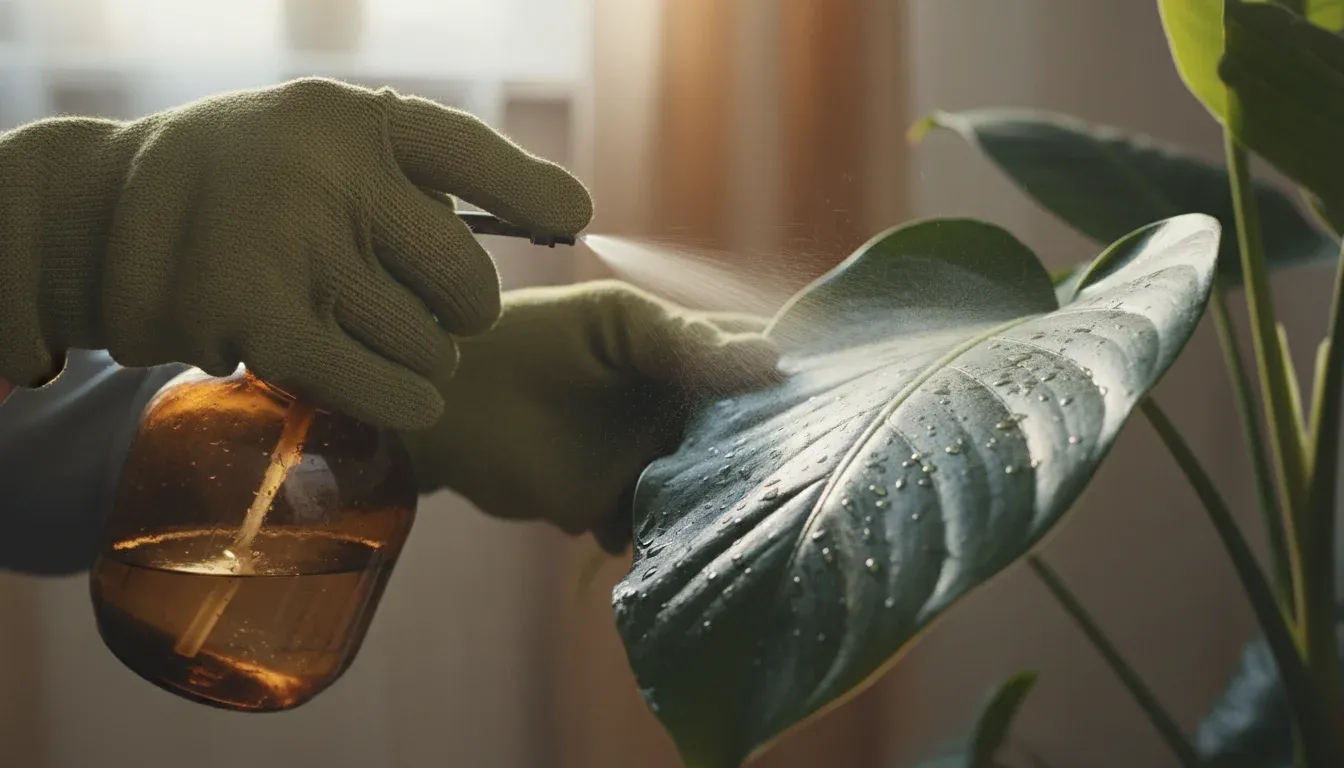
Insecticidal soap kills soft-bodied insects like whiteflies on contact. The soap dissolves their protective outer coating, causing them to dehydrate and die. Fast, effective, and safe for plants when used correctly.
You can buy pre-made insecticidal soap or make your own by mixing 1 tablespoon of pure liquid castile soap with 1 quart (1 L) of water. Don’t use dish soap with degreasers or antibacterial agents – they can damage plant tissue.
Spray the solution directly on whiteflies, coating both the tops and undersides of leaves. The soap must contact the insects to work, so thorough coverage is essential. Apply in cool, shady conditions to prevent leaf burn.
Reapply every 5 to 7 days to catch newly hatched whiteflies. Soap sprays don’t leave residue, so they won’t harm beneficial insects that visit after the spray dries.
4. Set Out Sticky Traps
Whiteflies are attracted to yellow. Hang yellow sticky traps just above the foliage near infested plants. The adults fly toward them and get stuck, cutting off the next round of egg-laying.
For houseplants, small sticky stakes work well. For gardens, use larger hanging traps. Replace them when they’re full or lose stickiness. They won’t solve an infestation alone, but they’re useful alongside other methods.
5. Vacuum Them Up
For severe infestations, a handheld vacuum removes large numbers quickly. Hold the nozzle close to leaf surfaces – the suction pulls whiteflies in before they can scatter. Focus on the undersides of leaves where clusters form.
Empty the vacuum immediately into a sealed bag and toss it in an outdoor trash can. Don’t leave the debris sitting in the vacuum.
6. Release Beneficial Insects
Lacewings and ladybugs feed on whiteflies and their eggs, providing ongoing protection without chemicals. You can buy them from garden centers and online suppliers. Release in the evening when temperatures are cool. Water your plants first – predatory insects need moisture.
Lacewing larvae are particularly voracious, consuming dozens of whiteflies daily. Ladybugs eat eggs and nymphs, preventing new generations from developing. Both work continuously, unlike sprays that wash away.
This takes patience – predator populations need time to build. But once established, they stick around and keep future infestations in check.
7. Plant Companions That Repel or Attract Predators
Some plants repel whiteflies directly; others attract the predatory insects that eat them. Both are worth planting.
Nasturtiums and marigolds confuse and deter whiteflies with their strong scents. Plant them throughout your vegetable garden as a protective barrier. Sunflowers and zinnias attract lacewings and ladybugs – the large, pollen-rich flowers give beneficial insects a reason to stick around.
Herbs like dill, fennel, and yarrow also draw predatory insects. Plant them along garden borders or between rows. The diversity of plantings creates a balanced ecosystem where pests rarely dominate.
8. Inspect New Plants Before Bringing Them Indoors
Whiteflies often enter homes on new houseplants. A single infested plant can spread the problem to your entire indoor collection within weeks.
Before purchase, check the undersides of leaves for white specks, sticky residue (honeydew), or tiny flies that flutter when disturbed. Quarantine new plants for two weeks before placing them near your existing collection. Spray with insecticidal soap as a preventative, even if you don’t see anything.
Whiteflies are much easier to stop at the door than to eliminate once they’ve spread.
9. Attract Predators with Sweet Alyssum
Sweet alyssum is a low-maintenance flowering ground cover that attracts parasitic wasps, hoverflies, and other predators that feed on whitefly eggs and larvae. Plant it near your vulnerable plants and let it do the recruiting.
It flowers most of the season and requires almost no attention. The more beneficial insects you establish in your garden, the less you’ll have to spray.
10. Avoid Over-Fertilizing
Whiteflies are drawn to lush, nitrogen-rich growth. If you’re heavy-handed with synthetic fertilizer, you’re essentially setting out a buffet. Back off on the nitrogen and switch to balanced, slow-release fertilizer.
Healthy plants can tolerate a light whitefly presence. Over-fertilized plants just give them more to eat and reproduce on.
11. Dust with Diatomaceous Earth
Food-grade diatomaceous earth (DE) is a fine powder made from fossilized algae. It shreds the exoskeletons of whiteflies and other soft-bodied insects, causing them to dehydrate and die.
Dust it lightly on the undersides of leaves and around the base of the plant. Reapply after rain or watering – DE only works when dry. Wear a mask when applying it, as the powder can irritate your lungs.
12. Plant Marigolds and Basil Nearby
Whiteflies avoid both marigolds and basil. Plant them near tomatoes, peppers, and other whitefly magnets to create a natural buffer. It’s not a complete solution on its own, but it helps reduce egg-laying activity in the area.
Marigolds also attract beneficial insects like ladybugs and lacewings, which eat whitefly nymphs – so they’re pulling double duty.
13. Use Reflective Mulch
Reflective aluminum mulch confuses whiteflies and reduces egg-laying on nearby plants. Lay strips of aluminum foil or reflective plastic mulch around the base of infested plants. The reflected light disorients the adults.
This works best early in the season before whiteflies establish large colonies. Once they’re dug in, mulch alone won’t save you. Use it as a preventative measure or in combination with other methods.
14. Vacuum Them Off (Yes, Really)
If you’ve already got a vacuum entry earlier in this list, here’s a variant worth knowing: a handheld vacuum works especially well for indoor plants or greenhouse setups where you can’t blast them with a hose.
Gently run the nozzle under infested leaves to suck up the adults. Move slowly – they’ll scatter when you approach. Empty the vacuum immediately into a sealed bag and toss it in the trash. Otherwise, they’ll just crawl back out.
It feels ridiculous. It works.