Table of Contents
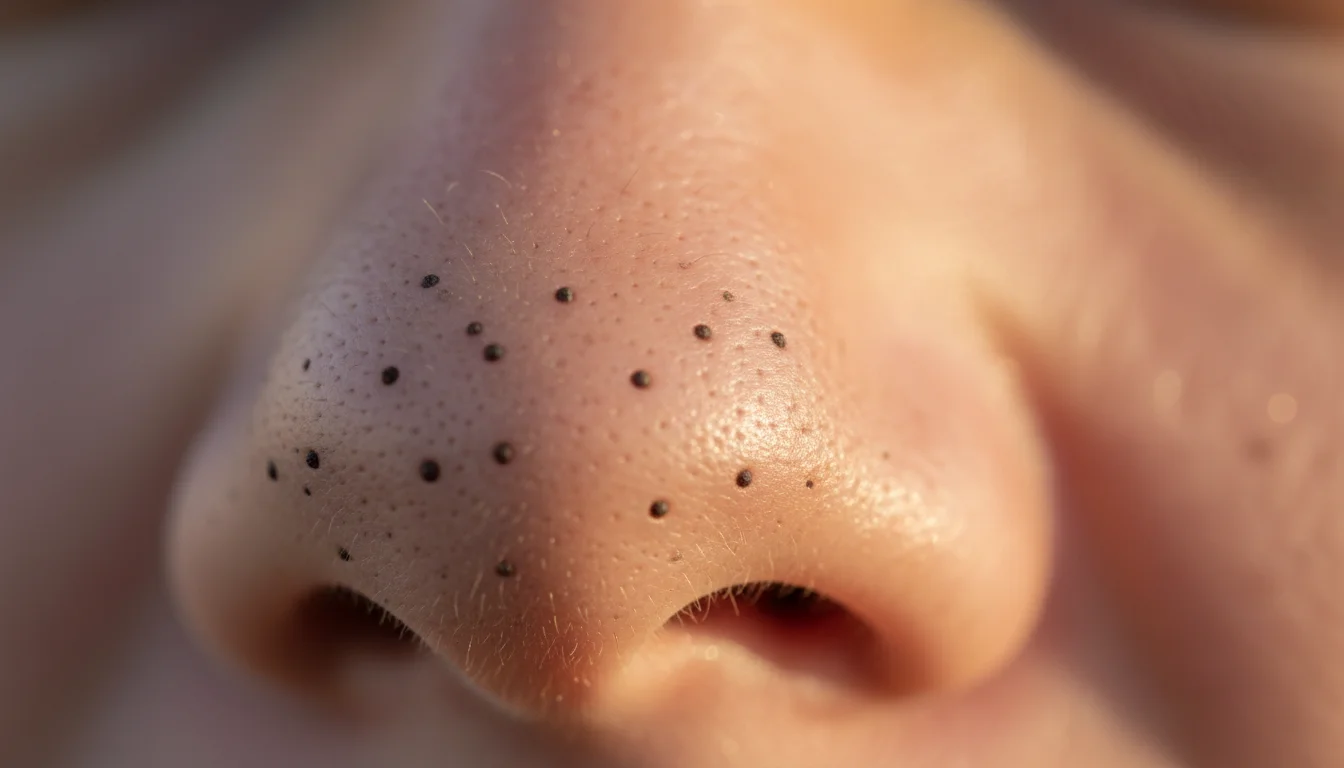
Blackheads aren’t dirt. They’re pores clogged with oil and dead skin cells that have oxidized and turned dark. Every nose has them, most chins too, and no amount of scrubbing with a washcloth will fix them because the problem is inside the pore, not on the surface.
The good news: blackheads are the easiest form of acne to treat. They’re open comedones (the pore isn’t sealed shut), so topical products can actually reach the clog. The bad news: if you don’t address what’s causing them, they’ll refill within days of being cleared. Here’s what actually works, starting with the single most effective option.
1. Exfoliate with Salicylic Acid (BHA)
This is the best thing you can do for blackheads. Salicylic acid is oil-soluble, which means it penetrates inside the pore and dissolves the mix of sebum and dead skin that forms the plug. AHAs like glycolic acid only work on the surface. BHA gets in there.
Use a leave-on product with 1% to 2% salicylic acid after cleansing. A cleanser with salicylic acid washes off too quickly to do much. You want it sitting on your skin for hours. Apply once daily, or twice if your skin tolerates it. Results show up in 2 to 4 weeks.
2. Use a Retinoid
Retinoids (tretinoin, adapalene, tazarotene) speed up skin cell turnover and reshape the pore lining so oil flows out instead of getting trapped. Adapalene (Differin) is available over the counter at 0.1% strength. Prescription options like tretinoin are stronger.
Start every other night. Retinoids cause dryness and peeling for the first few weeks. That’s normal and it passes. Don’t combine with salicylic acid in the same routine until your skin has adjusted to each one separately.
3. Switch to a Water-Soluble Cleanser
Bar soap and cream cleansers leave residue in your pores. You want something that rinses completely clean. Look for "gel" or "foaming" on the label and check the ingredients for sodium lauryl sulfate (skip it, too harsh) versus gentler surfactants.
Wash twice a day. Morning and night. And after sweating. Use your fingertips, not a washcloth or scrub brush. Mechanical scrubbing irritates the skin and triggers more oil production, which is the opposite of what you want.
4. Apply a Clay Mask Weekly
Kaolin or bentonite clay pulls excess oil out of pores before it can oxidize. Apply a thin layer to your T-zone (forehead, nose, chin), leave it 10 to 15 minutes until it dries, and rinse. Once or twice a week is plenty.
Skip this if your skin is dry. Clay masks are for people whose face is visibly oily by midday. On dry skin, they’ll just cause flaking without addressing the deeper clogs.
5. Double Cleanse at Night
Oil dissolves oil. Start with an oil-based cleanser or micellar water to break down sunscreen, makeup, and excess sebum. Follow immediately with your regular water-soluble cleanser. The first step loosens everything; the second washes it away.
This is especially useful if you wear makeup or sunscreen daily. A single cleanse often leaves behind a film that contributes to clogged pores overnight.
6. Add Niacinamide
Niacinamide (vitamin B3) regulates oil production and reduces the appearance of enlarged pores. A serum with 5% to 10% niacinamide applied after cleansing (and before moisturizer) helps control the excess sebum that feeds blackheads.
It plays well with other actives. You can layer it with salicylic acid or retinoids without irritation, which makes it an easy addition to any routine.
7. Try a Chemical Peel
A glycolic acid or lactic acid peel at 10% to 30% concentration dissolves the top layer of dead skin and clears out surface-level clogs. You can do these at home with over-the-counter peels (start at 10%, once a week) or get stronger concentrations done professionally.
Don’t use a peel on the same day as your retinoid. Alternate nights. And wear sunscreen the next morning because freshly peeled skin burns fast.
8. Extract Properly (or Don’t)
If you’re going to squeeze them out, do it right. Wash your face, hold a warm damp cloth against the area for 5 minutes to soften the plug, then wrap your fingers in tissue and press gently from underneath the blackhead on both sides. If it doesn’t come out after two attempts, stop. Forcing it causes bruising and scarring.
Better option: use a comedone extractor tool with a loop end, sterilized with rubbing alcohol. Press the loop around the blackhead and apply even downward pressure. But honestly, if you’re using salicylic acid and a retinoid consistently, you won’t need to extract much after the first month.
What to Skip
Pore strips rip out surface plugs along with healthy skin cells. The blackheads refill within days. Vacuum extraction tools apply uneven suction that can burst capillaries. And any "charcoal detox" product is marketing fluff with no meaningful pore-clearing mechanism.
Stick with the chemistry (BHA, retinoids, niacinamide) and the blackheads stop coming back. That’s the whole point.