Table of Contents
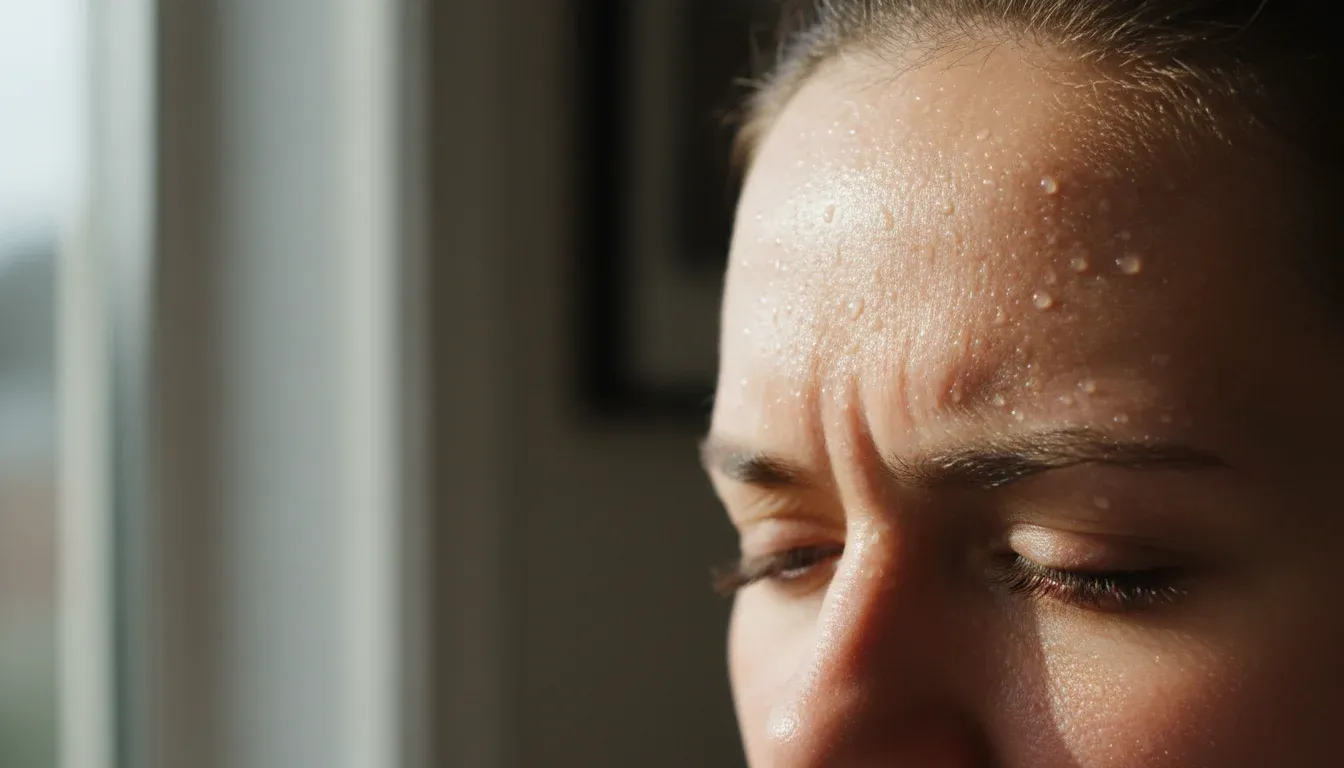
Face sweat is a pain. Your underarms get deodorant, but your forehead and cheeks? They’re left to drip on their own. Some people deal with excessive facial sweating (the actual term is craniofacial hyperhidrosis, but nobody calls it that). Here’s what works.
1. Cold Water Treatment
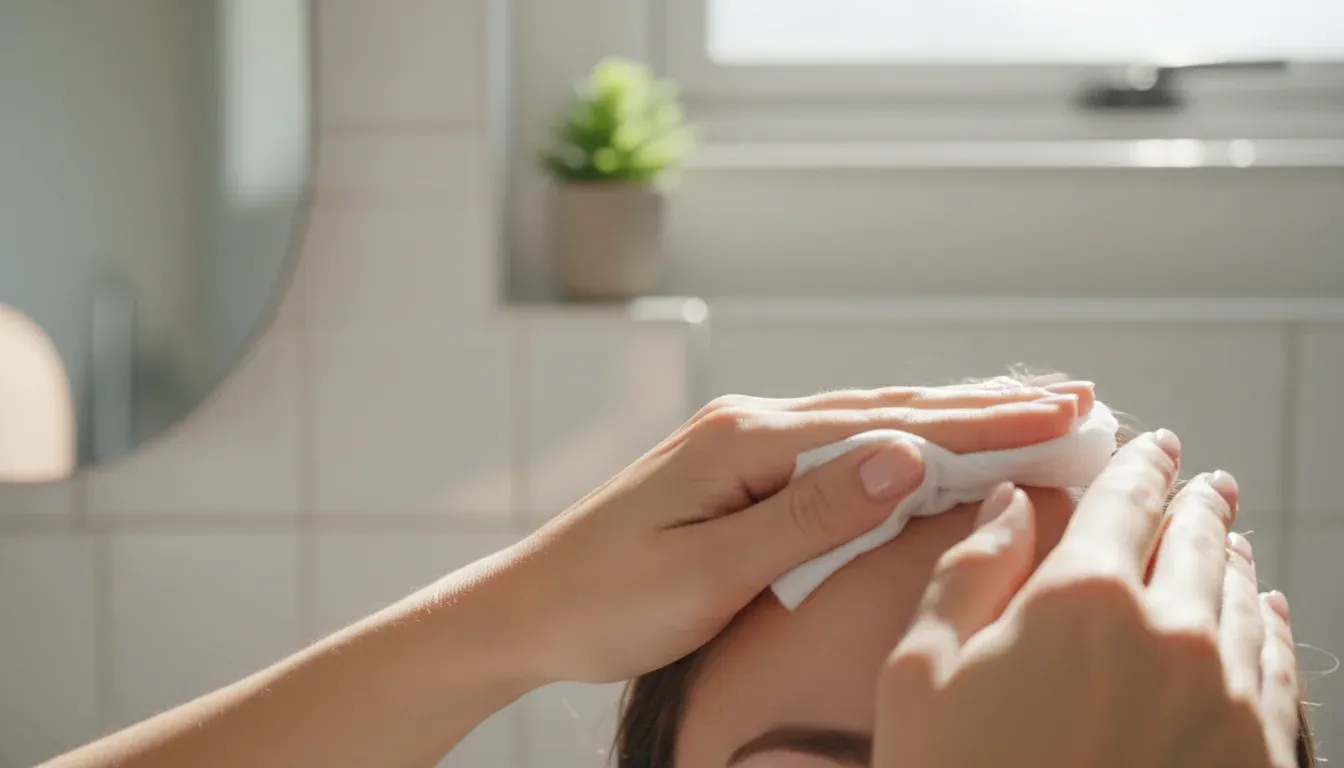
Wash your face with cold water once or twice daily. The cold temperature reduces how much your pores need to sweat to cool you down. Keep a cloth handy and wipe off sweat as it appears. Yeah, it’s obvious you’re sweating, but sitting there soaked is worse.
2. Facial Wipes

Look for wipes that contain aluminum chlorohydrate (the same ingredient in deodorant). Maxim Sensitive Wipes are made specifically for this. You can also use regular deodorant directly on your face, but check with a doctor first. Skin sensitivity varies, and what works on your armpits might irritate your face.
3. Botox
Botox blocks the nerve signals that tell your sweat glands to activate. It’s FDA-approved for severe underarm sweating and works the same way on facial sweat. Results last 4-6 months. This isn’t a cheap option, but it’s effective if nothing else is working. Talk to a dermatologist about whether you’re a candidate.
4. Nervousness and Stress Reduction
Stress and anxiety trigger sweat glands. If you notice your face sweating more during meetings, presentations, or social situations, that’s the connection. Therapy, breathing exercises, or beta-blockers (prescribed by a doctor) can help reduce the sweating that comes from nervousness.
5. Exercise Regularly
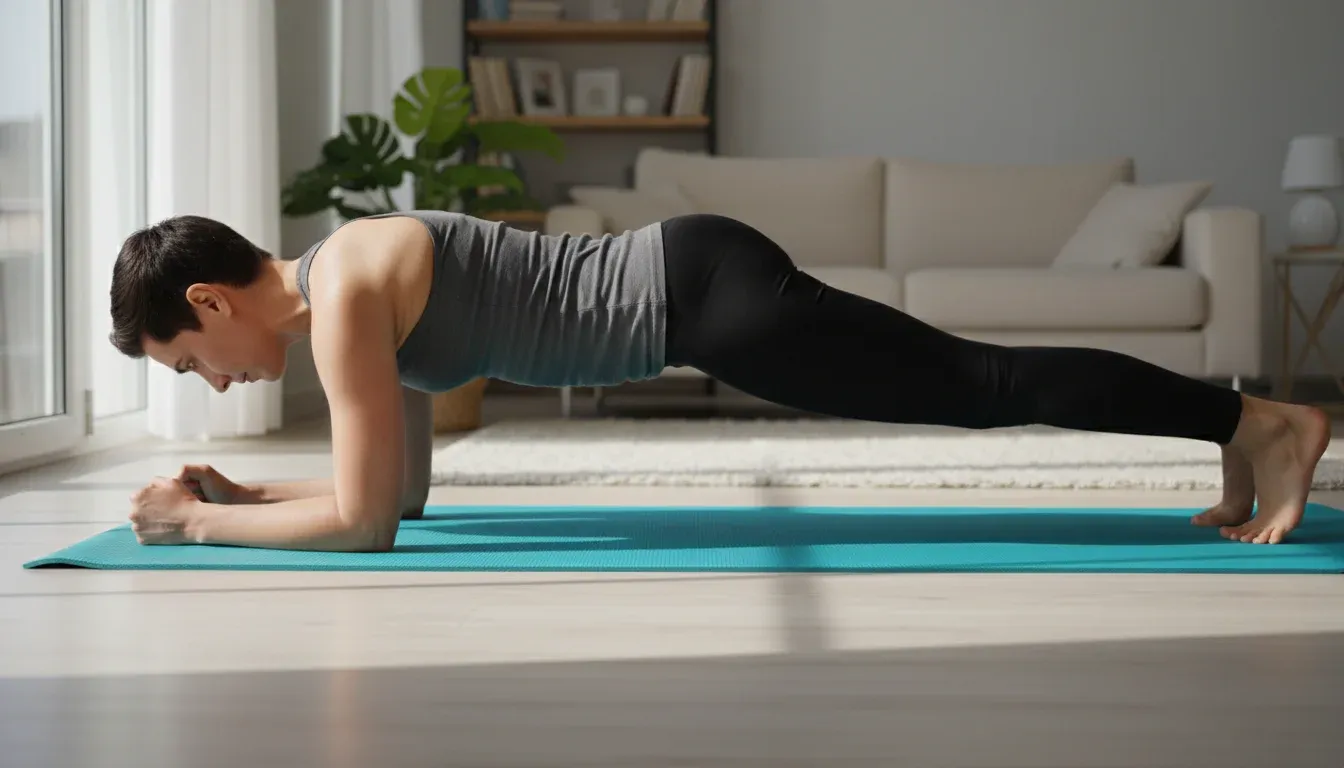
Counterintuitive, but regular exercise (3-5 times a week) actually regulates your sweat response over time. Your body gets better at cooling itself efficiently instead of panic-sweating at the slightest temperature change. Bonus: you’ll sweat less during normal activities if you’re already fit.
If none of this reduces your facial sweating, see a doctor. Excessive sweating can indicate thyroid issues, diabetes, or other conditions that need treatment beyond face wipes.