Table of Contents
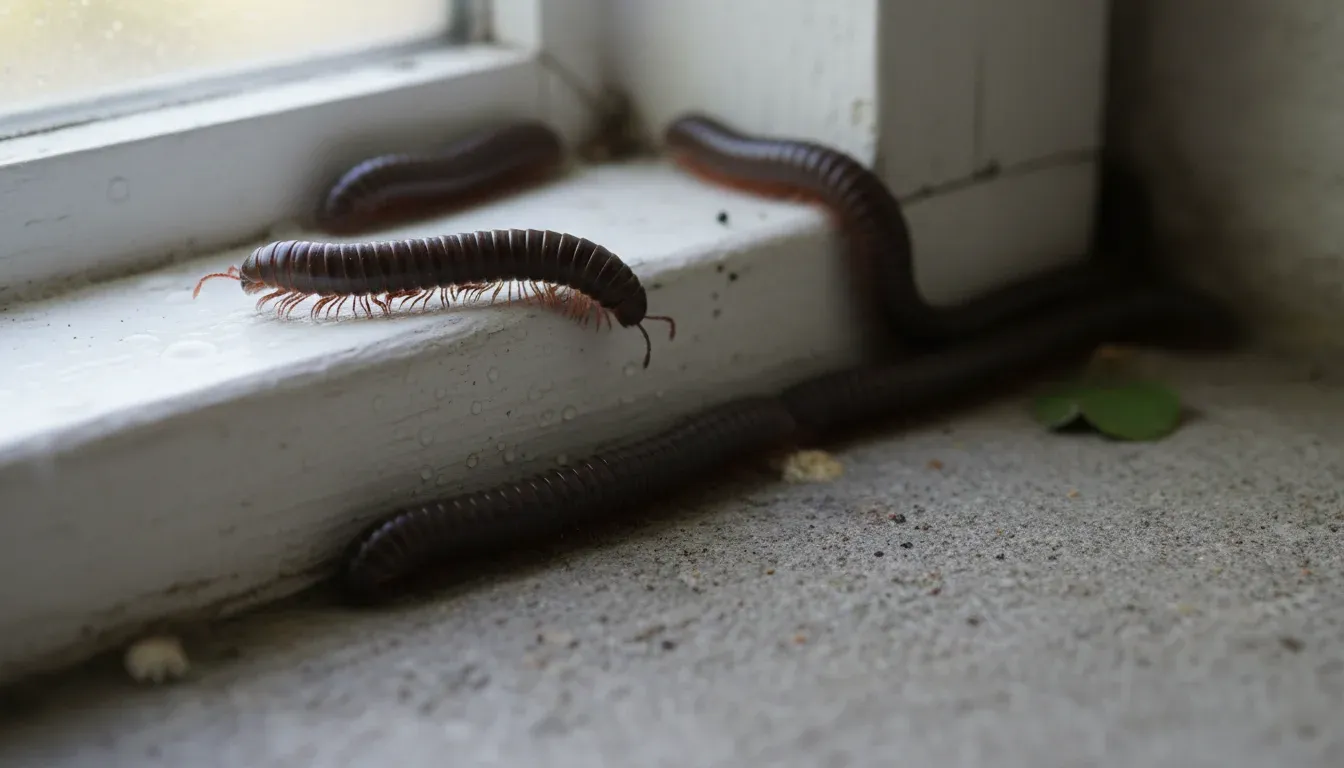
Millipedes aren’t dangerous – they don’t bite, they don’t spread disease, and they won’t eat your house. But finding them curled up in your bathroom at midnight is still deeply unwelcome. Here’s the thing: millipedes that make it inside will typically die within 2-4 weeks on their own, because your home is too dry for them. The problem isn’t the ones already inside. It’s the ones still coming. Fix the entry points and the outdoor habitat drawing them in, and the migration stops.
1. Vacuum with Shop Vac
The immediate fix. A shop vac’s suction pulls millipedes off baseboards, out of corners, and from floor cracks without crushing them (which triggers their defensive secretions – not harmful, just unpleasant). Run it along wall edges and anywhere you’re seeing activity.
Empty the canister outside right after. Millipedes survive the vacuum and will crawl back out if you leave them in there. Vacuum daily until you’ve had three consecutive days with no new ones.
Standard household vacuums work too, but their hoses are narrower and millipedes’ hard exoskeletons can clog them. If you have a shop vac, use it.
2. Seal Entry Points and Remove Outdoor Habitat
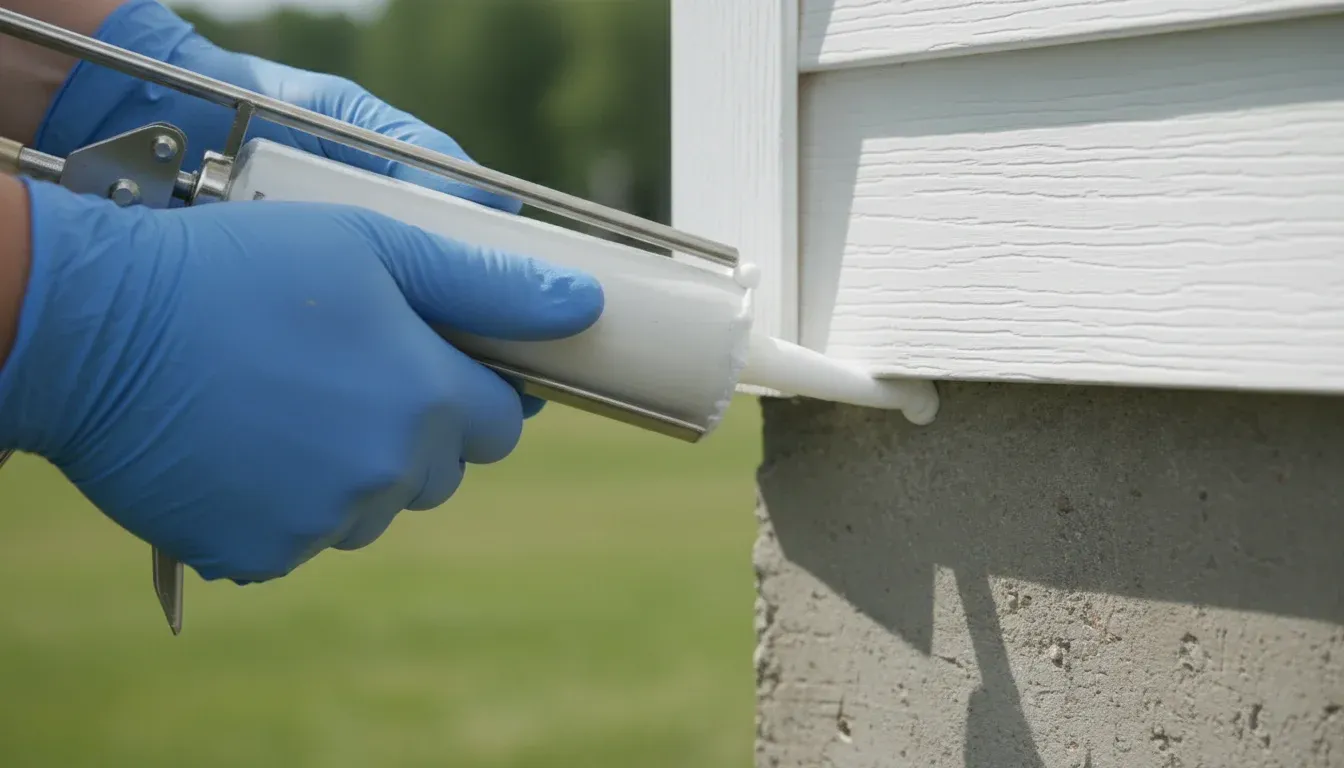
Millipedes get in through gaps around door frames, window wells, utility penetrations, and foundation cracks. Caulk the cracks, add weatherstripping to doors that have gaps at the bottom, and use expanding foam around pipes and cables where they enter the wall.
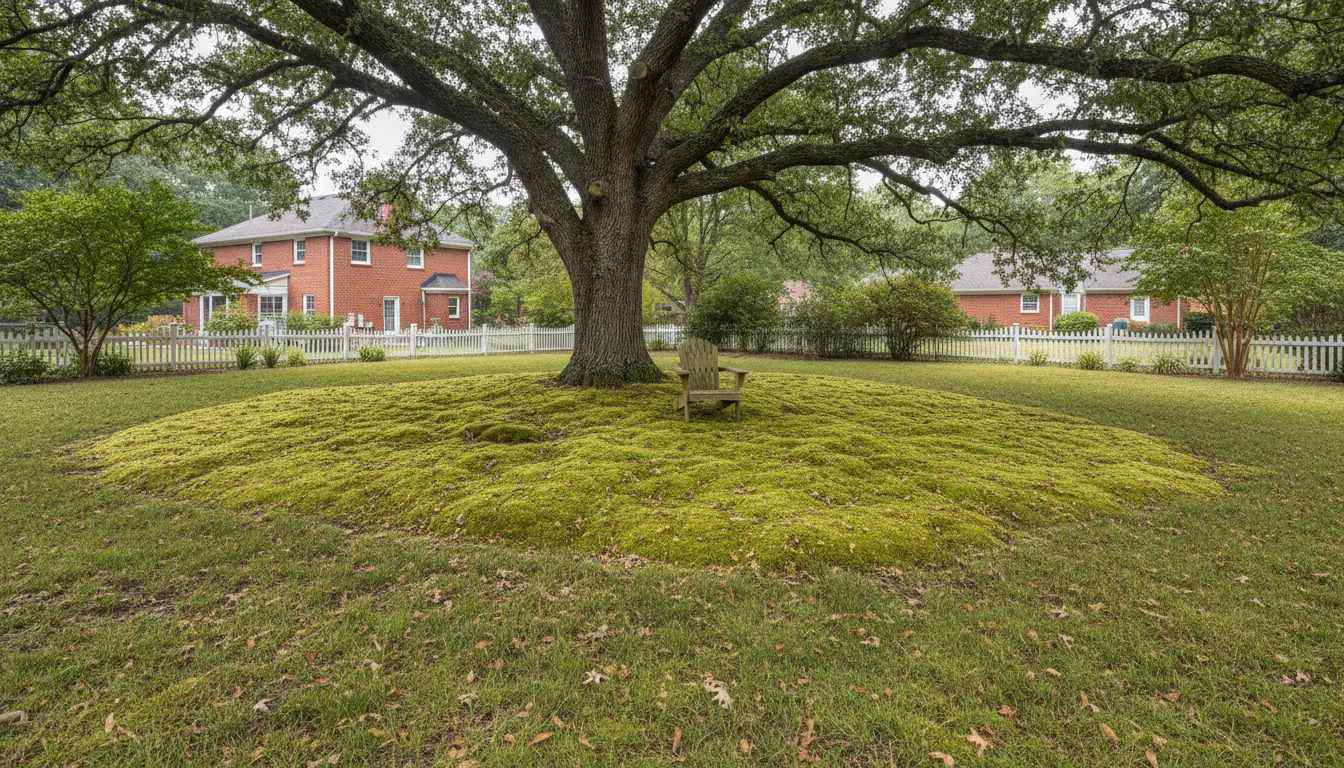
Outside: move firewood, leaf piles, and compost bins at least 2 ft (60 cm) from your foundation. Replace organic mulch right against the house with gravel – millipedes breed in decomposing organic material and the switch removes their staging ground. Trim vegetation so nothing’s touching the siding.
Gutters matter here too. Decomposing leaves sitting in clogged gutters are millipede habitat directly above your home’s entry points.
3. Moisture Control
This is why they’re there. Millipedes need high humidity to survive, and if your basement or crawlspace is damp, it’s actively pulling them toward your home. Run a dehumidifier in those areas and keep humidity below 50%.
Fix any leaking pipes. Check that gutters direct water at least 6 ft (1.8 m) away from the foundation – short downspout extensions are cheap and make a real difference. Fill basement window wells so they’re not pooling water after rain.
For crawlspaces with chronic moisture, a vapor barrier is the highest-impact single fix. It’s a bigger project, but it often solves persistent infestations where everything else has failed.
4. Diatomaceous Earth
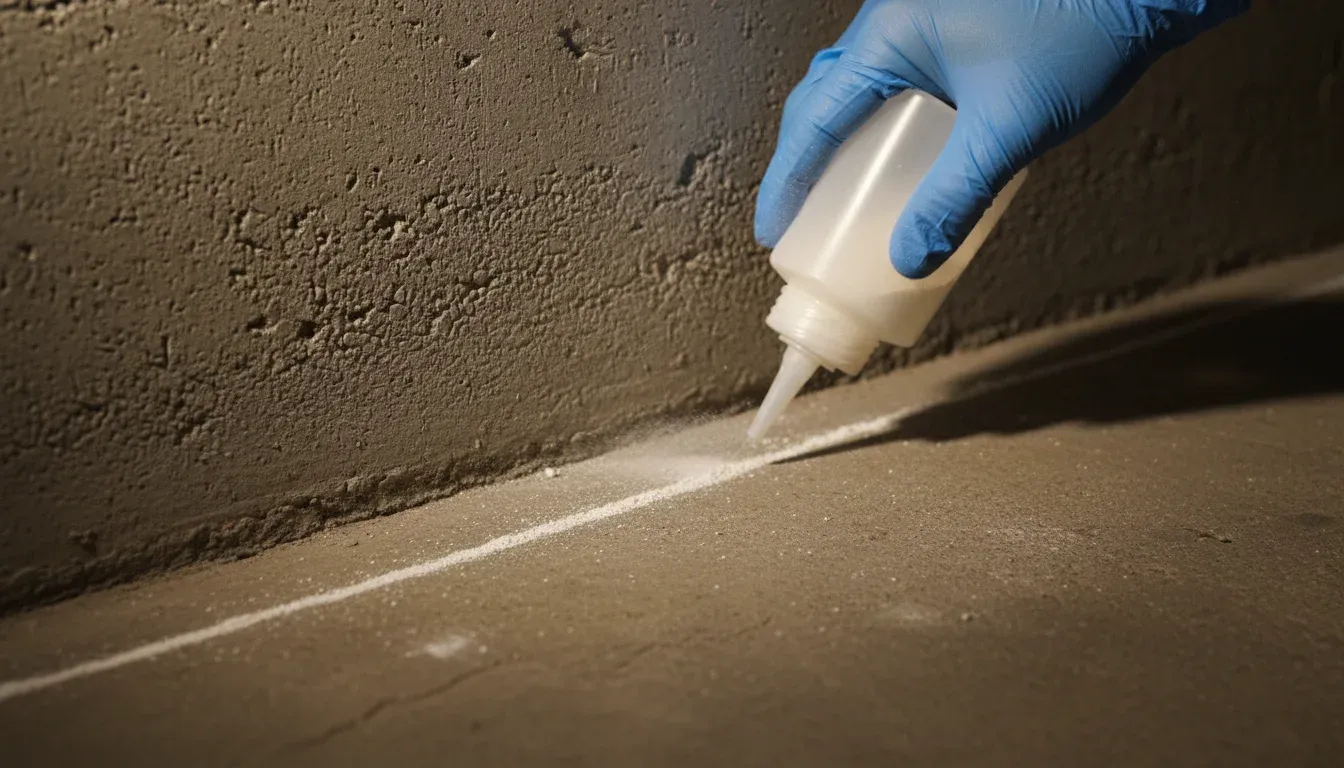
Food-grade DE is a fine powder that damages the waxy coating on millipede exoskeletons, causing them to dehydrate. Spread a thin line around baseboards, under appliances, and along the foundation inside and out.
It works slowly and only on pests that physically walk through it, so don’t expect overnight results. The upside: it’s non-toxic, cheap, and keeps working until it gets wet. Reapply after any moisture exposure – once it’s damp, it stops working.
Pair it with sealing and moisture control. On its own it’s a deterrent; as part of a layered approach, it fills the gaps the other methods miss.
5. Essential Oil Repellents
Peppermint is the go-to. Tea tree and eucalyptus also work. Mix 10-15 drops per 8 fl.oz (250 ml) of water with a small squirt of dish soap to help it emulsify, and spray around doorways, window frames, and any cracks where millipedes are getting in.
These won’t kill anything and won’t stop an active infestation on their own. They’re useful indoors where you don’t want to spray insecticide, and as a secondary barrier once you’ve handled the main entry points. Reapply every few days – the oils evaporate fast.
6. Deploy Cayenne Pepper Spray
Similar territory to essential oils but with more irritant punch. Mix 2 tablespoons of cayenne pepper powder with 1 qt (950 ml) of water and a few drops of dish soap. Let it steep for 24 hours, then strain it and transfer to a spray bottle.
Spray around entry points, along the foundation, and in any spots where you’ve seen activity. The capsaicin irritates their sensory organs and makes treated areas unappealing to cross. Keep pets and children away from treated areas until it dries – it’ll irritate eyes and skin.
7. Spray Liquid Insecticides on Foundation
For a serious infestation, or if the above steps aren’t pulling numbers down fast enough, a liquid residual insecticide on the exterior creates a kill zone that stops millipedes before they reach your walls. Products with bifenthrin, deltamethrin, or permethrin are all effective.
Spray a 3 ft (90 cm) band around the full foundation perimeter, plus around door frames and window wells. During peak millipede season (spring and fall), reapply every 4-6 weeks. Read the label for restrictions near water sources or porous surfaces.
Heaviest option. Works fast. Pair it with the habitat and moisture fixes or you’ll be reapplying forever.
8. Spread Insecticide Granules Around Exterior
If you want longer-lasting protection than liquid spray, granules are the answer. They release active ingredients slowly as they break down from moisture, so a single application lasts 2-3 months under normal conditions.
Spread a 5-10 ft (1.5-3 m) barrier around the home’s perimeter, paying attention to areas with heavy vegetation, mulch beds, and leaf litter where millipedes breed. Water them lightly after application to activate and set them. Reapply after heavy rain or when activity picks back up.
Granules and liquid spray can be used together – liquid for immediate knockdown, granules for ongoing residual protection.
Prevention
Keep organic debris away from the house year-round. That means regular gutter cleaning, keeping mulch beds thin and pulled back from the foundation, and moving anything that decomposes (wood, leaves, plant clippings) well clear of the structure.
Monitor basement humidity seasonally. If your crawlspace tends to get damp in spring and fall – peak migration times – start the dehumidifier early before millipedes have a reason to come looking.
Door sweeps on any exterior door with a gap at the bottom are worth fitting permanently. A millipede can squeeze through a gap you’d barely notice.
When to Call a Professional
Most millipede problems respond to the methods above without professional help. Call a pest control company if you’re seeing hundreds inside regularly, if the problem recurs every season despite sealing and moisture fixes, or if you can’t identify where they’re entering.
A pest control inspection can find moisture or structural issues you’ve missed, and professional perimeter treatments use higher-concentration products with longer residual times than consumer options. If you’re spending real time on this every week, the cost is probably worth it.