Table of Contents
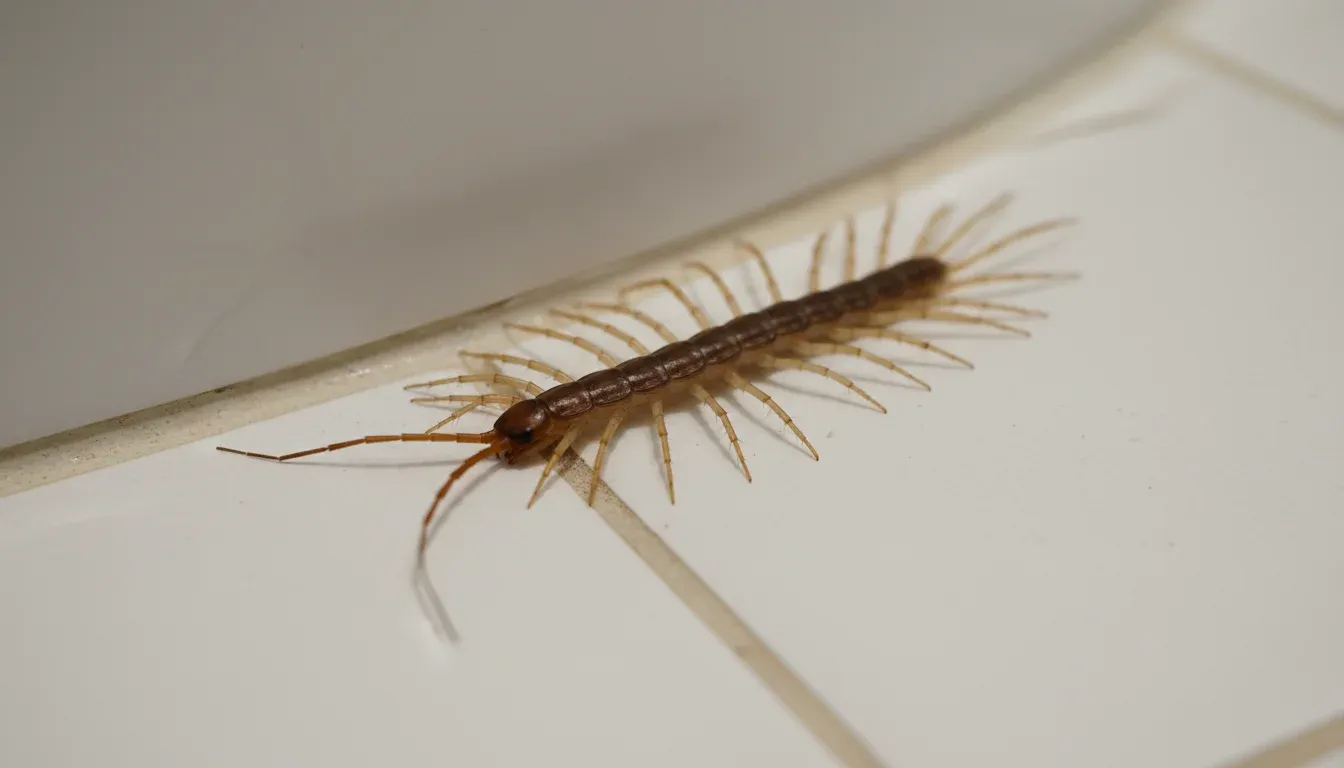
Centipedes slip through cracks you didn’t know existed and show up in places that make you jump – usually bathrooms and basements at night. They’re harmless (the house centipede actually eats other bugs), but that doesn’t make them welcome. Getting rid of them means making your home less hospitable and blocking their entry routes.
1. Fix Moisture Problems
Centipedes need humidity to survive. If you’ve got damp basements, leaky pipes under sinks, or water pooling anywhere, you’re running a centipede hotel. Fix plumbing leaks immediately. Run a dehumidifier in basements and crawl spaces to keep humidity below 50%. Check around water heaters, washing machines, and bathrooms for hidden moisture sources. Unclog gutters and downspouts so water doesn’t pool against your foundation.
2. Seal Entry Points
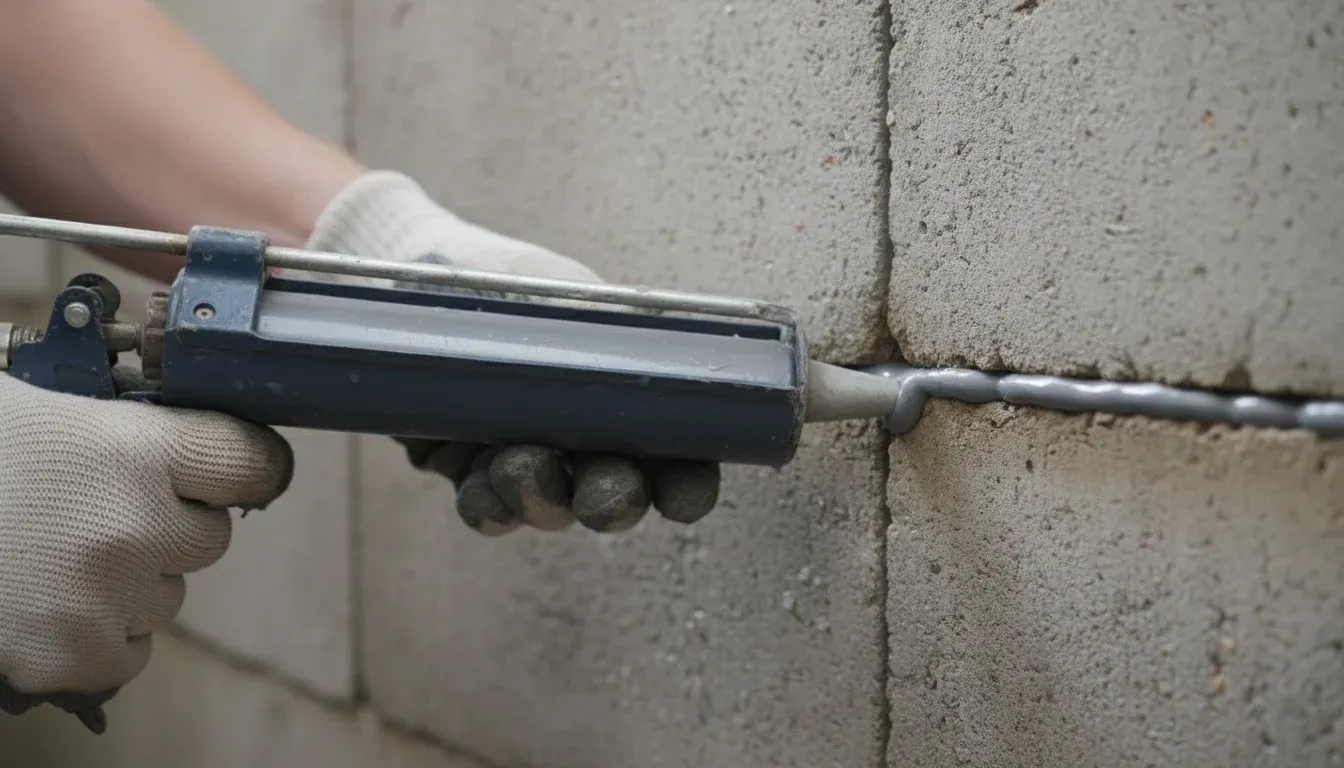
Centipedes can flatten their bodies to squeeze through gaps you wouldn’t expect. Walk your home’s perimeter and seal cracks in the foundation with caulk or foam. Check window frames and door sweeps – if light comes through, centipedes can get through. Pay attention to where utility lines enter the house (cable, gas, water) because those gaps are often overlooked. Weather stripping around doors should make solid contact with no daylight showing.
3. Apply Diatomaceous Earth
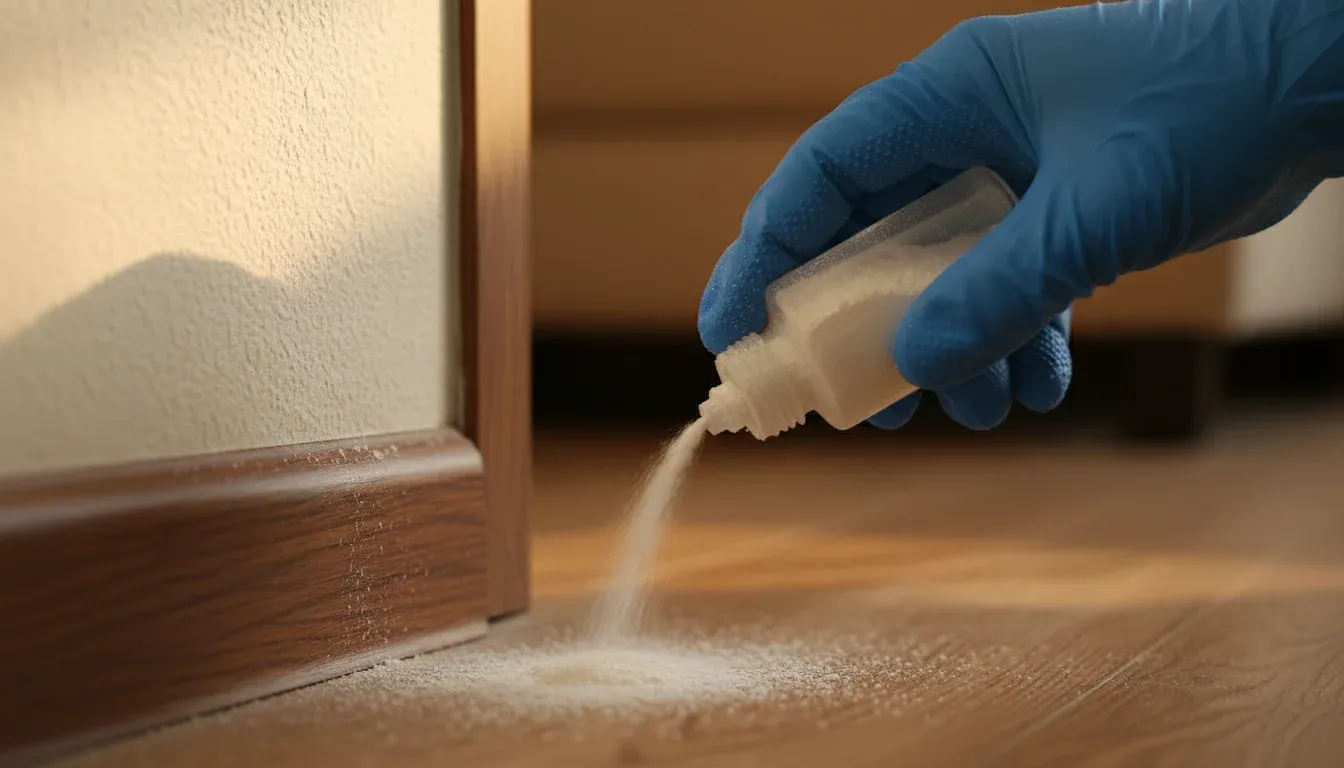
Food-grade diatomaceous earth shreds their exoskeleton on contact, causing them to dehydrate. Dust it along baseboards, in corners, around pipes under sinks, and anywhere you’ve seen centipedes. It looks like white powder and stays effective as long as it’s dry. Wear a mask when applying because the fine dust irritates lungs. Reapply after cleaning or if it gets wet.
4. Remove Their Food Source
Centipedes eat other bugs – spiders, silverfish, cockroaches, flies. If you’ve got centipedes, you’ve probably got other pests. Treat the underlying problem with targeted pest control. Once their food supply disappears, centipedes leave. This might mean dealing with a larger infestation issue you didn’t realize you had.
5. Create a Perimeter Barrier Outdoors
Keep mulch, leaf litter, and firewood at least 30 centimeters away from your foundation. Centipedes hide in organic debris during the day, then migrate indoors at night. Trim plants and bushes so they’re not touching your walls – that creates a bridge. Apply a granular insecticide around the foundation perimeter following label directions, focusing on areas near doors and windows.
6. Reduce Indoor Clutter
Centipedes hide in cardboard boxes, piles of laundry, stacks of newspapers, and anywhere dark and undisturbed. Clear out storage areas, especially in basements and garages. Store items in sealed plastic bins instead of cardboard. Vacuum regularly in corners and along baseboards where they hide during daylight. Less hiding spots means they’re more exposed to predators and desiccation.
7. Use Sticky Traps for Monitoring
Place sticky traps along baseboards, in corners, and near suspected entry points. They won’t solve an infestation but they’ll tell you where centipedes are entering and traveling. Check traps weekly. If one spot consistently catches them, that’s where you need to focus sealing efforts or treatment. Traps also catch other pests so you’ll see what’s feeding them.
8. Apply Natural Repellents
Mix equal parts white vinegar and water in a spray bottle with a few drops of dish soap. Spray along baseboards, around drains, and near entry points. Centipedes avoid the acidity. Reapply every few days. Cedar oil works too – mix 10 drops of cedar essential oil per cup of water and spray the same areas. Neither kills on contact but both deter entry.
Getting centipedes out requires cutting off what they need – moisture, food, and access. Focus on the moisture first because that’s usually the root problem. Seal entry points second. Everything else is backup. Most homes see results within a week once humidity drops and gaps are sealed.