Table of Contents
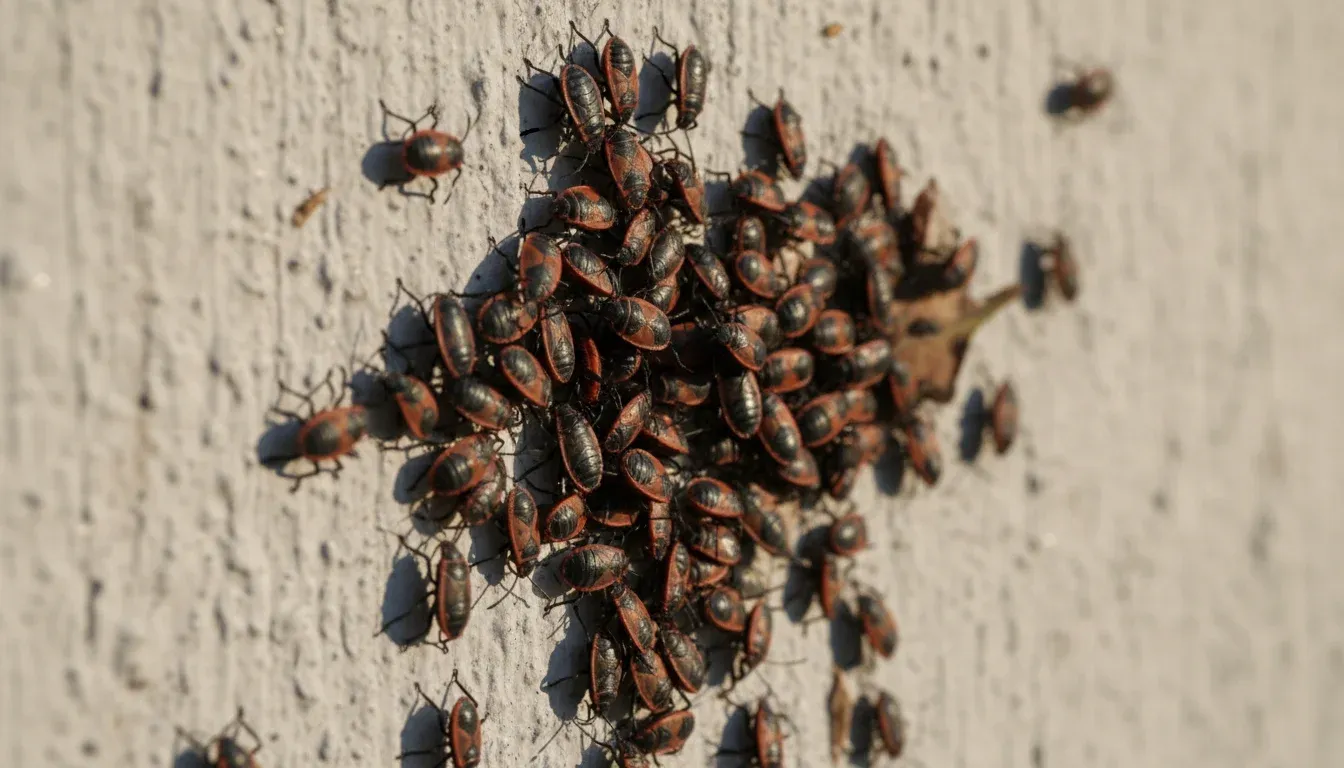
Boxelder bugs show up every fall – on your south-facing walls, around your windows, and eventually inside your house. They don’t bite or cause structural damage, but they stain when crushed, they smell, and there can be a lot of them.
One thing before you start: don’t squish them. Boxelder bugs release a foul odor and leave red-orange staining on walls and fabric. Spray them or vacuum them instead.
1. Dish Soap Spray
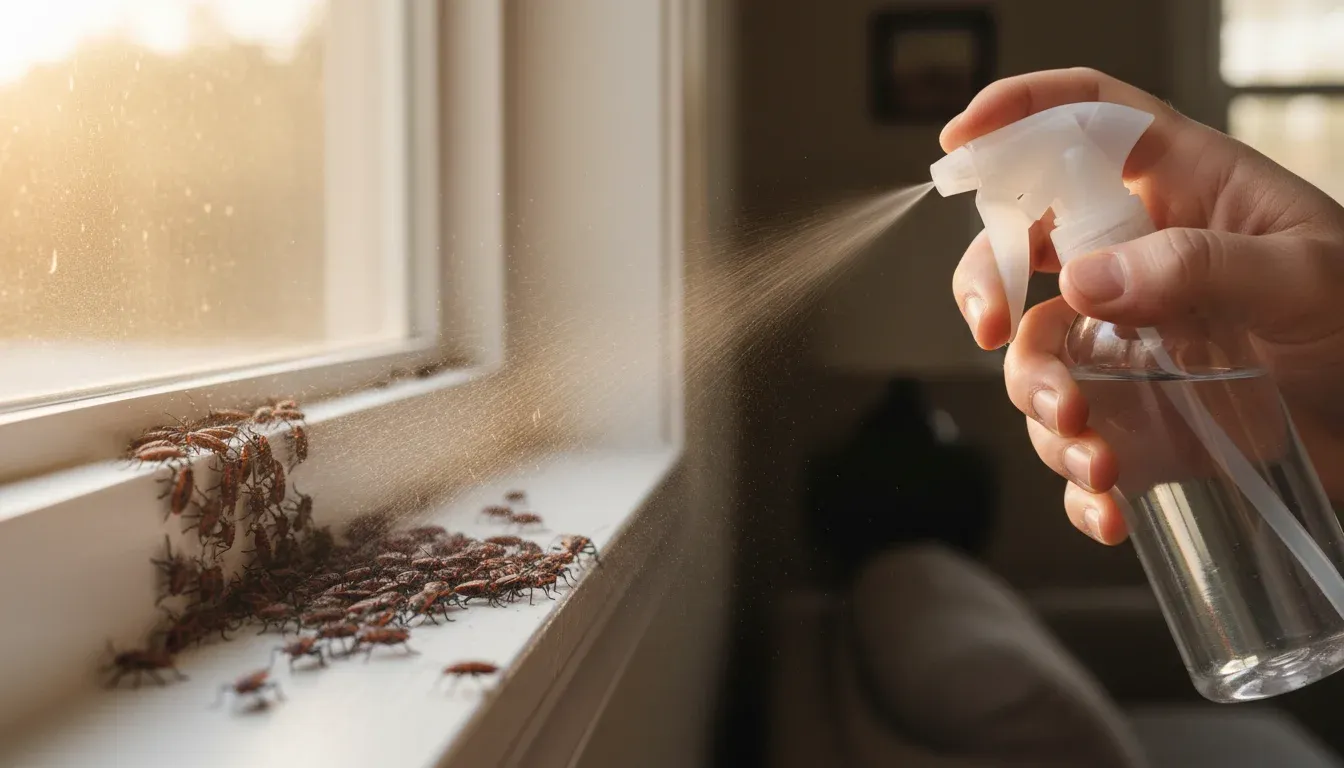
The fastest, cheapest fix you can make right now. Mix 1 tablespoon of dish soap per 17 fl.oz (500 ml) spray bottle of water. Spray directly on the bugs and they die within minutes – the soap coats their breathing pores.
Keep a bottle by the door during fall. Use regular dish soap, not the "gentle formula" kind – you want something that cuts through their waxy exoskeleton.
2. Vacuum Them Up
For clusters on walls or window frames, a vacuum handles them faster than spraying one by one. Use the hose attachment, work across the cluster, done.
Empty it immediately. Seal the contents in a bag and put it in an outdoor bin. No chemicals, handles dozens at once.
3. Rubbing Alcohol Spray
Equal parts 70% isopropyl alcohol and water. Kills on contact, faster than soap, and evaporates without residue – which makes it the better choice for indoor surfaces where you don’t want moisture. Test on a small patch before spraying near painted walls or wood finishes since alcohol can damage some coatings.
70% is the right concentration. Higher isn’t better here.
4. Diatomaceous Earth
Food-grade DE is a powder that shreds the waxy coating on exoskeletons, causing dehydration. Spread a thin line around entry points, along the foundation, and in spots where they congregate. Reapply after rain.
This isn’t a fast knockdown treatment – it’s a passive barrier. Wear a dust mask when applying. Pairs well with sealing work.
5. Neem Oil
If bugs are feeding on a boxelder or maple tree in your yard, treating the tree cuts the population before they mass on your house. Mix 1-2 tablespoons of neem oil per 1 gallon (3.8 L) of water with a few drops of dish soap as an emulsifier. Spray all plant surfaces, especially leaf undersides.
Apply in the early morning or evening – hot sun causes oil to burn leaves. Reapply every 7-10 days. Neem disrupts feeding and prevents larvae from developing properly, so it targets multiple life stages.
6. Perimeter Insecticide Treatment
For heavy infestations, apply a residual insecticide around your foundation – all sides, with extra attention to warm sun-exposed walls. Treat door thresholds, window frames, weep holes, and utility penetrations. Products with bifenthrin or permethrin work well.
Timing matters: treat in late summer or early fall, before they start moving indoors. The barrier needs to be active when pressure is highest. Treating in November after they’re already inside does much less.
7. Seal Entry Points
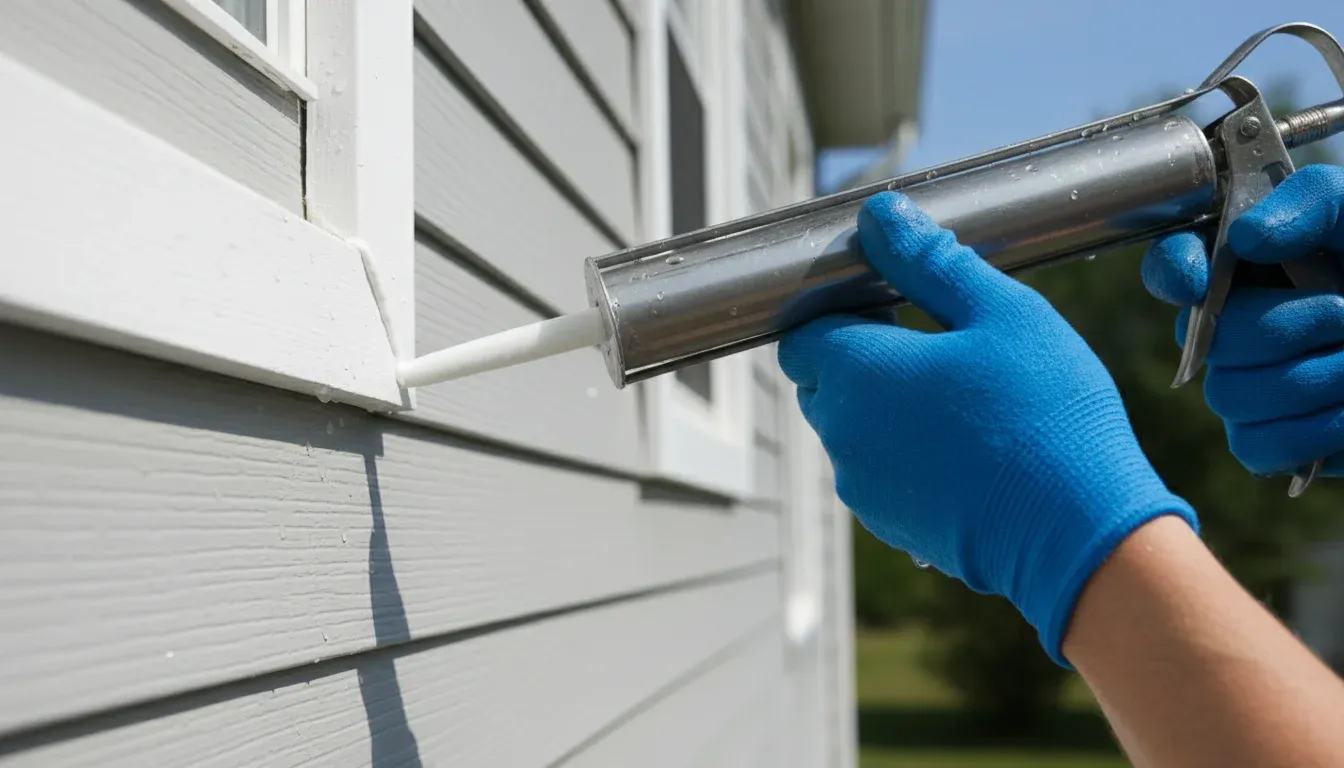
Inspect the exterior for gaps around utility lines, window and door frames, vents, soffits, and foundation cracks. Pack steel wool into gaps first, then seal with caulk or expandable foam. Bugs can squeeze through gaps you’d miss with a cursory look – be systematic.
Done properly, this is permanent. It also helps with every other pest that treats your house as a winter option.
8. Clear Yard Debris
Wood piles, leaf piles, and overgrown shrubs right against the house give boxelder bugs a staging area. They shelter there and wait for a door to open.
Move firewood at least 20 ft (6 m) from the house. Rake leaves. Trim bushes back from the exterior walls. Less harborage directly adjacent to entry points means fewer bugs making the trip inside.
9. Remove Host Trees
Boxelder bugs feed on boxelder, maple, and ash trees – specifically female boxelder trees that produce seed pods. Male boxelder trees don’t produce seeds and attract far fewer bugs.
If you have a seed-bearing female boxelder close to the house, removing it solves the root problem. If that’s not happening, at minimum keep fallen seeds and leaf litter cleaned up.
10. Essential Oil Repellents
Peppermint is the broad-spectrum option. Eucalyptus and tea tree work for general deterrence. These aren’t knockdown treatments – they’re supplementary deterrents, best used around entry points and indoors.
Mix 10-15 drops of essential oil per 8.5 fl.oz (250 ml) of water with a small squirt of dish soap to help it mix. Apply around doorways, window frames, and gaps where they enter. Reapply every few days since the oils evaporate.
11. Sticky Traps
Place flat sticky traps along baseboards, window frames, and in corners near where they enter. Boxelder bugs are crawlers at the wall-entry stage, so placement along their travel paths does the work without needing attractants.
These won’t clear an infestation on their own. But they’re useful both as population reduction and as a monitoring tool – what you catch shows you where activity is concentrated.
12. Light-Colored Exterior Paint
Boxelder bugs are drawn to dark, warm surfaces. Lighter exterior colors absorb less heat and attract fewer bugs. This doesn’t fix an active infestation, but if you’re repainting, white or light gray siding stays cooler than dark brown or charcoal. The effect is real but modest – pair it with other prevention methods, don’t rely on it alone.
Prevention
Boxelder bugs go dormant when temperatures drop – hiding inside walls and crawlspaces – and re-emerge in early spring. They don’t die over winter. That means the same house gets hit year after year.
The combination that prevents the next wave: seal entry points in late summer before they start moving, apply perimeter insecticide at the same time, and reduce harborage around the house. If you have a female boxelder tree, that’s the single highest-impact change. Remove it and the population pressure drops dramatically.
Spring note: boxelder bugs that overwintered in your walls will try to get back outside when temperatures rise. Don’t seal them in during spring repairs. Let them exit, then seal behind them.