Table of Contents
Brown recluse spiders have a reputation that exceeds their actual threat level, but that doesn’t mean you want them setting up residence in your home. They’re venomous, they can cause serious skin damage if they bite, and they prefer the same quiet, undisturbed spaces where you store your stuff. Learning to identify them and keeping them out requires a specific approach.
The first thing to know: most spiders people think are brown recluses aren’t. True brown recluses have a distinct violin-shaped marking on their back and six eyes arranged in three pairs. Their legs span about the size of a quarter to a half-dollar. If your spider has eight eyes, stripes, spines, or is hairy, it’s something else entirely.
Here’s how to get rid of brown recluse spiders and keep them from coming back.
1. Learn to Identify Them Correctly
Before you panic, make sure you’re actually dealing with brown recluses. They range from light tan to dark brown, sometimes appearing reddish or chocolate colored. The key identifier is the dark violin-shaped mark on the cephalothorax (the body section behind the head). Their six eyes are arranged in a semicircle of three pairs – unlike most spiders that have eight eyes.
If you’re unsure, catch the spider in a clear container and compare it to verified photos from university extension services. Many harmless spiders get misidentified as brown recluses, leading to unnecessary anxiety and treatment. Proper identification matters because control methods differ for different species.
2. Declutter Storage Areas
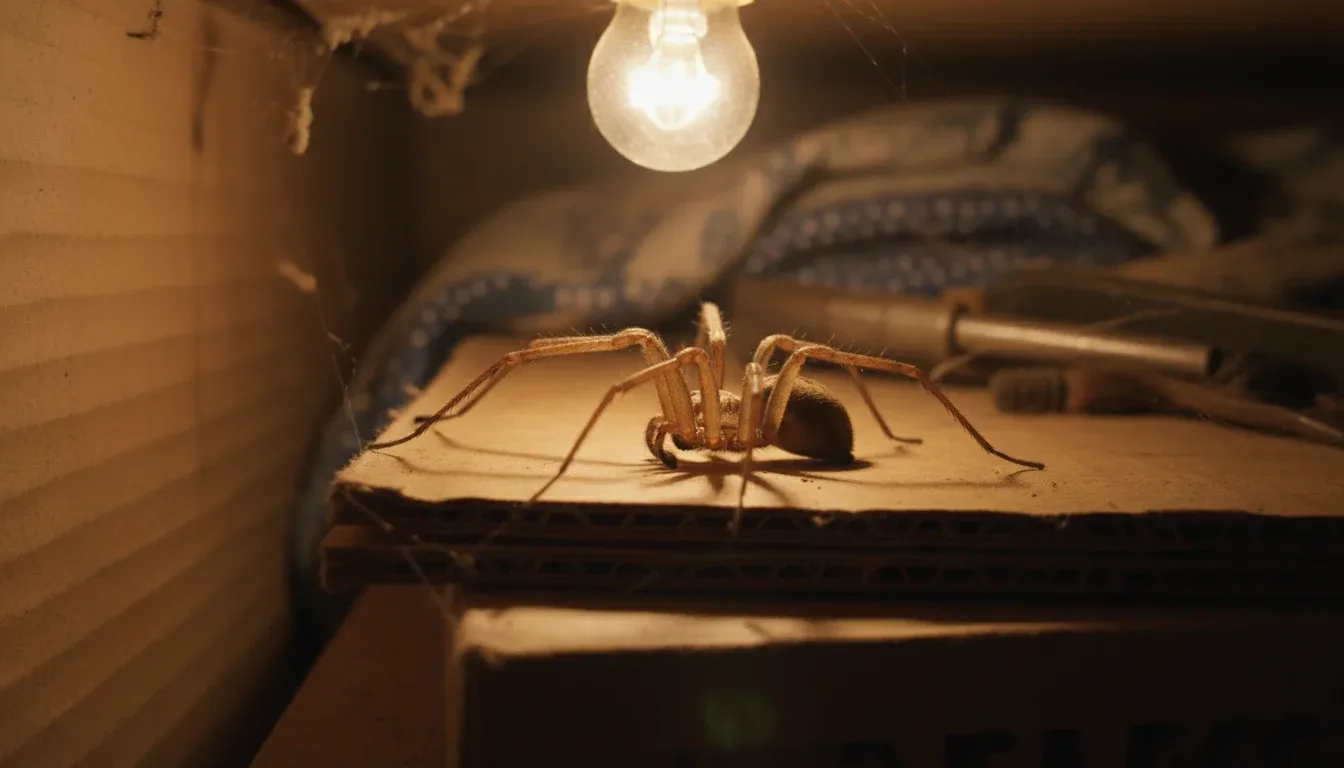
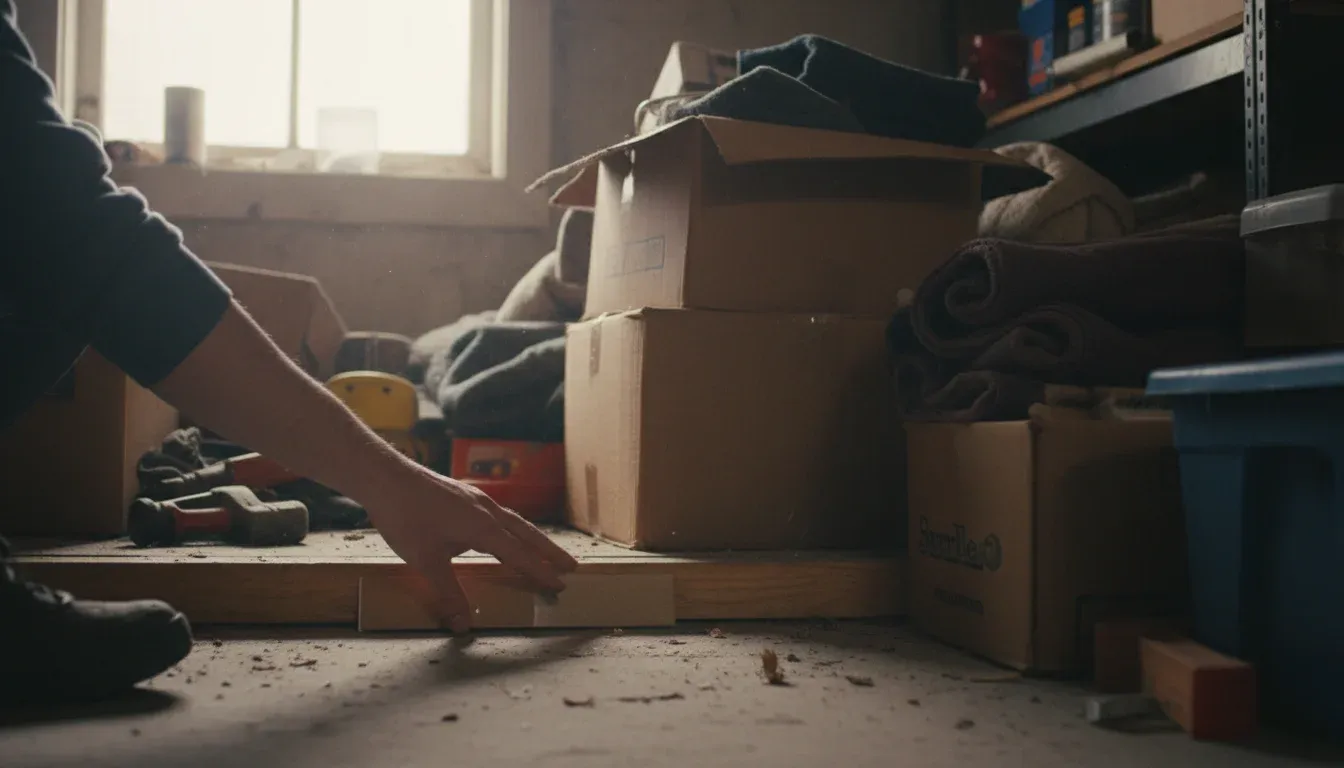
Brown recluses love cardboard boxes, piled clothing, stored papers, and any quiet spot that doesn’t get disturbed often. They’ll live happily in the same box for months without moving if food is available. This makes decluttering your most effective long-term strategy.
Go through closets, attics, basements, and garages systematically. Replace cardboard boxes with sealed plastic storage bins. Shake out stored clothing before wearing it. Don’t leave shoes, gloves, or clothing on the floor where spiders can crawl inside. The less clutter, the fewer hiding spots.
3. Vacuum Spiders and Webs
Regular vacuuming removes spiders, egg sacs, and the insect prey that attracts them. Use the crevice attachment along baseboards, in corners, behind furniture, and in other undisturbed areas where recluses hunt.
Immediately remove and dispose of the vacuum bag or empty the canister into a sealed plastic bag outdoors. Don’t leave captured spiders in the vacuum where they can crawl back out or lay eggs. For heavy infestations, consider dedicating a cheap handheld vacuum specifically for spider removal.
4. Use Sticky Traps Liberally
Place sticky traps or glue boards along walls, under furniture, behind appliances, in closets, crawl spaces, garages, and attics. Brown recluses travel along edges rather than crossing open floors, so trap placement matters.
Check traps weekly to monitor activity levels. Heavy catches in specific areas indicate where to focus your sealing and treatment efforts. Traps won’t eliminate an infestation alone but they’re excellent for tracking population changes and identifying problem zones.
5. Seal Cracks and Entry Points
Brown recluses enter through gaps around windows, doors, pipes, utility lines, and foundation cracks. They can squeeze through surprisingly small openings. Caulk gaps around window frames, door frames, and anywhere utilities enter the house.
Pay special attention to areas where different building materials meet – where siding meets foundation, where pipes penetrate walls, around outdoor faucets. These transition zones often have gaps that spiders exploit. A thorough sealing job prevents new spiders from replacing the ones you’ve removed.
6. Remove Outdoor Harborages
Move firewood, lumber, and building materials away from the house foundation. Stack them at least 20 feet away and elevate them off the ground. Remove loose boards, old furniture, and debris piles where spiders establish outdoor populations.
Brown recluses often live outdoors near foundations, then move inside when conditions change or when young spiders disperse. Eliminating outdoor harborages reduces the population pressure on your home’s exterior.
7. Relocate and Elevate Firewood
Firewood stacks are brown recluse magnets. The stacked wood creates perfect hiding spots, and the woodpile often sits right against the house for convenience. Move firewood to a detached shed or at least 20 feet from the house.
Elevate firewood on racks or pallets so it’s not sitting directly on the ground. This reduces moisture, discourages ground-dwelling spiders, and makes the wood less attractive as habitat. Only bring in what you’ll burn immediately – don’t store firewood indoors long-term.
8. Clear Vegetation from Foundation
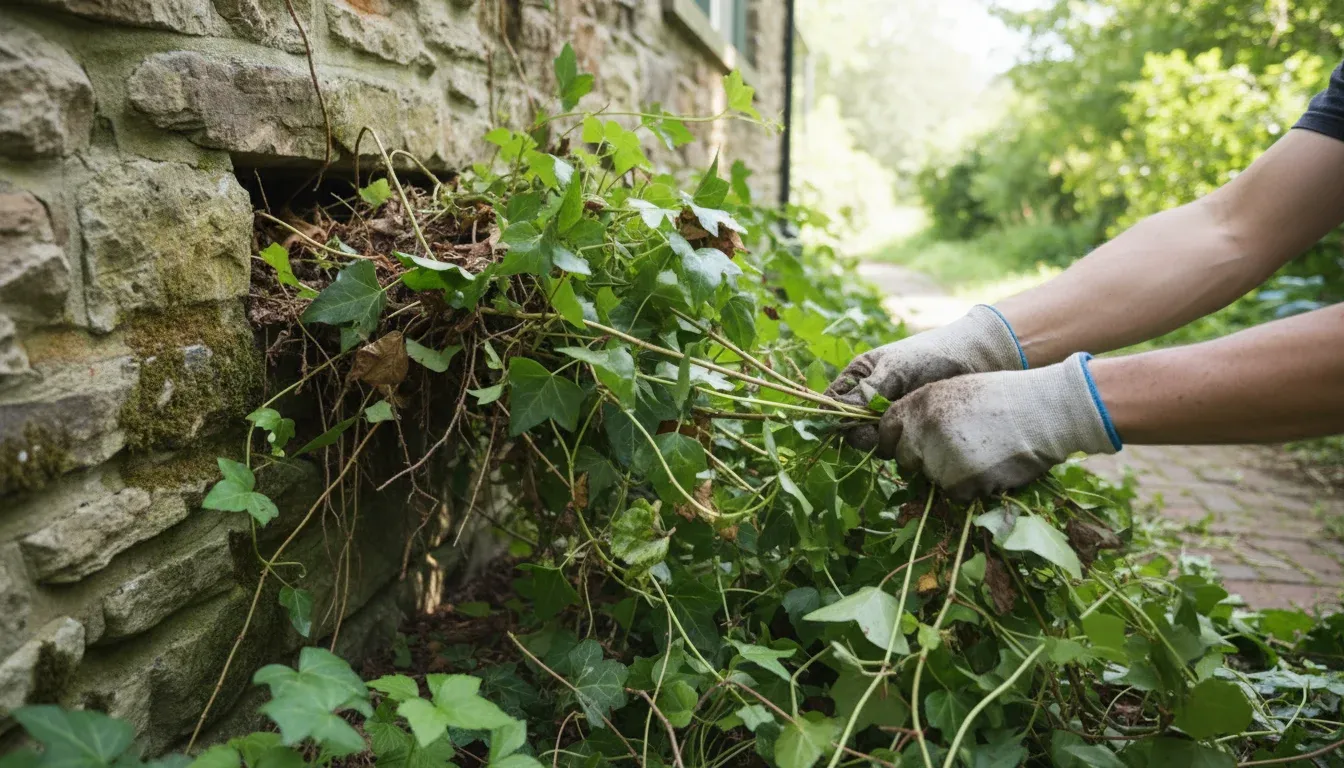
Remove ivy, ground cover, and heavy vegetation growing against the house foundation. These create moisture and hiding spots that support spider populations. Maintain an 18-inch clear zone around the entire perimeter.
Trim bushes and shrubs so they don’t touch the house. Overgrown vegetation creates bridges that spiders use to access higher entry points. It also traps moisture against the foundation, creating the humid conditions brown recluses prefer.
9. Trim Tree Branches Away from House
Overhanging tree branches give spiders direct access to roofs, soffits, and upper story windows. Trim branches back so nothing touches the house. This also reduces leaf litter on the roof and in gutters.
Focus on branches that overhang or touch the roof, eaves, or upper windows. These are common entry routes for spiders seeking attic spaces. Keeping the roof perimeter clear makes it harder for spiders to find their way inside.
10. Ventilate Attics and Crawl Spaces
Brown recluses prefer dry environments but they also need shelter. Proper ventilation reduces humidity that attracts their insect prey while maintaining the dry conditions spiders tolerate. Install vents in crawl spaces and ensure attic ventilation is adequate.
Check that vents aren’t blocked by insulation or debris. Screen vents to keep spiders out while allowing air circulation. Good airflow discourages the moisture-loving insects that spiders feed on, indirectly reducing spider food sources.
11. Apply Residual Insecticides
For active infestations, apply residual insecticides labeled for spider control to entry points, baseboards, and areas where spiders travel. Products containing pyrethroids work well. Treat before sealing cracks so the insecticide contacts spiders inside wall voids.
Focus on the perimeter – foundation, door frames, window frames, garage door openings, and utility penetrations. Reapply according to label directions, typically every few weeks during peak season. Insecticides alone won’t solve a clutter problem but they help control populations while you implement other measures.
12. Install Door Sweeps and Weatherstripping
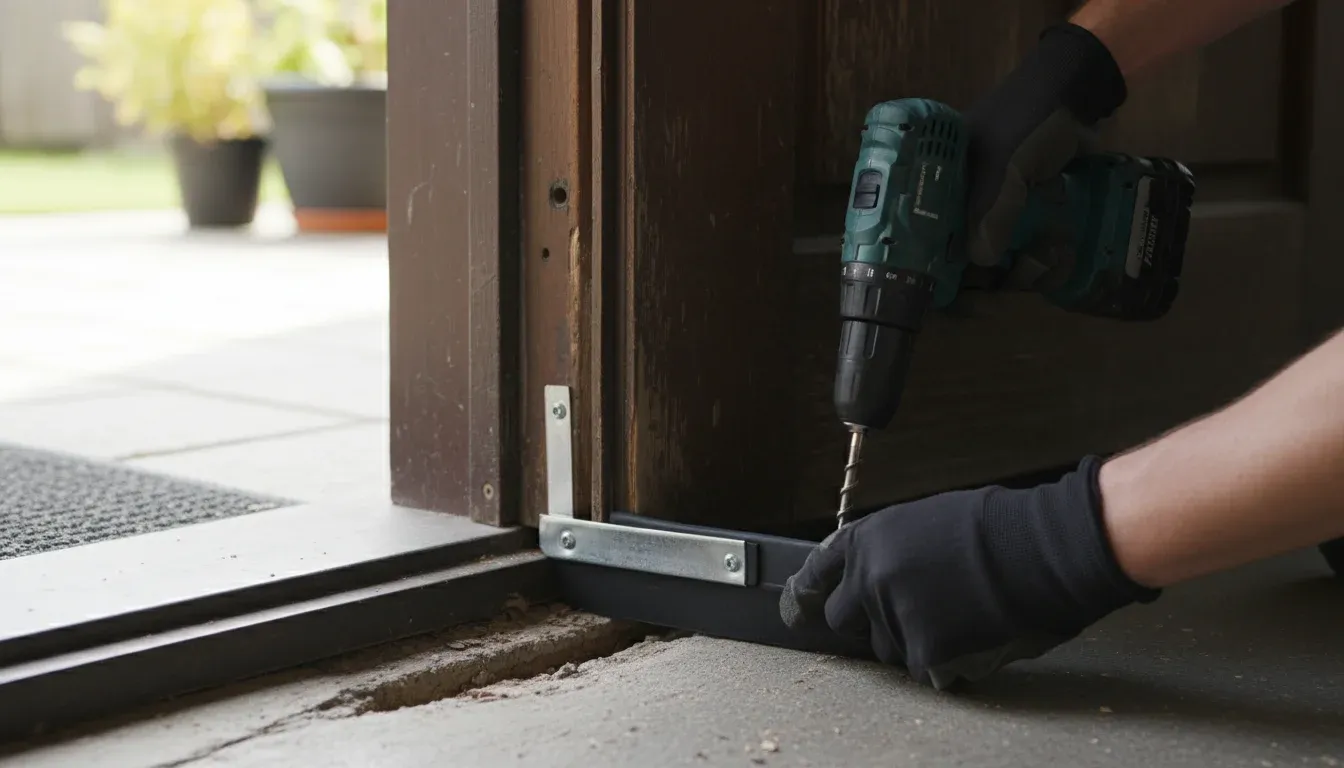
Add door sweeps to exterior doors to close the gap at the bottom. Replace worn weatherstripping around doors and windows. Check that screens fit tightly in their frames and patch any holes.
These physical barriers block one of the main entry routes spiders use. They’re inexpensive, permanent solutions that also improve energy efficiency. Install them in late summer before fall when spiders start seeking winter shelter.
13. Wear Protective Clothing During Cleanup
When cleaning storage areas, attics, or garages where brown recluses may live, wear long sleeves, long pants, gloves, and closed shoes. Shake out clothing and shoes before putting them on, especially if they’ve been stored or left on the floor.
Most bites occur when spiders are trapped against skin – when someone puts on clothing a spider has crawled into, or when reaching into dark spaces. Simple protective measures during cleanup significantly reduce bite risk.
Geographic Range
Brown recluses aren’t found everywhere. In the United States, they’re primarily a Midwest and Southern species. If you live outside their range, you’re probably dealing with a different spider species. Check with your local extension service to confirm whether brown recluses actually occur in your area before panicking.
When to Call a Professional
If you’ve confirmed brown recluses and have a heavy infestation, consider hiring a pest control professional. They have access to stronger treatments and can identify hidden harborages you might miss. This is especially important if you have vulnerable individuals in the home – children, elderly, or people with compromised immune systems who might have stronger reactions to bites.