Table of Contents
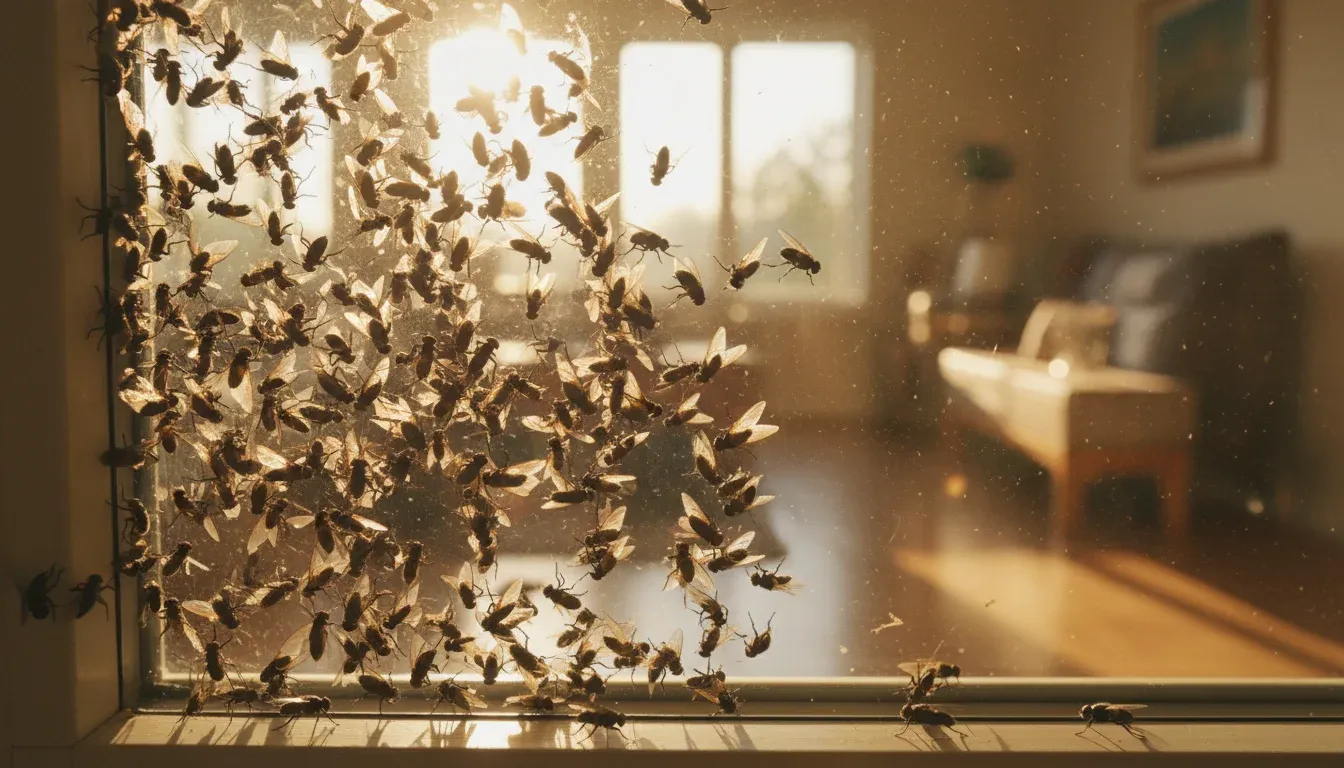
Cluster flies look like oversized houseflies, but the similarities stop there. They’re slow, fuzzy, and spend their winters hiding in your walls and attic. They don’t breed indoors, don’t spread disease, and couldn’t care less about your food. They just want somewhere warm to wait out the cold. In summer they live outdoors, parasitizing earthworms. In fall they migrate to the nearest large warm structure, which is often your house.
On mild winter days they emerge from wall voids and attic spaces, congregate on sunny windows and south-facing walls, and create those baffling clusters that seem to appear from nowhere. The real trap? Swatting them makes everything worse. Crushed cluster flies release a sweet, sickly chemical signal that tells other cluster flies your home is a worthwhile hideout. More arrive. The cycle continues. Five methods to break it properly.
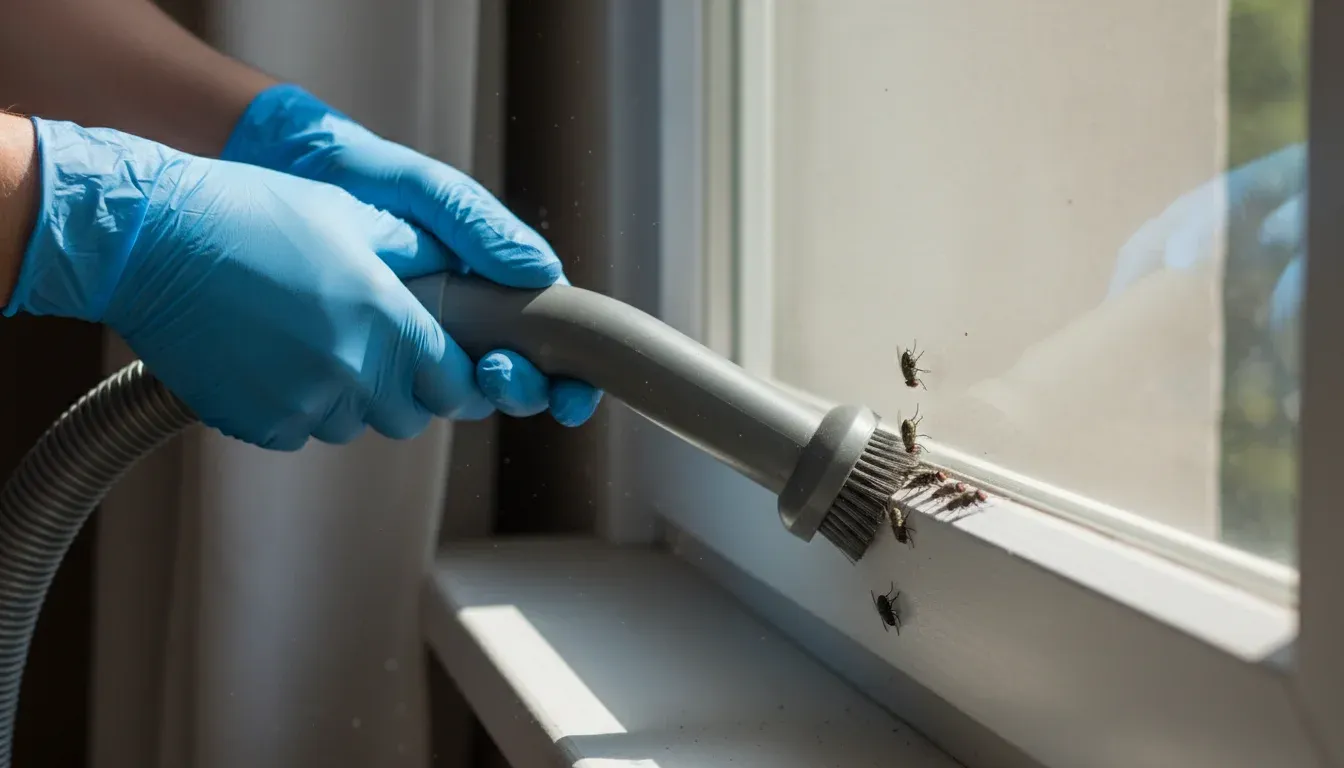
1. Vacuum Them Up—Never Swat
This is the right call for any active infestation. Cluster flies are slow and predictable, so a standard vacuum with a hose attachment captures them cleanly from windowsills, wall corners, and attic access points without you having to get close or touch anything.
Move the hose slowly. Unlike houseflies, cluster flies don’t bolt when you approach. Work through upper floors first, then south-facing windows (their preferred gathering spots), then any attic spaces where they tend to mass in larger numbers.
Empty the canister or swap the bag outside immediately after. Dead flies left in a warm indoor vacuum still release that attractant odor, and you’ll just be inviting replacements.
And that smell? Swatting releases it, crushing releases it, leaving dead flies in a sealed bag inside releases it. A 30-second trip to the outdoor bin removes the problem entirely. Vacuum them up, get the bag out of your house.
2. Use Light to Lure Them Out
Cluster flies move toward light and warmth. You can use that against them.
Darken the room completely. Close every blind and curtain so the space is as dim as possible. Then open one window and put a bright lamp right next to it. The lamp becomes the only light source worth following, and the open window is the exit.
Leave it for at least an hour. Most flies will navigate toward the light and drift out. On sunny afternoons this works best, because the outdoor warmth reinforces the attraction and cluster flies are at their most active. Morning works, but afternoon is the stronger pull.
3. Seal Entry Points in Fall
The only permanent fix. Cluster flies enter in late summer and early fall through tiny gaps, cracks around window frames, soffit gaps, and anywhere two building materials meet. Seal those gaps and next winter’s infestation doesn’t happen.
Focus the inspection on upper floors and south-facing walls, which get the most sun and warmth. Caulk around window frames and door trim. Weatherstripping on doors and operable windows. Hardware cloth or foam sealant on attic vents and soffit openings. Pay extra attention to transition zones where different materials meet, like siding butting up against window trim, or brick meeting wood fascia. Those joints open up over time and cluster flies find them reliably.
Timing is everything here. Do this before temperatures drop. Once cold weather arrives, the flies are already inside, and sealing just traps them in rather than keeping them out. A weekend of exterior work in August or September saves months of vacuuming. If you miss it one year, put it in the calendar for the following summer.
4. Manage Exterior Lighting
Cluster flies are drawn to light when they’re looking for shelter in fall. Your exterior lights are effectively a landing beacon.
Put unnecessary exterior lights on timers or motion sensors so they’re off when not needed. If you replace bulbs anyway, go with warm-colored LEDs (yellow or amber spectrum) rather than cool white or blue-tinted options. The warm spectrum attracts significantly fewer insects.
Interior light matters too. Closing blinds after dark stops indoor light from bleeding through windows and signaling to flies outside. Not glamorous advice, but it cuts down how many flies investigate your walls in the first place.
5. Apply Residual Insecticide to Entry Points
For bad infestations, or when sealing alone hasn’t fully worked, targeted insecticide adds a second line of defense. Apply it at entry points, not at the flies directly.
Choose a pyrethroid-based residual insecticide labeled for flies. Spray or dust lightly into cracks around window frames, door trim, baseboards, and attic entry points. The product stays active for weeks and kills flies as they attempt to cross those treated zones.
This doesn’t replace sealing. It catches the ones that make it past your physical barriers. Keep pets and children away from treated areas until dry, and follow label instructions for application rates.
Vacuum first, seal in fall. Those two actions cover 90% of cluster fly problems. The light trick is useful when you’ve got a cluster in one room and want to move them out without chemicals. Lighting management is easy prevention. Insecticide is there when the problem is severe enough to need a chemical layer.