Table of Contents
Silverfish aren’t a chemical problem. They’re a humidity problem. You can spray every baseboard in the house and still have them back in a month if the underlying moisture source is still there. They need 75-95% relative humidity to survive, which means dry air kills them more reliably than any pesticide. Fix the moisture, the silverfish go with it.
The fixes below address moisture in order of urgency: ambient humidity first, then point-source leaks, then exterior ingress. Work through them in sequence.
1. Dehumidifier
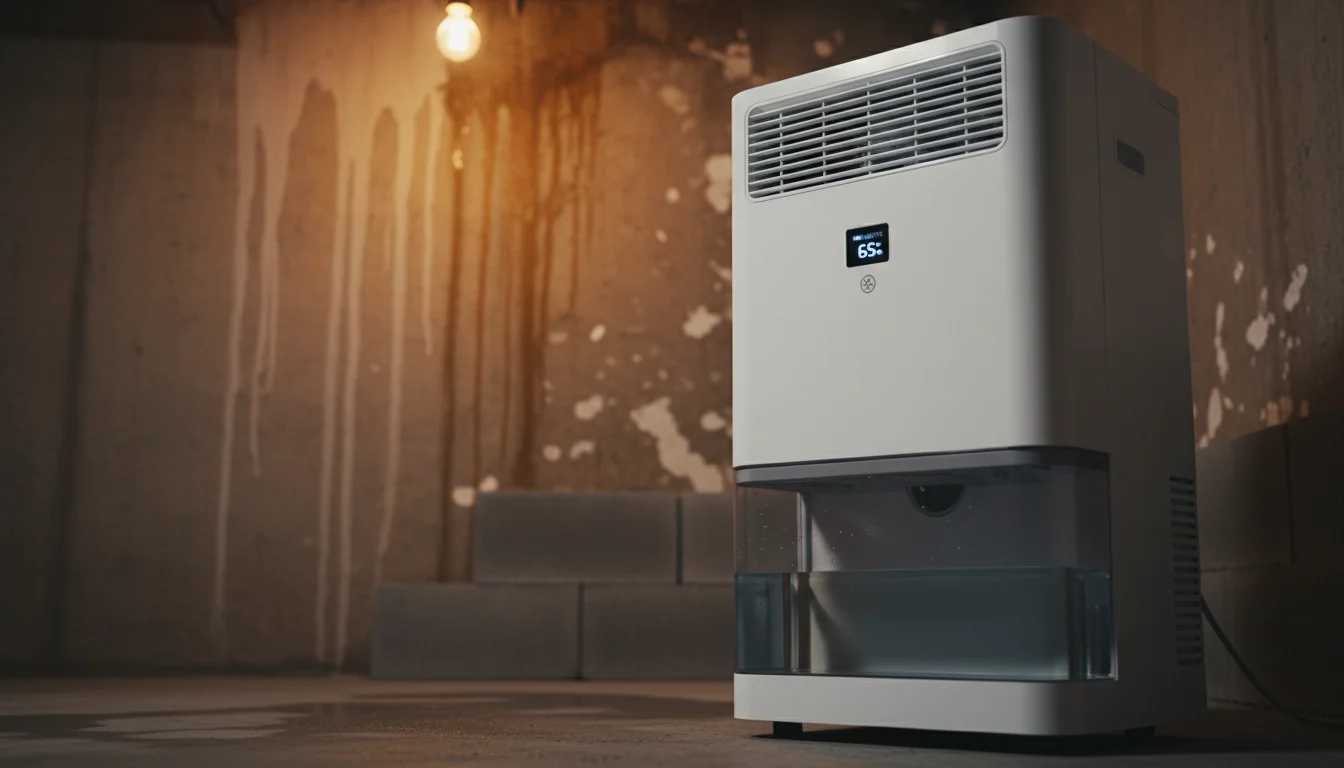
This is the single highest-impact thing you can do. Silverfish can’t breed below 60% relative humidity and can’t survive long-term below 50%. A dehumidifier running continuously in a damp basement or crawl space removes their habitat at the source.
Size it correctly. You need 30-50 pint capacity per 1,000 sq ft (93 sq m) for a genuinely damp room. An undersized unit runs constantly and never gets the humidity down. Set the target to 45-50% and leave it there.
Skip the daily reservoir-emptying if you can. Run a hose to a floor drain or sump pump for continuous drainage. You’re not going to remember to empty it every day, and the moment it fills and shuts off, the humidity creeps back up. Set it and forget it.
You’ll notice the musty smell improving within a few days. Silverfish activity follows.
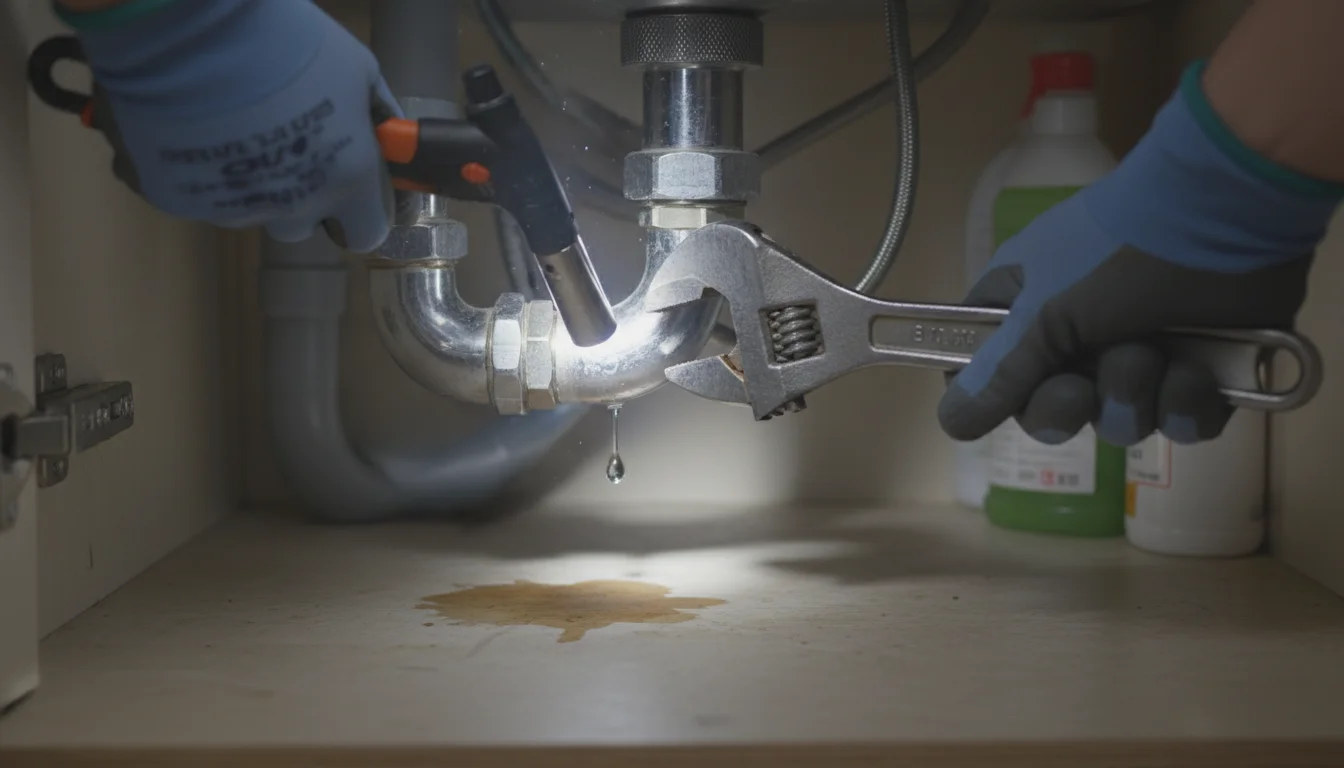
2. Fix Leaking Pipes and Drains
A dehumidifier can’t win against an active leak. Even a slow drip at a compression fitting keeps the localised humidity high enough for silverfish to thrive in that corner of the room indefinitely.
Check under sinks, around toilet bases, behind washing machines, and anywhere a pipe runs through an exterior wall. Don’t just look for puddles – feel for dampness on the cabinet floor and around pipe joints. Cold pipes that sweat are just as bad. That condensation is a continuous moisture source; wrap them with foam pipe insulation and it stops.
Tighten loose connections, replace worn washers, apply plumber’s putty where needed. Nothing fancy. But don’t skip this step – a leaking pipe will undermine every other fix on this list.
3. Fix Gutters and Downspouts
This one surprises people. If your basement stays damp despite a dehumidifier running constantly, blocked gutters are a likely culprit. Overflowing gutters dump water directly against your foundation, and it migrates inward. Silverfish follow.
Clean out the debris, patch any holes, and check that every downspout is directing water at least 6 ft (1.8 m) away from the house. Extensions are cheap and easy to fit. Grading matters too – the ground immediately around the foundation should slope away, not toward it.
This fix pays off beyond silverfish. A dry foundation stays structurally sound and doesn’t grow mould.
4. Seal Entry Points
Once the moisture is controlled, seal the gaps silverfish are using to get in. Unlike rodents, silverfish aren’t forcing entry – they’re sliding through existing gaps around pipe bundles, utility conduits, and poorly-fitted baseboards. A gap around a pipe entry point is all they need.
Do a systematic walk of the exterior. Pay particular attention to where pipes and cables enter, gaps around window and door frames at ground level, and anywhere the foundation meets the siding. Inside, check where utility pipes come up through the floor.
Caulk and expanding foam handle most of it. No steel wool required (that’s a rodent fix). Fill every gap you find. A single missed pipe bundle can feed a whole population – they’re exploiting that one gap reliably, night after night.
5. Vacuum Regularly in Dark Corners
Moisture control takes time to work. While you’re waiting for humidity levels to drop and for your sealing work to take effect, mechanical removal keeps the population from growing.
Silverfish hide under furniture, behind baseboards, and in closet corners during the day. Use the crevice tool and work those gaps where the baseboard meets the floor – that’s where they squeeze in. Vacuum weekly.
Empty the canister immediately into an outside bin. Eggs can hatch inside a warm vacuum canister, and that’s a relocation exercise you don’t want.
Do this consistently for a month while the environmental fixes stabilise and you’ll see the numbers drop fast.