Table of Contents
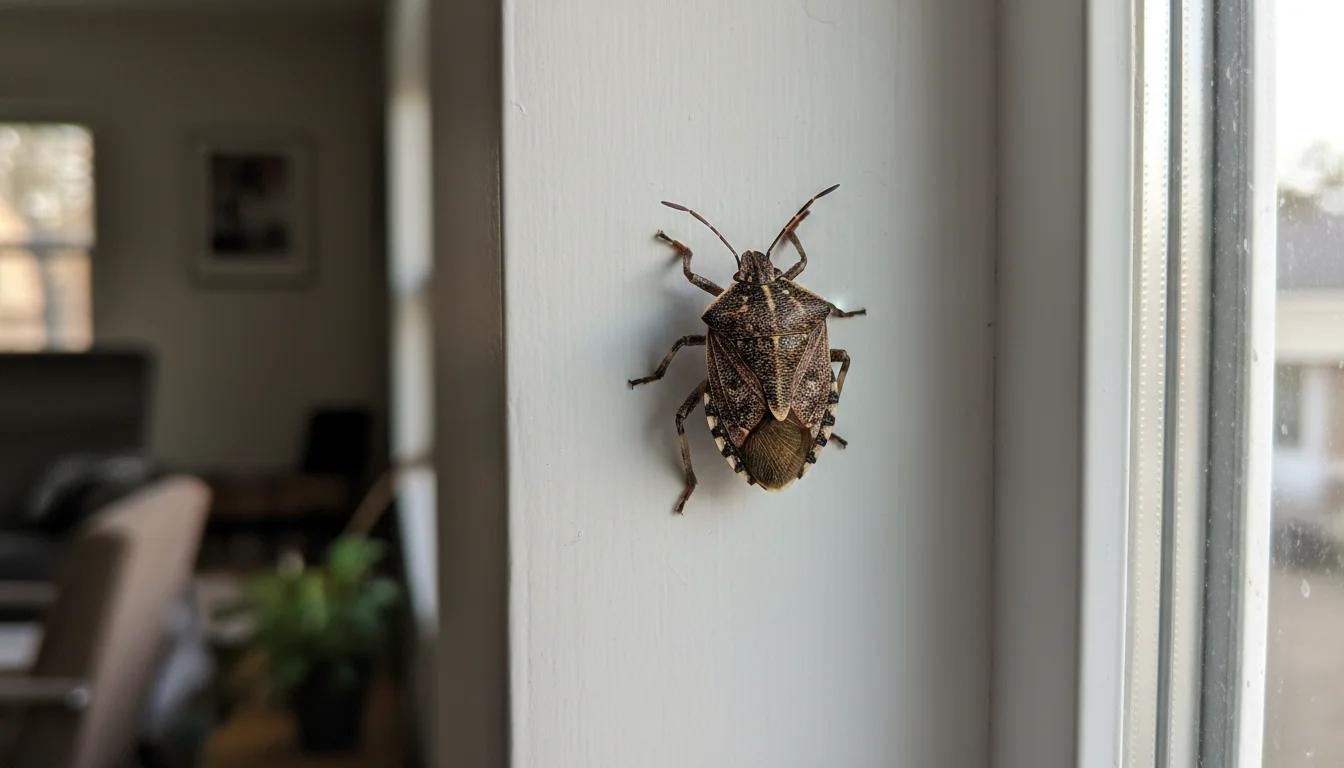
The cardinal rule with stink bugs: don’t crush them. That smell is a defensive chemical they release when threatened or killed, and it lingers. The methods below let you remove or kill them without triggering it – or at least without making the problem dramatically worse in the process.
Flush with Tissue
The quick-and-clean option for individual bugs. Grab the bug with a wad of toilet paper or tissue – the tissue creates a barrier between your skin and the bug, preventing the smell from transferring to your hands – and flush immediately. Speed matters. Get from grab to flush before they have time to release their defense chemicals.
Works for bugs you spot on walls or ceilings when you don’t have anything else handy. Keep a tissue box in rooms where they tend to appear. The toilet water drowns them before they can escape, and flushing removes them entirely.
Bucket Method with Soapy Water
During stink bug season, keep a bucket of soapy water in areas where bugs congregate – basements, attics, rooms with south-facing windows. When you find bugs on walls or curtains, knock them directly into the bucket with a piece of cardboard or a long stick. They drop easily when startled and rarely have time to release before they hit the water.
Don’t try to grab them bare-handed. The soapy water kills them on contact by breaking their surface tension and preventing them from swimming out. Dump the bucket outside when it fills up.
For mass invasions, position a bucket under a light source – bugs attracted to the light will cluster nearby and you can systematically knock them in. Set up several buckets in different areas during peak season in September and October and empty them daily. This method handles volume in a way that flushing or spray doesn’t.
Vacuum Removal
A shop vac or a bagged vacuum handles mass removals fast. Vacuum up any you find on walls, around windows, and in corners. The key is what you do immediately after: remove the bag or canister right away and put it in an outdoor trash bin. Don’t let it sit inside.
Stink bugs in a sealed vacuum bag or canister can still release their chemical, and the smell builds up in an enclosed space. Dedicating a cheap handheld vacuum to pest season and tossing the whole unit at the end is a legitimate approach if you’re dealing with heavy infestations. This method works well for clearing large numbers quickly from attics or wall voids – you can remove hundreds in a few minutes.
Use Light Traps at Night
Set a desk lamp or work light in a dark room with a shallow pan of soapy water placed directly underneath it. Stink bugs and other insects fly toward the light, hit the bulb area, and fall into the water. The soap breaks surface tension so they sink instead of floating.
Check the trap in the morning. This won’t catch every bug in your house, but it reduces numbers gradually and works passively while you sleep. Position it near known entry points for best results. For outdoor pre-entry interception, commercial light traps placed away from your doors draw flying insects away from rather than toward your house.
Dish Soap Spray
Mix 2 tablespoons of dish soap in 17 fl.oz (500 ml) of water in a spray bottle. When you spot stink bugs on a surface, spray them directly. The soap coats their breathing pores and suffocates them within minutes.
Faster than chasing them around trying to knock them into a bucket, and more practical than flushing when you have several bugs in one area. Keep a bottle near windows and entry points where they tend to gather. Regular dish soap works better here than the gentle, moisturizing kind – you want something that cuts grease because it moves through their waxy exoskeleton more effectively.
Diatomaceous Earth
Food-grade diatomaceous earth (DE) is a fine powder that mechanically damages the waxy coating on insect exoskeletons, causing them to dehydrate and die over 48-72 hours. Spread a thin line along windowsills, at door thresholds, and around the perimeter of rooms where bugs are entering. Reapply after any moisture exposure since water clumps the powder and stops it working.
DE only affects crawling bugs that physically walk through it – flying stink bugs landing on walls won’t contact it. It also works slowly, so don’t expect immediate visible results. But it’s completely non-toxic to humans and pets, it doesn’t evaporate or degrade (until it gets wet), and it provides persistent low-level attrition against bugs moving through treated zones.
Use it as one layer in a broader approach: the fast methods (tissue flush, soap spray, vacuum) handle what’s actively present, and DE handles what crawls through entry points over time. Once you’ve dealt with the visible population and sealed up the major entry points, a DE barrier at the remaining gaps keeps pressure off those spots continuously without any further action on your part.