Table of Contents
Chiggers are larvae. Tiny, red, and nearly invisible, they don’t burrow into your skin (that’s a myth), but they do latch on, inject a digestive enzyme that breaks down tissue, and drink it. The intense itching that follows isn’t from the bite – it’s your body reacting to that enzyme. They thrive in tall grass, dense ground cover, leaf litter, and shaded humid areas. They’re a warm-season problem across most of the US, particularly in the South and Midwest. The itch lasts days. An untreated yard stays infested all season. Neither is tolerable for long.
Personal Protection
If you’re going into a yard with active chigger pressure, protection comes before treatment. Wear protective clothing in high-risk areas: long pants tucked into socks, closed shoes, long sleeves. Not glamorous. Effective. Apply permethrin to clothing before yard work – not skin, clothing. Permethrin is a contact insecticide that kills chiggers on contact and holds up through multiple wash cycles. It’s the most reliable tool for personal protection that actually works.
After exposure, shower within two hours. Chiggers don’t immediately embed – they wander for a while before settling. Getting them off before they attach prevents the itch. This is a small time window but it’s real and worth using.
Habitat Modification
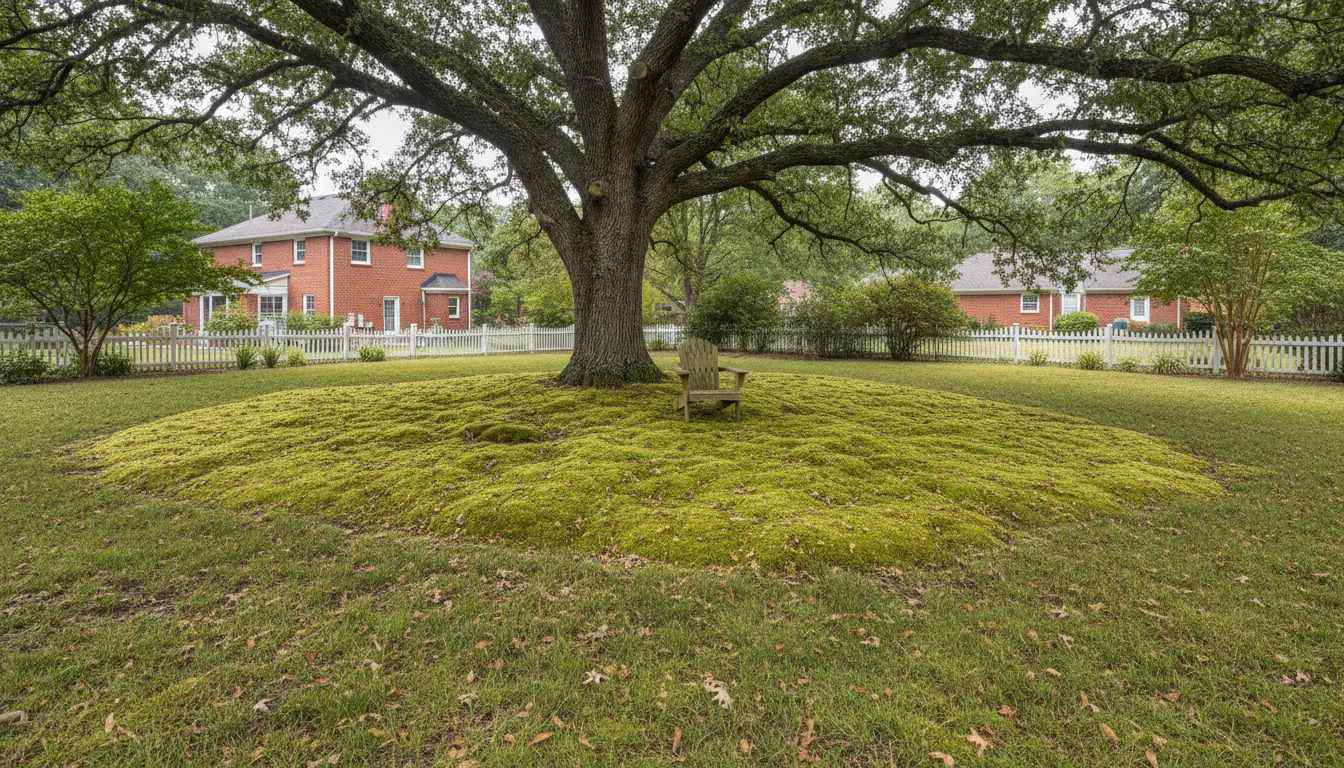
This is the main event. Chiggers are habitat-dependent – they need humidity, shade, and dense vegetation to survive. Remove those and the population crashes. Mow your lawn weekly and keep grass under 3 inches – chiggers can’t survive in short, sun-exposed turf. Trim shrubs and clear dense vegetation, especially along fence lines and in corners that stay shaded. Remove yard debris and leaf litter, because that’s where they live and where wildlife hosts (deer, rodents, birds) deposit larvae.
Fix drainage issues and eliminate standing water – humidity is the other big factor. Redesign problem zones with gravel and rocks instead of ground cover. Create mulch barrier zones at the edges between maintained lawn and naturalized areas to reduce migration. These aren’t quick fixes, but they’re permanent ones.
Chemical and Contact Treatments
For active infestations or problem zones you can’t fully modify, targeted treatment gives faster results. Diatomaceous earth works physically – the sharp particles damage chigger exoskeletons. Neem oil disrupts development and acts as a repellent. Essential oil repellents (clove, lemongrass, tea tree) have some effect when applied to skin or clothing.
The most reliable contact treatment for yard perimeters is sulfur powder. Treat perimeter zones with sulfur powder along fence lines, around the lawn edge, and in transitional areas. Sulfur is cheap, effective, and has been used specifically for chiggers for a long time. Apply it when the ground is dry and reapply after heavy rain.
Biological and Wildlife Control
Chiggers depend on wildlife hosts – deer, rodents, birds, rabbits – to complete their lifecycle. Reduce host traffic and you reduce larval pressure. Install fencing to exclude wild animals, particularly deer, from the yard. Use visual deterrents to repel wildlife from areas where chigger populations are heaviest.
Natural predators – centipedes, ants, beetles – eat chigger larvae, but their populations are rarely high enough to make a real dent on their own. Get free-range chickens or guinea fowl if that’s practical for your property – they scratch through ground cover and eat larvae directly. Guinea fowl are particularly efficient and will work a yard methodically. This isn’t a solution for everyone, but it’s a surprisingly effective one for properties that can support it.
Where It Shows Up
Different chigger problems need different approaches. How to get rid of chiggers in your yard is the habitat modification guide – mowing schedules, vegetation clearing, drainage fixes, mulch barriers, and yard redesign for problem zones. How to get rid of chiggers with treatments covers chemical and biological options: sulfur, diatomaceous earth, neem oil, predator management, wildlife exclusion, and chickens. How to get rid of chiggers with personal protection focuses on the immediate defensive layer: permethrin clothing treatment, protective clothing choices, and the post-exposure shower window.