Table of Contents
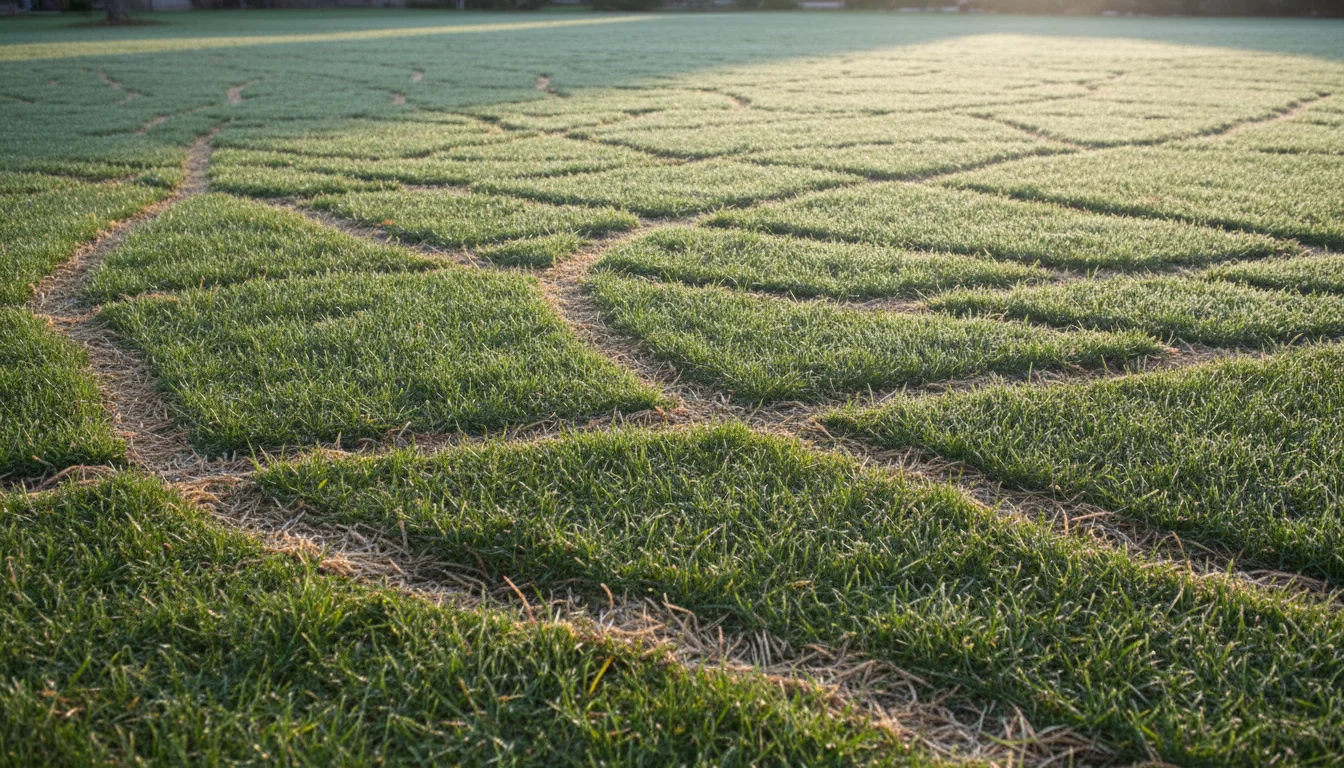
Voles aren’t moles. If you’re seeing raised ridges and mounds, that’s moles. Knowing how to get rid of voles starts with this distinction: voles leave surface runways – shallow, 1-2 inch wide channels pressed into the lawn, often with clipped grass along the edges. They’re the ones eating your tulip bulbs, girdling your fruit trees under winter snow, and honeycombing your vegetable bed with tunnels. They also breed fast. A female can have five to ten litters per year.
The methods below range from immediate (snap traps clear an active population in days) to long-game (raptor poles take months to see results). Start at the top and work down based on how bad the infestation is and how you feel about lethal options.
1. Use Snap Traps Along Travel Routes
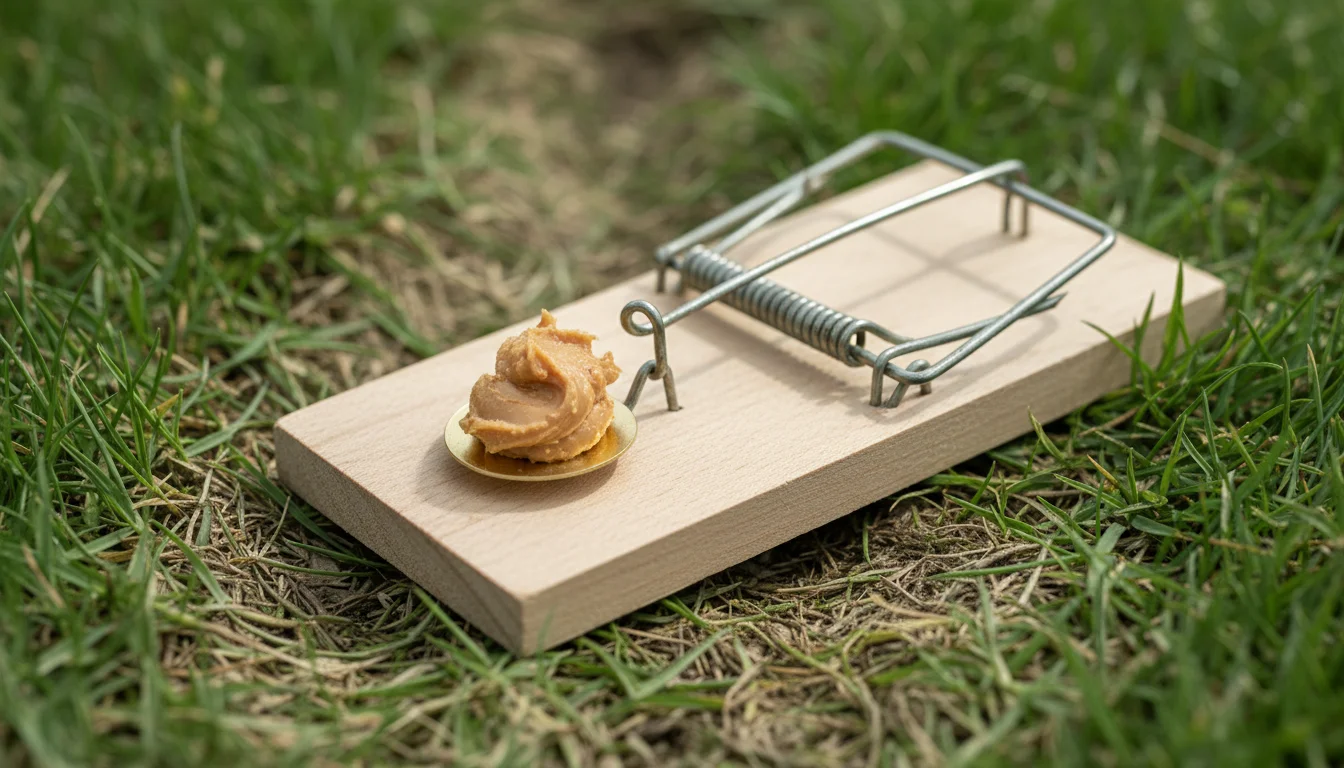
The fastest active reduction you can do. A basic Victor mouse snap trap baited with peanut butter will kill voles just as reliably as anything more expensive.
The placement detail that determines whether this works: set traps perpendicular to runways with the trigger end inside the runway. Voles follow their established paths – they don’t investigate traps sitting parallel to the route, they run straight into traps positioned across it. Six to eight traps minimum for a yard with visible runway networks. Check daily, reset, and dispose of dead animals in sealed bags with gloves on.
Most infestations see a visible population drop within a week. Two weeks of consistent trapping clears most moderate-sized yard populations.
2. Use Rodenticide Bait Stations
For larger populations where trapping alone would take too long, enclosed bait stations running anticoagulant rodenticide are the faster route.
Place one station every 15-30 feet (4.5-9 m) directly along active runways – position the entrance holes to align with the travel path so voles walk straight in. First-generation anticoagulants (diphacinone, chlorophacinone) require multiple feedings over several days before a lethal dose accumulates. That’s a feature, not a bug: voles don’t connect the bait to illness, so they keep feeding. Expect population decline to show up 5-10 days after first deployment.
Check stations every 3-5 days and replenish bait. Once consumption stops, pull the stations. Leaving empty stations in the field indefinitely attracts other animals.
Pet owners: "tamper-resistant enclosed" is non-negotiable. Never scatter bait openly. Dispose of dead animals promptly – secondary poisoning in dogs and raptors that consume treated rodents is real, especially with second-generation products.
3. Apply Castor Oil Repellent
The go-to if you want non-lethal or if pets and kids are in the yard regularly. Mix 8 tablespoons of castor oil with 2 tablespoons of dish soap in 1 cup (240 ml) of warm water. The soap acts as a surfactant that helps the oil penetrate into soil; castor oil coats plant roots and bulbs, making them taste foul and causing digestive irritation in voles that consume them. They relocate to find better conditions.
Pour or spray onto active runway areas, garden beds with bulbs, and around the perimeter of vegetable gardens. Reapply after rain or every two weeks until activity stops.
Commercial castor oil concentrates work just as well. Buy the concentrate and dilute it yourself – the ready-to-spray bottles are mostly water at an inflated price.
4. Install Underground Barrier Fencing
Worth doing if you’re protecting a high-value area: a raised vegetable bed, expensive ornamental borders, or a section of lawn that keeps getting destroyed. This is labor up front, then effectively permanent.
Dig a trench 24 in (60 cm) deep around the perimeter of what you’re protecting. Install hardware cloth with quarter-inch openings: 18 in (45 cm) of mesh goes vertically in the trench, with the bottom 6 in (15 cm) bent outward at a 90-degree angle to stop tunneling underneath. Backfill the trench and leave 2-3 in (5-8 cm) of mesh above ground.
One important caveat: this keeps new voles out, but doesn’t remove any already inside the perimeter. Trap or bait the area first, then install the barrier.
5. Install Tree Guard Cylinders
If you have fruit trees, young ornamentals, or any trees planted in the last five years, this is not optional. Voles girdle bark – chewing a ring around the base of the trunk, just below the snow line, through winter. The damage is invisible until spring snowmelt. By then, a complete girdle is a death sentence. The tree leafs out on stored energy and collapses when reserves run out.
Hardware cloth cylinders prevent this entirely. Cut a strip of 1/4-inch hardware cloth and form it into a loose cylinder around the trunk base. It should extend 18-24 in (45-60 cm) above the expected snow depth in your area (voles tunnel under snowpack and work at snow level, not ground level). Bury the bottom 2-3 in (5-8 cm) in soil to prevent tunneling underneath. Leave a 2-3 in gap between the cylinder and the trunk – contact with bark traps moisture and promotes fungal disease.
Install in mid to late autumn before the first significant snowfall. Remove in late spring to inspect the bark.
6. Keep Grass and Vegetation Trimmed
This is why voles chose your yard in the first place. Dense, overgrown grass gives them covered runway networks where predators can’t see them. Tall vegetation along fences, beds, and borders is prime vole habitat. Deep mulch in garden beds is another one.
Keep grass mowed to 2-3 in (5-8 cm). Trim borders and fence lines regularly. Reduce mulch depth to 2 in (5 cm) or less near lawn edges. Clear debris piles, leaf litter, and wood stacks that sit on the ground. None of this kills voles – it makes your property less attractive than the neighbors’, and that’s enough.
Habitat modification is also why methods 1 and 2 don’t hold permanently on their own. Remove the current population but leave the habitat unchanged and the area re-colonizes from adjacent land within weeks.
7. Install Raptor Perch Poles
Long-game. Don’t start here if you have an active infestation – use traps or bait first and add poles as a maintenance layer.
A 10-15 ft (3-4.5 m) wooden post with a horizontal crossbar at the top gives hunting raptors an elevated vantage point over open ground they’d otherwise avoid. Barn owls, red-tailed hawks, and kestrels all use them. A single barn owl takes 1,000-1,500 small rodents per year. The investment is a 4×4 pressure-treated post, some crossbar lumber, and a few hours.
Place poles at the edges of active areas (raptors hunt the transition zone between cover and open ground, not the center of open areas). One pole per acre to start. Results compound over months as birds establish regular hunting territories.
FAQ
How do I permanently get rid of voles?
No single treatment is permanent. Trapping and bait stations clear the current population, but voles from adjacent areas recolonize within weeks if conditions haven’t changed. The combination that holds: active reduction first (traps or bait stations), then habitat modification (short grass, cleared debris, reduced mulch), plus physical barriers around high-value areas. Monitor with snap traps and reset them at the first sign of new runway activity.
Should you fill vole holes?
Yes, after treatment is complete. Filling runways and burrow holes collapses the tunnel network, forces survivors to rebuild (increasing their predator exposure), and lets you monitor reinfestation – new runway activity tells you the population wasn’t fully eliminated. Fill with soil, tamp down, and replant bare patches.
Why do I suddenly have voles in my yard?
Three common triggers: a neighbor treated their property and the population moved; a mild winter pushed survival rates up and the spring population is higher than usual; or your property changed (new mulch beds, reduced mowing, overgrown borders) and became more attractive habitat. Voles don’t travel far – a sudden appearance almost always means something changed on or near your property.
What’s the best bait for vole traps?
Peanut butter is the standard recommendation and it works well. Apple slices and sunflower seeds are effective alternatives. Voles are herbivores, so the meat-based baits used for some rodents aren’t relevant here.