Table of Contents
Fleas are patient, prolific, and infuriatingly good at surviving. A single female lays up to 50 eggs a day. Those eggs roll off your pet and into carpets, furniture cracks, and bedding. Larvae hatch in one to two weeks, pupae can sit dormant for over a year waiting for vibration or warmth, and the whole cycle restarts with every generation you miss. That’s why spot-treating your dog and calling it done never works. You need to hit every life stage, in every location, at the same time. Here’s how.
1. Vacuum Everything, Every Day
This is the single most effective thing you can do and it costs nothing. Vacuum all floors, carpets, baseboards, under furniture cushions, and anywhere your pet hangs out. Vacuuming picks up eggs and adults easily. Larvae grip carpet fibers harder, so go slow and use a beater bar attachment. After each session, seal the vacuum bag in plastic and toss it outside (or freeze it for several hours if you’re reusing the bag). Do this daily for at least two weeks. The pupae are the problem: they’re immune to insecticides and only emerge when they detect vibration or CO2 from a host. Vacuuming triggers that emergence, which means you’re actually luring them out to kill them.
2. Wash All Bedding and Fabrics in Hot Water
Everything your pet touches goes in the machine. Pet beds, blankets, throw pillows, your sheets if the cat sleeps on your bed. Hot water (at least 60C) and a full dryer cycle on high heat. The heat kills every life stage. Do this weekly until the infestation is over. If something can’t be washed, bag it in plastic for two weeks or throw it out.
3. Bathe Pets in Warm Soapy Water
Plain dish soap kills adult fleas on contact by breaking their surface tension. Lather your pet thoroughly, let the soap sit for 5 minutes, then rinse. This won’t prevent reinfestation but it gives immediate relief and knocks down the adult population fast. For heavy infestations, a flea shampoo with pyrethrin works faster, but regular soap does the job if you’re thorough. One warning that bears repeating: dog flea products can kill cats. Read the label.
4. Use a Flea Comb Daily
A metal flea comb (the teeth are spaced about 0.05mm apart) traps adult fleas physically. Work through your pet’s fur in sections, focusing on the neck and base of the tail where fleas concentrate. After each pass, dunk the comb in a bowl of hot soapy water to drown whatever you caught. It’s tedious, but it doubles as monitoring. If your daily count is dropping, your other methods are working. If it’s not, escalate.
5. Steam Clean Carpets and Upholstery
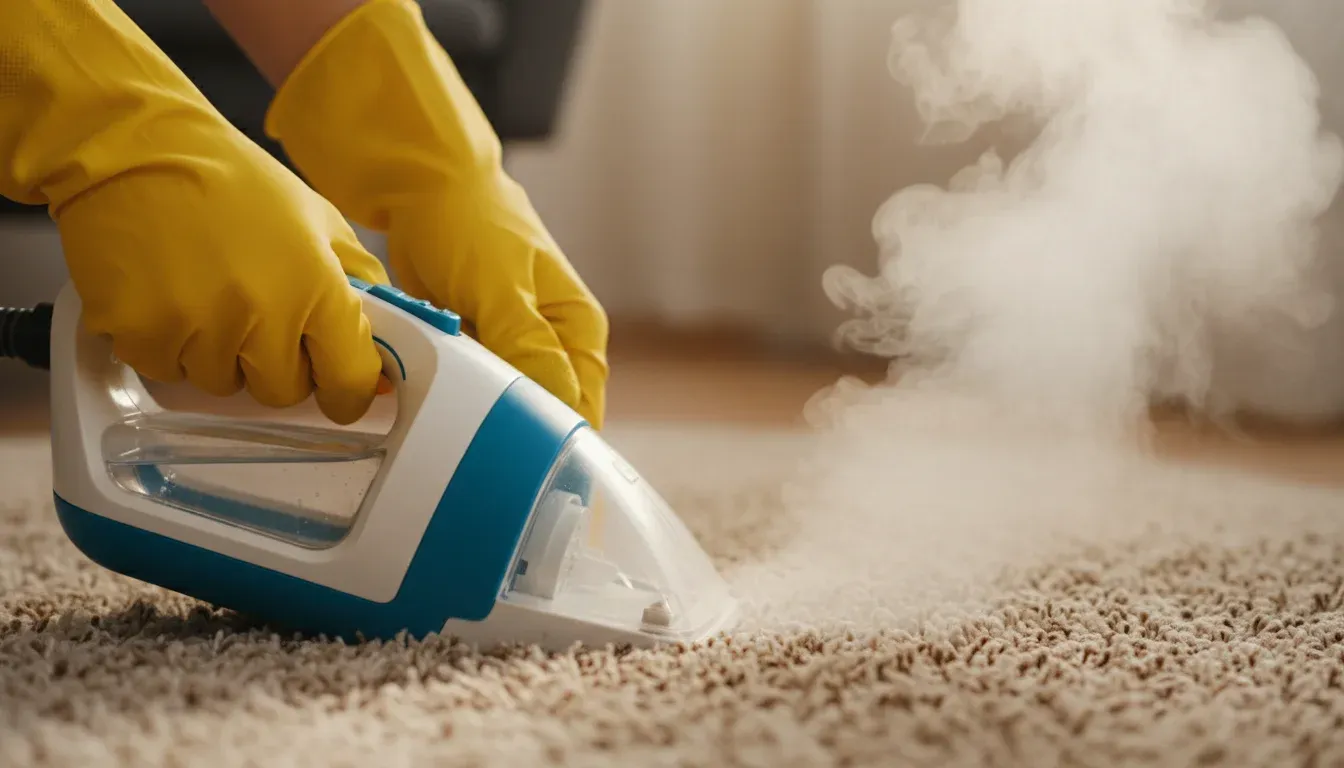
Where vacuuming misses larvae clinging to carpet fibers, steam gets them. The combination of heat (over 60C) and moisture kills fleas at all life stages on contact. Focus on areas where pets rest, along baseboards, and under furniture. You can rent a steam cleaner or hire a professional. Do this at least once during an active infestation, ideally after a round of vacuuming.
6. Apply Diatomaceous Earth
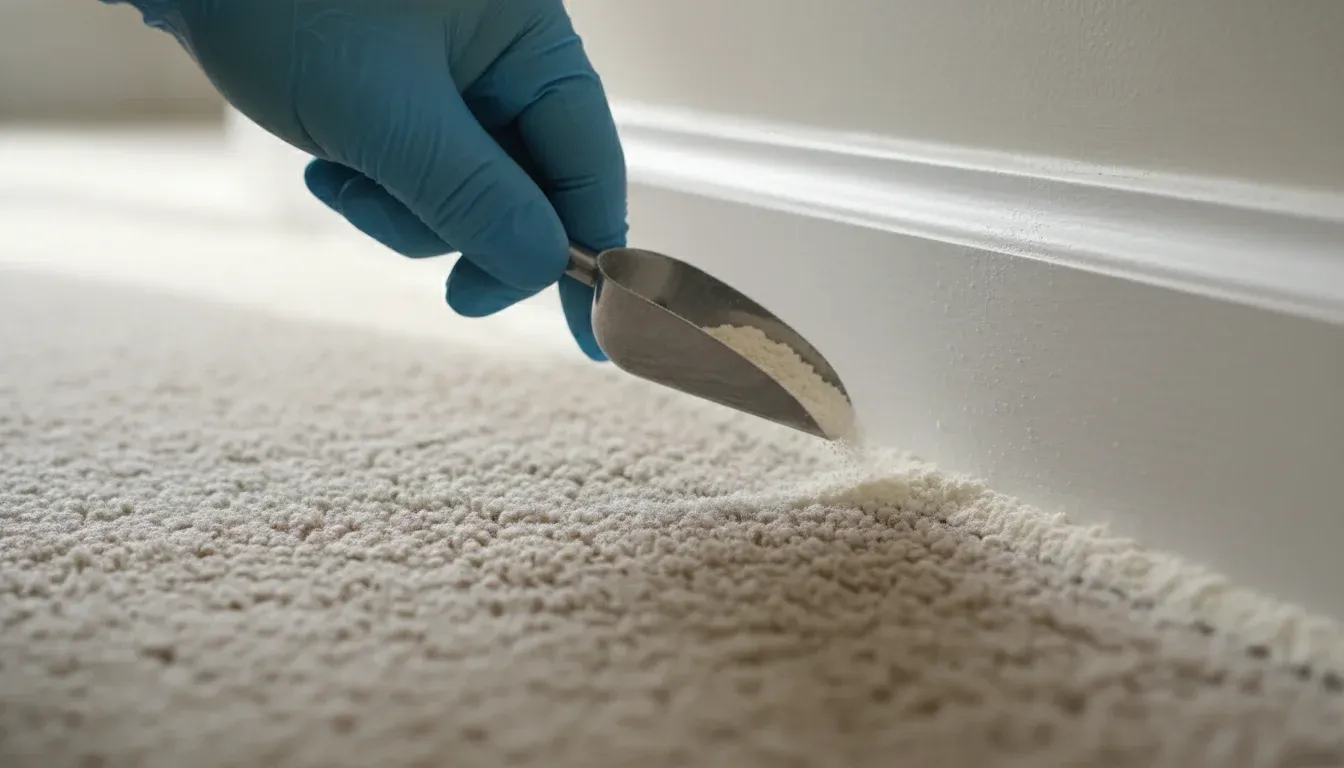
Food-grade diatomaceous earth (DE) is a fine powder made from fossilized algae. It shreds the waxy coating on fleas’ exoskeletons, dehydrating them to death over 24-48 hours. Dust it lightly into carpets, along baseboards, and onto pet bedding. Wear a dust mask during application (it’s not toxic, but the fine particles irritate lungs). Keep pets out of the room while the dust settles. Leave it for 48 hours, then vacuum it up. For pets themselves, dust it lightly into their fur and don’t bathe them for several days so it stays effective. Check with your vet before using on cats.
7. Use an Insect Growth Regulator
IGRs containing methoprene or pyriproxyfen stop flea eggs and larvae from developing into adults. They don’t kill adults, but they break the breeding cycle, which is what actually ends an infestation. Apply as a spray to carpets, furniture, and pet resting areas. A single application lasts up to 200 days. Combine with vacuuming and pet treatment or you’re just slowing things down.
8. Treat Outdoor Resting Areas
Fleas breed outdoors too, especially in shaded spots where pets lie. Doghouses, under decks, kennel areas, along foundations. Flush these areas with soapy water. Trim back low vegetation to let sunlight in (fleas and larvae avoid direct sun). For serious outdoor infestations, an outdoor flea spray with permethrin works, but target it to specific resting areas rather than blanketing the entire yard.
9. Use Spot-On or Oral Flea Treatments
Veterinary flea treatments (spot-on formulations or oral medications) are the heavy artillery. They kill adult fleas on your pet within hours and keep killing for 30 days. Some also contain IGRs to prevent egg development. These are more effective than flea collars, which mainly protect the head and neck area. Get them from your vet rather than over-the-counter options, which tend to use weaker active ingredients.
10. Set Up Flea Traps for Monitoring
A shallow dish of soapy water under a desk lamp on the floor. Fleas jump toward the warmth and light, hit the water, and the soap breaks the surface tension so they drown. This won’t eliminate an infestation on its own, but it tells you where fleas are concentrated and whether your treatment is working. Check and refresh daily. When the trap stays empty for a week, you’re probably clear.
The key to all of this: persistence. Flea pupae can survive for months in a dormant state, hatching long after you think the problem is solved. Keep vacuuming, keep washing, and don’t stop treatment early. Most failed attempts come down to quitting two weeks too soon.