Table of Contents
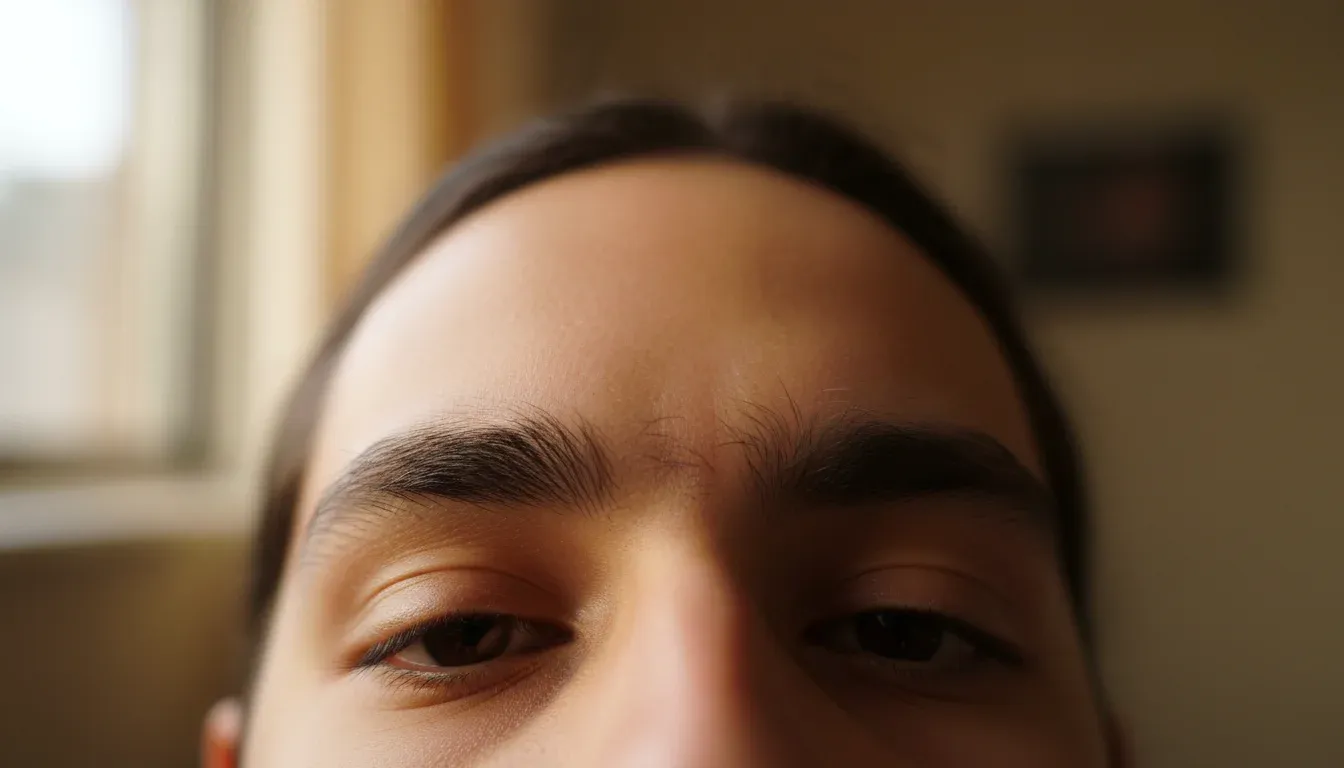
If you’re figuring out how to get rid of a unibrow, the short version is: it’s hair growing where you don’t want it, driven by the PAX3 gene, and no lifestyle change will stop it. Frida Kahlo wore hers proudly. You want yours gone. Here are seven ways to do it, ordered from quick home fixes to permanent professional solutions.
What Causes a Unibrow
Genetics. The PAX3 gene governs where brow hair follicles develop, and if you have the variant that extends the growth zone toward the midline, hair shows up between your eyebrows. A genome-wide study also identified PAL2RB as a contributor to brow hair density and distribution, which is why unibrows cluster in families and show up at higher rates in South Asian, Middle Eastern, and Latin American populations.
Hormones play a supporting role. Testosterone drives overall hair density, so a unibrow that was faint at 14 can thicken noticeably through your twenties. Conditions affecting androgen levels (PCOS is the common one) can increase midline hair growth too, though that usually comes with broader body hair changes rather than a unibrow on its own.
The underlying cause is not something you can fix. Every method below is about removing the hair – only one of them stops it from coming back.
1. How to Get Rid of a Unibrow with Tweezers
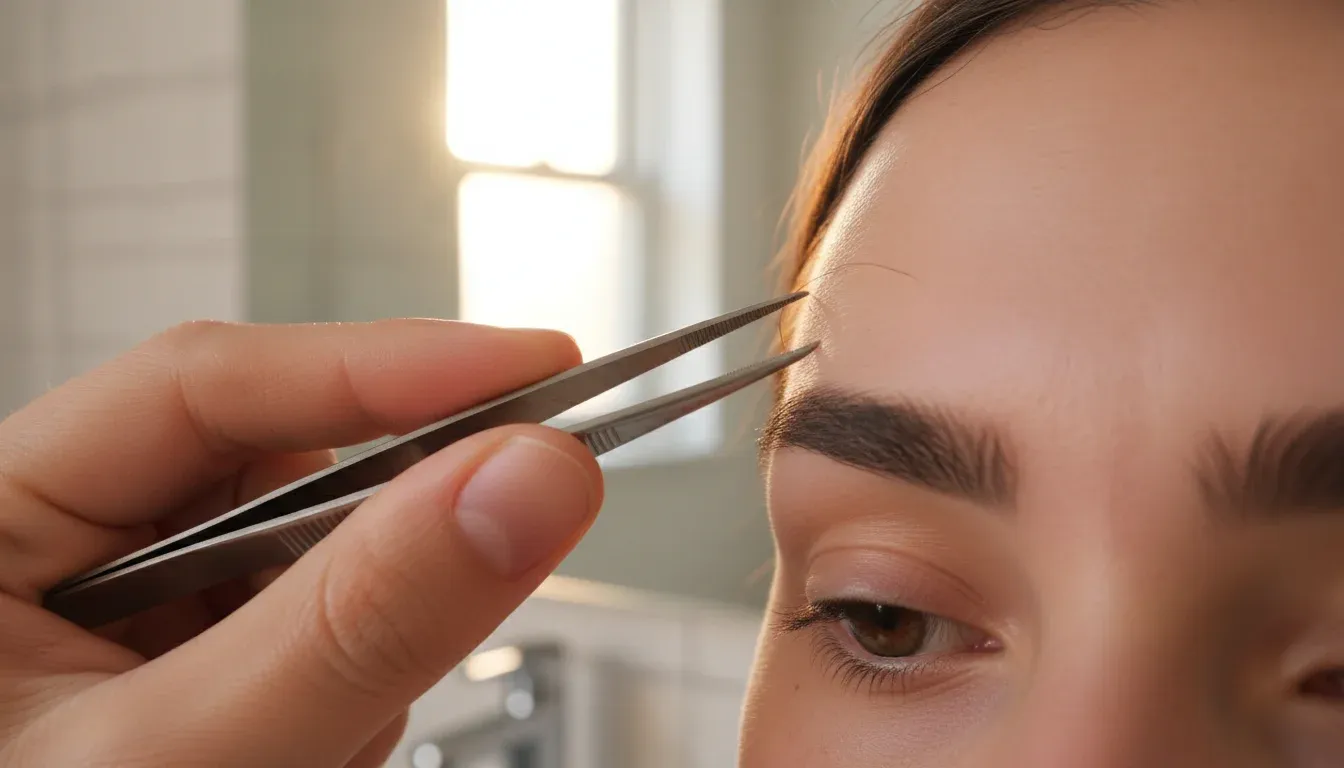
The obvious starting point. You probably own tweezers already, they cost almost nothing, and you get full control over which hairs stay and which go. It hurts, but not terribly if you do it right.
The technique matters:
- One hair at a time. Grabbing clumps just snaps them at the surface.
- Stretch the skin taut with your free hand before each pull.
- Grip close to the root and pull in the direction of growth. Against the grain means broken hairs and ingrowns.
- Exfoliate the area afterward – a salicylic acid toner or gentle scrub keeps ingrown hairs from forming.
Sterilize your tweezers before and after. You’ll get some redness for an hour or two. Cold compress if needed. Results last 4-8 weeks before you need to do it again.
2. How to Get Rid of a Unibrow by Waxing
Same root-level removal as tweezers, but you clear the whole strip in one pull instead of going hair by hair. At-home wax strips handle this area fine. Apply heated wax to the bridge, press the strip down, wait a few seconds for it to grip, then rip it off sharply against the direction of growth.
First-timers: getting it done at a salon is a smart move. A brow tech will shape it properly, and you can maintain the line yourself afterward.
One hard rule – skip waxing if you’re on isotretinoin, tretinoin, or adapalene. Those medications thin the skin enough that wax can tear it. Same goes for sunburned or irritated skin. Results: 4-8 weeks, same as tweezing.
3. How to Get Rid of a Unibrow by Eyebrow Threading
A twisted cotton thread catches and rolls hairs out from the root. It’s precise, avoids putting chemicals or wax on your face, and a skilled practitioner can clear the area in under five minutes.
The trade-off is that thread friction irritates some skin types more than other methods. Redness is normal. If you want to learn the technique yourself, watch a professional do it a few times first – the hand coordination takes practice. Most people just book a standing appointment at a brow bar. Results: 4-8 weeks.
4. How to Get Rid of a Unibrow with Depilatory Cream
No pulling, no pain. Depilatory creams use alkaline chemicals to dissolve the hair shaft at the surface. Apply to the unibrow area, wait 3-5 minutes (follow the box – not longer), wipe off, rinse.
Patch test on your inner arm 48 hours before using it on your face. Non-negotiable. If the skin reacts, pick a different method. Don’t leave it on past the recommended time or you’ll trade hair removal for a chemical burn.
This is the best option for teens and kids (12 and up) who can’t handle the pain of plucking or waxing. No tugging, no sharp edges, minimal drama. Results last a few weeks.
5. How to Get Rid of a Unibrow with Razor
Emergency-only territory. Shaving cuts hair at the surface, which means visible regrowth in 2-4 days. It’s the fastest option and also the shortest-lived.
If you’re doing it: wet your face (post-shower is ideal), use shaving gel, go with the grain. An electric detail trimmer with a precision head is honestly better than a blade here – more control, less risk of nicking yourself on the brow ridge.
Fine for a night-before fix. Not a real grooming routine.
6. How to Get Rid of a Unibrow with Electrolysis
The only method the FDA classifies as permanently removing hair. A licensed electrologist slides a thin probe into each follicle and hits it with a small electric current that kills the root. The hair falls out over the next few days. It doesn’t grow back.
You’ll need multiple sessions – each one treats individual follicles, so it’s slow going. It’s also expensive and not covered by insurance. But this is the actual permanent solution. Not "reduced regrowth." Not "long-lasting." Permanent. If that’s what you want, this is the one.
7. How to Get Rid of a Unibrow with Laser
Laser hair removal targets melanin in the follicle to damage its ability to regrow hair. It works, but calling it permanent is a stretch for most people. Expect significant reduction in hair density and slower regrowth, with occasional maintenance sessions.
The big limitation: it doesn’t work safely on darker skin tones. The laser can’t tell the difference between pigment in dark hair and pigment in dark skin, which creates burn risk. If you have a darker complexion, electrolysis is the right permanent option.
Multiple sessions required regardless. Expect to pay a few hundred dollars per session, and insurance won’t cover it.
FAQ
Will a unibrow go away on its own?
No. The follicles are there because of your genetics, and they’ll keep producing hair indefinitely. Hormonal shifts (puberty, aging) can change how thick or visible the hair is, but the follicles don’t disappear. If you want it gone, you have to actively remove it – or destroy the follicles with electrolysis if you want it gone permanently.
Should I start removing my unibrow as a teenager?
There’s no medical reason to wait. If it bothers you, a depilatory cream is the gentlest starting point for younger teens (12+). Tweezing works fine too if you can tolerate the pinch. Some estheticians recommend waiting until 16 for waxing, but that’s more about pain tolerance than safety. The hair will keep growing regardless of when you start removing it – plucking doesn’t make it grow back thicker (that’s a myth).
How rare is a unibrow?
About 10% of people have noticeable midline brow hair. Rates are higher in South Asian, Middle Eastern, and Latin American populations due to genetic variation in the PAX3 gene. It’s common enough that you’re not unusual for having one.
Can a unibrow be removed permanently?
Yes, but only with electrolysis. It’s the only method the FDA recognizes as truly permanent hair removal. Laser significantly reduces regrowth and many people are satisfied with the results, but it’s technically "long-term reduction" rather than permanent elimination. Everything else (tweezers, wax, threading, cream, razor) is temporary and the hair grows back.