Table of Contents
Chemical pesticides are a losing game. They’re expensive, they kill pollinators and beneficial insects right alongside the pests, and plenty of bug populations have built up resistance to the common ones anyway. You end up spending more money to do more damage for less result.
The good news is organic pest control isn’t some fringe hippie thing anymore. Most of these methods have decades of field data behind them, and several outperform their chemical equivalents in long-term effectiveness. The trick is matching the right method to your actual problem instead of reaching for the nuclear option every time something nibbles a leaf.
Here’s what works.
1. Diatomaceous Earth
The single most versatile organic pest killer you can buy. It’s a fine powder made from fossilized algae, and under a microscope it looks like broken glass. Insects walk through it, the particles shred their exoskeletons, and they dehydrate within 48 hours.
It works on ants, bed bugs, cockroaches, earwigs, beetles, fleas, and pretty much anything with an exoskeleton. Dust it into cracks, along baseboards, around garden beds, and anywhere bugs travel. Reapply after rain.
One thing: buy food-grade DE only. The pool-grade stuff is heat-treated and genuinely dangerous to breathe. Food-grade is safe around kids and pets once it settles, though you still don’t want to inhale clouds of it during application.
2. Neem Oil
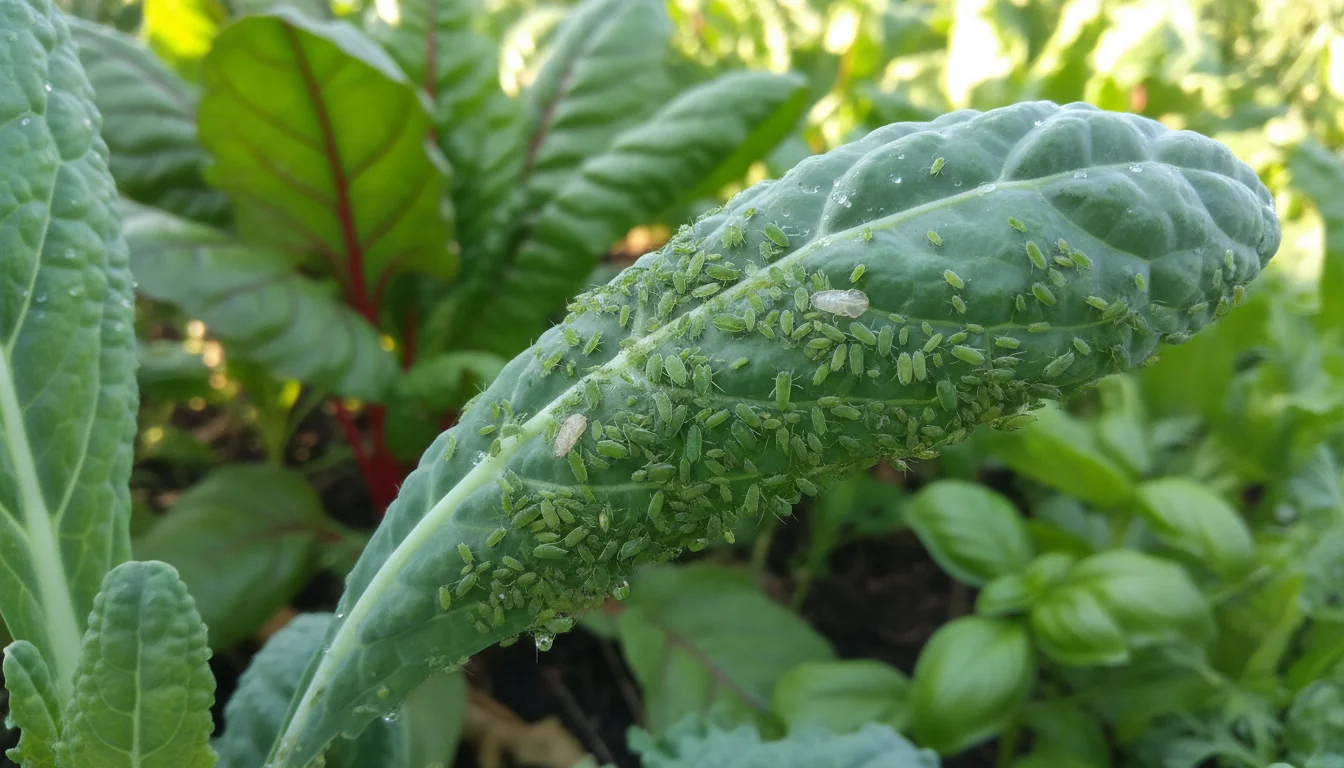
Pressed from the seeds of the neem tree, this oil disrupts insect hormones so they stop feeding and can’t reproduce. It handles aphids, whiteflies, spider mites, and beetles without touching beneficial insects (because they’re not eating your plants).
Mix 2 teaspoons of pure neem oil with 1 litre of water and a teaspoon of liquid soap as an emulsifier. Spray both sides of leaves in the evening (direct sunlight breaks it down). Reapply every 7-14 days and after rain. Wait at least 5 days before harvesting anything you’ve sprayed.
3. Insecticidal Soap
Concentrated fatty acids in water. It dissolves the waxy coating on soft-bodied insects (aphids, mealybugs, spider mites, whiteflies) and kills them on contact. It does nothing to hard-shelled beetles or insects it doesn’t physically touch, so spray directly onto the bugs you can see.
You can buy commercial insecticidal soap or make your own with 1 tablespoon of pure castile soap per litre of water. Don’t use dish soap with degreasers or fragrances – those will burn your plants. Spray in the morning or evening, never in full sun.
4. Beneficial Insects
Instead of killing pests yourself, hire something that does it full-time. Ladybugs eat 50-60 aphids per day. Green lacewing larvae are even more voracious. Praying mantises will eat basically anything that moves.
You can order these online and release them into your garden. The key is releasing them at dusk (so they don’t immediately fly away toward light), near the infestation, and after watering the area so they have moisture. Match the predator to your pest: ladybugs for aphids, parasitic wasps for caterpillars and whiteflies, nematodes for grubs.
5. Companion Planting
Some plants repel specific insects just by growing nearby. Marigolds are the classic example – they repel aphids, whiteflies, and nematodes while attracting hoverflies that eat pest insects. Plant them as borders around vegetable beds.
Basil near tomatoes repels tomato hornworms. Garlic and chives deter Japanese beetles and aphids. Nasturtiums work as trap crops, pulling aphids away from your vegetables and onto themselves. Peppermint and spearmint repel ants and aphids but plant them in pots because they’ll take over your entire garden otherwise.
6. Bacillus Thuringiensis (Bt)
A naturally occurring soil bacterium that produces proteins toxic to specific insect larvae. Different strains target different pests: Bt kurstaki kills caterpillars (cabbage worms, tomato hornworms, corn earworms), Bt israelensis kills mosquito and fungus gnat larvae, and Bt San Diego targets Colorado potato beetle larvae.
It’s harmless to humans, pets, birds, bees, and earthworms. The bacteria break down in sunlight within a few days, so spray in the evening and reapply weekly. It only works when larvae eat treated foliage, so timing matters – spray when you first spot caterpillars, not after they’ve already done the damage.
7. Row Covers
Physical barriers beat chemical solutions every time. Floating row covers are lightweight fabric you drape over crops (directly or over wire hoops). They block insects from reaching plants while letting light and water through.
Use them during peak pest activity or for the entire growing season on crops that don’t need insect pollination (root vegetables, leafy greens, brassicas). Secure the edges with soil, rocks, or landscaping staples – one gap and the bugs find it. Remove covers when plants that need pollination start flowering (squash, cucumbers, tomatoes).
8. Essential Oil Sprays
Peppermint oil repels ants, spiders, and mosquitoes. Eucalyptus deters flies. Lavender keeps moths away. These aren’t as strong as the methods above, but they’re good for indoor use and as supplementary deterrents around entry points.
Mix 10-15 drops of essential oil per 250 ml of water with a small squirt of soap to help it mix. Spray around doorways, window frames, and any cracks where bugs enter. Reapply every few days since the oils evaporate. This won’t solve an infestation, but it’s solid for keeping bugs from setting up shop in the first place.
Pick the methods that match your actual problem. A caterpillar issue needs Bt, not essential oils. An aphid explosion calls for ladybugs or insecticidal soap, not row covers. The organic approach works best when you use the right tool for the specific bug, not when you spray everything with the same bottle and hope for the best.