Table of Contents
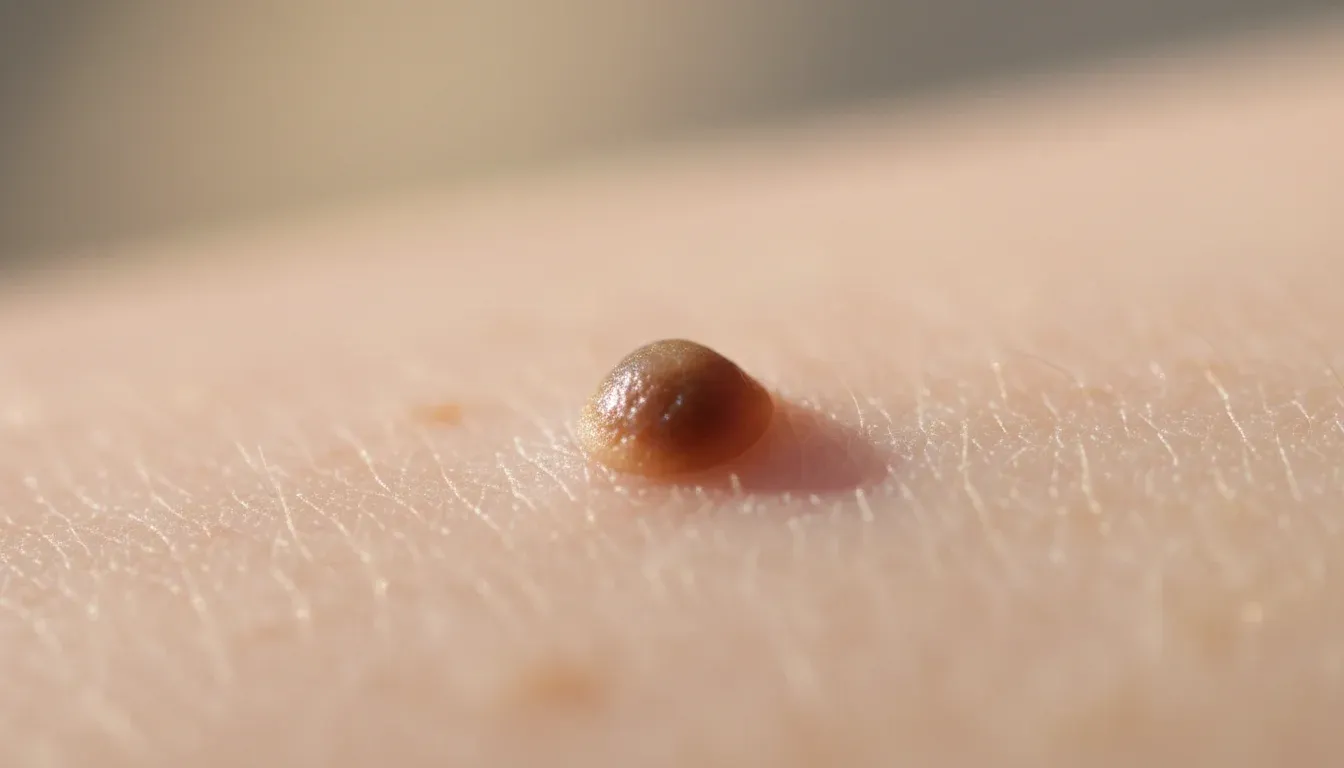
You’ve got a mole you’d rather not have, and you’re trying to dodge the dermatologist. Fair enough. Surgery’s quick and clean, but it costs money and requires an appointment, and maybe you just want to try something at home first.
Here’s the deal: most non-surgical options won’t actually remove the mole. They’ll fade it, lighten it, or (if you’re lucky) shrink it a bit. But they’re not going to make it vanish like a scalpel would. If you’re okay with that trade-off, here’s what works.
1. Apple Cider Vinegar
The internet’s favorite home remedy, and for once it’s not complete nonsense.
Soak a cotton ball in apple cider vinegar, tape it over the mole with medical tape or a bandage, and leave it overnight. Do this every night for a week or two. The acid slowly breaks down the pigmented tissue.
You’ll notice the mole getting darker and crusty before it starts to lighten. That’s normal. If your skin around the mole gets red or burns, take a break for a few days.

2. Iodine
Dab a drop of iodine (the orange antiseptic kind, not the supplement) on the mole twice a day. Cover it with a bandage if you want to avoid staining your clothes.
This takes longer than vinegar (think weeks, not days), but it’s gentler. The iodine penetrates the mole and gradually lightens it from within. Won’t work on every mole, but it’s worth a shot if vinegar’s too harsh for your skin.
3. Castor Oil and Baking Soda Paste
Mix a pinch of baking soda with a few drops of castor oil until you’ve got a thick paste. Apply it to the mole, cover with a bandage, and leave it on overnight.
The combination supposedly breaks down the mole tissue over time. Results are slow and inconsistent, but people swear by it. Give it a month before deciding it’s not working.
4. Garlic
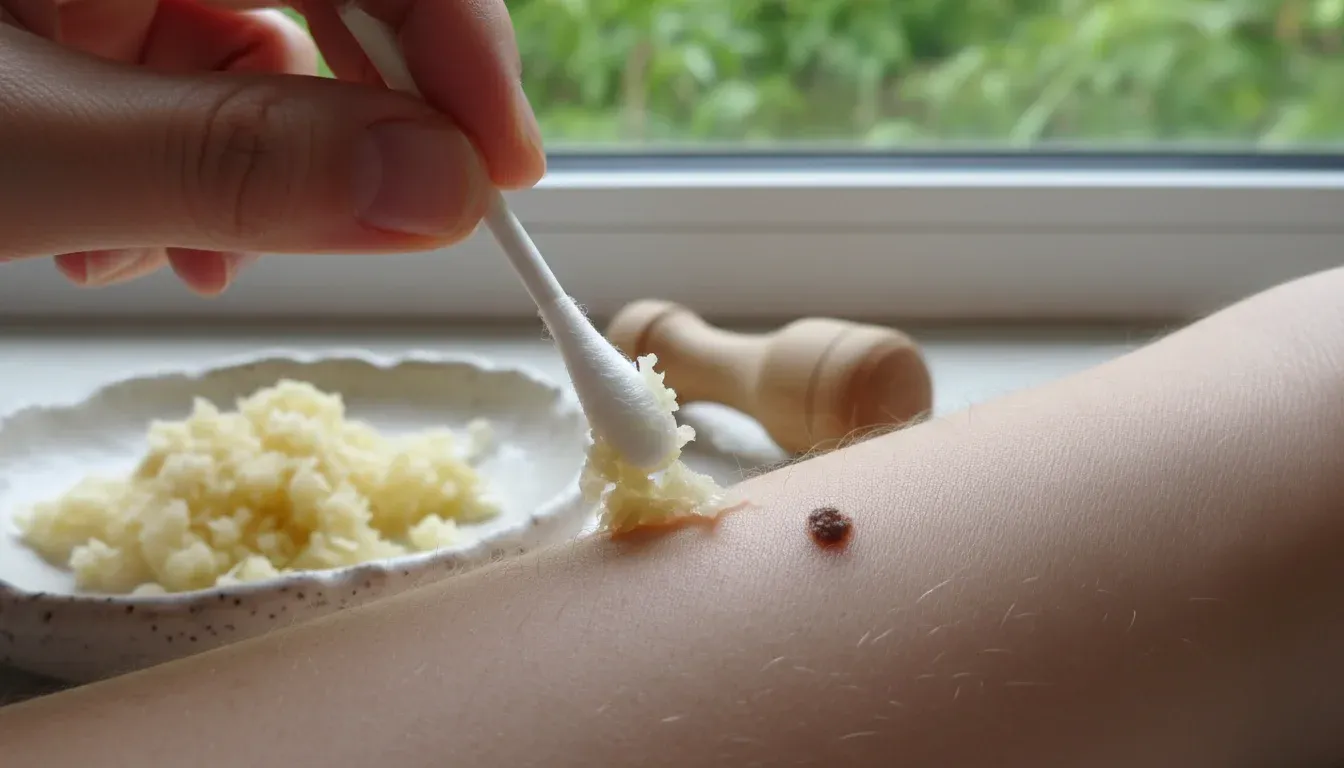
Crush a fresh garlic clove, apply the pulp directly to the mole, and cover it with a bandage. Leave it on for a few hours (not overnight, unless you enjoy chemical burns).
Garlic enzymes can break down pigment clusters, but they’re also aggressive. If your skin starts screaming, stop. This method’s hit-or-miss and can leave marks if you overdo it.
5. Pineapple Juice
Fresh pineapple juice (not the canned stuff with added sugar) contains acids and enzymes that lighten pigmentation.
Dab it on the mole several times a day with a cotton swab. It’s the gentlest option here, which means it’s also the slowest. But if you’ve got sensitive skin or a mole on your face, pineapple’s your safest bet.
6. Hydrogen Peroxide
Apply a small amount of 3% hydrogen peroxide to the mole three or four times a day. It oxidizes the pigment and can gradually lighten darker moles.
This works better on raised moles than flat ones. Be patient. You won’t see results for at least two weeks, maybe longer.
What Won’t Work
Mole removal creams you find online are a gamble. Some contain acids that actually do something (usually scarring). Most are just expensive moisturizer. If it promises "painless mole removal in 3 days," it’s lying.
Also, don’t try to cut, scrape, or burn off a mole yourself. That’s how you end up with an infection, a scar worse than the mole, or both.
When to Stop Messing Around
If the mole changes color, shape, or size while you’re treating it, stop and see a doctor. Same if it starts bleeding or itching out of nowhere. Those are red flags for something more serious than cosmetic annoyance.
And if you’ve been at this for two months with zero progress, accept that home remedies aren’t going to cut it. Surgery’s not that bad. They numb you up, snip it off, maybe give you a stitch or two. Done in ten minutes.