Table of Contents
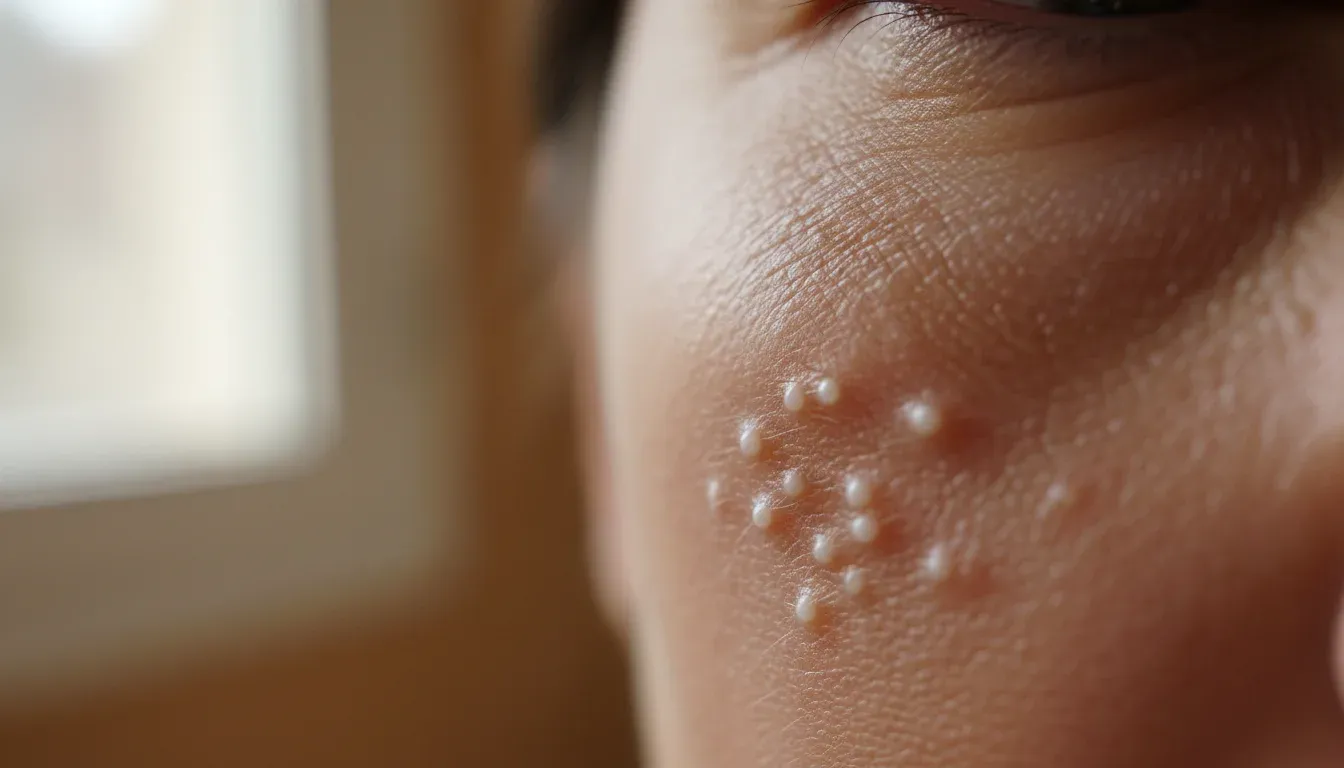
Milia are tiny white bumps that show up on your skin at any age. They’re harmless, just annoying to look at. They happen when dead skin cells get trapped under the surface instead of shedding normally, forming little keratin-filled cysts. Common on noses, cheeks, and around eyes. Babies get them constantly (and they vanish on their own). Adults get them from sun damage, heavy creams, or just because skin decided to be difficult that week.
Most milia resolve without intervention. But if you’re staring at them every morning and getting annoyed, here’s what actually works.
1. Leave It Alone
Milia often disappear by themselves within a few weeks, especially in babies. Your skin’s natural exfoliation process eventually pushes them out. If they’re not bothering you and you’re not in a rush, waiting is valid. No risk of scarring, no products to buy, no dermatologist copay. Just patience. Works best for new milia that just appeared, less reliable for ones that have been camping out on your face for months.
2. Gentle Face Washing
Use a mild, paraben-free cleanser twice daily. Regular cleansing helps remove the dead skin cells and oil that contribute to milia formation. Don’t scrub aggressively. The bumps are under your skin, not on top of it, so scrubbing just irritates everything around them without touching the actual problem. Lukewarm water, gentle circular motions, pat dry. Simple maintenance that prevents new ones while existing ones work their way out. This won’t make milia vanish overnight but it stops the cycle.
3. Steam Treatment
Steam opens pores and softens skin, making it easier for trapped keratin to escape. Boil water, pour into a bowl, lean over it with a towel draped over your head for 5-10 minutes. Your face will turn red and sweaty. That’s fine. The heat loosens everything up. Follow immediately with gentle cleansing while your skin is still soft. Do this 2-3 times per week. Won’t dissolve milia directly but creates better conditions for natural exfoliation. Adds approximately 10 minutes to your routine and makes your bathroom mirror fog up completely.

4. Exfoliating Cleansers
Cleansers with salicylic acid, glycolic acid, or citric acid speed up cell turnover and help prevent dead skin buildup. Use 3-4 times per week (not daily or you’ll dry out your face). Apply to damp skin, leave on for 30-60 seconds, rinse thoroughly. Salicylic acid is oil-soluble so it works well if you have oily skin. Glycolic acid penetrates deeper but can be more irritating. Start with lower concentrations (2% salicylic, 5% glycolic) and work up if your skin tolerates it. Give it 4-6 weeks to see results. Existing milia should gradually flatten as the surrounding skin renews itself.
5. Facial Peels
At-home chemical peels with salicylic or glycolic acid are stronger than daily cleansers. They remove the top layer of dead skin aggressively, encouraging milia to surface faster. Follow package directions exactly because these can burn if misused. Typically you leave them on for 5-10 minutes, not 20 (no matter how tempted you are). Your skin will be red and sensitive afterward. Use once per week maximum. Not appropriate if you have active breakouts or irritated skin. Results appear faster than gentle exfoliation but there’s more risk of overdoing it and ending up with raw, angry skin for three days. Worth it if you’re dealing with multiple stubborn milia and you’re careful.
6. Retinoid Creams
Prescription retinoids (tretinoin) or over-the-counter retinol increase cell turnover dramatically. Apply a pea-sized amount to your entire face at night (not spot-treating, because retinoids work systemically by changing how your skin behaves). Start with 2-3 nights per week to build tolerance. Your skin will get dry, flaky, and potentially irritated for the first month. That’s expected. Push through if it’s tolerable, back off if you’re peeling like a snake. Retinoids prevent new milia by keeping dead cells from accumulating and help existing ones resolve faster by accelerating the skin renewal cycle. Takes 8-12 weeks to see full effect. This is the long game.
7. Oil Cleansing
Use a cleansing oil or straight jojoba oil as a first cleanse to dissolve buildup and soften skin. Massage into dry skin for 2-3 minutes, focusing on areas with milia. Add water to emulsify, then rinse. Follow with your regular gentle cleanser (double cleansing method). The oil breaks down sebum and dead skin that contribute to milia formation. Sounds counterintuitive if you’re worried about clogged pores but cleansing oils are formulated to rinse clean without leaving residue. Useful if you wear heavy makeup or sunscreen daily, since those can contribute to milia. Do this nightly if your skin tolerates it.
8. Clay Masks
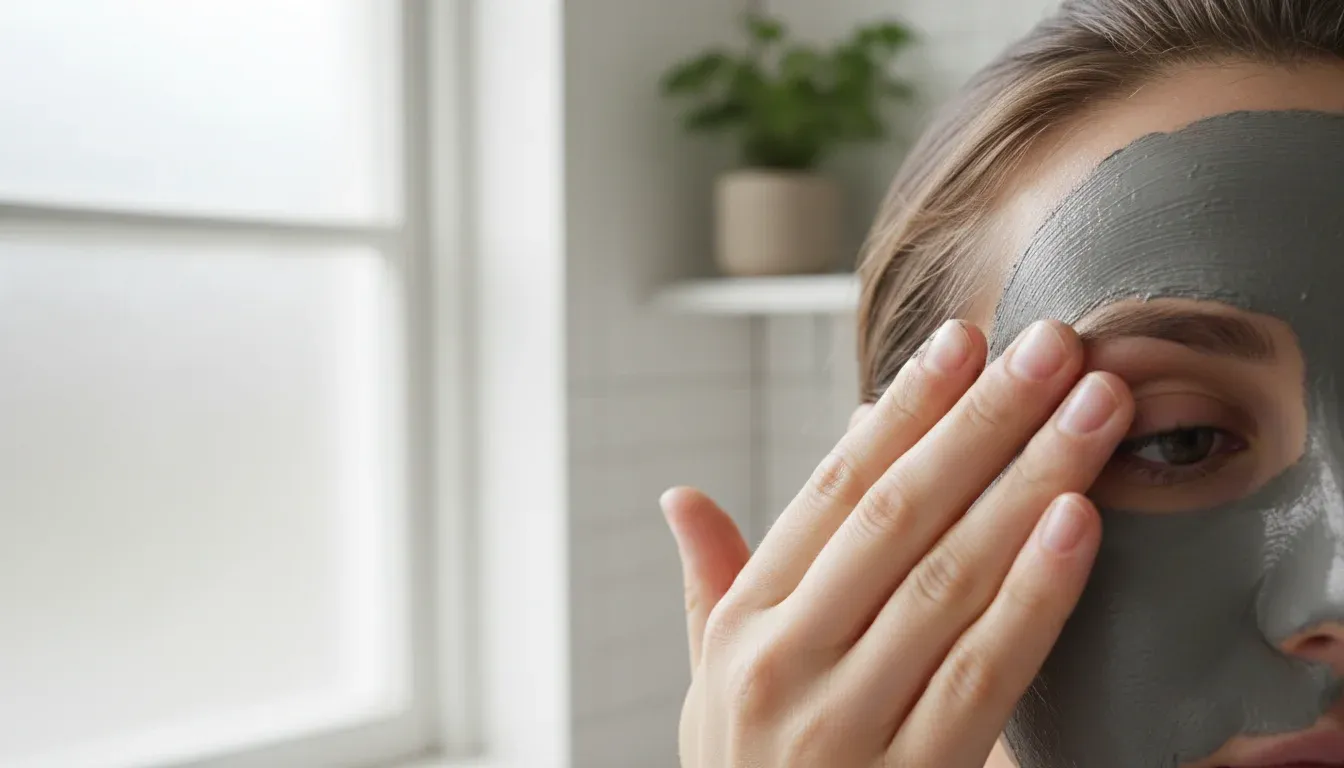
Kaolin or bentonite clay masks draw out impurities and absorb excess oil. Apply a thin layer to clean skin, avoid the eye area (too delicate for clay), leave on until almost dry but not completely cracked (10-15 minutes usually). Rinse with warm water. Your skin will feel tight afterward so follow with moisturizer immediately. Use once or twice per week. Clay masks won’t extract existing milia directly but they help prevent new ones by keeping pores clear and reducing oil buildup. Good maintenance option if you’re prone to them. Cheap, effective, and your face feels weirdly smooth afterward.
9. Sunscreen Protection
Daily SPF 30+ sunscreen prevents sun damage that thickens skin and contributes to milia formation. Sun damage reduces your skin’s ability to shed dead cells efficiently, so they accumulate and form cysts more easily. Use a lightweight, non-comedogenic formula (heavy sunscreens can ironically cause milia by clogging pores). Apply every morning regardless of weather because UV penetrates clouds. Reapply every two hours if you’re outside. This is prevention more than treatment, but if sun damage is contributing to your milia, stopping further damage lets your skin recover and function normally again.
10. Professional Extraction
A dermatologist can extract milia with a sterile needle or blade in about 30 seconds per bump. They create a tiny opening, pop out the keratin pearl, done. Leaves a small red mark that fades within a day or two. This is the only method that removes existing milia immediately instead of waiting for them to resolve naturally. If you have a cluster of milia that won’t budge after weeks of at-home treatment, extraction is faster and safer than trying to do it yourself (which risks scarring and infection). Usually not covered by insurance since it’s cosmetic. Costs vary but expect $75-200 depending on how many you have.