Table of Contents
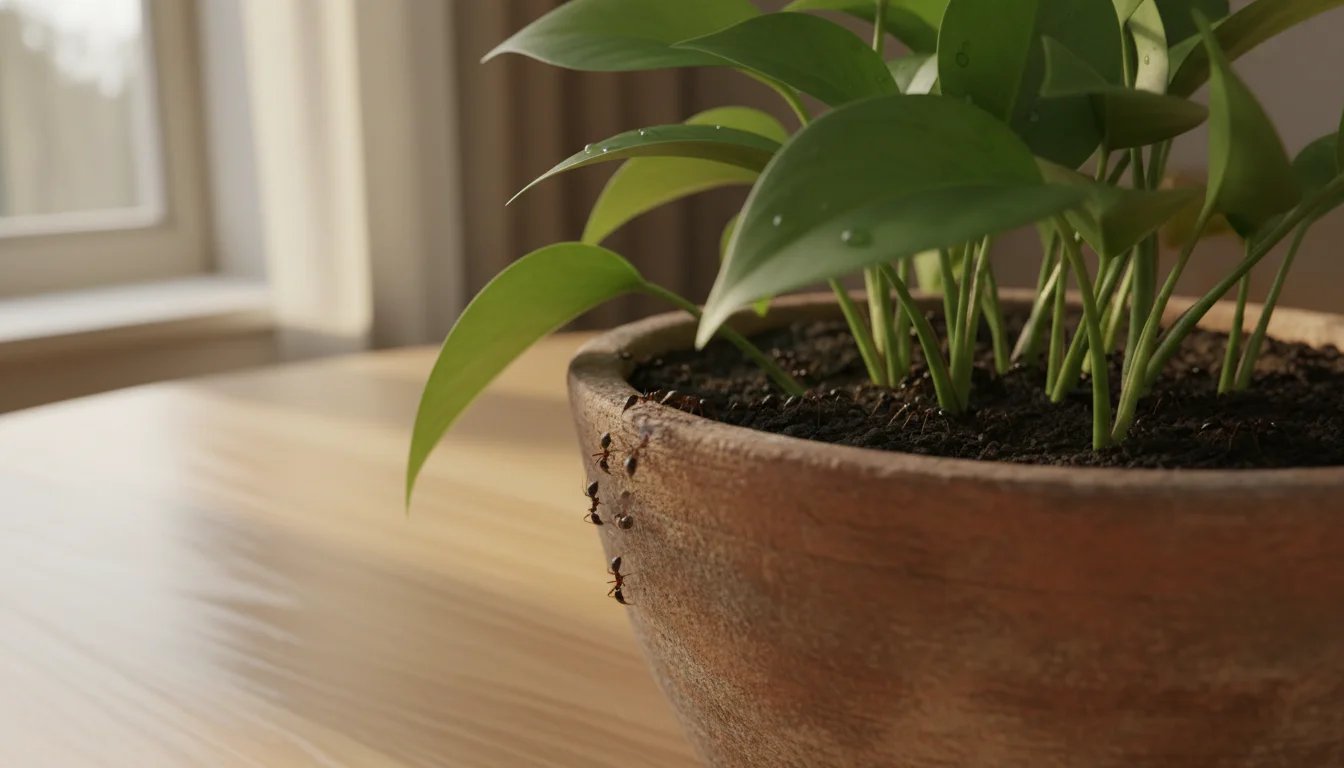
Ants in potted plants are rarely random. In most cases, they’re farming aphids, mealybugs, or scale insects for honeydew – a sugary secretion these pests excrete that ants actively cultivate and protect. Kill the aphid colony and the ants usually leave. But if you’ve got a full colony nesting in the soil itself, you’ll need to deal with both. Container plants are a specific problem: the enclosed root space, consistent moisture, and lack of natural predators make pots easy real estate for ants to colonize. Here’s what actually works for containers specifically.
1. Soak the Pot in Water
The fastest way to evict a nest. Submerge the entire pot in a bucket or tub of water for 45-60 minutes. Ants evacuate to avoid drowning, floating to the surface where you can skim them off. Water level needs to sit at least 1 inch (2.5 cm) above the soil line – anything less and the ants just retreat further down. Most established plants handle temporary submersion fine; don’t do this with drought-adapted succulents. Let the pot drain completely before returning it to its saucer.
2. Repot with Fresh Growing Media
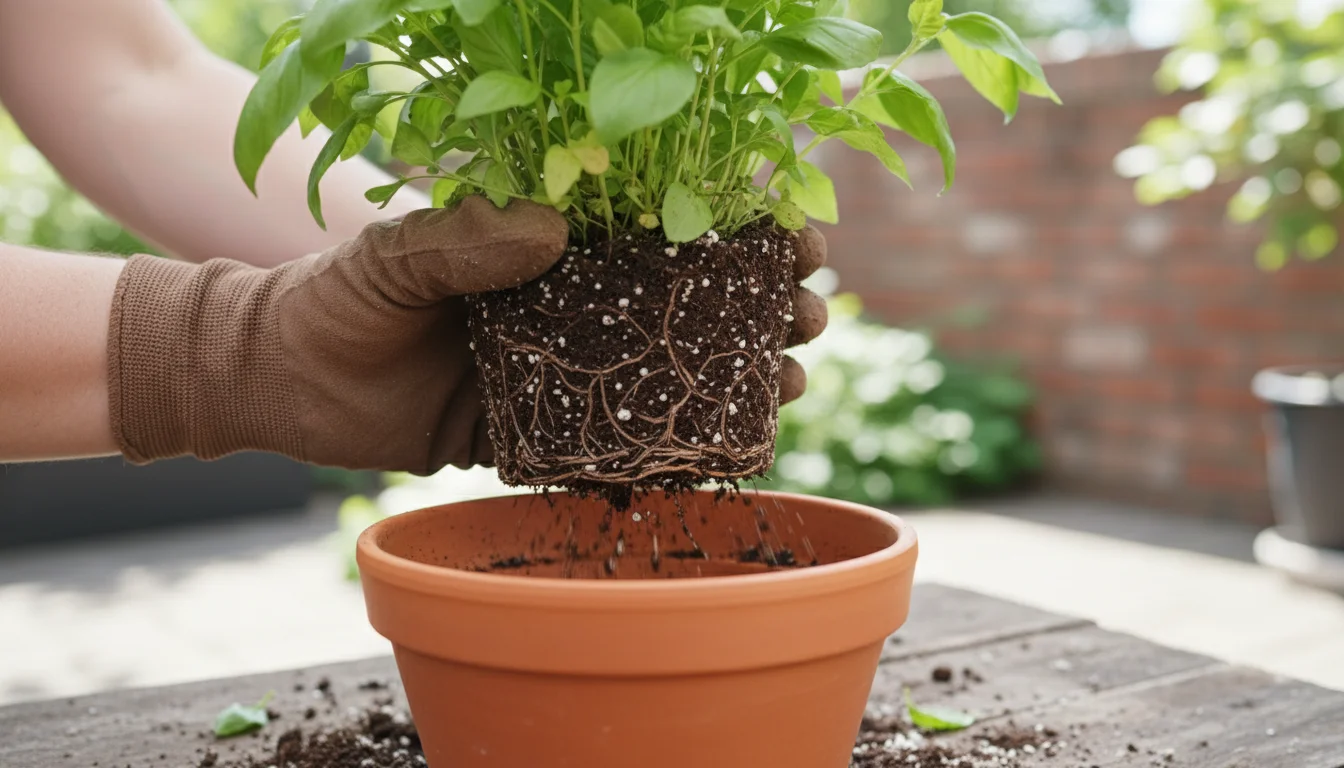
When the soak doesn’t fully clear things out, or when the infestation is severe, repotting is the nuclear option. Remove the plant, shake off as much contaminated soil as you can, and rinse the roots under lukewarm water to dislodge ants, eggs, and larvae. Scrub the pot with dish soap and hot water and let it dry before refilling. Fresh potting mix only – don’t reuse old soil. Any eggs left in recycled mix will hatch and you’re back to square one.
3. Wipe Honeydew from Houseplant Leaves
Before you do anything else to a heavily infested houseplant, check the undersides of leaves for aphids, mealybugs, or scale. If you find them, you’ve found the reason the ants are there. Wipe leaves down with a damp cloth to remove the sticky honeydew residue. Without their food source, ants abandon the plant within days. Skipping this step and just treating the ants gets you nowhere if the aphid colony is still producing.
4. Insecticidal Soap
Wiping honeydew removes what’s already there – insecticidal soap kills the insects making it. Mix 1 tablespoon of pure liquid castile soap with 1 quart (1 L) of water. Don’t use dish soap with degreasers or antibacterial agents; they can damage plant tissue. Spray directly on the pests, coating both tops and undersides of leaves – the soap must physically contact insects to work. Apply in cool, shady conditions to prevent leaf burn. Reapply every 5-7 days to catch newly hatched pests.
5. Use Aphid-Killing Systemic Plant Spikes
For chronic houseplant ant problems tied to recurring aphid infestations, systemic spikes are the low-maintenance fix. Push them into the potting soil per the package directions (dosage is based on pot size). Each time you water, the insecticide dissolves and travels through the plant’s vascular system, killing whatever’s feeding on it from the inside out. Takes 1-2 weeks for full effect. The ants won’t vanish the same day – they hang around until the honeydew supply dries up, then move on.
6. Diatomaceous Earth
Sprinkle a thin ring of food-grade diatomaceous earth around the pot’s base and across the soil surface. The powder’s microscopic sharp edges cut through ants’ exoskeletons, causing them to dehydrate. It’s slow – don’t expect overnight results – but it’s non-toxic and keeps working as long as it stays dry. Reapply after any watering or rain, since wet DE turns into a useless paste. For indoor use on hardwood or tile floors, set the pot on a tray first to contain the powder.
7. Create a Water Moat
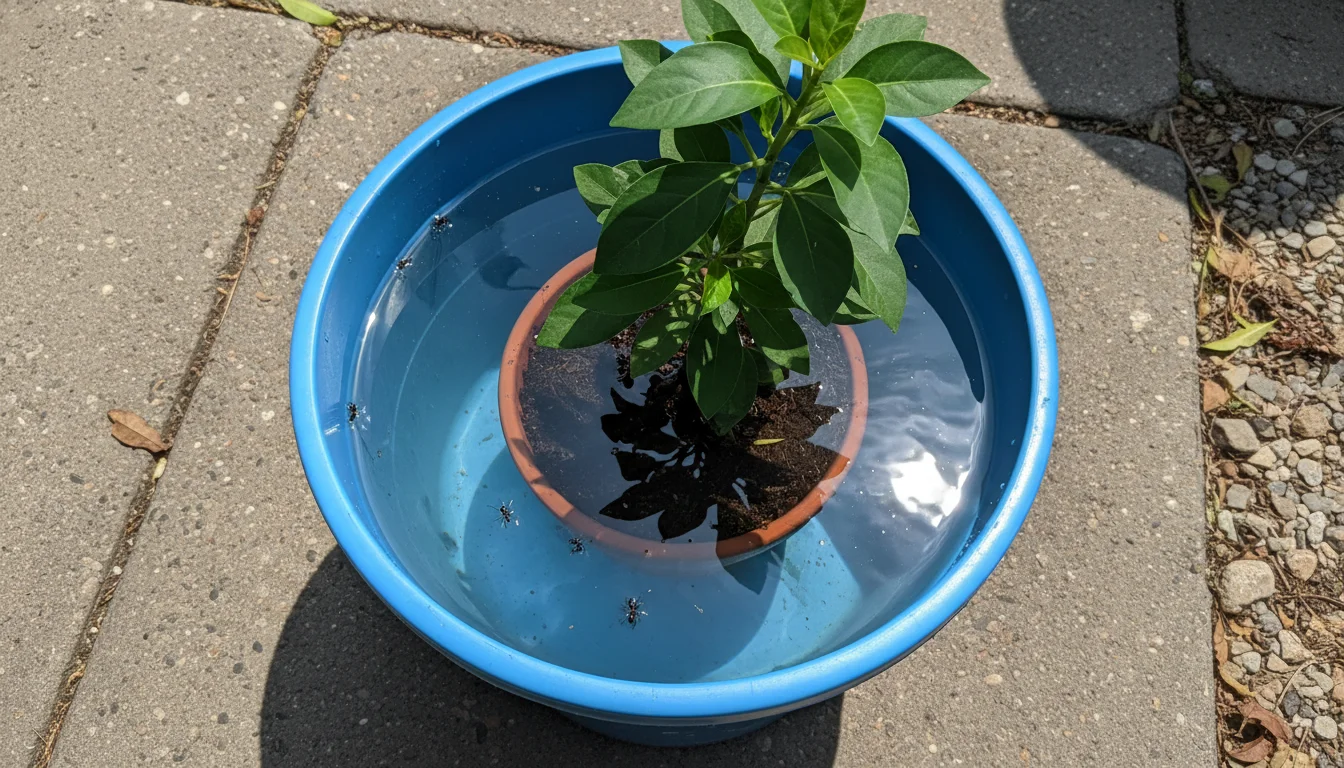
Place the pot inside a wider, shallow dish filled with water. Ants can’t cross the barrier, cutting off access for any colony trying to climb up from outside. Change the water every 2-3 days to prevent mosquito breeding. Works best for small to medium pots where the outer dish stays stable. For indoor plants, a decorative water-filled tray looks intentional rather than defensive.
8. Apply Sticky Barriers
Wrap packing tape sticky-side-out around the pot’s exterior, about 2-3 inches (5-7.5 cm) from the rim. Ants climbing up get stuck. Replace every few days as the tape accumulates dust and loses its grip. For outdoor pots or a longer-lasting version, Tanglefoot or similar commercial tree barrier products applied in a 2-inch (5 cm) band stay tacky for weeks and hold up against weather.
9. Disturb the Soil Surface Regularly
Use a chopstick or small trowel to gently turn the top 1-2 inches (2.5-5 cm) of soil every few days. It disrupts tunnels and discourages nesting. Stir, don’t dig – surface roots are close and easy to damage. The constant disruption makes the pot worth abandoning. This method alone won’t clear an established colony, but it helps when you’re running other treatments.
10. Apply Cinnamon to the Soil Surface
Dust ground cinnamon across the soil and around the pot’s rim. Ants avoid the scent and won’t cross it. Reapply after watering. Cinnamon doesn’t kill existing ants – it deters new ones from colonizing. That makes it a maintenance tool once you’ve cleared the nest, not a first response.
11. Spread Coffee Grounds
Lay used coffee grounds in a thin layer over the soil surface. The acidic scent puts ants off, and the grounds break down into organic matter as they decompose. Replace weekly as the scent fades. Works particularly well for acid-loving container plants like azaleas and blueberries, where the soil pH benefit is a bonus. Keep it thin – piling them up just creates a damp layer that can encourage mold.
12. Inspect New Plants Before Bringing Them Indoors
A single infested plant can spread the problem to your entire indoor collection within weeks. Check the undersides of leaves before purchase – look for specks, sticky residue, or insects that scatter when disturbed. Also check along leaf veins and stem joints. Quarantine new plants for two weeks before placing them near your existing collection, and spray with insecticidal soap as a preventative even if you don’t see anything. Pests are much easier to stop at the door than to eliminate once they’ve spread.
Most ant infestations in pots clear up once you’ve dealt with whatever is attracting them. Soak first, treat the aphid problem if there is one, then set up a passive barrier to stop reinfestation. Repotting is a last resort, but it’s a clean reset when nothing else is working.