Table of Contents
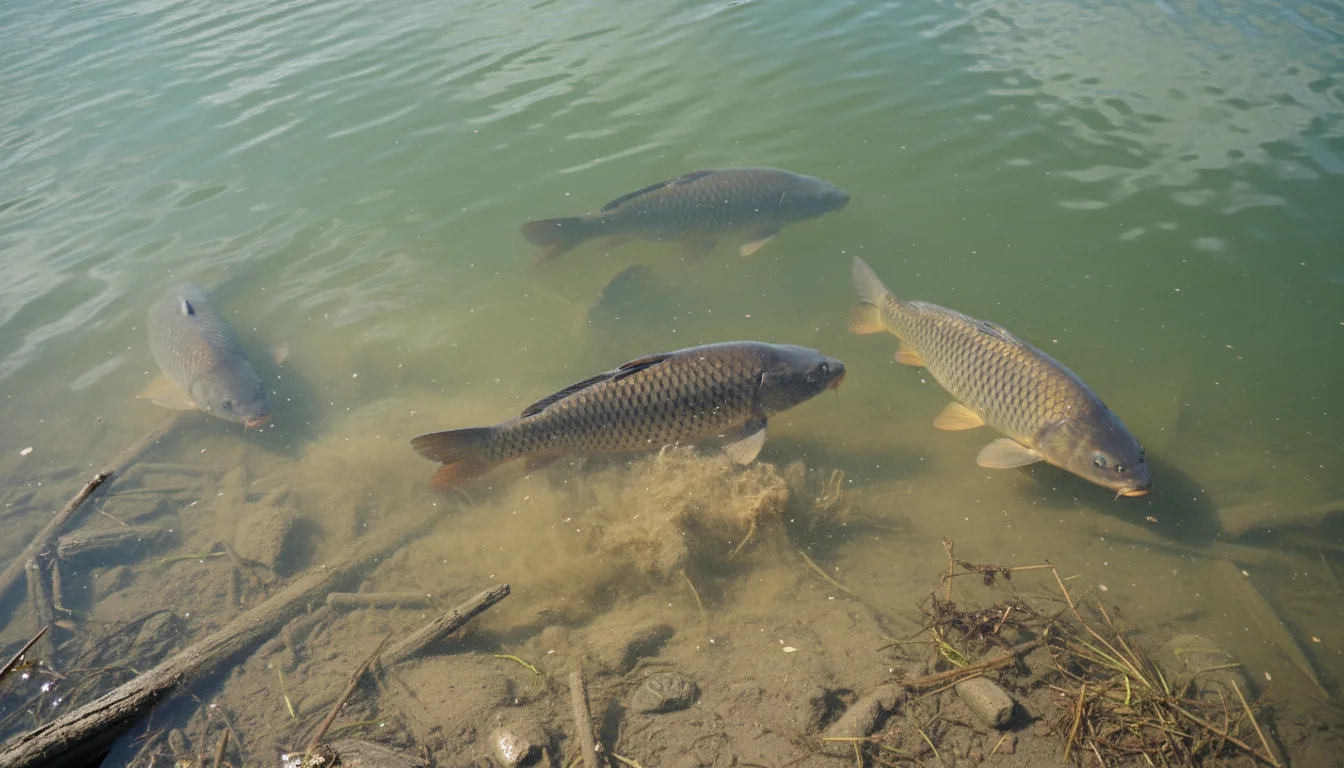
Carp infestations degrade lake ecosystems by uprooting vegetation, increasing turbidity, and outcompeting native fish for resources. These invasive bottom-feeders reproduce rapidly and tolerate poor water conditions that kill other species. Removing established carp populations requires coordinated effort using chemical, mechanical, and biological control methods. This guide covers 13 proven techniques from complete eradication to ongoing population management.
1. Chemical Treatment with Rotenone
Rotenone is a piscicide that targets fish gills while leaving most other aquatic life unharmed. Apply rotenone during warm weather when fish metabolism is highest – typically 68-75°F water temperature. Calculate dosage based on lake volume and target concentration of 0.5-1.0 ppm. Treat the entire water body simultaneously to prevent carp from escaping to untreated areas. Rotenone breaks down naturally in 7-14 days. This method achieves near-complete eradication but requires temporary lake closure and state permits. Restocking with desirable species can begin 30 days post-treatment.
2. Complete Lake Drawdown
Drain the lake entirely during winter months when carp concentrate in deeper areas. Lower water levels over 2-3 weeks to strand fish in isolated pools. The exposed lakebed kills remaining carp through freezing or desiccation. This method works best for impoundments with controllable outlets. Maintain drawdown for at least 60 days to ensure complete mortality. Freezing temperatures improve effectiveness by penetrating deeper into mud where carp might bury. Drawdown also allows vegetation removal and sediment management before refilling. Schedule this during the coldest months to maximize carp kill and minimize impact on desirable species that may have migrated.
3. Electrofishing During Spawning Season
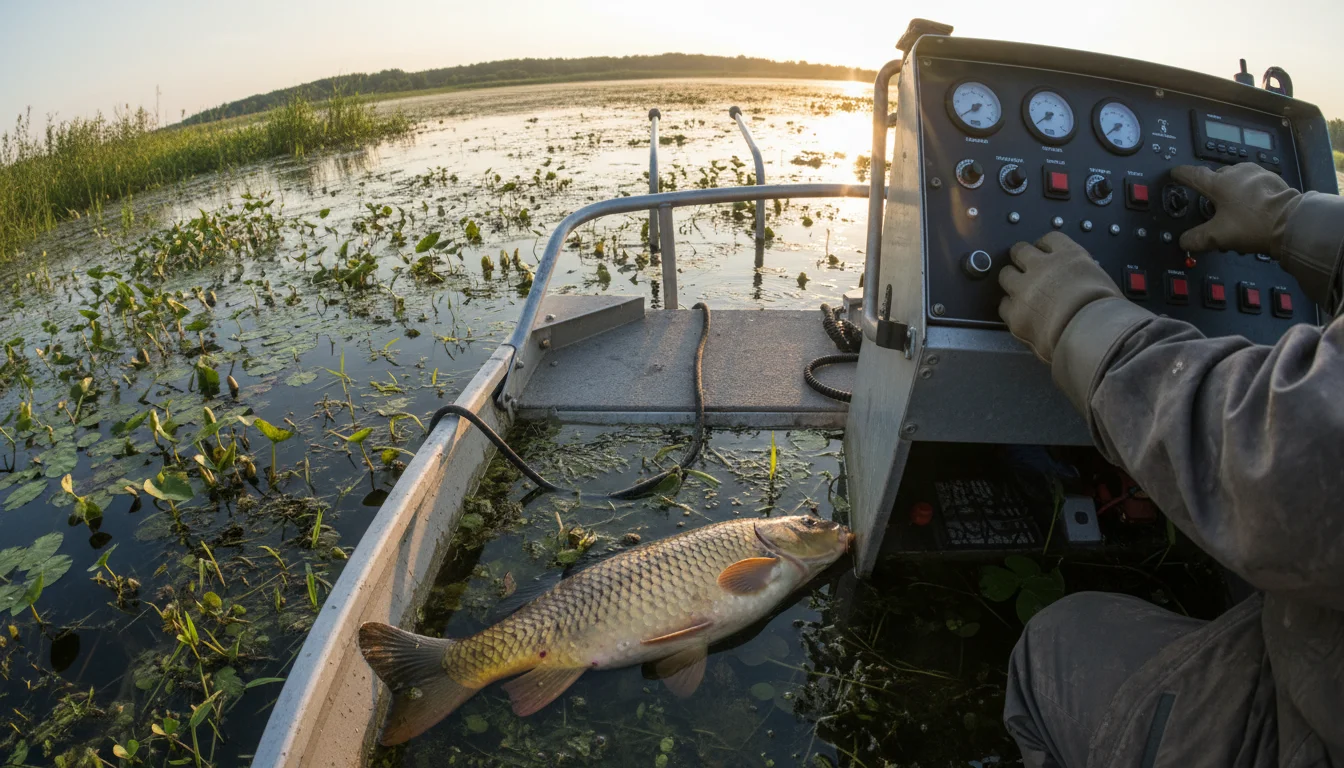
Target carp during May-June spawning when they concentrate in shallow vegetated areas. Use boat-mounted electrofishing equipment generating 3-6 amps DC current. Stunned carp float to the surface where crew members net and remove them. Focus effort on spawning coves, inlet areas, and shallow flats with 1-3 feet depth. Multiple passes over 3-4 weeks capture spawning adults before egg deposition. This method selectively removes breeding adults while leaving other species largely unaffected. Requires specialized equipment and trained operators. Most effective when combined with other methods as follow-up rather than sole control.
4. Seine Netting in Open Water
Deploy seine nets spanning bottom to surface in open areas during warm months. Optimal net dimensions are 200-400 feet long with 2-inch mesh. Two boats pull the net in a wide arc, corralling carp against shoreline or into shallow bays. Net crews haul in captured fish and remove carp while releasing desirable species. Target areas with minimal underwater structure that would snag nets. This method captures large numbers quickly but requires calm conditions and open water. Plan multiple passes as surviving carp learn to avoid nets. Works best in lakes under 100 acres with regular bottom contours.
5. Gill Netting with Large Mesh
Set gill nets with 3-4 inch mesh that targets carp head size while allowing smaller fish to pass. Position nets perpendicular to shoreline in 8-15 feet depth where carp travel. Check nets every 12-24 hours to prevent drowning of non-target species. Set 10-15 nets distributed around the lake for maximum coverage. Gill netting provides ongoing removal rather than one-time eradication. Most effective during spring and fall when carp move actively. Requires commercial fishing license in most states. This method removes adults gradually over multiple seasons while allowing continued lake use.
6. Biocontrol with Largemouth Bass
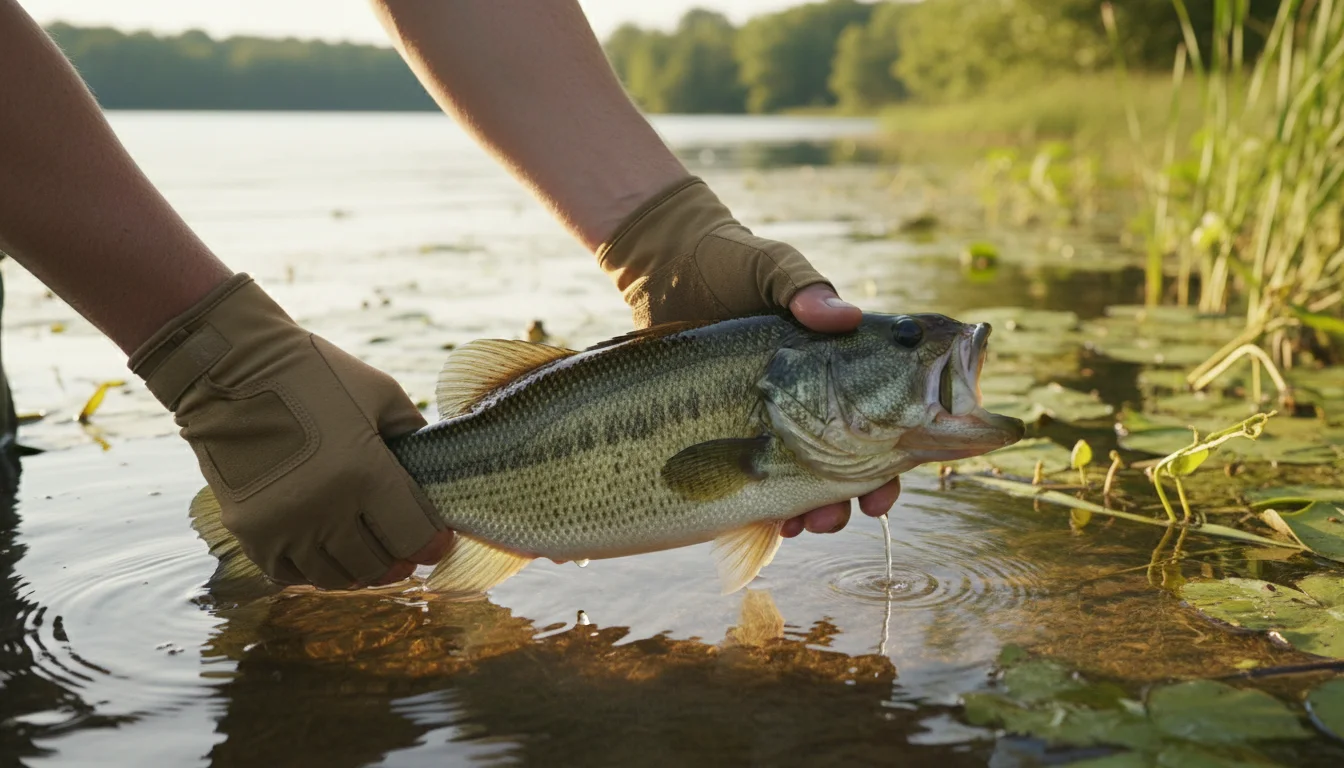
Stock largemouth bass at 50-100 fingerlings per acre to control young-of-year carp. Bass effectively predate carp under 3 inches but cannot control adults. This method prevents recruitment of new carp generations rather than removing existing populations. Establish bass populations 2-3 years before expecting significant carp reduction. Maintain healthy vegetation to provide bass habitat and hunting grounds. Feed bass with supplemental baitfish if natural forage is limited. This approach works best in combination with initial adult removal through other methods, then maintains long-term control of juvenile carp.
7. Biocontrol with Tiger Muskies
Introduce tiger muskies at 2-5 fish per acre to target carp up to 12 inches. These sterile hybrids of muskie and northern pike are aggressive predators that consume their body weight in prey weekly. Tiger muskies grow to 30-40 pounds and can handle carp up to one-third their length. Stock 10-15 inch fingerlings in spring for best survival. Supplement annually since these fish don’t reproduce. This method provides ongoing control of small-to-medium carp while serving as trophy sportfish. Combine with other methods to remove large breeding adults that exceed muskie predation capability.
8. Combined Drawdown and Rotenone Treatment
Lower lake level to 30-40% of normal volume, concentrating carp in remaining pools. Apply rotenone at standard rates to the reduced water volume, decreasing chemical costs by 60-70%. The concentrated carp population means higher contact with piscicide. Maintain low water for 14 days while rotenone degrades. Refill lake after treatment completion and detoxification confirmation. This combination achieves complete eradication at lower cost than full-volume treatment. Schedule during fall or winter when water temperatures slow rotenone breakdown, extending effectiveness. Requires controllable water level and temporary lake closure.
9. Annual Mechanical Harvest Program
Implement ongoing removal using commercial fishing techniques on a scheduled basis. Contract with commercial fishermen to remove 5,000-10,000 pounds of carp annually. Use combination of trap nets, gill nets, and seining rotated through different lake zones. Harvest primarily during April-June and September-October when carp are most active. This maintains carp population at manageable levels rather than complete elimination. Costs $2-5 per pound removed but allows continued lake use. Most feasible for municipalities or lake associations with dedicated funding. Prevents population explosion while preserving lake recreation.
10. Bow Fishing Tournament Program
Organize regular bow fishing events targeting carp during shallow-water periods. Schedule tournaments May-July when carp enter 1-4 foot depths during spawning. Typical events remove 200-500 pounds per tournament day. Offer prizes for largest fish and total weight to maximize participation. Night tournaments using lights are particularly effective. This method engages the sporting community in population control while providing recreation. Establish minimum size limits (15+ inches) to prevent targeting of non-carp species. Annual tournament series can remove 2,000-3,000 pounds at minimal cost while building community involvement.
11. Commercial Harvesting and Processing Programs
Partner with commercial fishing operations that process carp for fertilizer, pet food, or Asian food markets. Establish year-round harvesting contracts targeting 20,000+ pounds annually. Commercial operators use boats, nets, and holding facilities for live transport. Payment ranges from $0.20-0.60 per pound depending on market demand and fish size. This method converts a nuisance species into an economic resource. Most viable for lakes over 200 acres with established access points for commercial equipment. Requires state commercial fishing licenses and water body permits. Creates ongoing revenue stream while controlling population.
12. Exclusion Barriers and Bubble Curtains
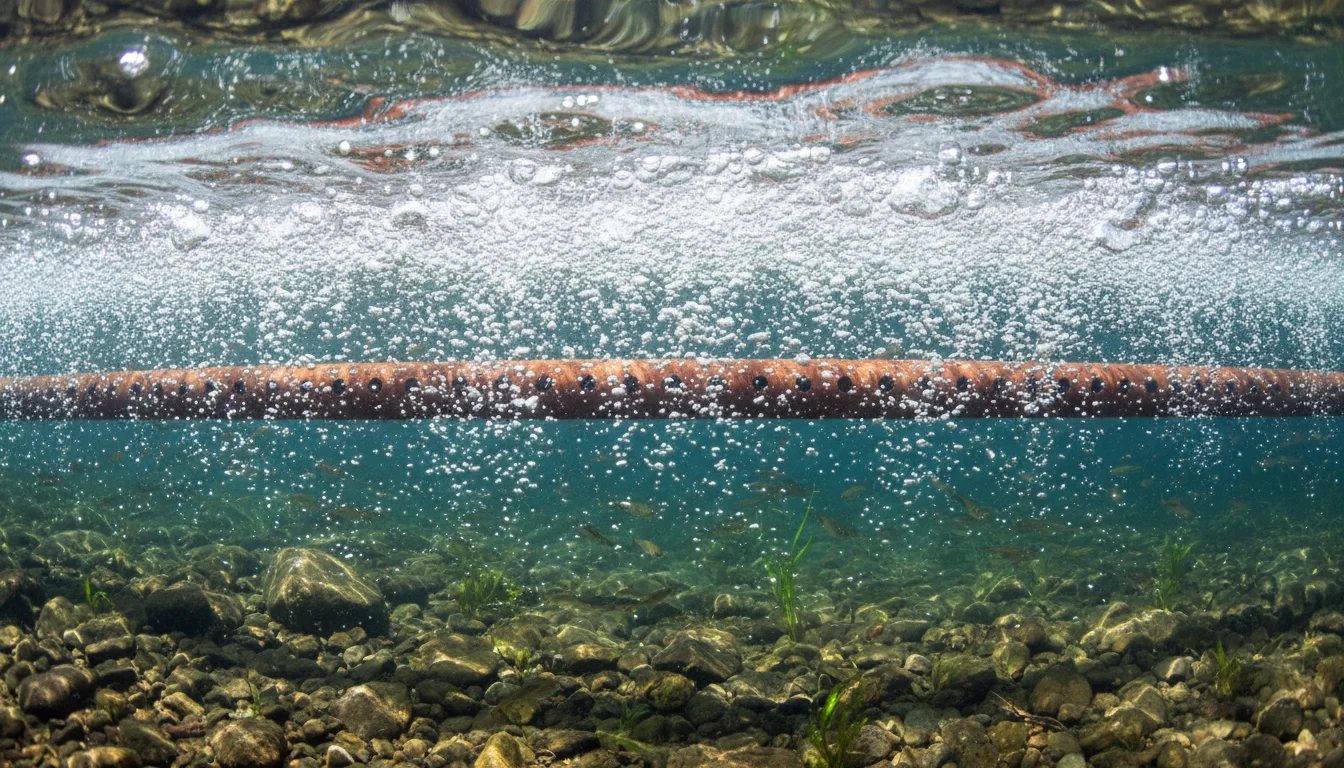
Install bubble curtains or acoustic barriers at creek inlets during spawning season to prevent carp from accessing preferred spawning areas. Bubble systems use perforated pipes releasing compressed air, creating a barrier carp avoid. Position barriers at inlet creeks, canals, or shallow bays where carp typically spawn. Operate systems from April through June during peak spawning activity. This prevents reproduction without removing existing fish. Barriers require electricity or compressed air supply and regular maintenance. Most effective in lakes with identifiable spawning tributaries. Combine with removal methods to prevent reproduction while reducing adult population.
13. Strategic Water Level Manipulation
Manipulate water levels to strand carp eggs on exposed shorelines after spawning. Carp spawn in shallow vegetation during rising water periods. Drop water level 12-18 inches within 72 hours after spawning activity is observed. Eggs deposited on vegetation die from exposure or desiccation. Repeat this cycle during each spawning pulse from late April through June. This method requires controllable water level and monitoring of spawning activity. Prevents recruitment of new year classes without chemical or mechanical removal. Less effective than adult removal but reduces population growth when repeated annually for 3-5 years.
Effective carp control requires matching methods to your lake size, budget, and management goals. Chemical treatment or complete drawdown offers one-time eradication for small-to-medium lakes with controllable water. Mechanical harvesting and biocontrol provide ongoing management for larger water bodies or those requiring continuous public access. Combining multiple approaches – such as initial adult removal followed by biocontrol and spawning prevention – delivers the most sustainable long-term results. Start with the most aggressive approach your budget and regulations allow, then maintain control with less intensive methods.