Table of Contents
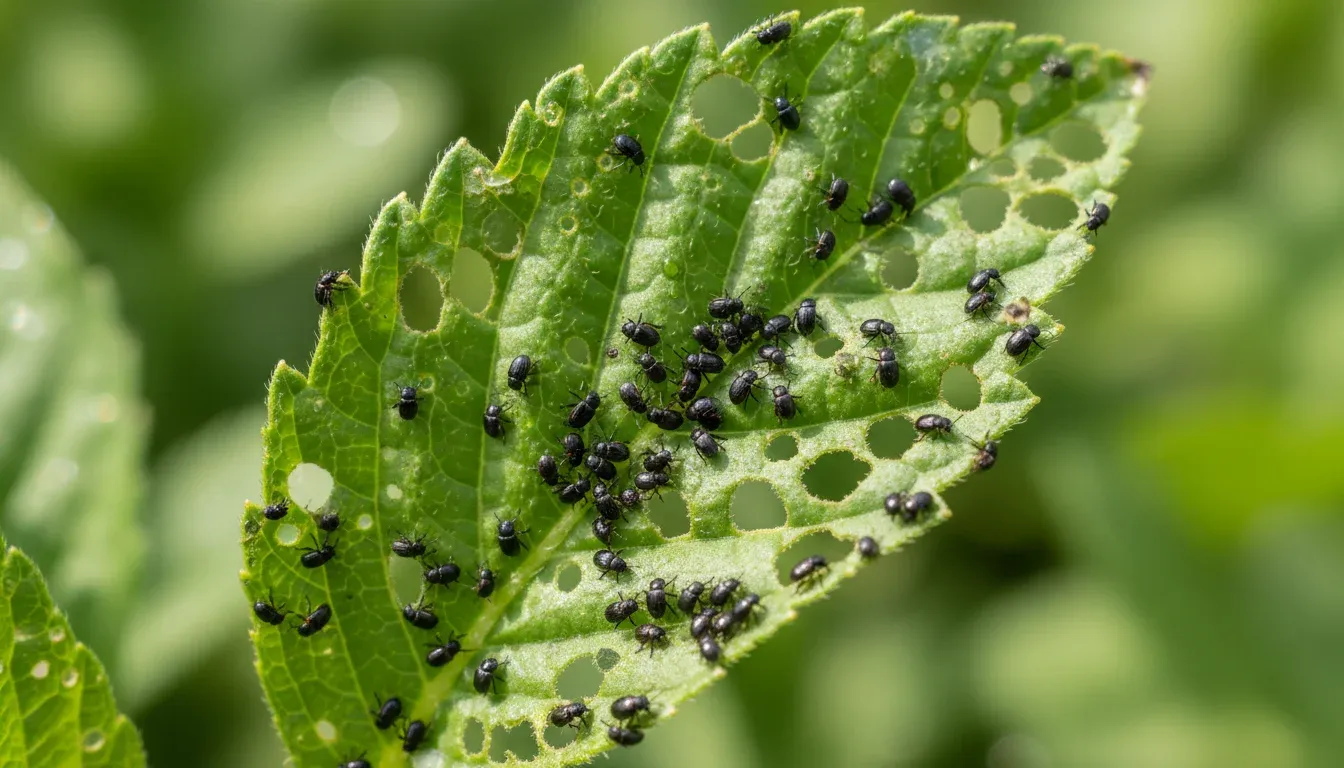
Flea beetles are small, jumping insects that chew tiny holes in plant leaves, creating a characteristic "shothole" appearance. These pests are particularly damaging to young seedlings and can destroy entire crops if left unchecked. Brassicas like cabbage and radishes, along with eggplants, tomatoes, and potatoes, are favorite targets. The beetles overwinter in garden debris and emerge in spring to feed and lay eggs in the soil. Their larvae feed on plant roots, compounding the damage. Getting rid of flea beetles requires a combination of physical barriers, organic treatments, and cultural practices. This guide covers proven methods to protect your plants and eliminate these destructive pests from your garden.
1. Use Floating Row Covers
Physical barriers are the most reliable defense against flea beetles. Install lightweight floating row covers over susceptible plants immediately after planting or transplanting. Secure the edges with soil, rocks, or landscape pins to prevent beetles from crawling underneath. Row covers allow light, water, and air to reach plants while blocking adult beetles. Remove covers once plants begin flowering if they require pollination. This method is especially effective for protecting young seedlings during their most vulnerable stage. Reusable row covers can be stored and used season after season.
2. Apply Diatomaceous Earth
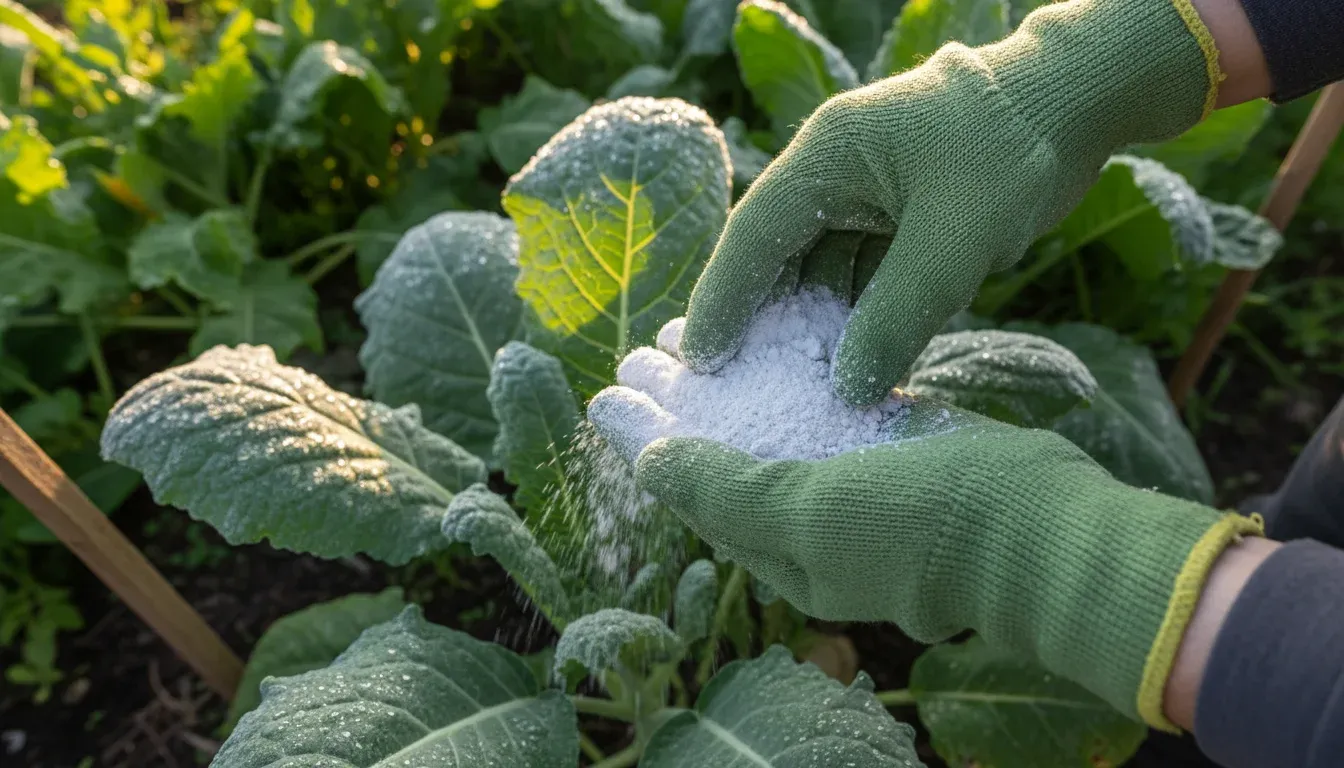
Food-grade diatomaceous earth creates a physical barrier that damages the beetles’ exoskeletons. Dust plants lightly in the early morning when dew helps the powder stick to leaves. Focus on the undersides of leaves where beetles often hide. Reapply after rain or heavy watering, as moisture reduces effectiveness. Wear a mask when applying to avoid inhaling the fine powder. This method works on contact and leaves no chemical residue. Diatomaceous earth also helps control other soft-bodied garden pests.
3. Spray Neem Oil Solution
Neem oil disrupts the beetles’ feeding and reproductive cycles while being safe for beneficial insects when used properly. Mix neem oil according to package directions, typically 2 tablespoons per gallon of water with a few drops of dish soap as an emulsifier. Spray thoroughly, coating all leaf surfaces in the early morning or late evening to avoid leaf burn. Repeat applications every 7-14 days throughout the growing season. Neem oil also controls larvae in the soil when used as a soil drench. Store unused solution in a cool, dark place.
4. Deploy Sticky Traps
Yellow or white sticky traps attract adult flea beetles and reduce their populations. Place traps at plant height around the perimeter of affected areas. The beetles are drawn to the bright colors and become stuck on the adhesive surface. Replace traps when they’re covered with insects or debris. This method is best used as part of an integrated approach rather than a standalone solution. Sticky traps also help monitor beetle activity so you can time other interventions effectively.
5. Plant Trap Crops
Grow highly attractive plants like radishes, mustard greens, or Chinese cabbage at the edges of your garden to lure flea beetles away from your main crops. Once the trap crops are infested, you can remove and destroy them along with the concentrated beetle population. Plant trap crops 2-3 weeks before your main crops to ensure they’re established and attractive when beetles emerge. This sacrificial approach protects more valuable plantings. Dispose of infested trap crops in sealed bags, not in compost where beetles could survive.
6. Practice Crop Rotation
Flea beetles overwinter in soil near their previous year’s host plants. Moving susceptible crops to different areas of your garden each year disrupts their life cycle. Wait at least 3 years before planting the same crop family in the same location. This prevents larvae from easily finding host plants when they emerge. Combine rotation with fall cleanup to remove overwintering sites. Keep records of what was planted where to plan effective rotations.
7. Remove Garden Debris
Clean up plant residue, weeds, and mulch in fall to eliminate flea beetle overwintering sites. Till the soil in late fall to expose larvae and pupae to cold temperatures and predators. Remove weeds from the nightshade and brassica families that serve as alternate hosts. Compost only healthy plant material, never diseased or infested debris. A clean garden in spring gives beetles fewer places to emerge and less to feed on early in the season.
Controlling flea beetles requires persistence and a multi-method approach. Start with physical barriers like row covers for immediate protection, then layer in organic treatments and cultural practices for long-term management. Monitor your plants regularly so you can respond quickly when beetles appear. By combining these methods and maintaining garden cleanliness, you’ll significantly reduce flea beetle damage and protect your crops throughout the growing season.