Table of Contents
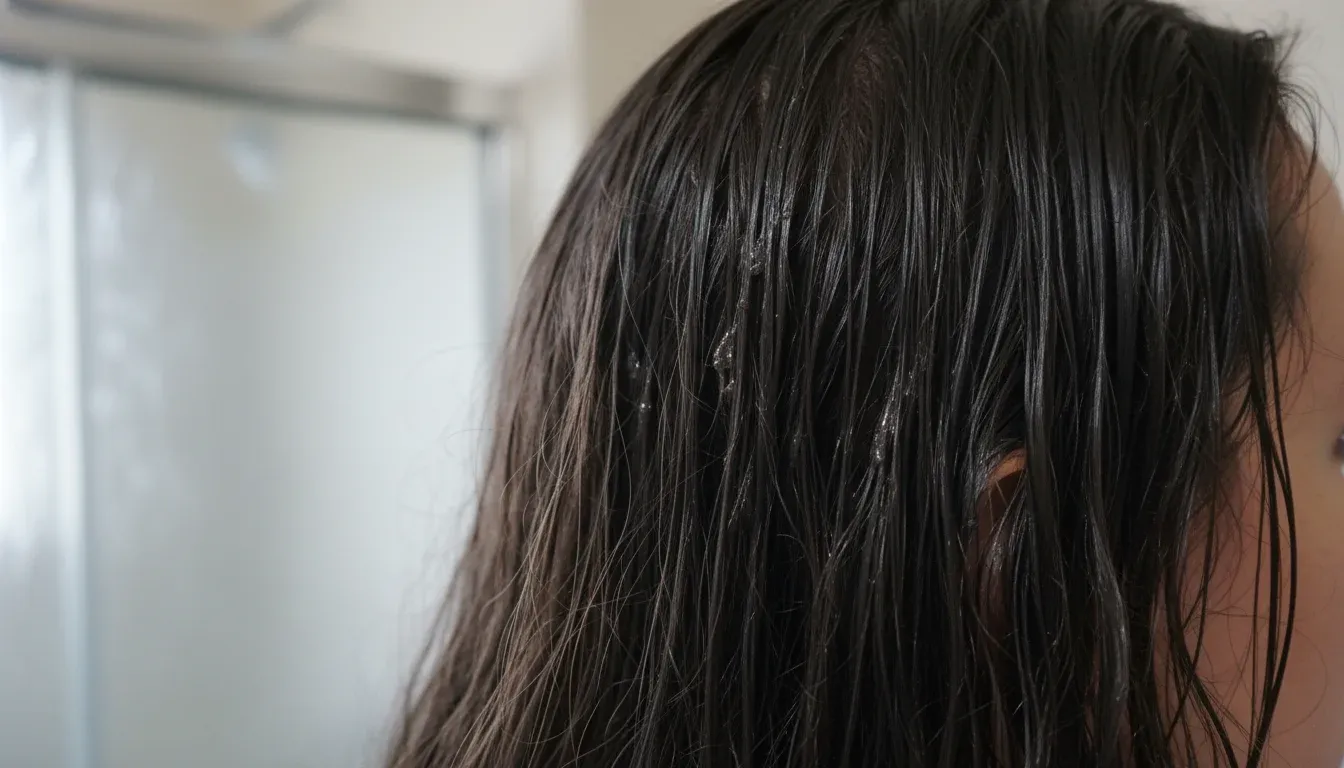
Greasy hair happens when your scalp produces too much sebum, which is your skin’s natural oil. Some people just produce more of it. Others trigger excess production by overwashing, using the wrong products, or touching their hair constantly. Either way, you end up looking like you haven’t showered in three days by lunchtime.
The fix isn’t complicated. You need to reset your scalp’s oil production, use products that actually work for oily hair, and break the habits that make it worse.
1. Switch to a clarifying shampoo
Your regular shampoo probably isn’t cutting through the oil. Clarifying shampoos are designed to strip buildup and excess sebum without leaving residue behind. Look for formulas labeled "oil-free" or "for oily hair" and avoid anything that says "moisturizing" or "for dry hair."
Use it 2-3 times per week. More than that and you’ll strip your scalp so aggressively it overcompensates by producing even more oil. On off days, rinse with water only or use a very light shampoo.
Focus the product on your scalp, not your ends. Your roots are where the oil comes from. Your ends don’t need the same aggressive treatment.
2. Rinse with apple cider vinegar
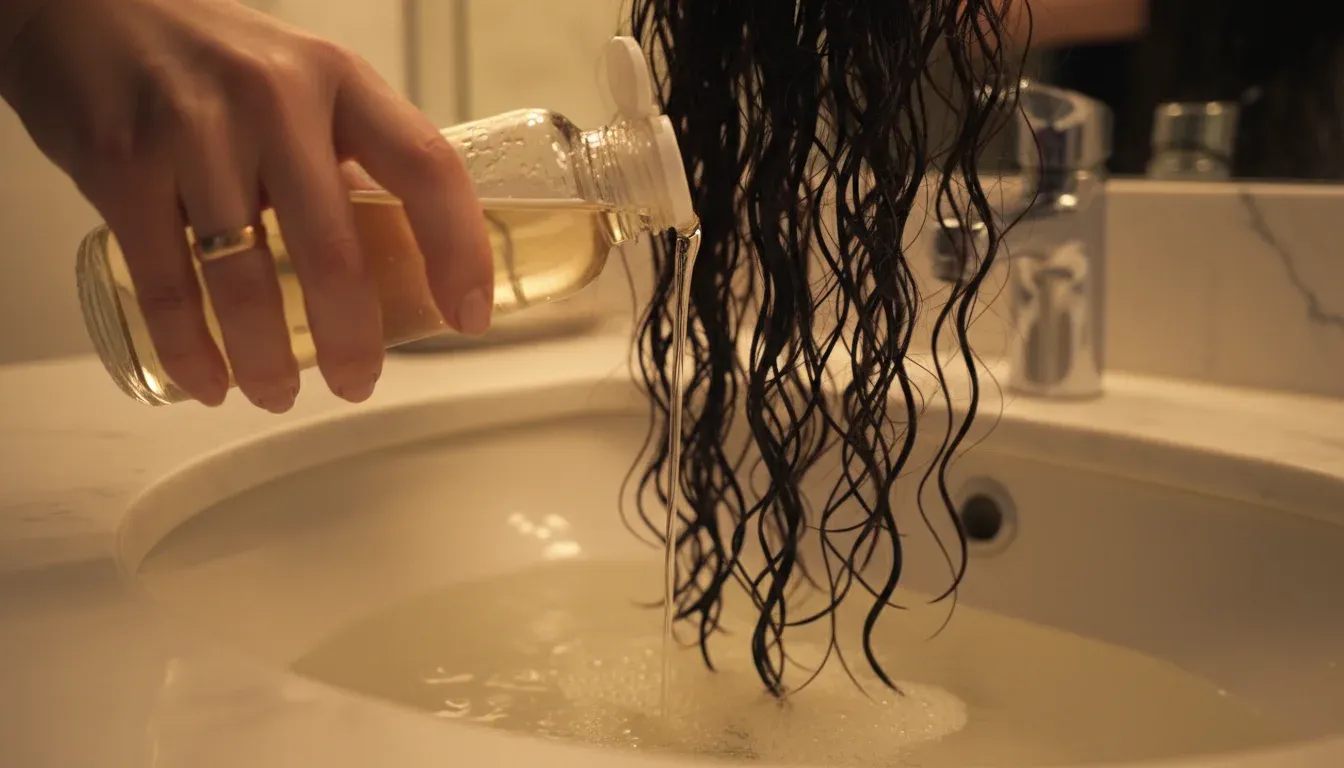
Apple cider vinegar balances your scalp’s pH and cuts through oil buildup that regular shampoo misses. Mix one part vinegar with two parts water in a bottle. After shampooing, pour it over your scalp and let it sit for 2-3 minutes, then rinse thoroughly with cool water.
The smell disappears once your hair dries. If it bothers you anyway, add a few drops of essential oil to the mix.
Do this once or twice a week, not daily. Too much acid will dry out your scalp, which circles back to the overproduction problem.
3. Use dry shampoo strategically
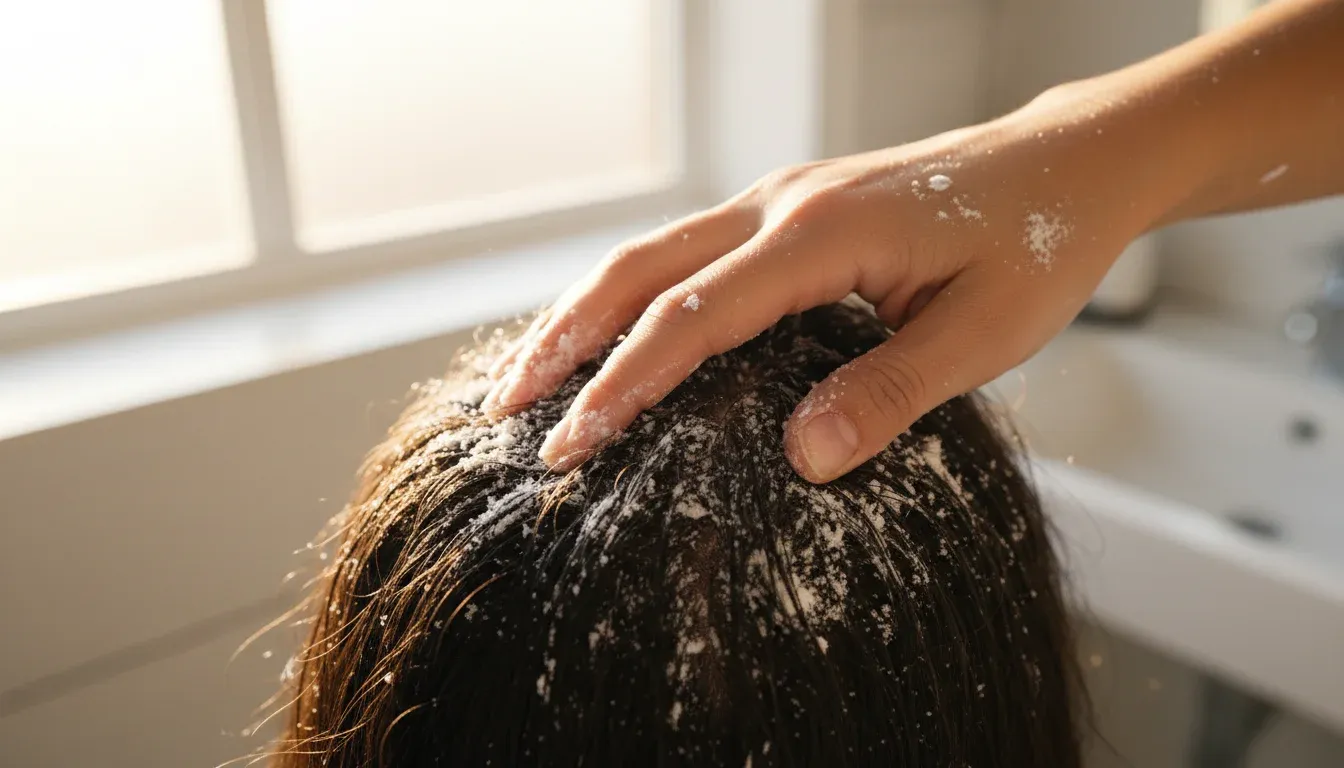
Dry shampoo absorbs oil between washes, but most people use it wrong. Apply it before bed, not in the morning. Your scalp produces the most oil while you sleep, so the powder has all night to soak it up instead of sitting on top of already-greasy hair.
Spray it on your roots in sections, then massage it into your scalp with your fingers. Don’t just blast your whole head and hope for the best.
If you’re using dry shampoo every single day, you’re covering up the problem instead of fixing it. Use it as a buffer while you retrain your scalp, not as a permanent solution.
4. Apply a baking soda paste to your scalp
Baking soda is mildly abrasive and alkaline, which helps break down excess oil and product buildup. Mix 2-3 tablespoons with enough water to form a thick paste. Apply it directly to your scalp (not your hair), massage for 2-3 minutes, then rinse thoroughly.
This works best as a weekly reset, not a daily routine. Overuse disrupts your scalp’s natural pH balance.
Skip conditioner after using baking soda. Your hair won’t need it, and adding conditioner defeats the purpose.
5. Stop overwashing your hair
Washing your hair every day trains your scalp to produce more oil because it thinks it’s constantly under attack. Cut back to every other day, then every two days if you can manage it. The first week will be rough. Your hair will look terrible. Push through.
Your scalp will adjust within 2-3 weeks and start producing less oil overall. That’s when you’ll actually fix the problem instead of just managing symptoms.
When you do wash, use lukewarm or cool water. Hot water stimulates your sebaceous glands to produce more oil.
6. Keep your hands off your hair
Every time you touch your hair, you transfer oil from your fingers to your strands. You also stimulate your scalp, which can trigger more oil production. Stop running your hands through it, twirling it, or tucking it behind your ears constantly.
If you need to tie it back, use a clean hair tie. Dirty accessories transfer old oil and product back onto fresh hair.
Also wash your pillowcase weekly. You’re sleeping on accumulated oil, dead skin, and hair product for 8 hours every night.
7. Use lightweight or skip conditioner entirely
Conditioner is designed to add moisture and weight, which is the opposite of what oily hair needs. If you use it, apply only to the bottom third of your hair, nowhere near your scalp.
Better option: skip it completely for a few weeks and see what happens. Your natural oils are already conditioning your hair from root to tip. Adding more is overkill.
If your ends feel dry, use a tiny amount of argan oil or a leave-in treatment on just the tips after your hair is completely dry.
8. Try an egg white mask
Egg whites absorb excess oil and tighten your scalp temporarily, giving you a break from the grease. Separate 2-3 egg whites (yolks add oil, don’t use them), whisk them until frothy, then apply to your scalp and roots. Leave for 15-20 minutes, rinse with cool water (hot water will cook the egg), then shampoo normally.
Do this once a week max. It’s a temporary fix, not a daily solution.
The smell is unpleasant. Deal with it or use something else.
9. Rinse with lemon juice
Lemon juice is acidic and astringent, which helps control oil production and removes buildup. Mix the juice of one lemon with two cups of water. After shampooing, pour it over your scalp as a final rinse.
Don’t leave it on too long or use it more than twice a week. Too much acid damages your hair and scalp over time.
This also slightly lightens your hair if you have blonde or light brown shades, so factor that in.
10. Check your diet and stress levels
Greasy hair isn’t always just about what you put on your head. High-fat diets, hormonal fluctuations, and chronic stress all increase oil production. If you’ve tried everything topical and nothing’s working, look at what’s going on internally.
Drink more water. Cut back on fried foods and dairy. Manage your stress however works for you.
This won’t fix it overnight, but it makes a difference over weeks and months.