Table of Contents
1. Dealing with Bedbugs
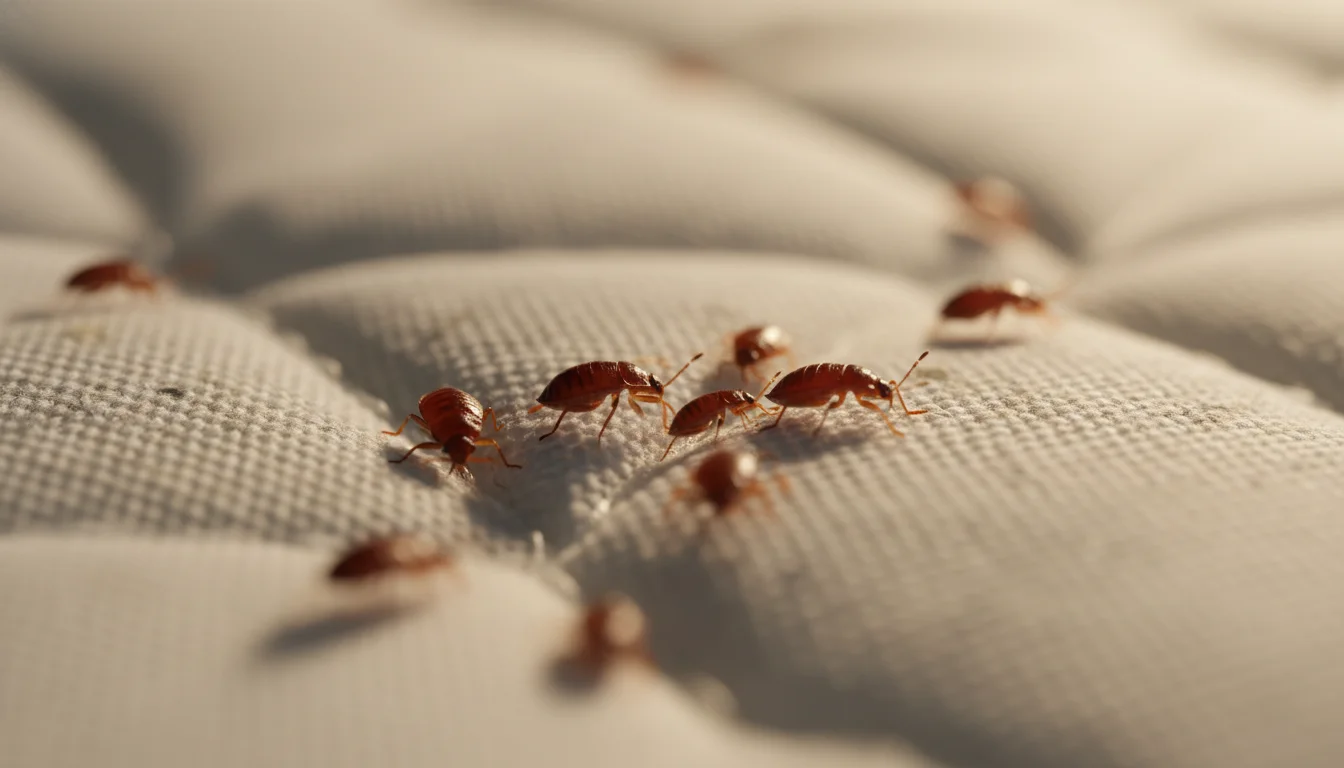
Bedbugs are hitchhikers who feed on you while you sleep. They travel home in your luggage from hotels, hide in secondhand furniture, and infest apartments through shared walls. The bites itch like hell and leave welts. Some people have allergic reactions. And the psychological aspect of knowing bugs are feeding on you at night is worse than the bites themselves.
Getting rid of them takes effort. Not backbreaking effort, but sustained effort over three weeks minimum. They’re hardy, they hide everywhere, and their eggs survive most casual attempts to kill them. But it’s absolutely doable if you commit to the process.
2. Monitors and Traps for Early Detection
Before you see bites or bugs, interceptor traps can catch an infestation early. These are plastic dishes that go under bed legs – bedbugs climb up the outer wall, fall into the inner well, and can’t climb back out. Check them weekly. If you spot bugs, you know you’ve got a problem before it spreads throughout the room.
Chemical lure traps emit CO2 or heat to mimic a sleeping person. Bedbugs are drawn to them, get stuck on adhesive surfaces, and die. These work best for monitoring rather than elimination (they won’t solve an active infestation on their own), but they’re useful for confirming you’ve cleared an area after treatment.
Place traps near beds, couches, and other furniture where people sleep or rest for long periods. In apartments, put them along walls shared with neighboring units. Catching migrants early prevents reestablishment after you’ve done the hard work of clearing your space.
3. Strip the Room and Seal Entry Points
Remove everything that gives bedbugs places to hide. Area rugs, piles of clothes, stuffed animals, clutter under the bed. You’re not just tidying – you’re eliminating hiding spots and isolating infested items for treatment.
Bag fabric items immediately in heavy-duty plastic trash bags. Seal them tight. Don’t leave them sitting in another room or you’re just relocating the problem. These bags go straight to the laundry or into treatment (freezer for 4+ days at 0°F works, or leave sealed bags in a hot car in summer for 2-3 days if interior temps hit 120°F+).
Take down wall hangings. Bedbugs hide behind picture frames, clocks, and posters during the day. The room needs to be as bare as possible before treatment starts.
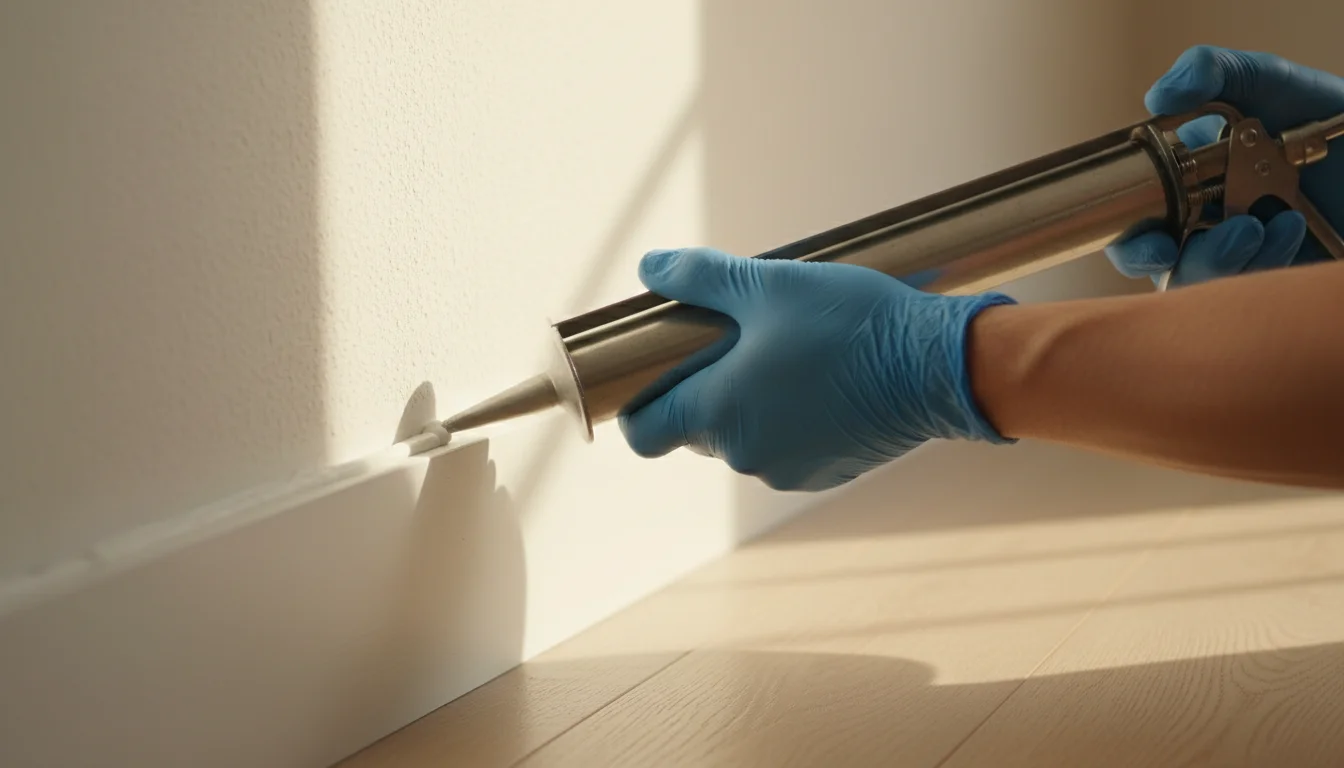
Seal cracks around baseboards, outlet covers, and door frames with caulk. Check window seals. If you’re in an apartment or condo, bedbugs migrate between units through wall voids and this step slows them down considerably.
Inspect your mattress. If it’s torn or has holes, replace it. You can’t treat the inside effectively. A mattress in decent shape can stay for treatment, but you’ll want encasements afterwards (covered in method 6).
4. Vacuum Everything
Vacuuming removes adult bedbugs, nymphs, and eggs from surfaces before you apply chemical treatments. Use the hose attachment and go over every inch of your mattress – all seams, tufts, piping, and the surface itself. Then do the box spring, focusing on the wood frame corners and fabric staple lines where bugs cluster.
Hit the bed frame joints, headboard crevices, and any upholstered furniture in the room. Get baseboards, carpet edges, and corners where the wall meets the floor. Bedbugs are flat and hide in cracks thinner than a credit card, so vacuum everything that has a seam or gap.
Empty the vacuum immediately after into a sealed plastic bag and throw it in an outdoor trash bin. If you’re using a bagless vacuum, dump the canister into a bag, seal it, and toss it outside. Bedbugs can crawl out of a vacuum canister if you leave it sitting around.
This doesn’t kill the infestation on its own, but it knocks down the population before you apply insecticides or heat. Fewer bugs means your chemical treatments work faster and you’re less likely to miss stragglers.
5. Hot Water Wash and Dry
Bedbugs and their eggs die in sustained heat. Washing fabric items in water at 130°F or hotter kills them on contact. Most household washers hit 140°F on the hot setting, which is more than enough. Add a full drying cycle on high heat (at least 30 minutes) to make sure you’ve killed everything.
This works for bedding, clothes, curtains, towels, stuffed animals – anything machine-washable. If you can’t wash it (delicate fabrics, dry-clean-only items), run them through the dryer alone on high heat for 30-40 minutes. The heat does the work, not the detergent.
Do not pull items out of sealed bags until you’re ready to load the washer. And don’t carry them loose through your house or you’ll drop bugs along the way. Take the sealed bags directly to the laundry room, open them at the washer, dump contents straight in, and immediately throw the bag away outside.
After washing and drying, store clean items in fresh sealed plastic bags until the infestation is completely cleared. Otherwise you’re putting clean clothes back into a contaminated room and restarting the cycle.
6. Mattress and Pillow Encasements
Encasements are zippered covers that seal your entire mattress and box spring in bedbug-proof fabric. Any bugs or eggs trapped inside can’t escape and they’ll starve over the next 12-18 months. Anything on the outside can’t burrow in to hide.
You want encasements specifically rated for bedbugs – regular mattress protectors have seams and gaps that bedbugs slip through. Look for covers with sealed zippers (some have a Velcro flap or locking mechanism over the zipper track). The fabric should be tightly woven enough that nymphs can’t penetrate it.
Put these on after you’ve vacuumed and treated the mattress. If you encase bugs inside without treatment first, you’re just preserving the problem. But once you’ve knocked down the population, encasements become a barrier that keeps survivors contained and prevents reestablishment.
Get pillow encasements too. Bedbugs hide in pillow seams and fabric folds just like they do in mattresses. Same principle: seal them in, starve them out, and create a barrier that keeps new bugs from moving in.
Leave the encasements on for at least a year after your last confirmed bedbug sighting. They’re insurance against eggs you missed or stragglers that survived treatment.
7. Insecticide Treatment (Three-Week Protocol)
Use insecticides labeled specifically for bedbugs. Most are either aerosol sprays or dusts (diatomaceous earth or silica gel). Get both. The spray hits bugs on contact and works in cracks you can reach. The dust works long-term in areas where bugs travel (they pick it up on their bodies and it kills them slowly).
Target hiding spots: bed frame joints, box spring seams, baseboards, behind outlet covers, furniture joints, closet corners. Bedbugs avoid light, so focus on dark crevices and enclosed spaces. Apply dust along baseboards and under furniture where it won’t be disturbed. Use spray in visible cracks and on surfaces.
Repeat the full treatment one week later. Then again one week after that. Three treatments total over three weeks. This catches eggs that hatch between applications (eggs are resistant to most insecticides, but newly hatched nymphs aren’t).
Don’t skip treatments or stretch the timeline. Bedbugs breed fast and missing a cycle gives them time to reestablish.
8. Professional Steam Cleaning
Steam kills bedbugs and their eggs on contact when the surface temperature hits 160-180°F. Professional equipment delivers sustained heat at that range, penetrating fabric and crevices where bugs hide. This works on mattresses, box springs, bed frames, upholstered furniture, and baseboards without leaving chemical residue.
The limitation is reach – steam only kills what it directly contacts. Bugs deep in wall voids or behind sealed furniture joints will survive. It’s most effective when combined with other methods: steam the surfaces you can reach, then use insecticide dust or traps for hidden populations.
Rental steamers don’t always maintain high enough temperatures consistently. If you’re going this route, hire a pest control service with commercial equipment. They’ll know which surfaces can handle the heat without damage and where bedbugs typically hide.
9. Professional Heat Treatment
If insecticides aren’t working or you’d rather pay someone else to handle it, heat treatment works. Professional exterminators bring equipment that heats your entire room (or house) to 120-140°F for several hours. This temperature kills bedbugs and eggs in all life stages, including the ones hidden deep in furniture or wall voids.
It’s expensive (often $1,000+ for a single room) but it’s thorough and you’re done in one day instead of three weeks. The catch: if bedbugs are coming from a neighboring apartment, they’ll just migrate back after treatment unless the source is handled.